Getz Godfrey S, Reardon Catherine A
Department of Pathology, University of Chicago, Box MC 1089, 5841 S. Maryland Avenue, Chicago, IL 60637, USA.
Clin Lipidol. 2014;9(6):657-671. doi: 10.2217/clp.14.50.
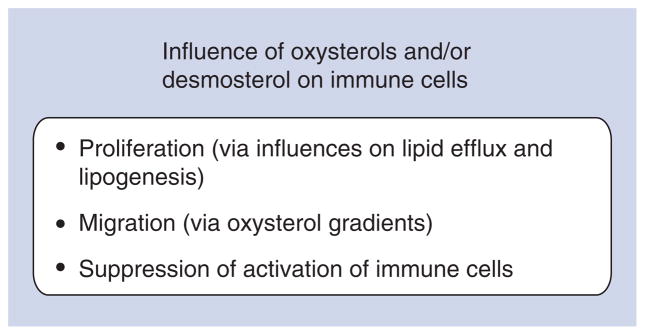
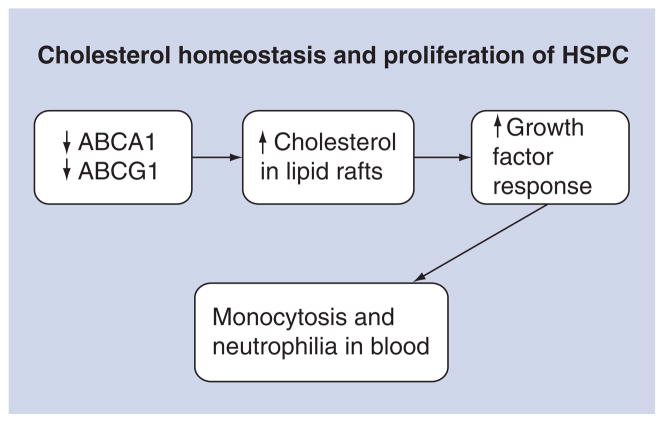
Atherosclerosis is a chronic inflammation in the arterial wall involving cells of the innate and adaptive immune system that is promoted by hyperlipidemia. In addition, the immune system can influence lipids and lipoprotein levels and cellular lipid homeostasis can influence the level and function of the immune cells. We will review the effects of manipulation of adaptive immune cells and immune cell products on lipids and lipoproteins, focusing mainly on studies performed in murine models of atherosclerosis. We also review how lipoproteins and cellular lipid levels, particularly cholesterol levels, influence the function of cells of the innate and adaptive immune systems. The overriding theme is that these interactions are driven by the need to provide the energy and membrane components for cell proliferation and migration, membrane expansion and other functions that are so important in the functioning of the immune cells.
动脉粥样硬化是一种发生在动脉壁的慢性炎症,涉及先天和适应性免疫系统的细胞,由高脂血症引发。此外,免疫系统可影响脂质和脂蛋白水平,而细胞脂质稳态可影响免疫细胞的水平和功能。我们将综述适应性免疫细胞和免疫细胞产物的调控对脂质和脂蛋白的影响,主要聚焦于在动脉粥样硬化小鼠模型中开展的研究。我们还将综述脂蛋白和细胞脂质水平,尤其是胆固醇水平,如何影响先天和适应性免疫系统细胞的功能。首要主题是,这些相互作用是由为细胞增殖、迁移、膜扩张及其他对免疫细胞功能至关重要的功能提供能量和膜成分的需求所驱动的。