Psychiatry, Brighton and Sussex Medical School Brighton, UK ; Sussex Partnership National Health Service Foundation Trust Brighton, UK.
National Hospital Neurology and Neurosurgery, UCL National Health Service Trust London, UK ; Institute of Neurology, University College London London, UK.
Front Neurosci. 2015 Feb 10;9:4. doi: 10.3389/fnins.2015.00004. eCollection 2015.
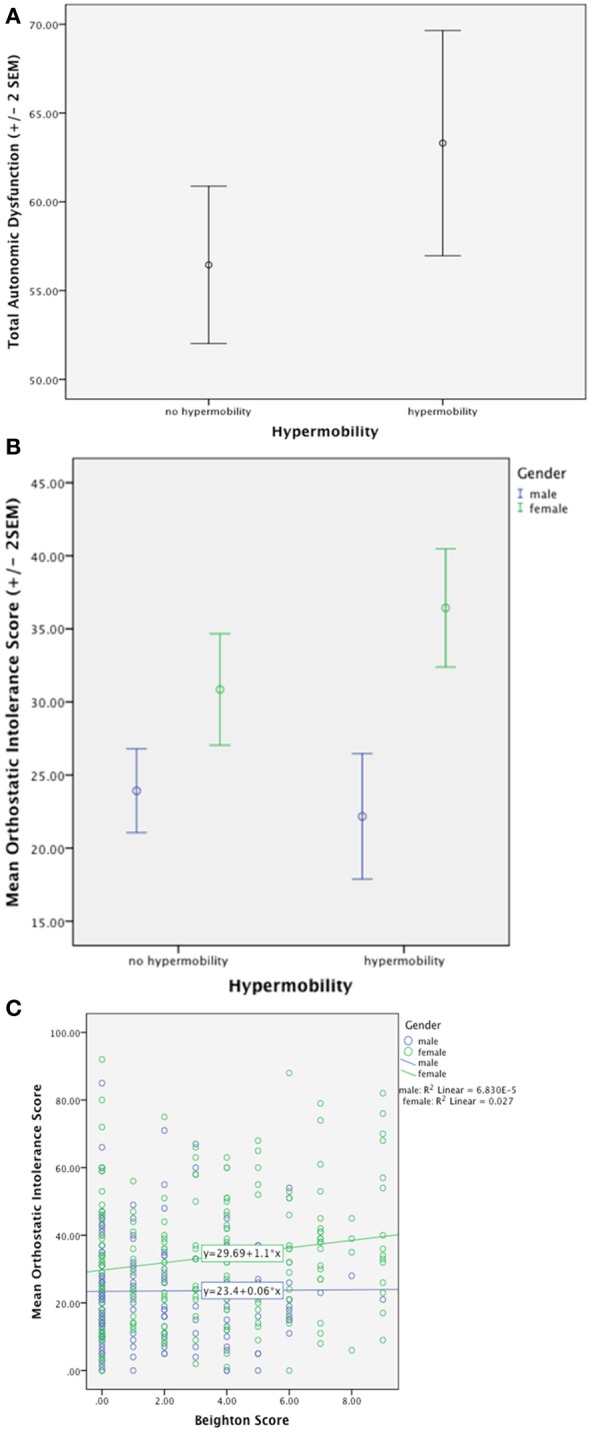
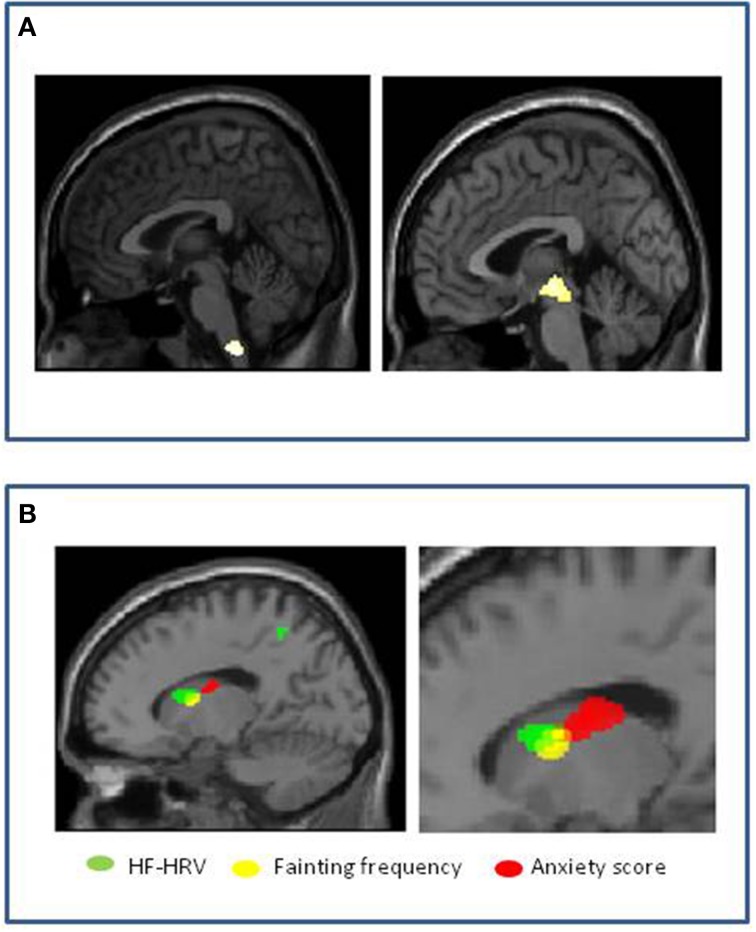
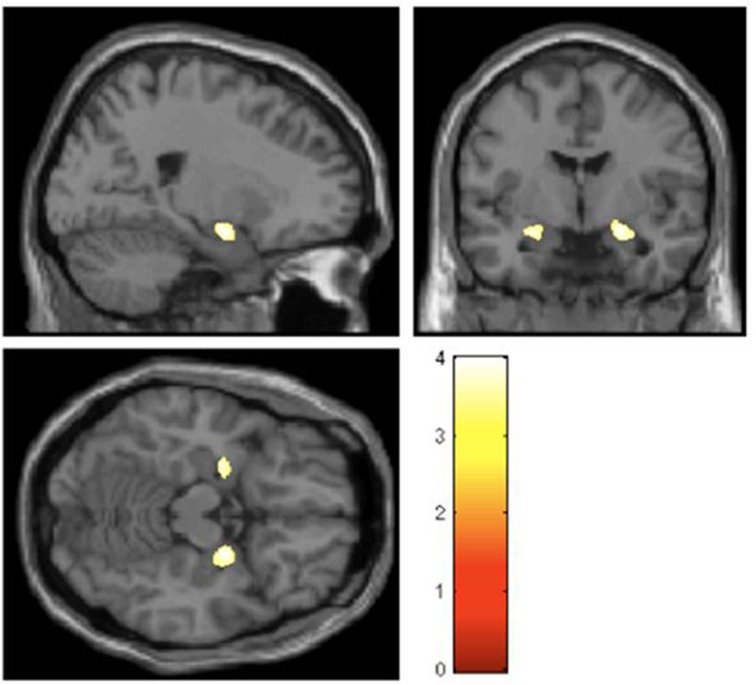
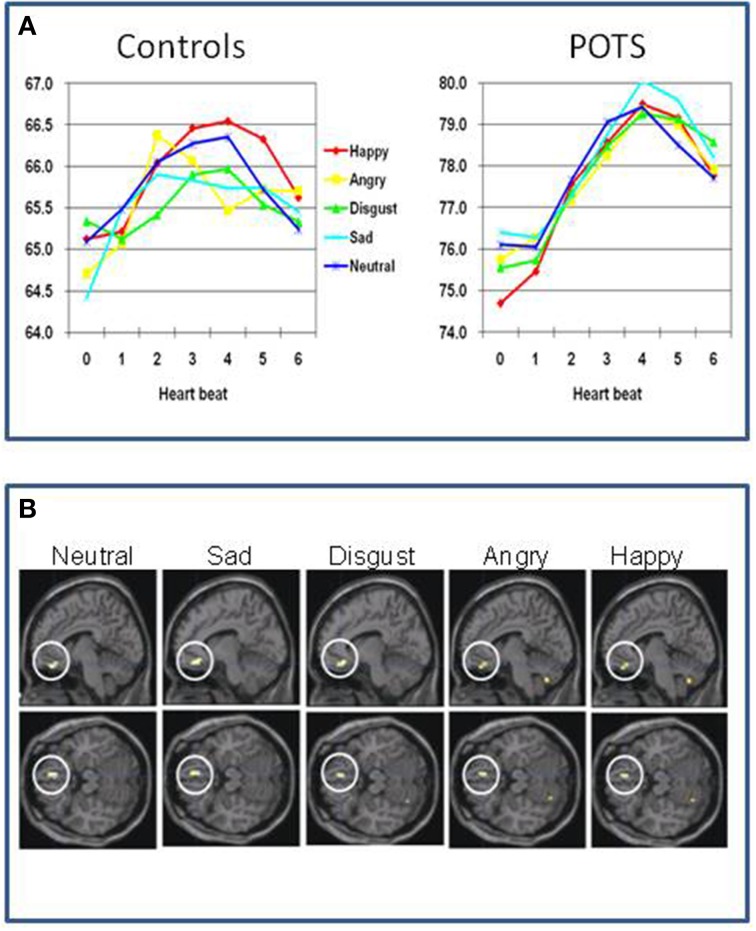
This review explores the proposal that vulnerability to psychological symptoms, particularly anxiety, originates in constitutional differences in the control of bodily state, exemplified by a set of conditions that include Joint Hypermobility, Postural Tachycardia Syndrome and Vasovagal Syncope. Research is revealing how brain-body mechanisms underlie individual differences in psychophysiological reactivity that can be important for predicting, stratifying and treating individuals with anxiety disorders and related conditions. One common constitutional difference is Joint Hypermobility, in which there is an increased range of joint movement as a result of a variant of collagen. Joint hypermobility is over-represented in people with anxiety, mood and neurodevelopmental disorders. It is also linked to stress-sensitive medical conditions such as irritable bowel syndrome, chronic fatigue syndrome and fibromyalgia. Structural differences in "emotional" brain regions are reported in hypermobile individuals, and many people with joint hypermobility manifest autonomic abnormalities, typically Postural Tachycardia Syndrome. Enhanced heart rate reactivity during postural change and as recently recognized factors causing vasodilatation (as noted post-prandially, post-exertion and with heat) is characteristic of Postural Tachycardia Syndrome, and there is a phenomenological overlap with anxiety disorders, which may be partially accounted for by exaggerated neural reactivity within ventromedial prefrontal cortex. People who experience Vasovagal Syncope, a heritable tendency to fainting induced by emotional challenges (and needle/blood phobia), are also more vulnerable to anxiety disorders. Neuroimaging implicates brainstem differences in vulnerability to faints, yet the structural integrity of the caudate nucleus appears important for the control of fainting frequency in relation to parasympathetic tone and anxiety. Together there is clinical and neuroanatomical evidence to show that common constitutional differences affecting autonomic responsivity are linked to psychiatric symptoms, notably anxiety.
这篇综述探讨了这样一种观点,即心理症状(尤其是焦虑)的易感性源于身体状态控制方面的体质差异,其表现为一系列包括关节过度活动、体位性心动过速综合征和血管迷走性晕厥等病症。研究揭示了大脑-身体机制如何构成个体在心理生理反应方面的差异,而这些差异对于预测、分层和治疗焦虑障碍和相关病症患者具有重要意义。一个常见的体质差异是关节过度活动,其特征是由于胶原蛋白的变体,关节活动范围增加。焦虑、情绪和神经发育障碍患者中关节过度活动更为常见。它还与应激敏感的医学病症有关,如肠易激综合征、慢性疲劳综合征和纤维肌痛。在过度活动个体中报告了“情绪”大脑区域的结构性差异,许多关节过度活动的人表现出自主神经异常,通常是体位性心动过速综合征。体位改变和近期发现的引起血管扩张的因素(如餐后、运动后和受热时)导致心率增强反应是体位性心动过速综合征的特征,并且与焦虑障碍存在现象学重叠,这可能部分归因于腹内侧前额叶皮层的神经反应过度。经历血管迷走性晕厥(一种由情绪挑战引起的遗传性晕厥倾向,以及针/血恐惧症)的人也更容易患焦虑障碍。神经影像学表明,易晕厥的脆弱性与脑干差异有关,但尾状核的结构完整性对于控制与副交感神经张力和焦虑相关的晕厥频率似乎很重要。总之,临床和神经解剖学证据表明,影响自主反应性的常见体质差异与精神症状(尤其是焦虑)有关。