Martinez-Torres Ana-Carolina, Quiney Claire, Attout Tarik, Boullet Heloïse, Herbi Linda, Vela Laura, Barbier Sandrine, Chateau Danielle, Chapiro Elise, Nguyen-Khac Florence, Davi Frédéric, Le Garff-Tavernier Magali, Moumné Roba, Sarfati Marika, Karoyan Philippe, Merle-Béral Hélène, Launay Pierre, Susin Santos A
Cell Death and Drug Resistance in Lymphoproliferative Disorders Team, INSERM UMRS1138, Centre de Recherche des Cordeliers, Paris, France; Sorbonne Universités, Université Pierre et Marie Curie Paris 6, UMRS1138, Centre de Recherche des Cordeliers, Paris, France; Université Paris Descartes, Sorbonne Paris Cité, UMRS1138, Centre de Recherche des Cordeliers, Paris, France.
INSERM U1149, Paris, France; Faculté de Médecine, Site Xavier Bichat, Université Paris Diderot, Sorbonne Paris Cité, Paris, France.
PLoS Med. 2015 Mar 3;12(3):e1001796. doi: 10.1371/journal.pmed.1001796. eCollection 2015 Mar.
Chronic lymphocytic leukemia (CLL), the most common adulthood leukemia, is characterized by the accumulation of abnormal CD5+ B lymphocytes, which results in a progressive failure of the immune system. Despite intense research efforts, drug resistance remains a major cause of treatment failure in CLL, particularly in patients with dysfunctional TP53. The objective of our work was to identify potential approaches that might overcome CLL drug refractoriness by examining the pro-apoptotic potential of targeting the cell surface receptor CD47 with serum-stable agonist peptides.
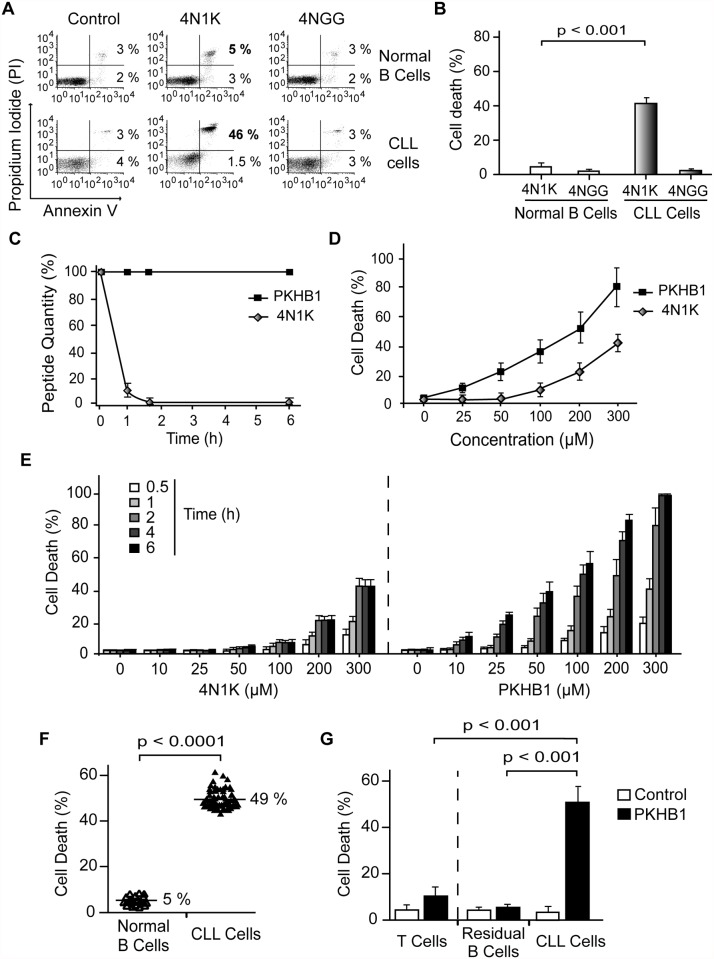
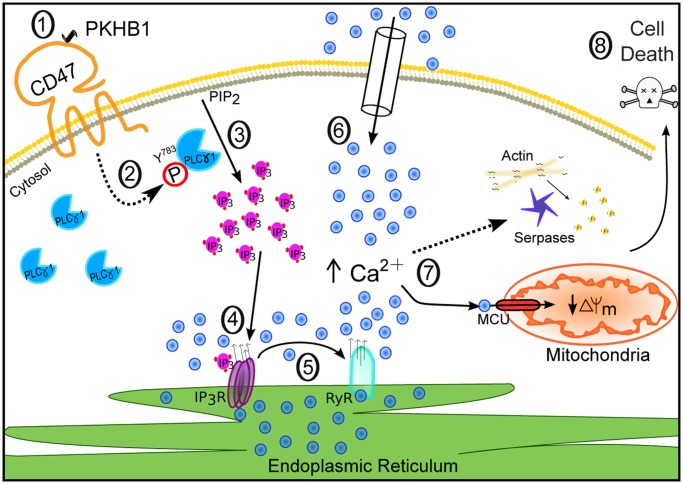
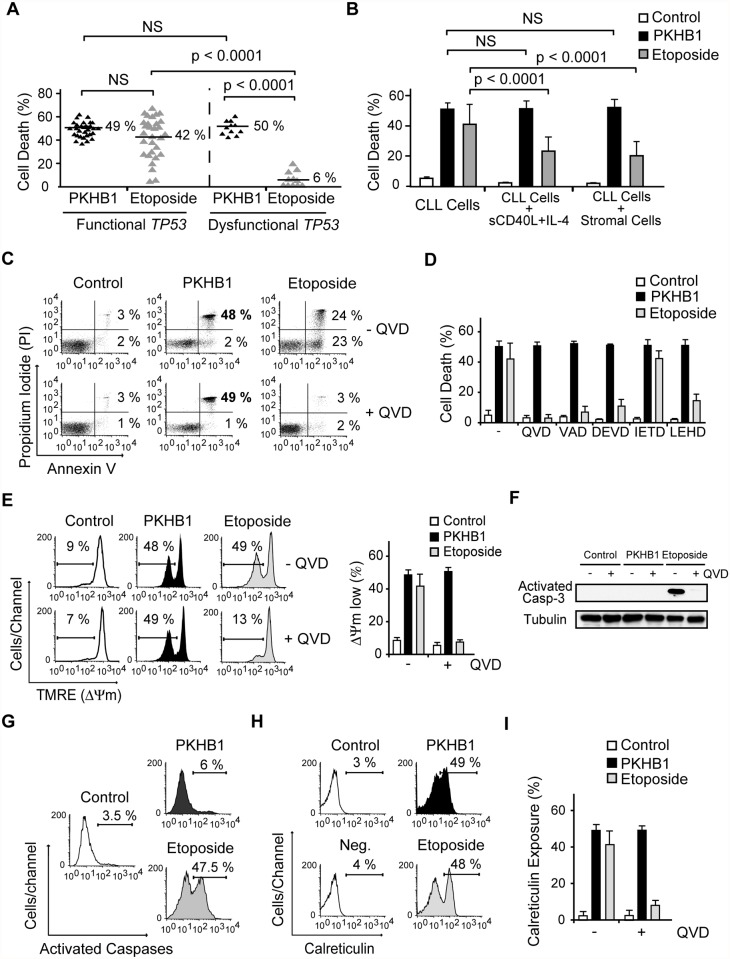
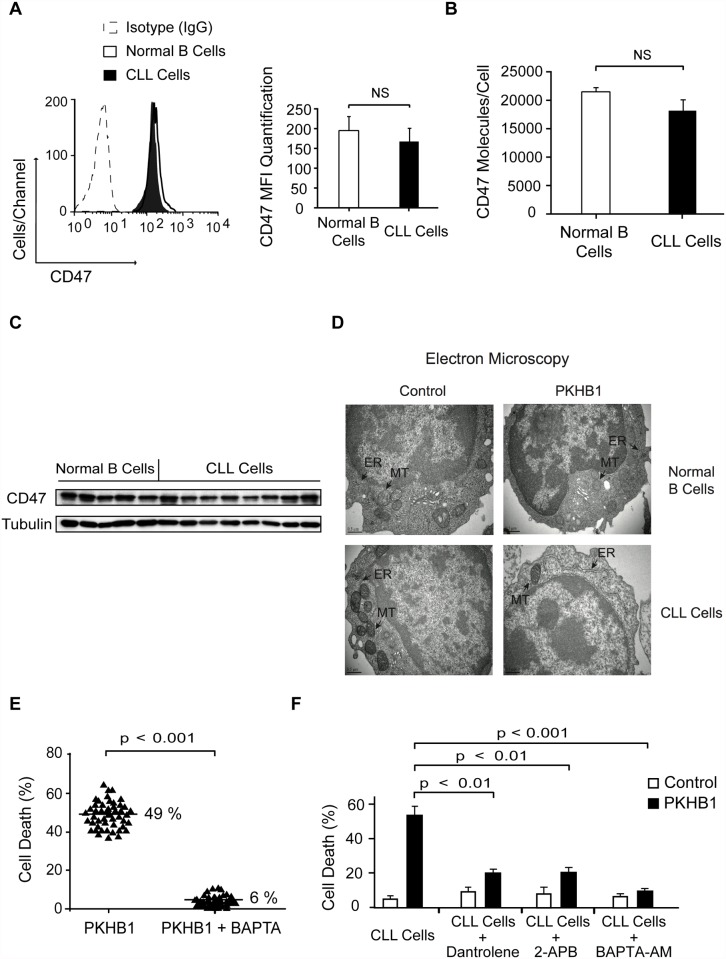
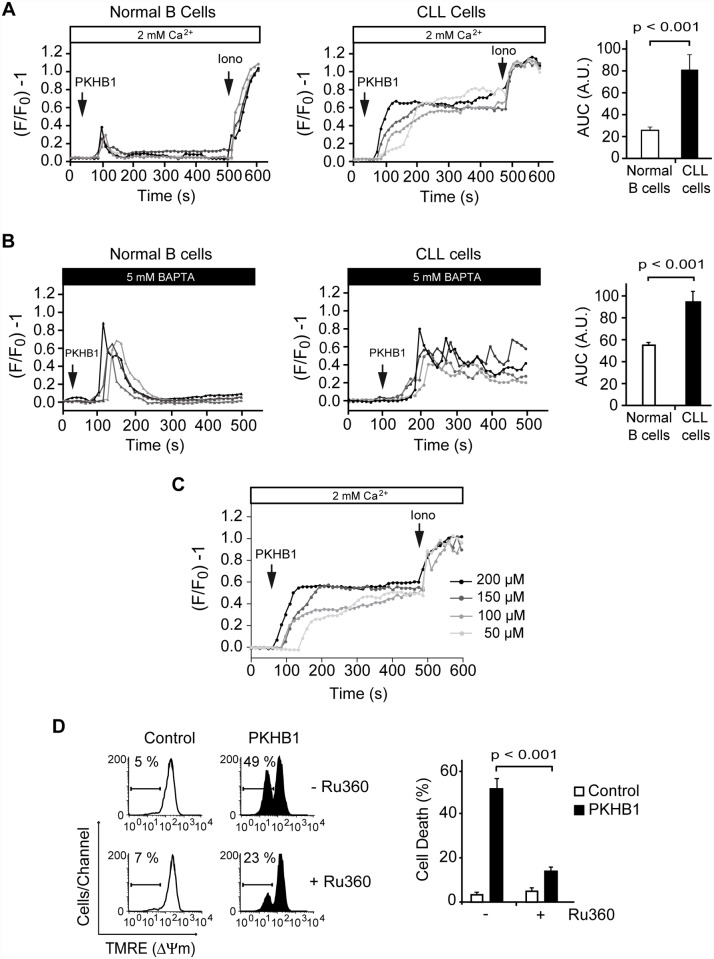
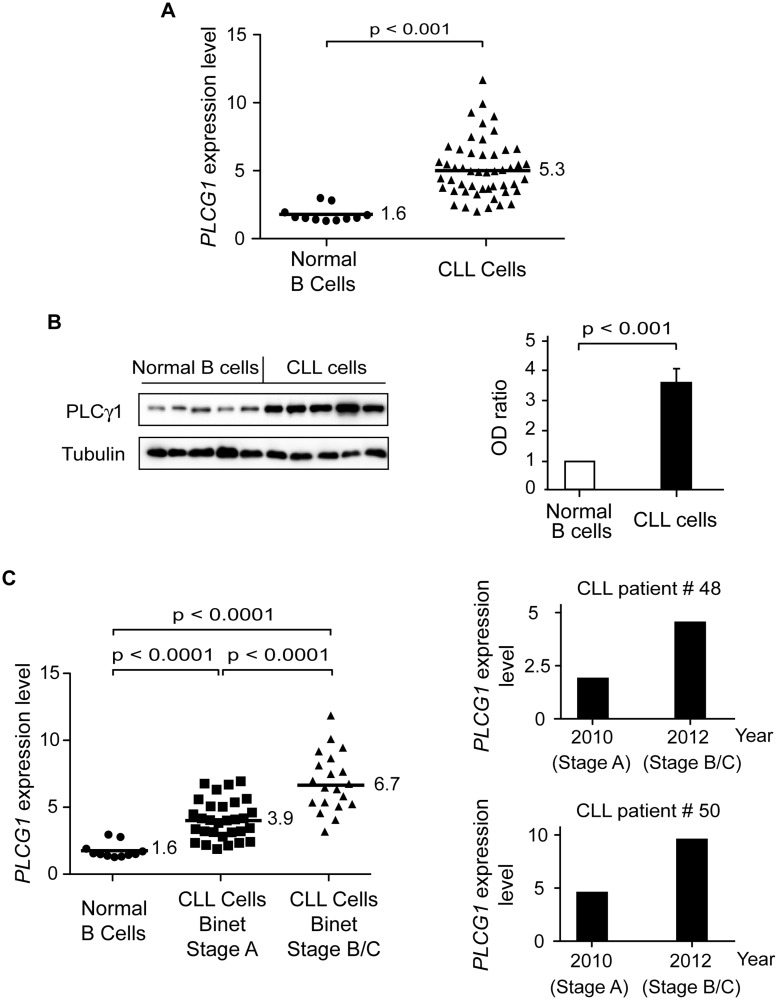
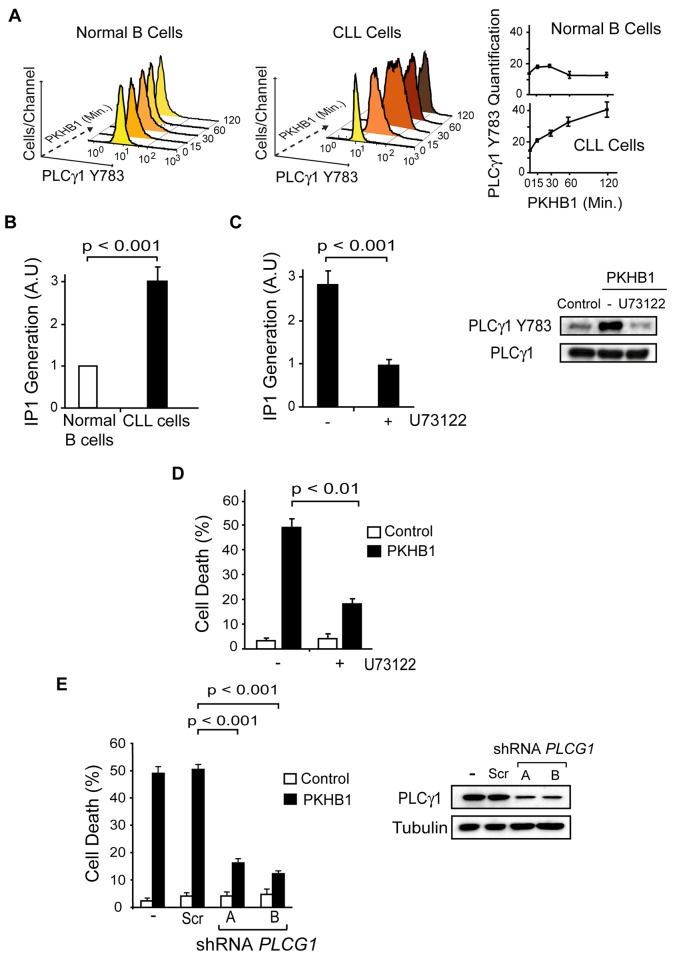
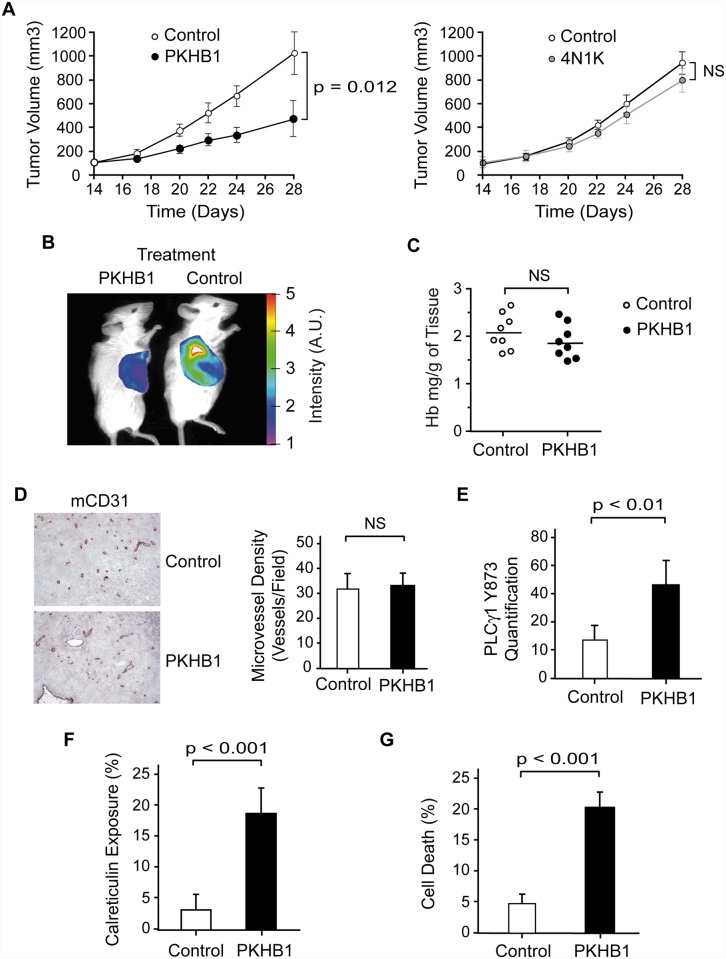
In peripheral blood samples collected from 80 patients with CLL with positive and adverse prognostic features, we performed in vitro genetic and molecular analyses that demonstrate that the targeting of CD47 with peptides derived from the C-terminal domain of thrombospondin-1 efficiently kills the malignant CLL B cells, including those from high-risk individuals with a dysfunctional TP53 gene, while sparing the normal T and B lymphocytes from the CLL patients. Further studies reveal that the differential response of normal B lymphocytes, collected from 20 healthy donors, and leukemic B cells to CD47 peptide targeting results from the sustained activation in CLL B cells of phospholipase C gamma-1 (PLCγ1), a protein that is significantly over-expressed in CLL. Once phosphorylated at tyrosine 783, PLCγ1 enables a Ca2+-mediated, caspase-independent programmed cell death (PCD) pathway that is not down-modulated by the lymphocyte microenvironment. Accordingly, down-regulation of PLCγ1 or pharmacological inhibition of PLCγ1 phosphorylation abolishes CD47-mediated killing. Additionally, in a CLL-xenograft model developed in NOD/scid gamma mice, we demonstrate that the injection of CD47 agonist peptides reduces tumor burden without inducing anemia or toxicity in blood, liver, or kidney. The limitations of our study are mainly linked to the affinity of the peptides targeting CD47, which might be improved to reach the standard requirements in drug development, and the lack of a CLL animal model that fully mimics the human disease.
Our work provides substantial progress in (i) the development of serum-stable CD47 agonist peptides that are highly effective at inducing PCD in CLL, (ii) the understanding of the molecular events regulating a novel PCD pathway that overcomes CLL apoptotic avoidance, (iii) the identification of PLCγ1 as an over-expressed protein in CLL B cells, and (iv) the description of a novel peptide-based strategy against CLL.
慢性淋巴细胞白血病(CLL)是最常见的成人白血病,其特征是异常CD5 + B淋巴细胞的积累,这导致免疫系统进行性衰竭。尽管进行了大量研究,但耐药性仍然是CLL治疗失败的主要原因,特别是在TP53功能失调的患者中。我们工作的目的是通过研究用血清稳定的激动剂肽靶向细胞表面受体CD47的促凋亡潜力,来确定可能克服CLL药物难治性的潜在方法。
在从80例具有阳性和不良预后特征的CLL患者收集的外周血样本中,我们进行了体外基因和分子分析,结果表明用源自血小板反应蛋白-1 C末端结构域的肽靶向CD47可有效杀死恶性CLL B细胞,包括来自TP53基因功能失调的高危个体的细胞,同时使CLL患者的正常T和B淋巴细胞免受影响。进一步的研究表明,从20名健康供体收集的正常B淋巴细胞和白血病B细胞对CD47肽靶向的不同反应,是由于CLL B细胞中磷脂酶Cγ1(PLCγ1)的持续激活所致,PLCγ1是一种在CLL中显著过表达的蛋白质。一旦在酪氨酸783处磷酸化,PLCγ1就会启用一种由Ca2 +介导的、不依赖于半胱天冬酶的程序性细胞死亡(PCD)途径,该途径不会被淋巴细胞微环境下调。因此,PLCγ1的下调或PLCγ1磷酸化的药理学抑制可消除CD47介导的杀伤作用。此外,在NOD/scid gamma小鼠中建立的CLL异种移植模型中,我们证明注射CD47激动剂肽可减轻肿瘤负担,而不会在血液、肝脏或肾脏中引起贫血或毒性。我们研究的局限性主要与靶向CD47的肽的亲和力有关,这可能需要改进以达到药物开发的标准要求,以及缺乏完全模拟人类疾病的CLL动物模型。
我们的工作在以下方面取得了重大进展:(i)开发出在诱导CLL细胞程序性死亡方面高效的血清稳定CD47激动剂肽;(ii)理解调节一种克服CLL凋亡逃避的新型PCD途径的分子事件;(iii)鉴定出PLCγ1是CLL B细胞中过表达的蛋白质;(iv)描述一种针对CLL的基于肽的新策略。