Stevenson Jim, Kreppner Jana, Pimperton Hannah, Worsfold Sarah, Kennedy Colin
Faculty of Social and Human Sciences, University of Southampton, Highfield, Southampton, SO17 1BJ, UK,
Eur Child Adolesc Psychiatry. 2015 May;24(5):477-96. doi: 10.1007/s00787-015-0697-1. Epub 2015 Mar 11.
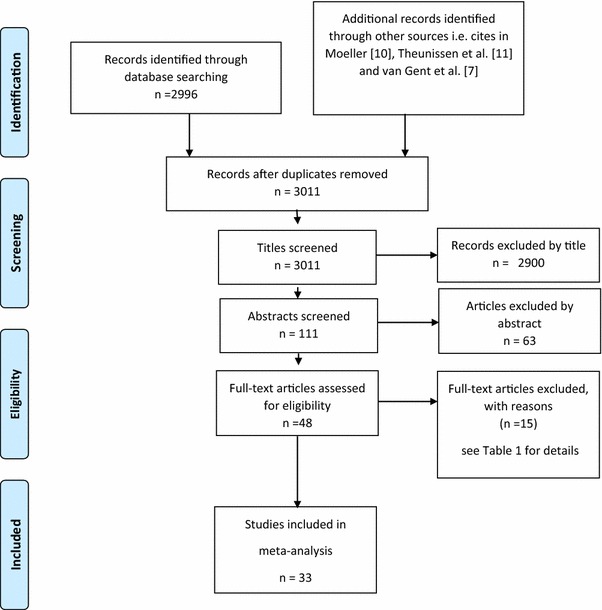
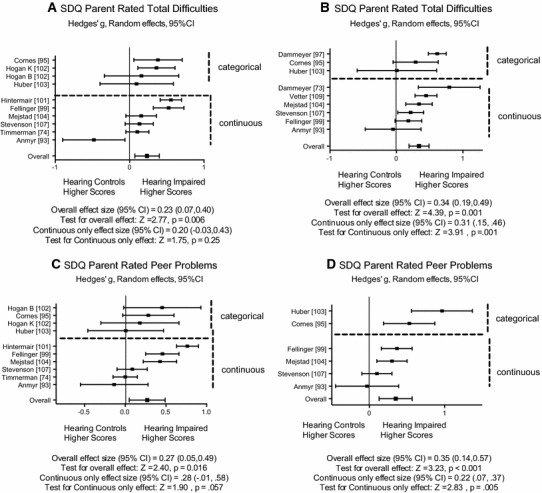
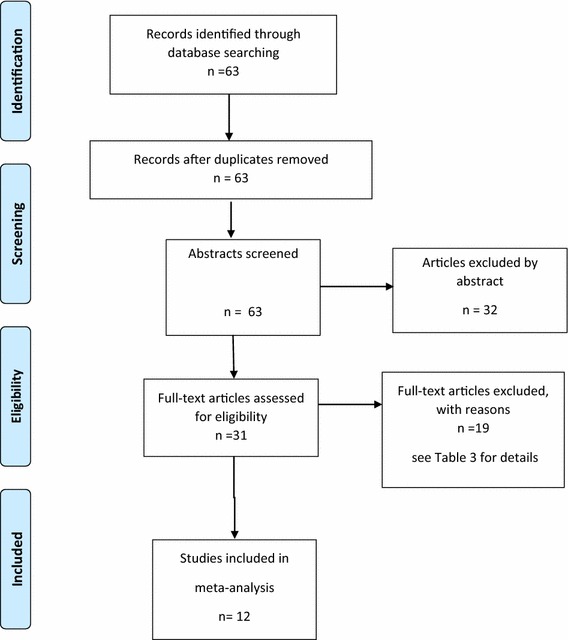
The aim of this study is to estimate the extent to which children and adolescents with hearing impairment (HI) show higher rates of emotional and behavioural difficulties compared to normally hearing children. Studies of emotional and behavioural difficulties in children and adolescents were traced from computerized systematic searches supplemented, where appropriate, by studies referenced in previous narrative reviews. Effect sizes (Hedges' g) were calculated for all studies. Meta-analyses were conducted on the weighted effect sizes obtained for studies adopting the Strength and Difficulties Questionnaire (SDQ) and on the unweighted effect sizes for non-SDQ studies. 33 non-SDQ studies were identified in which emotional and behavioural difficulties in children with HI could be compared to normally hearing children. The unweighted average g for these studies was 0.36. The meta-analysis of the 12 SDQ studies gave estimated effect sizes of 0.23 (95% CI 0.07, 0.40), 0.34 (95% CI 0.19, 0.49) and -0.01 (95% CI -0.32, 0.13) for Parent, Teacher and Self-ratings of Total Difficulties, respectively. The SDQ sub-scale showing consistent differences across raters between groups with HI and those with normal hearing was Peer Problems. Children and adolescents with HI have scores on emotional and behavioural difficulties measures about a quarter to a third of a standard deviation higher than hearing children. Children and adolescents with HI are in need of support to help their social relationships particularly with their peers.
本研究的目的是评估与听力正常的儿童相比,有听力障碍(HI)的儿童和青少年出现情绪和行为问题的比例更高的程度。通过计算机系统检索对儿童和青少年情绪与行为问题的研究进行追踪,并在适当情况下补充以前叙述性综述中引用的研究。对所有研究计算效应量(Hedges' g)。对采用优势与困难问卷(SDQ)的研究获得的加权效应量以及非SDQ研究的未加权效应量进行荟萃分析。确定了33项非SDQ研究,其中可以将HI儿童的情绪和行为问题与听力正常的儿童进行比较。这些研究的未加权平均g为0.36。对12项SDQ研究的荟萃分析得出,父母、教师和自我对总困难程度的评分的估计效应量分别为0.23(95%可信区间0.07,0.40)、0.34(95%可信区间0.19,0.49)和-0.01(95%可信区间-0.32,0.13)。在HI组和听力正常组之间,评分者之间显示出一致差异的SDQ子量表是同伴问题。有HI的儿童和青少年在情绪和行为问题测量上的得分比听力正常的儿童高出约四分之一到三分之一标准差。有HI的儿童和青少年需要获得支持,以帮助他们建立社会关系,特别是与同龄人的关系。