Konieczna Jadwiga, Sánchez Juana, Palou Mariona, Picó Catalina, Palou Andreu
Laboratory of Molecular Biology, Nutrition and Biotechnology (Nutrigenomics), University of the Balearic Islands (UIB) and CIBER Fisiopatología de la Obesidad y Nutrición (CIBEROBN), Palma de Mallorca, Spain.
Sci Rep. 2015 Mar 13;5:9088. doi: 10.1038/srep09088.
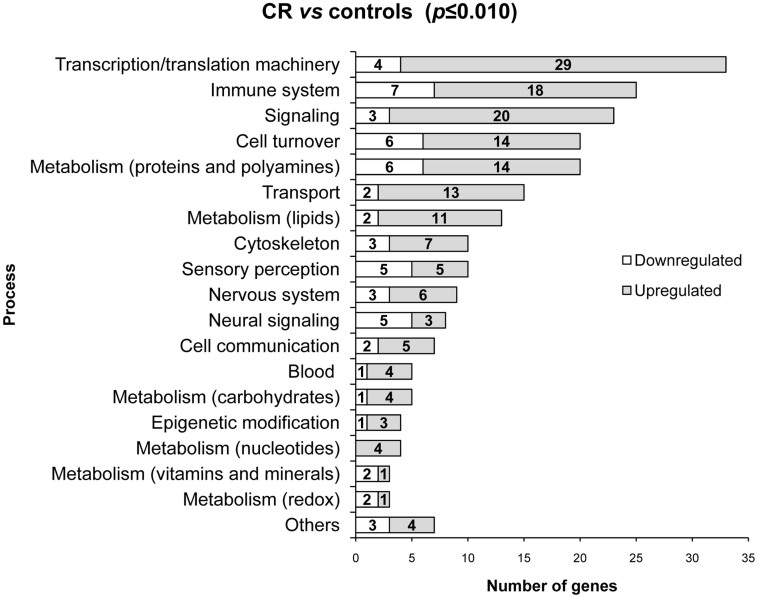
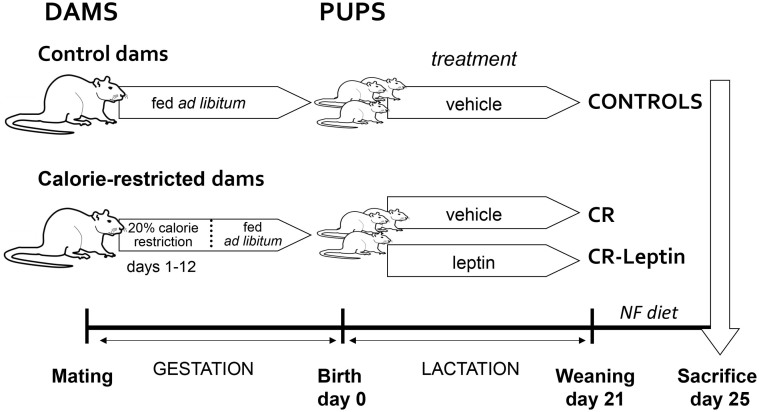
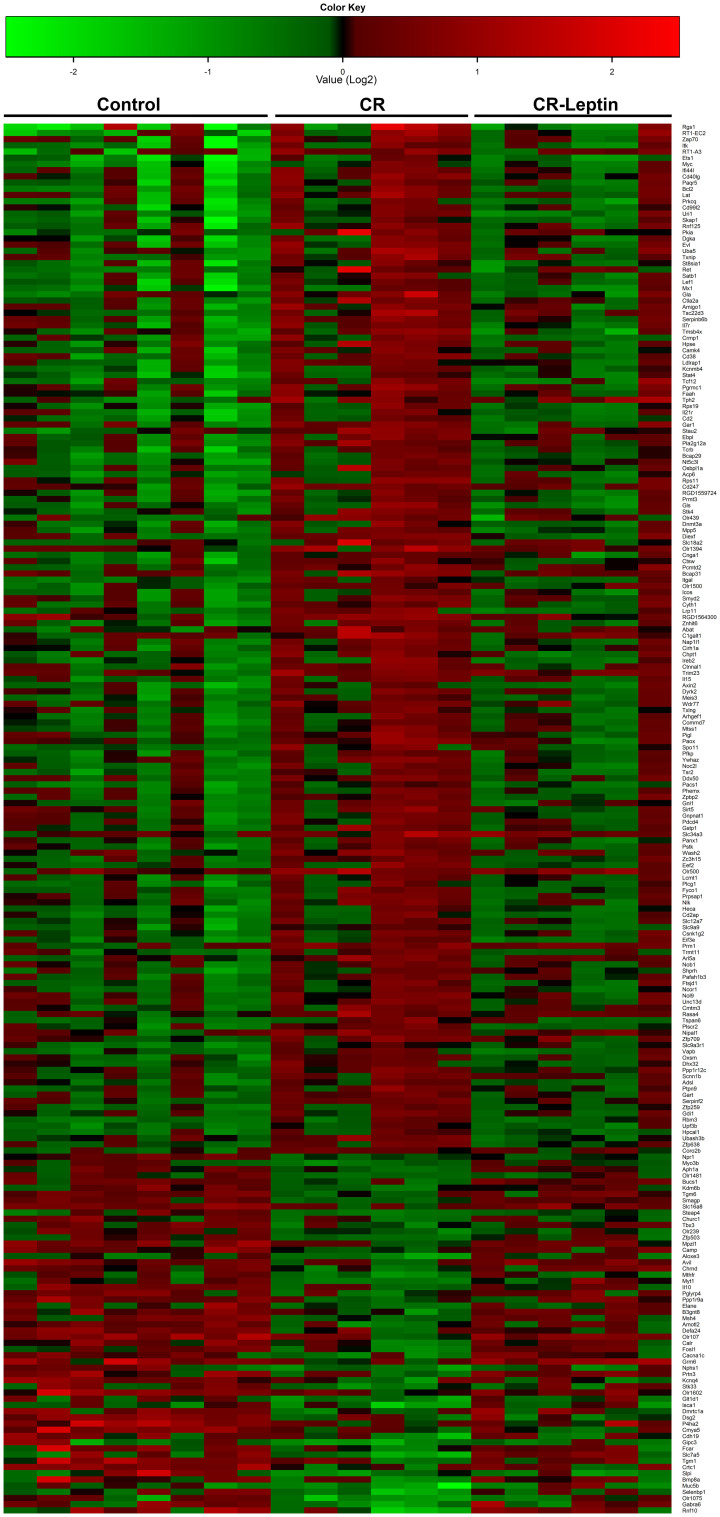
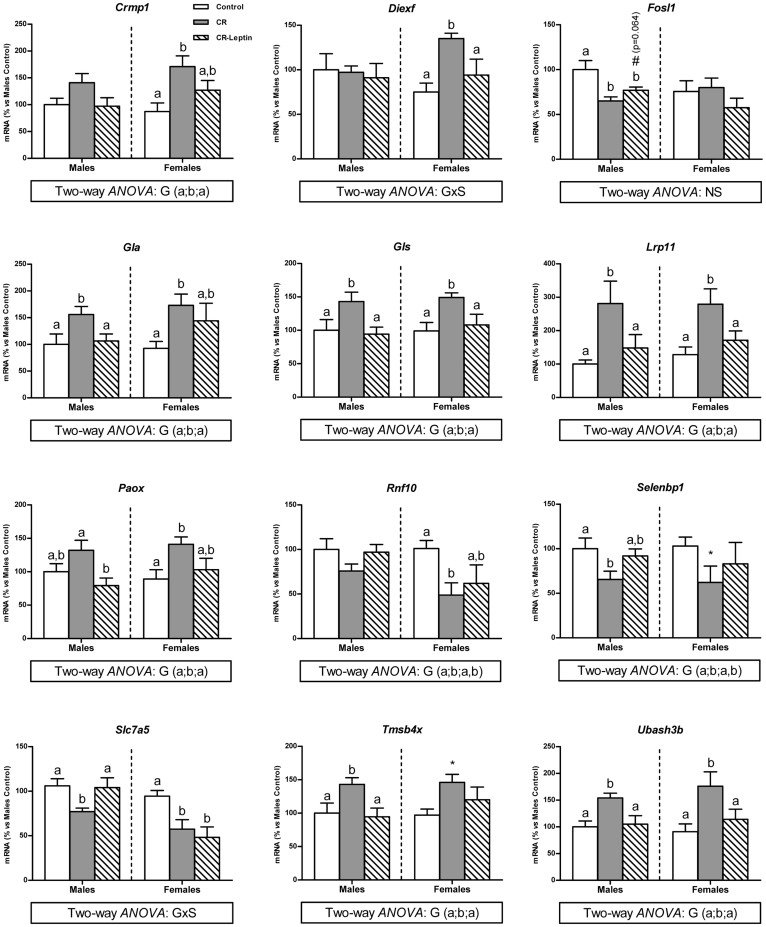
The challenge of preventing major chronic diseases requires reliable, early biomarkers. Gestational mild undernutrition in rats is enough to program the offspring to develop later pathologies; the intake of leptin, a breastmilk component, during lactation may reverse these programming effects. We used these models to identify, in peripheral blood mononuclear cells (PBMCs), transcriptomic-based early biomarkers of programmed susceptibility to later disorders, and explored their response to neonatal leptin intake. Microarray analysis was performed in PBMCs from the offspring of control and 20% gestational calorie-restricted dams (CR), and CR-rats supplemented with physiological doses of leptin throughout lactation. Notably, leptin supplementation normalised 218 of the 224 mRNA-levels identified in PBMCs associated to undernutrition during pregnancy. These markers may be useful for early identification and subsequent monitoring of individuals who are at risk of later diseases and would specifically benefit from the intake of appropriate amounts of leptin during lactation.
预防主要慢性疾病的挑战需要可靠的早期生物标志物。大鼠孕期轻度营养不良足以使后代在日后发展出病理状况;哺乳期摄入瘦素(母乳的一种成分)可能会逆转这些编程效应。我们利用这些模型在外周血单核细胞(PBMC)中识别出基于转录组学的、对日后疾病易感性编程的早期生物标志物,并探究了它们对新生儿期摄入瘦素的反应。对对照组和孕期热量摄入受限20%的母鼠(CR)后代的PBMC进行了微阵列分析,以及对在整个哺乳期补充生理剂量瘦素的CR大鼠的PBMC进行了微阵列分析。值得注意的是,补充瘦素使在PBMC中识别出的与孕期营养不良相关的224个mRNA水平中的218个恢复正常。这些标志物可能有助于早期识别和后续监测有日后患病风险的个体,这些个体可能会特别受益于哺乳期摄入适量的瘦素。