Tycowski Kazimierz T, Guo Yang Eric, Lee Nara, Moss Walter N, Vallery Tenaya K, Xie Mingyi, Steitz Joan A
Department of Molecular Biophysics and Biochemistry, Howard Hughes Medical Institute, Boyer Center for Molecular Medicine, Yale University School of Medicine, New Haven, Connecticut 06536, USA.
Department of Molecular Biophysics and Biochemistry, Howard Hughes Medical Institute, Boyer Center for Molecular Medicine, Yale University School of Medicine, New Haven, Connecticut 06536, USA
Genes Dev. 2015 Mar 15;29(6):567-84. doi: 10.1101/gad.259077.115.
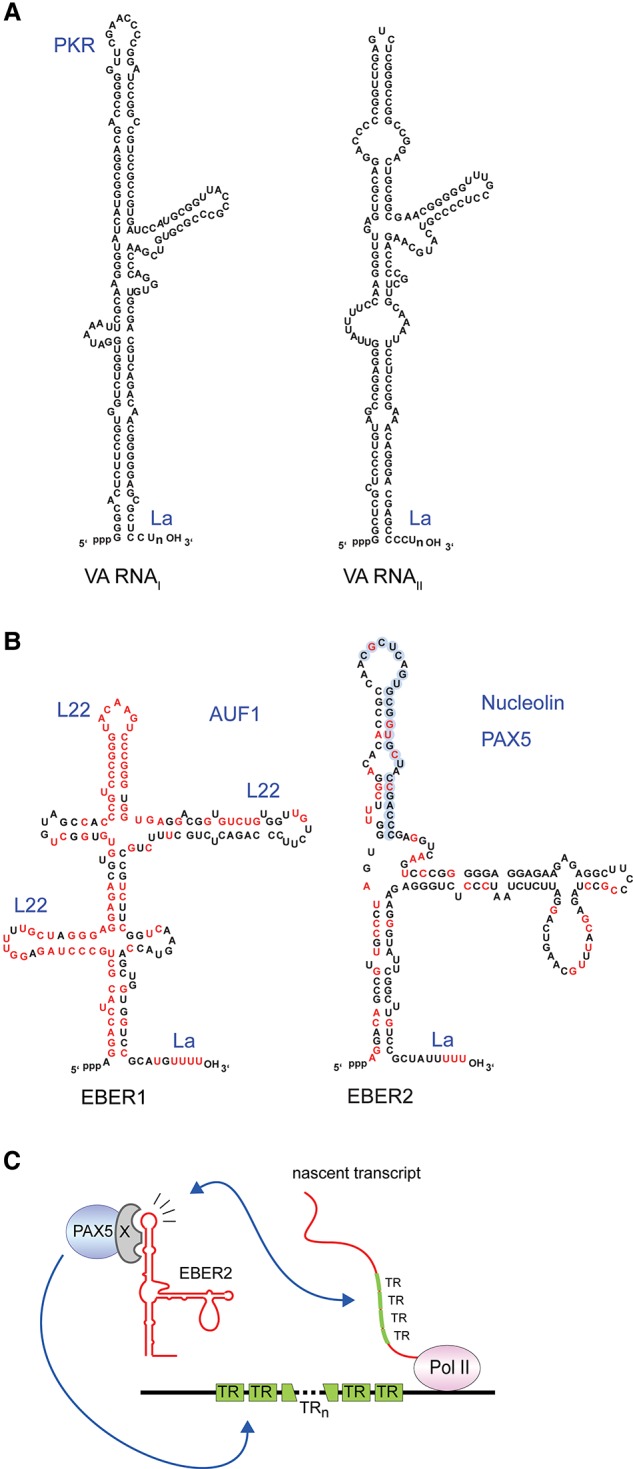
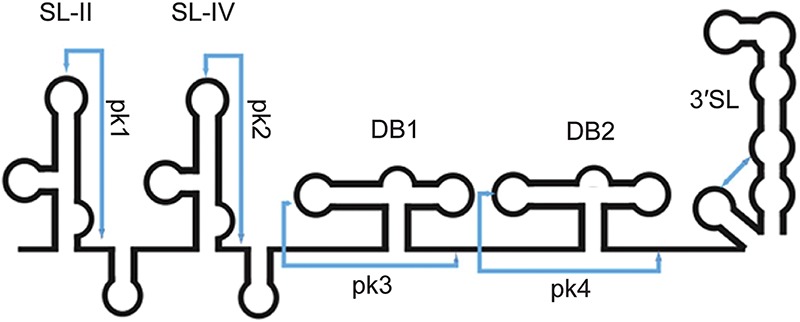
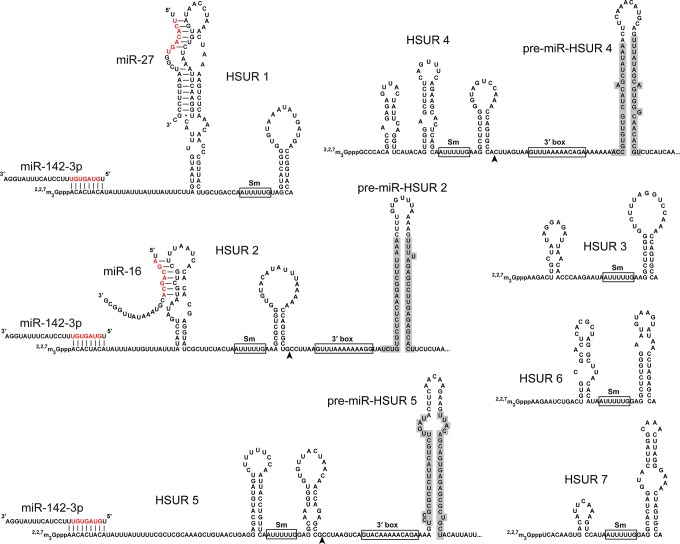
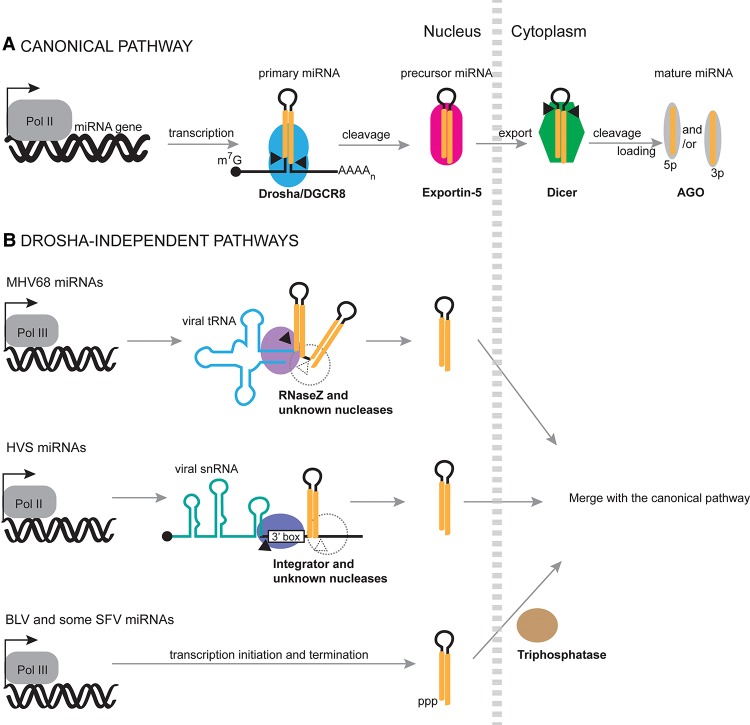
Eukaryotic cells produce several classes of long and small noncoding RNA (ncRNA). Many DNA and RNA viruses synthesize their own ncRNAs. Like their host counterparts, viral ncRNAs associate with proteins that are essential for their stability, function, or both. Diverse biological roles--including the regulation of viral replication, viral persistence, host immune evasion, and cellular transformation--have been ascribed to viral ncRNAs. In this review, we focus on the multitude of functions played by ncRNAs produced by animal viruses. We also discuss their biogenesis and mechanisms of action.
真核细胞会产生几类长链和小非编码RNA(ncRNA)。许多DNA和RNA病毒会合成它们自己的ncRNA。与宿主细胞的ncRNA类似,病毒ncRNA会与对其稳定性、功能或两者都至关重要的蛋白质结合。病毒ncRNA具有多种生物学功能,包括调节病毒复制、病毒持续性、宿主免疫逃避和细胞转化。在这篇综述中,我们聚焦于动物病毒产生的ncRNA所发挥的众多功能。我们还将讨论它们的生物合成及作用机制。