Tyson Adam L, Hilton Stephen T, Andreae Laura C
MRC Centre for Developmental Neurobiology, King's College London, London SE1 1UL, UK; Department of Forensic and Neurodevelopmental Science, King's College London, London SE5 8AF, UK.
Department of Pharmaceutical and Biological Chemistry, UCL School of Pharmacy, University College London, London WC1N 1AX, UK.
Int J Pharm. 2015 Oct 30;494(2):651-656. doi: 10.1016/j.ijpharm.2015.03.042. Epub 2015 Mar 20.
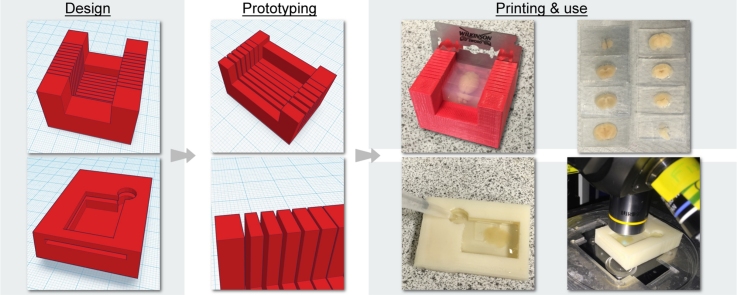
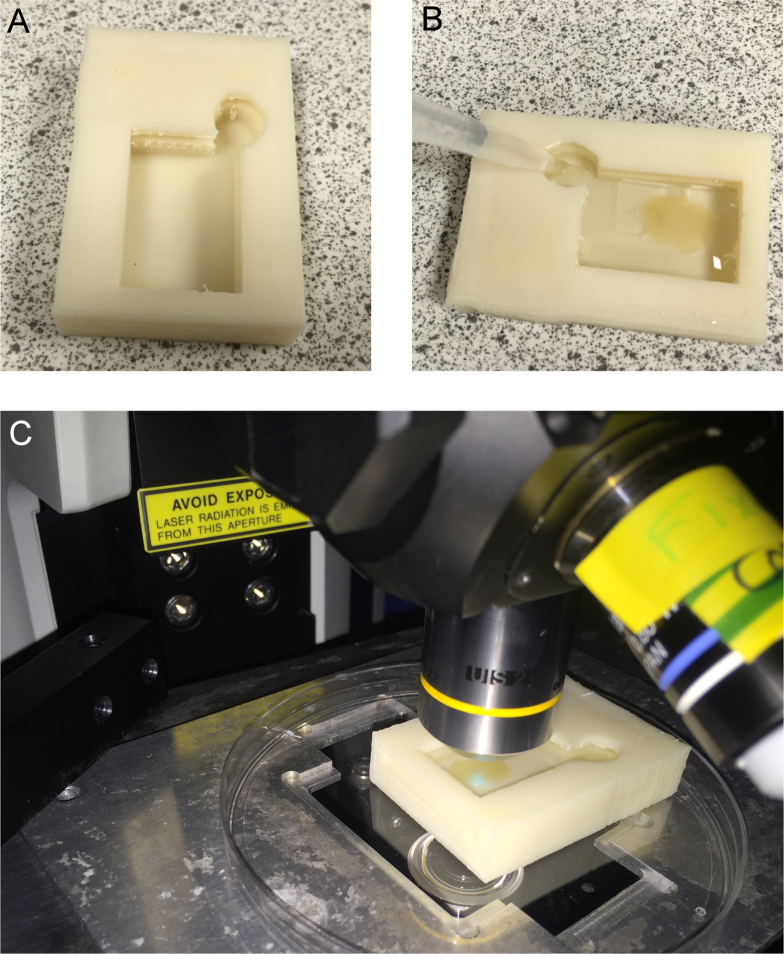
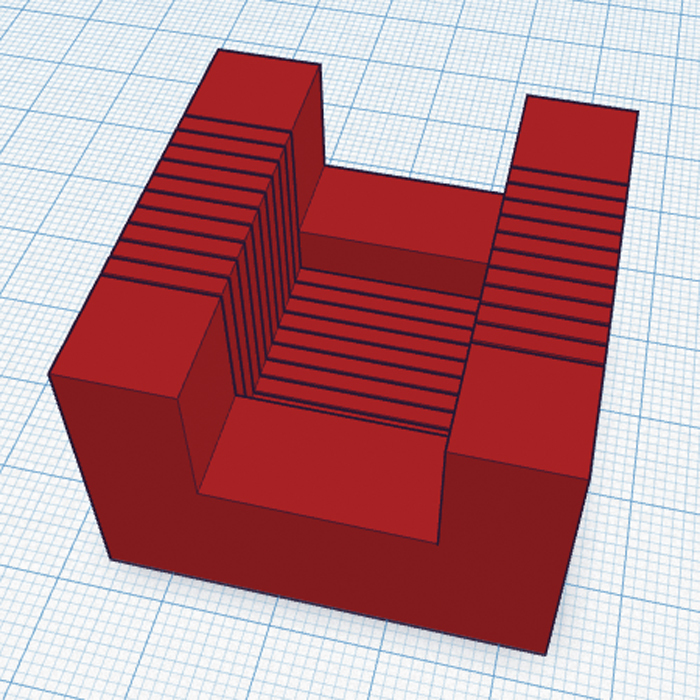
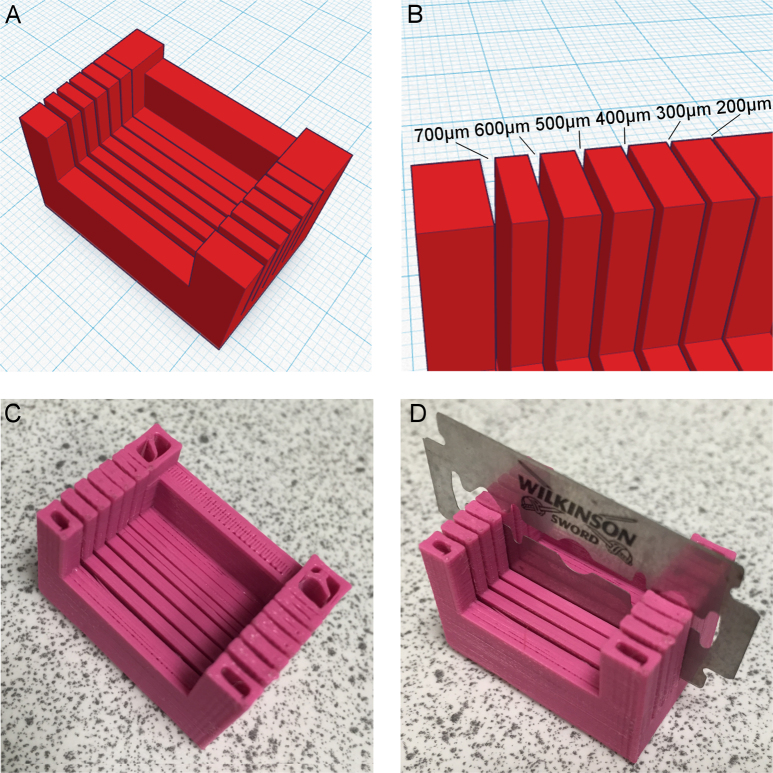
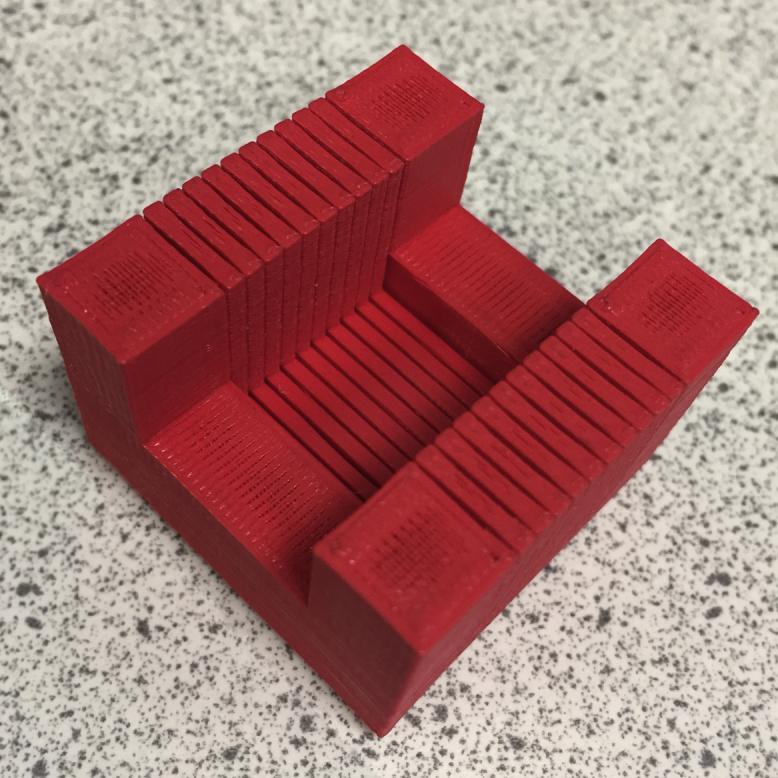
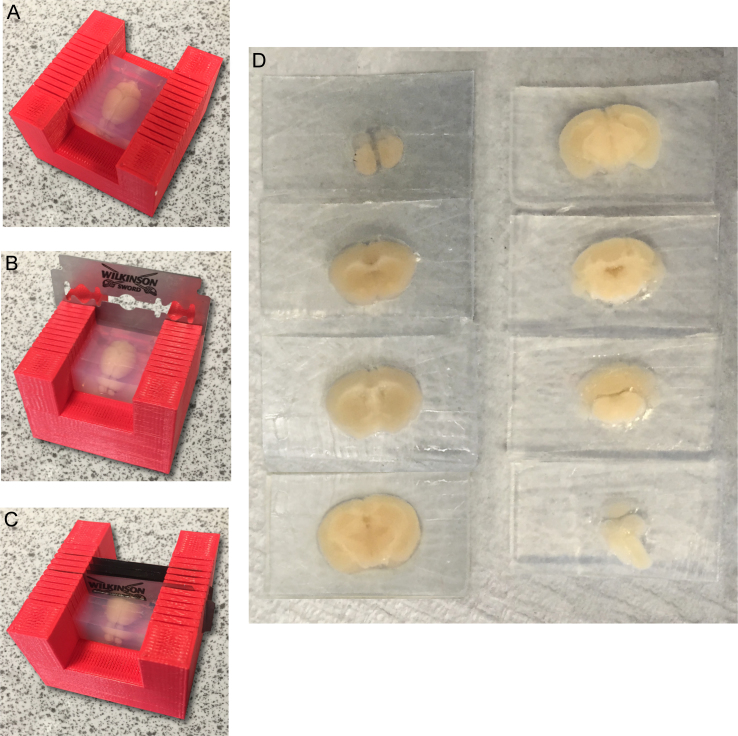
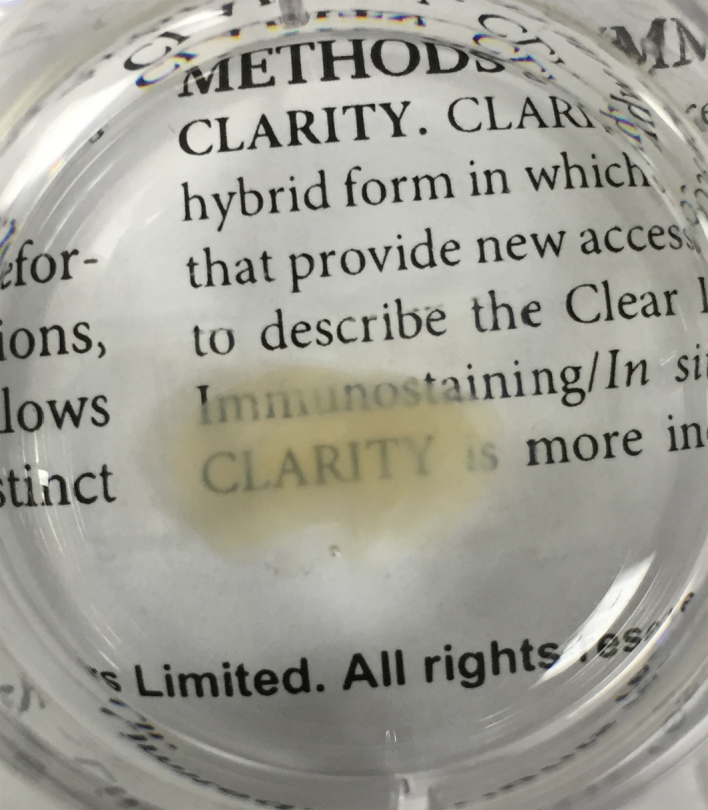
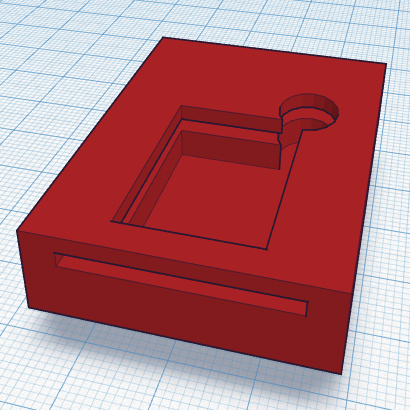
The cost of 3D printing has reduced dramatically over the last few years and is now within reach of many scientific laboratories. This work presents an example of how 3D printing can be applied to the development of custom laboratory equipment that is specifically adapted for use with the novel brain tissue clearing technique, CLARITY. A simple, freely available online software tool was used, along with consumer-grade equipment, to produce a brain slicing chamber and a combined antibody staining and imaging chamber. Using standard 3D printers we were able to produce research-grade parts in an iterative manner at a fraction of the cost of commercial equipment. 3D printing provides a reproducible, flexible, simple and cost-effective method for researchers to produce the equipment needed to quickly adopt new methods.
在过去几年中,3D打印的成本大幅降低,现在许多科学实验室都能够负担得起。这项工作展示了一个例子,说明3D打印如何应用于定制实验室设备的开发,该设备专门适用于新型脑组织透明化技术CLARITY。使用了一个简单的、可免费在线获取的软件工具,以及消费级设备,制作了一个脑切片室和一个组合抗体染色与成像室。使用标准3D打印机,我们能够以迭代方式生产研究级部件,成本仅为商业设备的一小部分。3D打印为研究人员提供了一种可重复、灵活、简单且经济高效的方法,用于生产快速采用新方法所需的设备。