Decker Rahel, Burdelski Christoph, Zobiak Melanie, Büttner Henning, Franke Gefion, Christner Martin, Saß Katharina, Zobiak Bernd, Henke Hanae A, Horswill Alexander R, Bischoff Markus, Bur Stephanie, Hartmann Torsten, Schaeffer Carolyn R, Fey Paul D, Rohde Holger
Institut für Medizinische Mikrobiologie, Virologie und Hygiene, Hamburg, Germany.
UKE Microscopy Imaging Facility, Universitätsklinikum Hamburg-Eppendorf, Hamburg, Germany.
PLoS Pathog. 2015 Mar 23;11(3):e1004735. doi: 10.1371/journal.ppat.1004735. eCollection 2015 Mar.
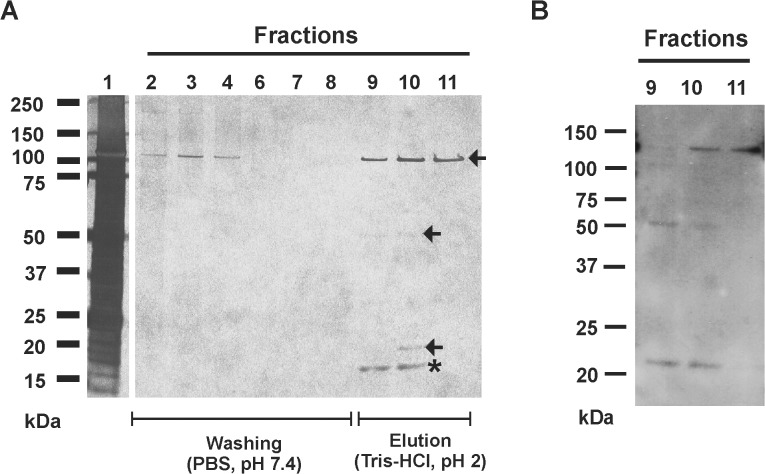
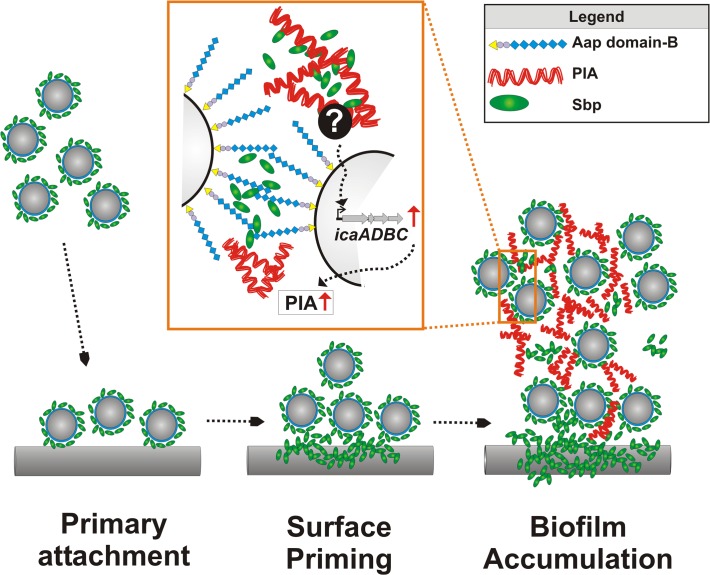
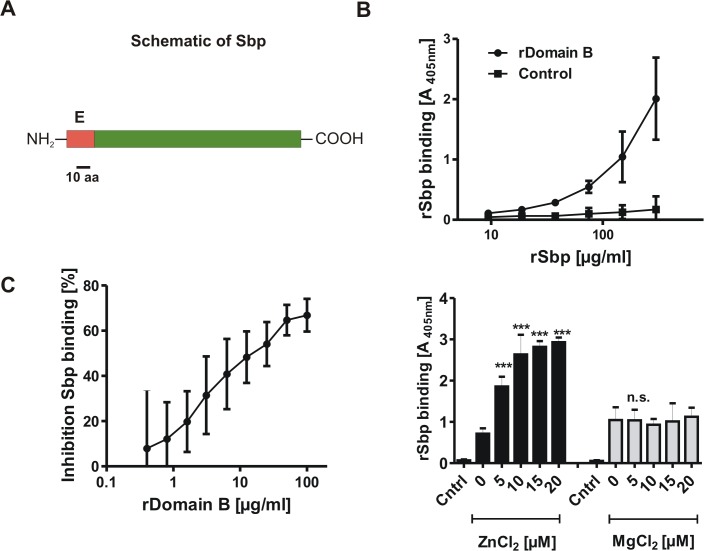
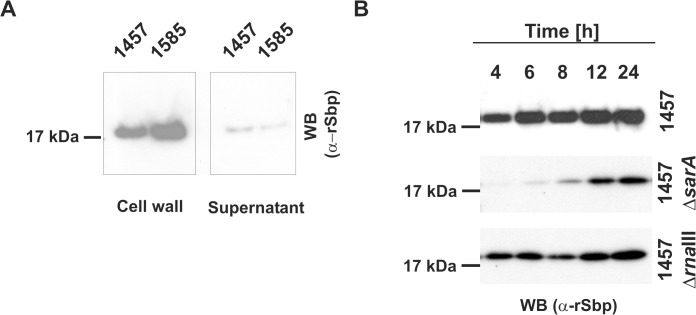
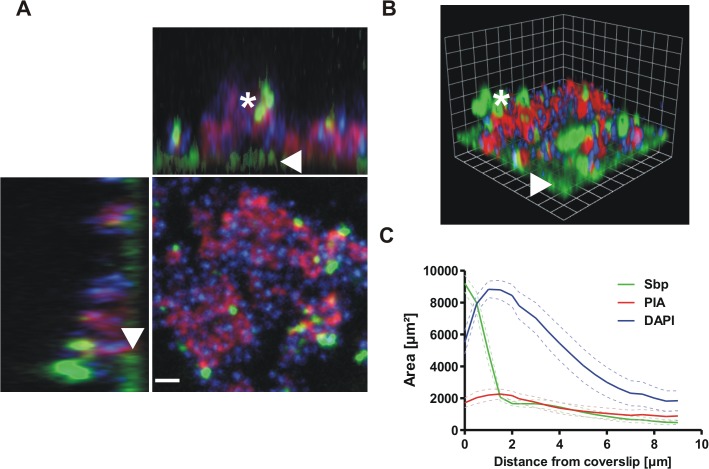
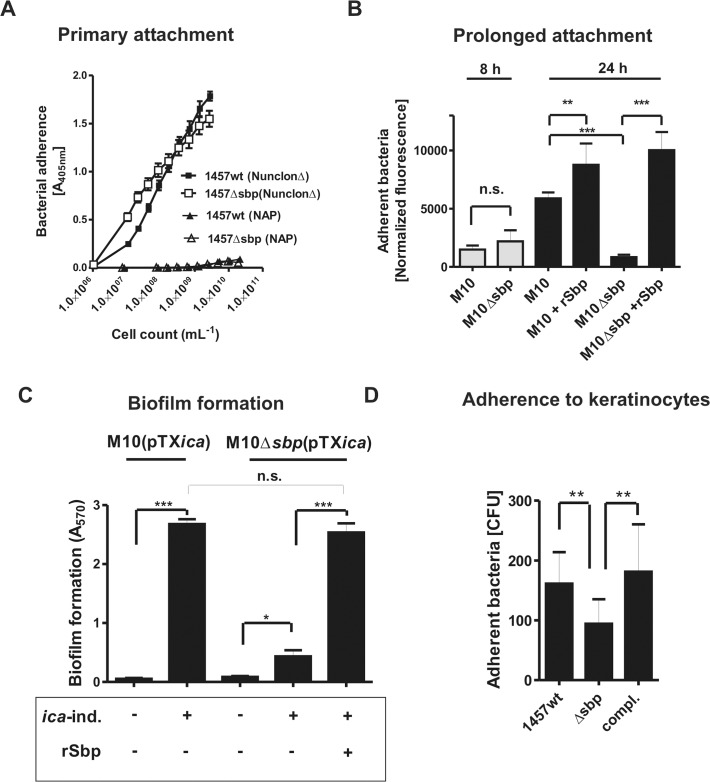
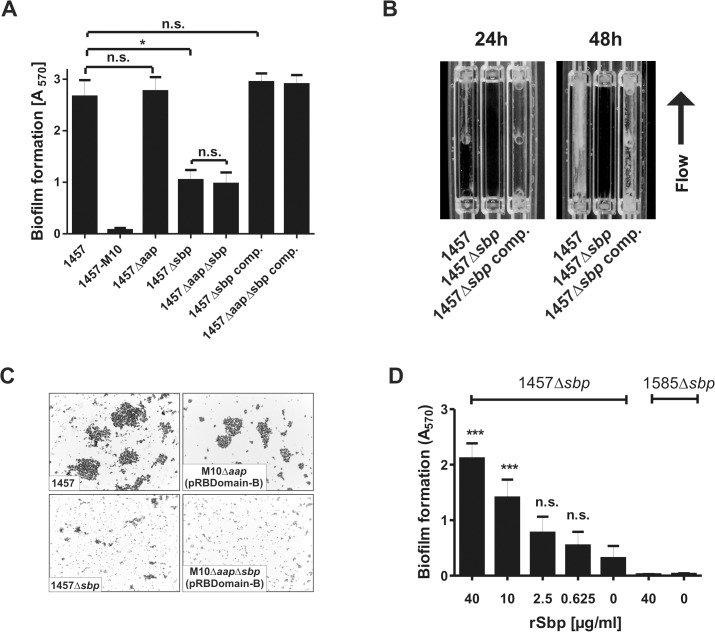
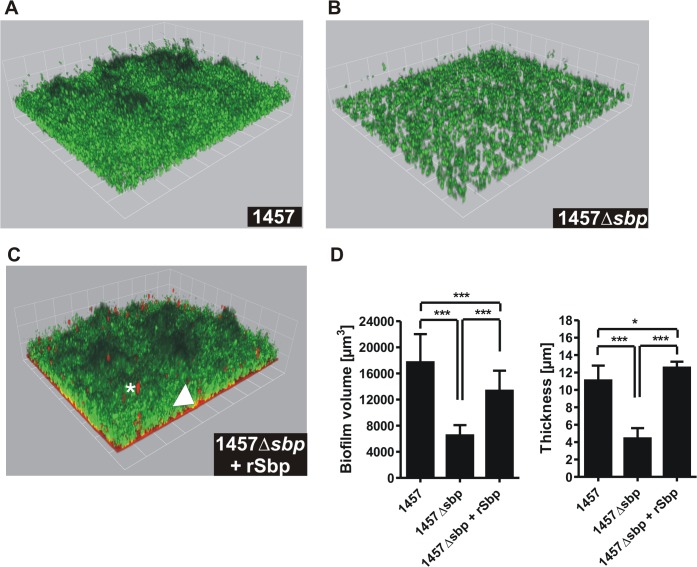
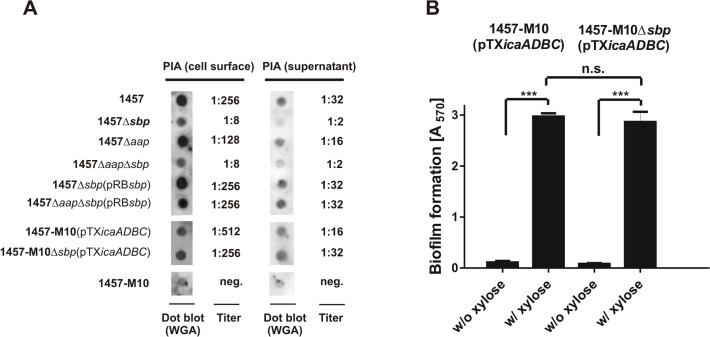
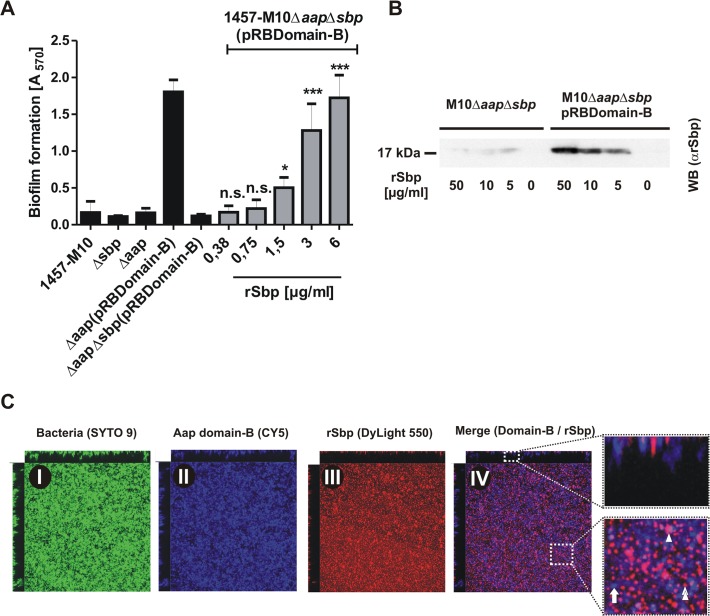
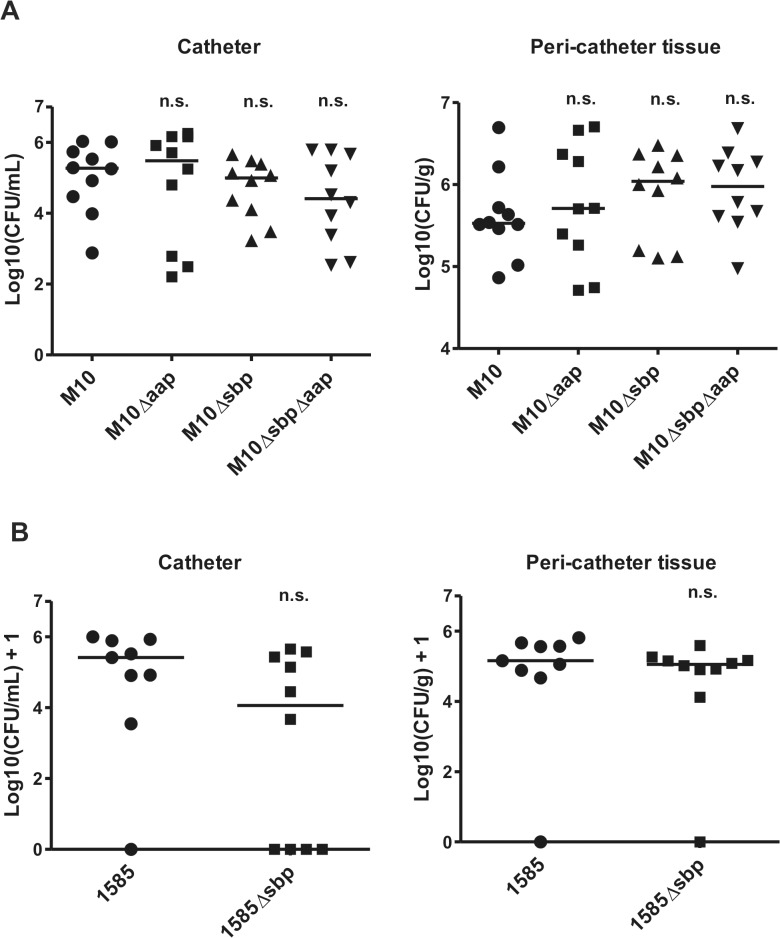
Virulence of the nosocomial pathogen Staphylococcus epidermidis is crucially linked to formation of adherent biofilms on artificial surfaces. Biofilm assembly is significantly fostered by production of a bacteria derived extracellular matrix. However, the matrix composition, spatial organization, and relevance of specific molecular interactions for integration of bacterial cells into the multilayered biofilm community are not fully understood. Here we report on the function of novel 18 kDa Small basic protein (Sbp) that was isolated from S. epidermidis biofilm matrix preparations by an affinity chromatographic approach. Sbp accumulates within the biofilm matrix, being preferentially deposited at the biofilm-substratum interface. Analysis of Sbp-negative S. epidermidis mutants demonstrated the importance of Sbp for sustained colonization of abiotic surfaces, but also epithelial cells. In addition, Sbp promotes assembly of S. epidermidis cell aggregates and establishment of multilayered biofilms by influencing polysaccharide intercellular-adhesin (PIA) and accumulation associated protein (Aap) mediated intercellular aggregation. While inactivation of Sbp indirectly resulted in reduced PIA-synthesis and biofilm formation, Sbp serves as an essential ligand during Aap domain-B mediated biofilm accumulation. Our data support the conclusion that Sbp serves as an S. epidermidis biofilm scaffold protein that significantly contributes to key steps of surface colonization. Sbp-negative S. epidermidis mutants showed no attenuated virulence in a mouse catheter infection model. Nevertheless, the high prevalence of sbp in commensal and invasive S. epidermidis populations suggests that Sbp plays a significant role as a co-factor during both multi-factorial commensal colonization and infection of artificial surfaces.
医院病原体表皮葡萄球菌的毒力与在人工表面形成附着性生物膜密切相关。细菌衍生的细胞外基质的产生显著促进了生物膜的组装。然而,基质组成、空间组织以及特定分子相互作用对细菌细胞整合到多层生物膜群落中的相关性尚未完全了解。在此,我们报告了一种新型18 kDa小碱性蛋白(Sbp)的功能,该蛋白通过亲和色谱法从表皮葡萄球菌生物膜基质制剂中分离得到。Sbp在生物膜基质中积累,优先沉积在生物膜 - 基质界面。对Sbp阴性的表皮葡萄球菌突变体的分析表明,Sbp对于非生物表面以及上皮细胞的持续定殖很重要。此外,Sbp通过影响多糖细胞间黏附素(PIA)和积累相关蛋白(Aap)介导的细胞间聚集,促进表皮葡萄球菌细胞聚集体的组装和多层生物膜的形成。虽然Sbp的失活间接导致PIA合成和生物膜形成减少,但Sbp在Aap结构域B介导的生物膜积累过程中作为必需配体发挥作用。我们的数据支持以下结论:Sbp作为表皮葡萄球菌生物膜支架蛋白,对表面定殖的关键步骤有显著贡献。Sbp阴性的表皮葡萄球菌突变体在小鼠导管感染模型中未表现出毒力减弱。然而,共生和侵袭性表皮葡萄球菌群体中sbp的高流行率表明,Sbp在多因素共生定殖和人工表面感染过程中作为辅助因子发挥重要作用。