Pathogen Molecular Genetics Section, Laboratory of Bacteriology, National Institute of Allergy and Infectious Diseases, U.S. National Institutes of Health, 50 South Drive, Bethesda, MD 20814, USA; Division of Hospital Internal Medicine, Department of Medicine, Mayo Clinic College of Medicine, 200 1st Street SW, Rochester, MN 55902, USA.
Pathogen Molecular Genetics Section, Laboratory of Bacteriology, National Institute of Allergy and Infectious Diseases, U.S. National Institutes of Health, 50 South Drive, Bethesda, MD 20814, USA.
J Mol Biol. 2019 Jul 26;431(16):3015-3027. doi: 10.1016/j.jmb.2019.03.030. Epub 2019 Apr 5.
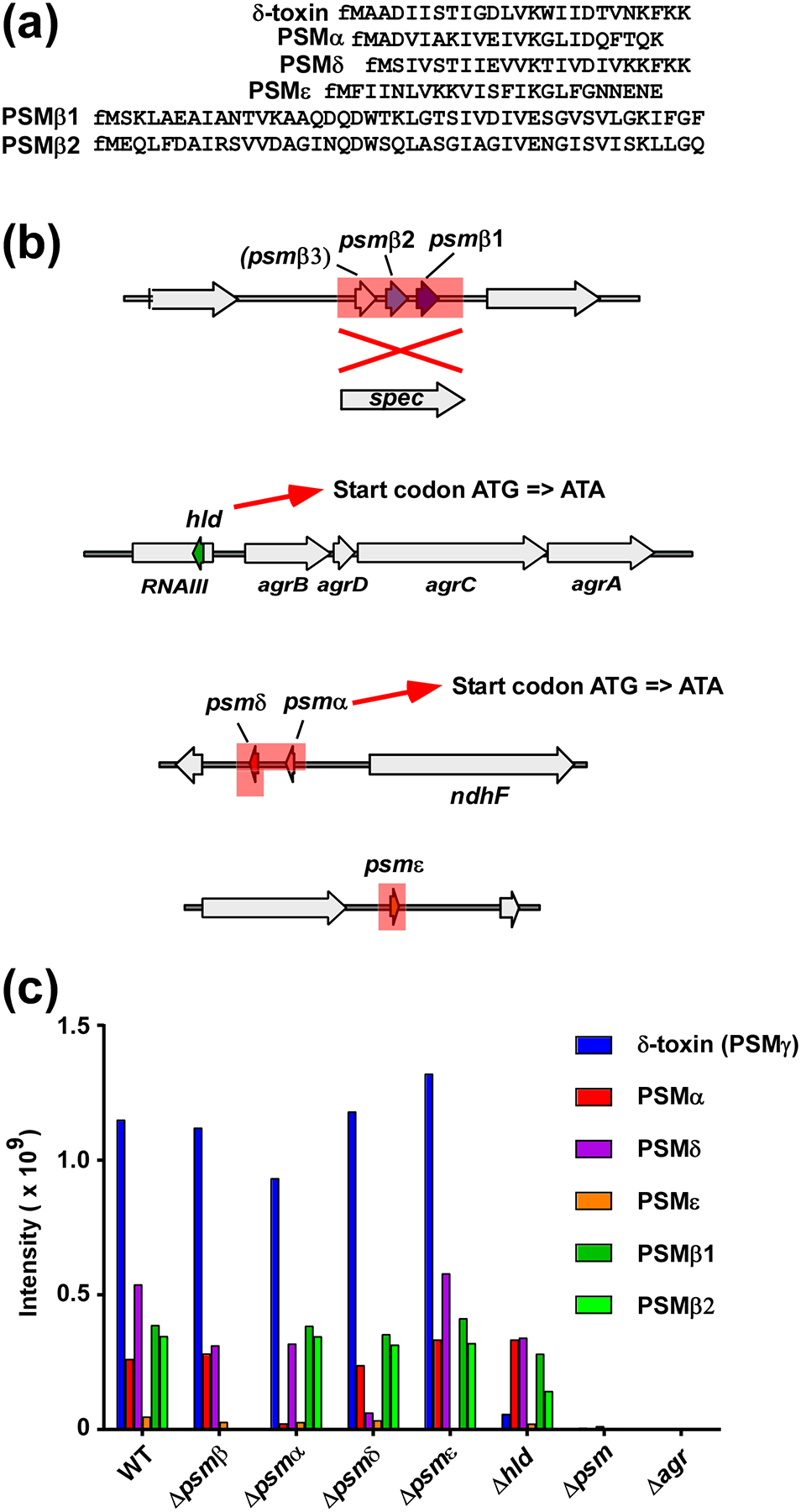
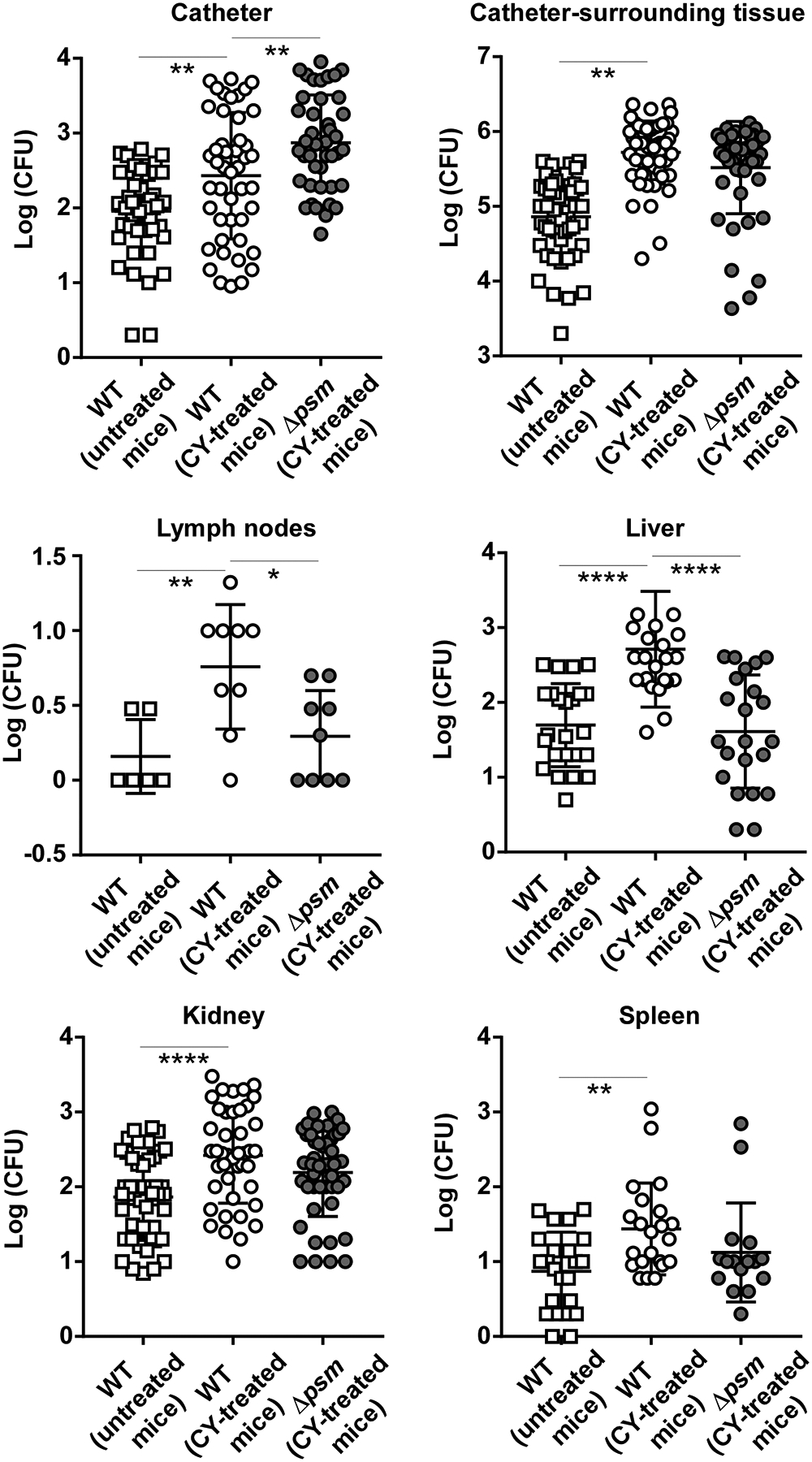
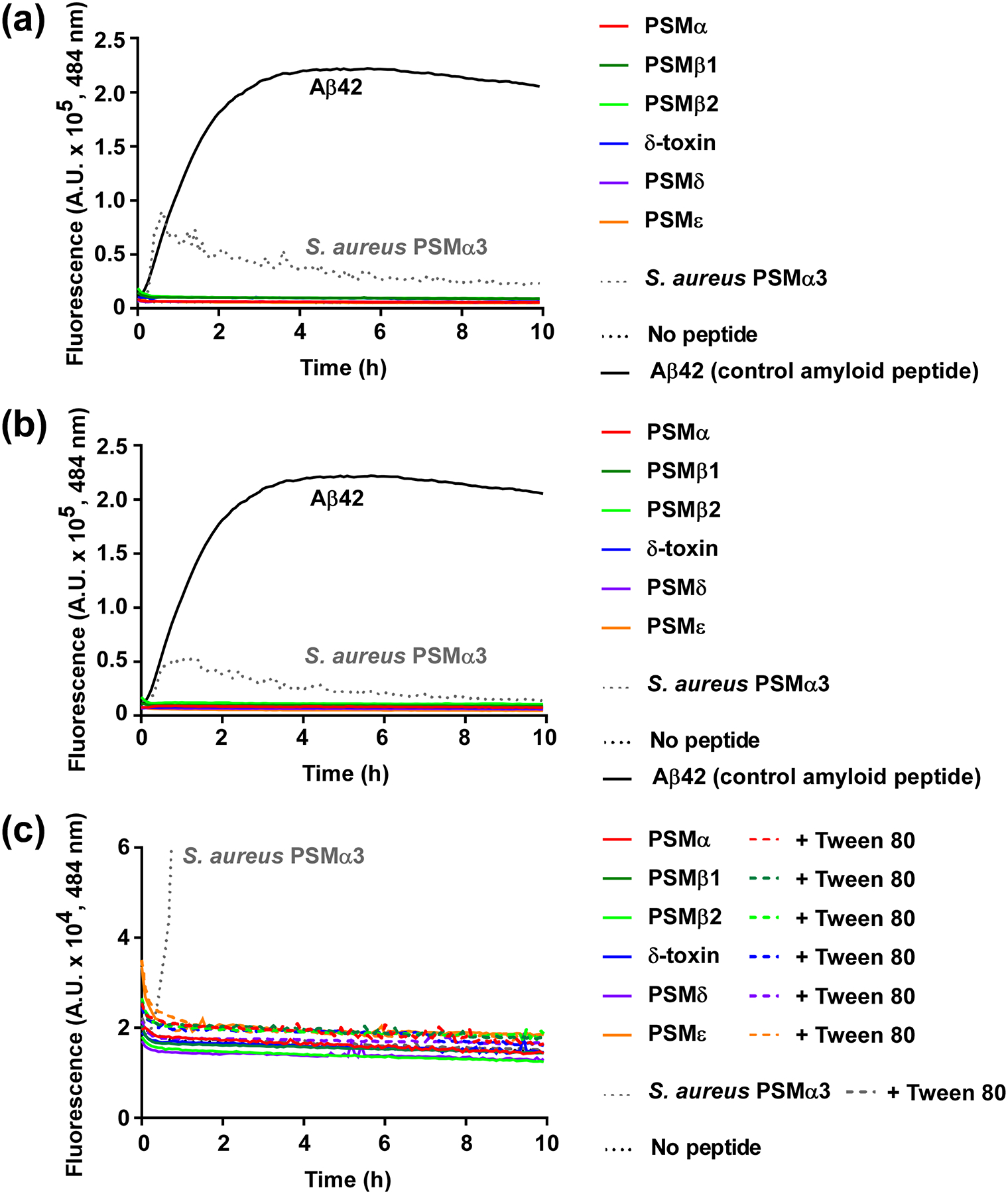
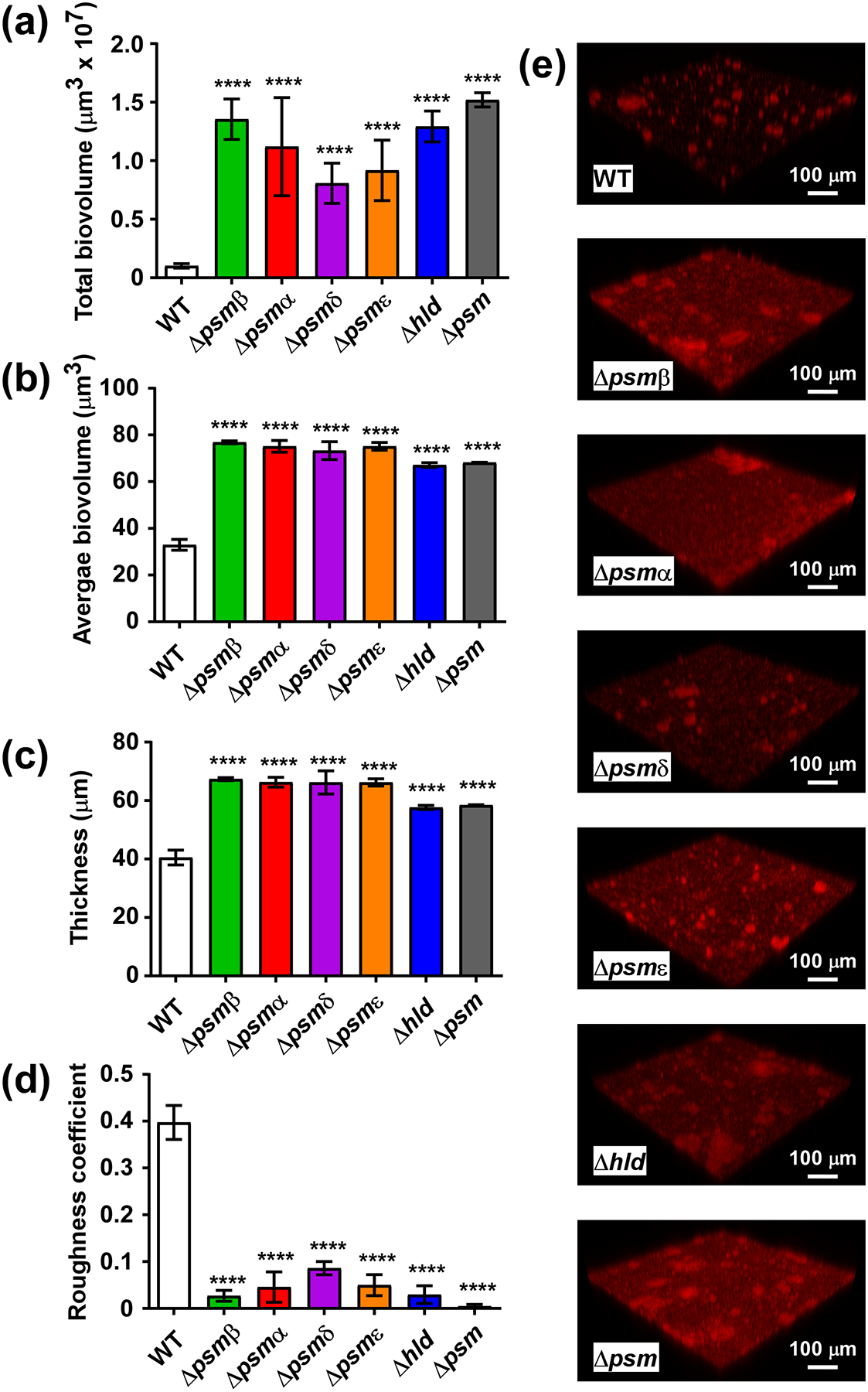
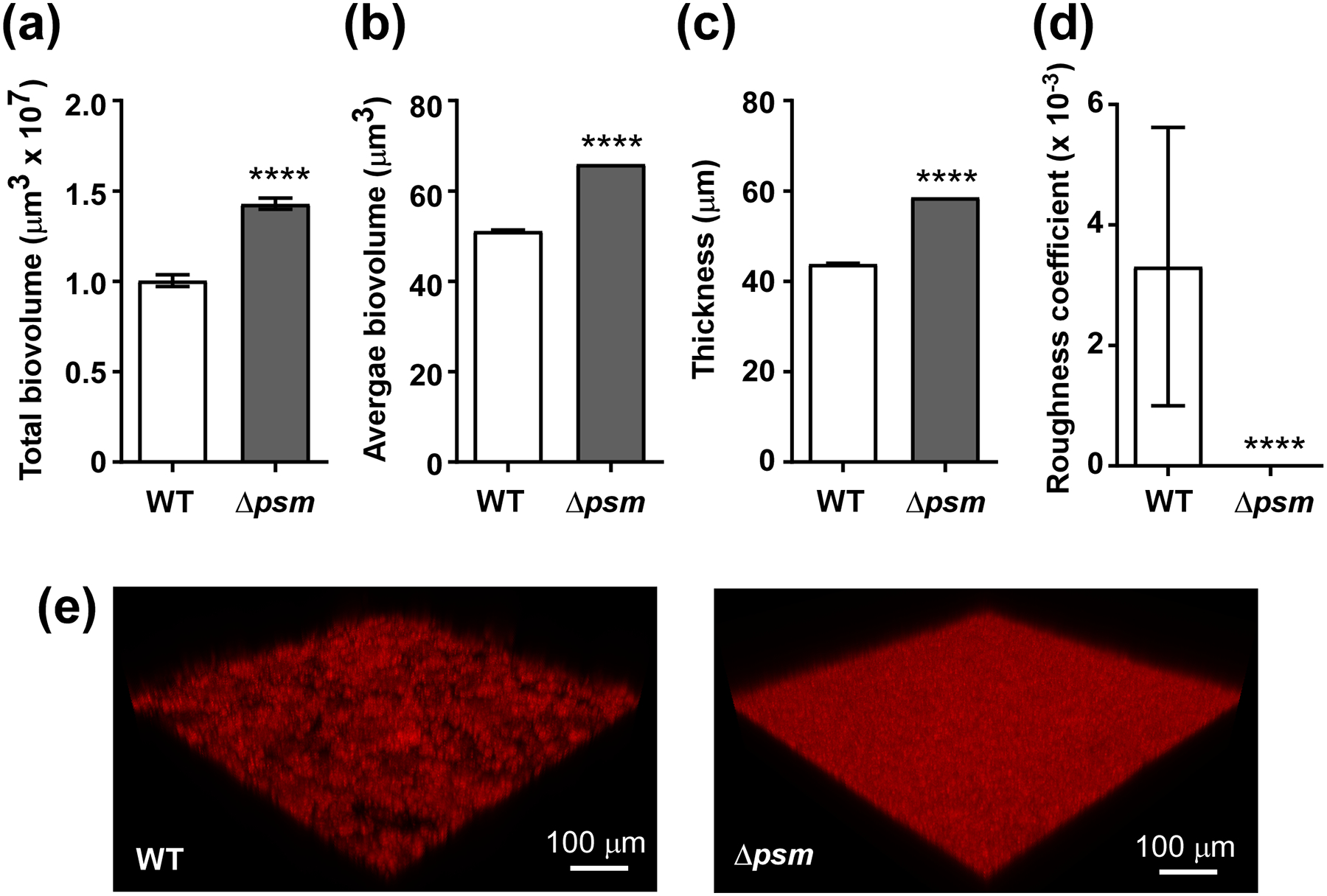
Phenol-soluble modulins (PSMs) are amphipathic, alpha-helical peptides that are secreted by staphylococci in high amounts in a quorum-sensing-controlled fashion. Studies performed predominantly in Staphylococcus aureus showed that PSMs structure biofilms, which results in reduced biofilm mass, while it has also been reported that S. aureus PSMs stabilize biofilms due to amyloid formation. We here analyzed the roles of PSMs in in vitro and in vivo biofilms of Staphylococcus epidermidis, the leading cause of indwelling device-associated biofilm infection. We produced isogenic deletion mutants for every S. epidermidis psm locus and a sequential deletion mutant in which production of all PSMs was abolished. In vitro analysis substantiated the role of all PSMs in biofilm structuring. PSM-dependent biofilm expansion was not observed, in accordance with our finding that no S. epidermidis PSM produced amyloids. In a mouse model of indwelling device-associated infection, the total psm deletion mutant had a significant defect in dissemination. Notably, the total psm mutant produced a significantly more substantial biofilm on the implanted catheter than the wild-type strain. Our study, which for the first time directly quantified the impact of PSMs on biofilm expansion on an implanted device, shows that the in vivo biofilm infection phenotype in S. epidermidis is in accordance with the PSM biofilm structuring and detachment model, which has important implications for the potential therapeutic application of quorum-sensing blockers.
酚溶性调节素(PSMs)是一种两亲性、α-螺旋肽,葡萄球菌以群体感应控制的方式大量分泌。主要在金黄色葡萄球菌中进行的研究表明,PSMs 构建生物膜,导致生物膜质量减少,而也有报道称金黄色葡萄球菌 PSMs 通过淀粉样蛋白形成稳定生物膜。我们在此分析了 PSMs 在表皮葡萄球菌体外和体内生物膜中的作用,表皮葡萄球菌是留置装置相关生物膜感染的主要原因。我们生产了每个表皮葡萄球菌 psm 基因座的同源缺失突变体和一个连续缺失突变体,该突变体完全消除了所有 PSM 的产生。体外分析证实了所有 PSMs 在生物膜结构中的作用。没有观察到 PSM 依赖的生物膜扩张,这与我们发现的表皮葡萄球菌没有任何 PSM 产生淀粉样蛋白的结果一致。在留置装置相关感染的小鼠模型中,总 psm 缺失突变体在传播方面存在明显缺陷。值得注意的是,总 psm 突变体在植入导管上产生的生物膜明显比野生型菌株更厚。我们的研究首次直接量化了 PSMs 对植入装置上生物膜扩张的影响,表明表皮葡萄球菌体内生物膜感染表型与 PSM 生物膜结构和脱落模型一致,这对群体感应阻断剂的潜在治疗应用具有重要意义。