Madsen H O, Hjorth J P
Nucleic Acids Res. 1985 Jan 11;13(1):1-13. doi: 10.1093/nar/13.1.1.
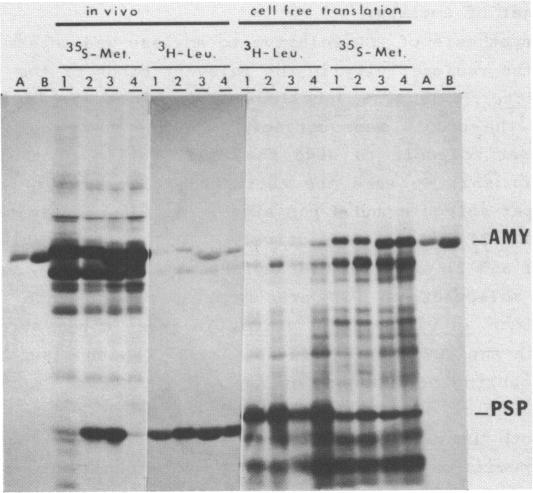
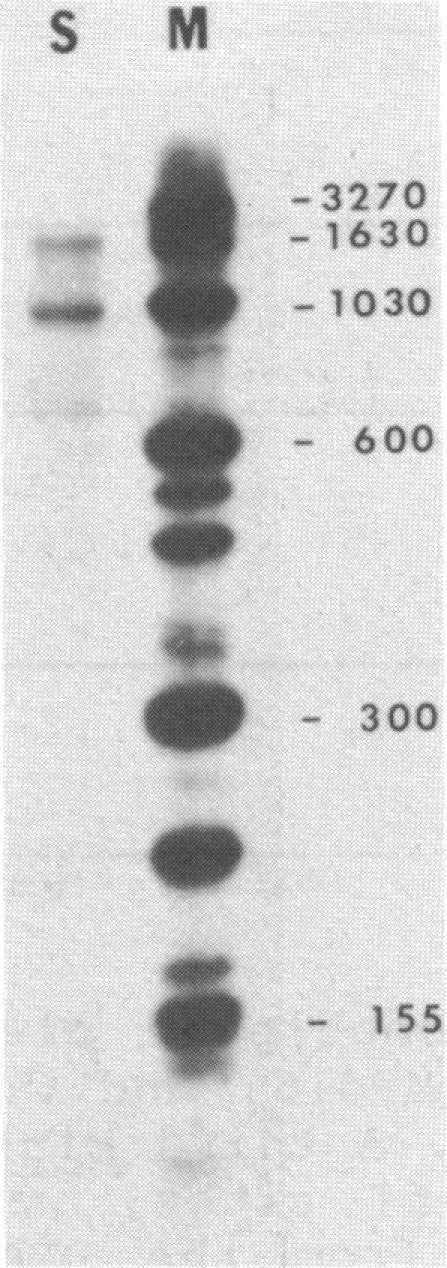
PSP is the most abundant translation product of mouse parotid glands where its production is co-ordinated with that of salivary amylase. The synthesis of these two proteins apparently is restricted to this tissue. In order to enable us to study common regulatory elements in the genes of the two proteins, double stranded cDNA, synthesized for parotid gland poly (A)+ RNA, was cloned. DNA sequencing of three clones complementary to the most abundant messenger indicated overlap and resulted in a total sequence of 867 nucleotides. Translation of this sequence revealed that at one end the amino acid sequence was the same as the N-terminal sequence of PSP. The sequence contains 60 nucleotides coding for part of or the complete signal peptide, 645 nucleotides coding for the PSP protein, and 162 nucleotides that apparently are not translated. Southern blot analysis suggests a simple structure for the PSP gene in mouse and man.
腮腺素(PSP)是小鼠腮腺中含量最丰富的翻译产物,其产生与唾液淀粉酶的产生相互协调。这两种蛋白质的合成显然仅限于该组织。为了能够研究这两种蛋白质基因中的共同调控元件,我们克隆了为腮腺多聚腺苷酸(poly (A)+)RNA合成的双链互补DNA(cDNA)。对与最丰富的信使RNA互补的三个克隆进行DNA测序,结果显示它们存在重叠,得到了一个867个核苷酸的总序列。对该序列进行翻译后发现,一端的氨基酸序列与PSP的N端序列相同。该序列包含60个编码部分或完整信号肽的核苷酸、645个编码PSP蛋白的核苷酸以及162个显然未被翻译的核苷酸。Southern印迹分析表明,小鼠和人类的PSP基因结构简单。