Kelly Claire L, Sünram-Lea Sandra I, Crawford Trevor J
Department of Psychology, Fylde College, Lancaster University, Lancaster, LA1 4YF, United Kingdom.
PLoS One. 2015 Mar 31;10(3):e0122218. doi: 10.1371/journal.pone.0122218. eCollection 2015.
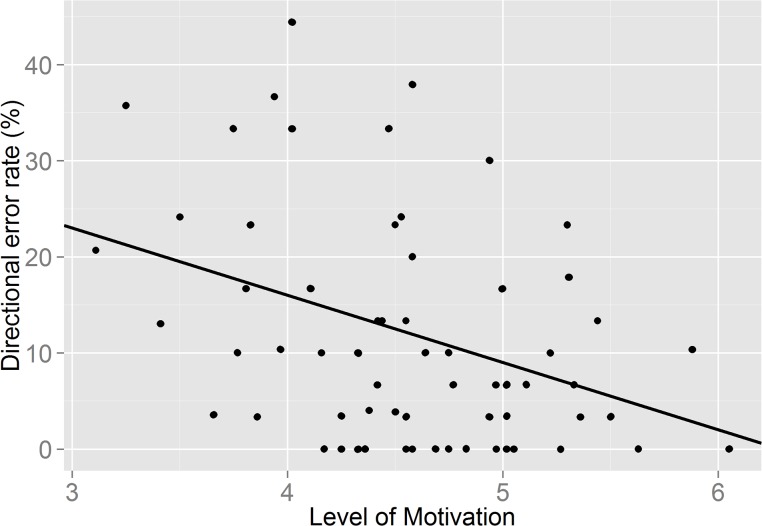
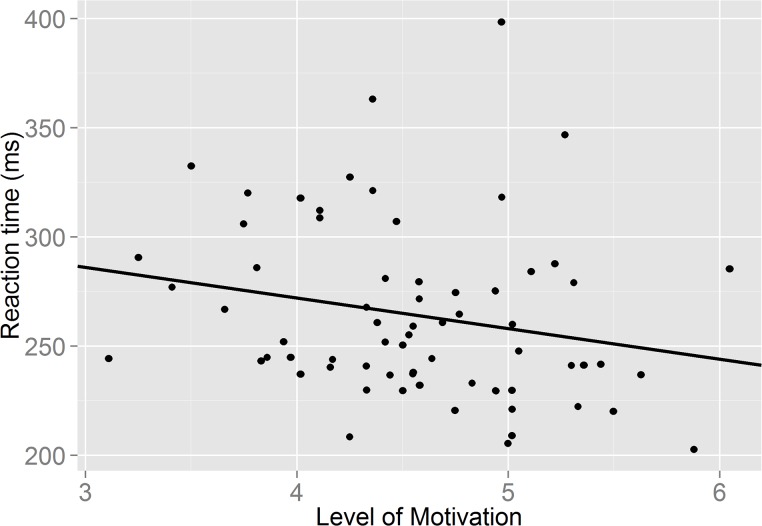
Research shows that self-control is resource limited and there is a gradual weakening in consecutive self-control task performance akin to muscle fatigue. A body of evidence suggests that the resource is glucose and consuming glucose reduces this effect. This study examined the effect of glucose on performance in the antisaccade task - which requires self-control through generating a voluntary eye movement away from a target - following self-control exertion in the Stroop task. The effects of motivation and individual differences in self-control were also explored. In a double-blind design, 67 young healthy adults received a 25g glucose or inert placebo drink. Glucose did not enhance antisaccade performance following self-control exertion in the Stroop task. Motivation however, predicted performance on the antisaccade task; more specifically high motivation ameliorated performance decrements observed after initial self-control exertion. In addition, individuals with high levels of self-control performed better on certain aspects of the antisaccade task after administration of a glucose drink. The results of this study suggest that the antisaccade task might be a powerful paradigm, which could be used as a more objective measure of self-control. Moreover, the results indicate that level of motivation and individual differences in self-control should be taken into account when investigating deficiencies in self-control following prior exertion.
研究表明,自我控制是受资源限制的,并且在连续的自我控制任务表现中会逐渐减弱,类似于肌肉疲劳。大量证据表明,这种资源是葡萄糖,摄入葡萄糖可减少这种影响。本研究考察了葡萄糖对反眼跳任务表现的影响——该任务需要通过产生远离目标的自主眼球运动来进行自我控制——在斯特鲁普任务中进行自我控制之后。同时还探讨了动机和自我控制方面个体差异的影响。在一项双盲设计中,67名年轻健康成年人饮用了25克葡萄糖饮料或无活性安慰剂饮料。在斯特鲁普任务中进行自我控制后,葡萄糖并没有提高反眼跳任务的表现。然而,动机预测了反眼跳任务的表现;更具体地说,高动机改善了在最初进行自我控制后观察到的表现下降。此外,在饮用葡萄糖饮料后,自我控制水平高的个体在反眼跳任务的某些方面表现得更好。本研究结果表明,反眼跳任务可能是一个有力的范式,可作为一种更客观的自我控制测量方法。此外,结果表明,在研究先前自我控制后出现的自我控制缺陷时,应考虑动机水平和自我控制方面的个体差异。