Sbarra David A
From the Department of Psychology, University of Arizona, Tucson, Arizona.
Psychosom Med. 2015 Apr;77(3):227-36. doi: 10.1097/PSY.0000000000000168.
Social relationships play a vital role in health and well-being, and it follows that loss experiences can be highly stressful for some people. This article reviews what is known about the association between marital separation, divorce, and health outcomes.
Key findings in the area of divorce and health are discussed, and the review outlines a series of specific questions for future research. In particular, the article integrates research in social epidemiology with research in social psychophysiology. The former approach provides a broad-based estimate of the association between marital status and health outcomes, whereas the latter approach studies mechanisms of action and individual differences associated with increased risk for poor outcomes.
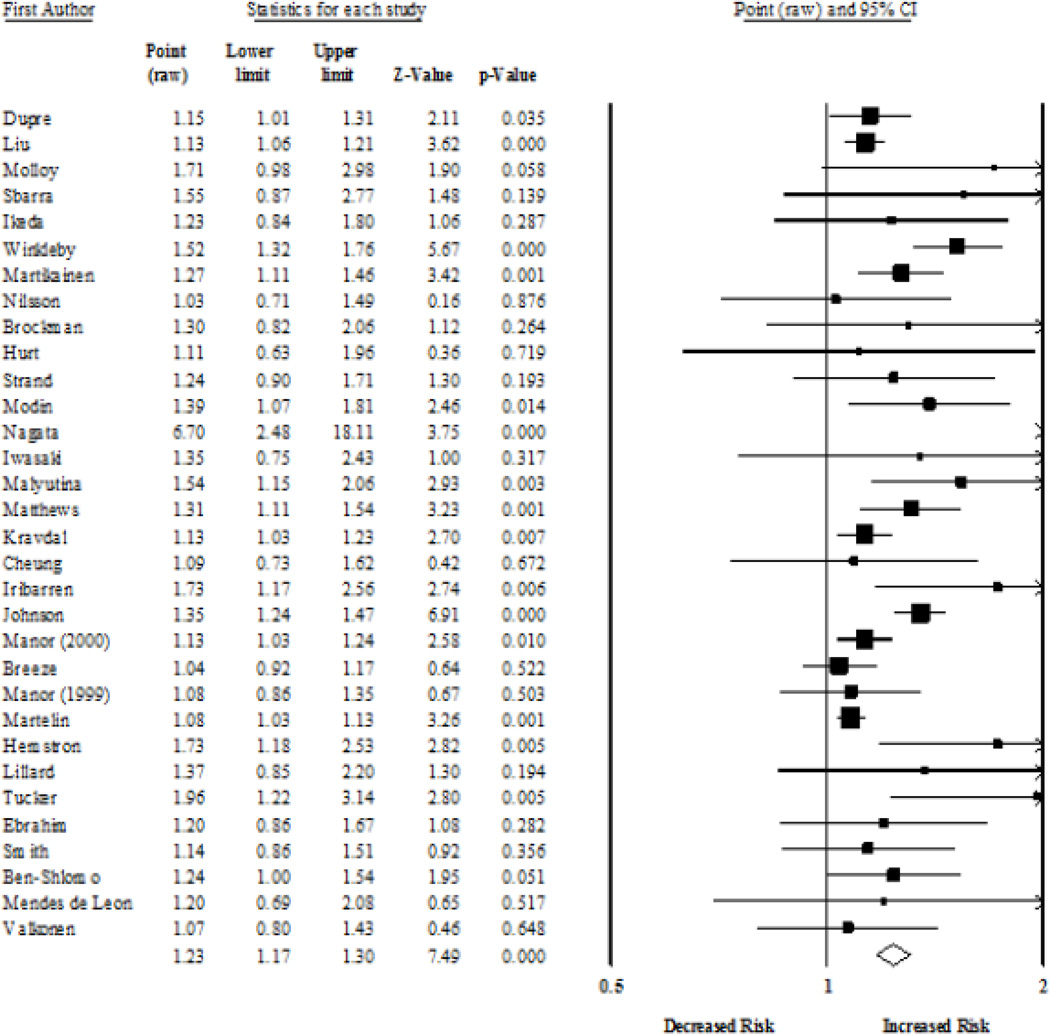
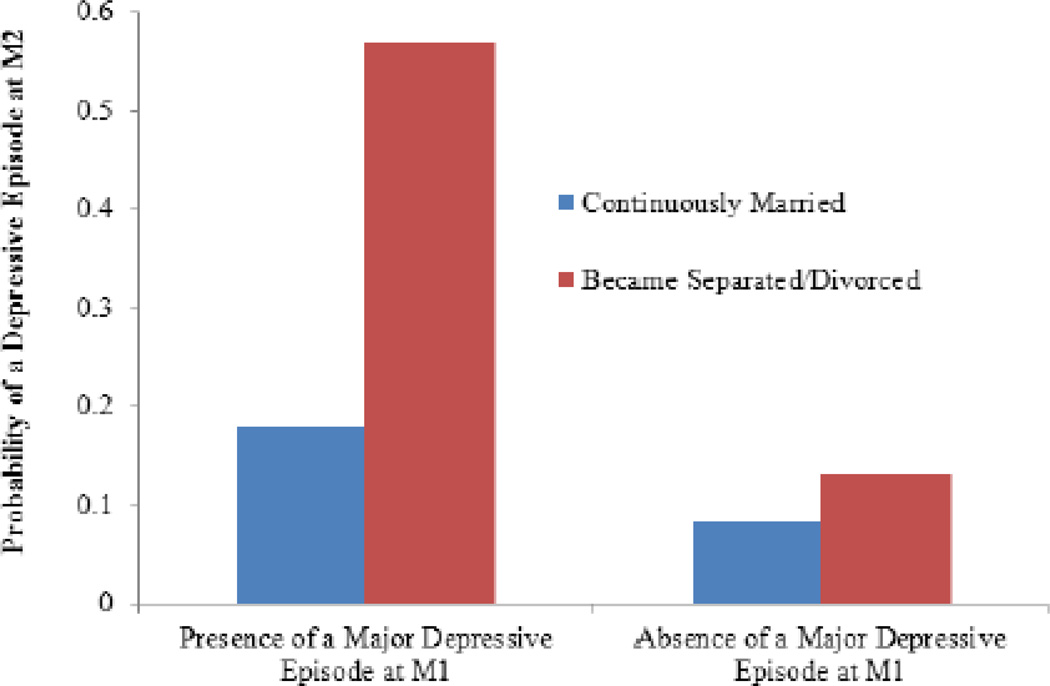
The experience of separation or divorce confers risk for poor health outcomes, including a 23% higher mortality rate. However, most people cope well and are resilient after their marriage or long-term relationship ends. Despite the fact that resilience is the most common response, a small percentage of people (approximately 10%-15%) struggle quite substantially, and it seems that the overall elevated adverse health risks are driven by the poor functioning of this group. Several candidate mechanisms and novel (ambulatory) assessment techniques that may elucidate the poor outcomes among people who adapt poorly to separation are discussed.
To increase knowledge on the association between divorce and health, three primary areas require more research: a) genetic and third variable explanations for divorce-related health outcomes, (b) better studies of objective social behavior after separation, and (c) increased attention to interventions targeting high-risk adults.
社会关系在健康和幸福中起着至关重要的作用,因此,失去某些关系的经历对一些人来说可能会造成极大的压力。本文综述了关于婚姻分居、离婚与健康结果之间关联的已知情况。
讨论了离婚与健康领域的主要研究发现,该综述还概述了一系列未来研究的具体问题。特别是,本文将社会流行病学研究与社会心理生理学研究相结合。前一种方法提供了婚姻状况与健康结果之间关联的广泛估计,而后一种方法则研究了与不良结果风险增加相关的作用机制和个体差异。
分居或离婚的经历会带来健康状况不佳的风险,包括死亡率高出23%。然而,大多数人在婚姻或长期关系结束后能够很好地应对并恢复适应能力。尽管恢复适应能力是最常见的反应,但仍有一小部分人(约10%-15%)挣扎得相当厉害,而且总体上不良健康风险的增加似乎是由这一群体的功能不良所驱动的。文中讨论了几种可能阐明适应分居不佳者不良结果的候选机制和新的(动态)评估技术。
为了增加对离婚与健康之间关联的了解,三个主要领域需要更多研究:a)对离婚相关健康结果的遗传和第三变量解释,b)对分居后客观社会行为的更好研究,以及c)更多关注针对高危成年人的干预措施。