Applied Molecular Bioscience, Graduate School of Medicine, Yamaguchi University, Ube, 755-8505 Japan.
Department of Microbiology, Faculty of Science, Kasetsart University, Bangkok, 10900 Thailand.
Biotechnol Biofuels. 2015 Mar 18;8:47. doi: 10.1186/s13068-015-0227-x. eCollection 2015.
High-temperature fermentation technology with thermotolerant microbes has been expected to reduce the cost of bioconversion of cellulosic biomass to fuels or chemicals. Thermotolerant Kluyveromyces marxianus possesses intrinsic abilities to ferment and assimilate a wide variety of substrates including xylose and to efficiently produce proteins. These capabilities have been found to exceed those of the traditional ethanol producer Saccharomyces cerevisiae or lignocellulose-bioconvertible ethanologenic Scheffersomyces stipitis.
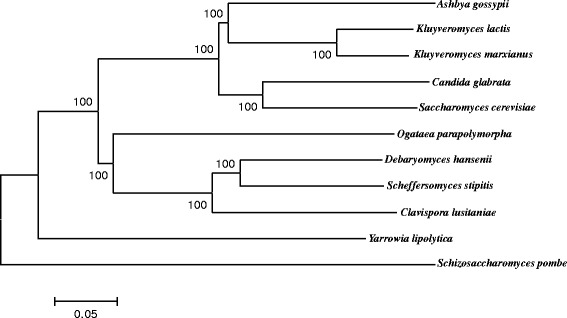
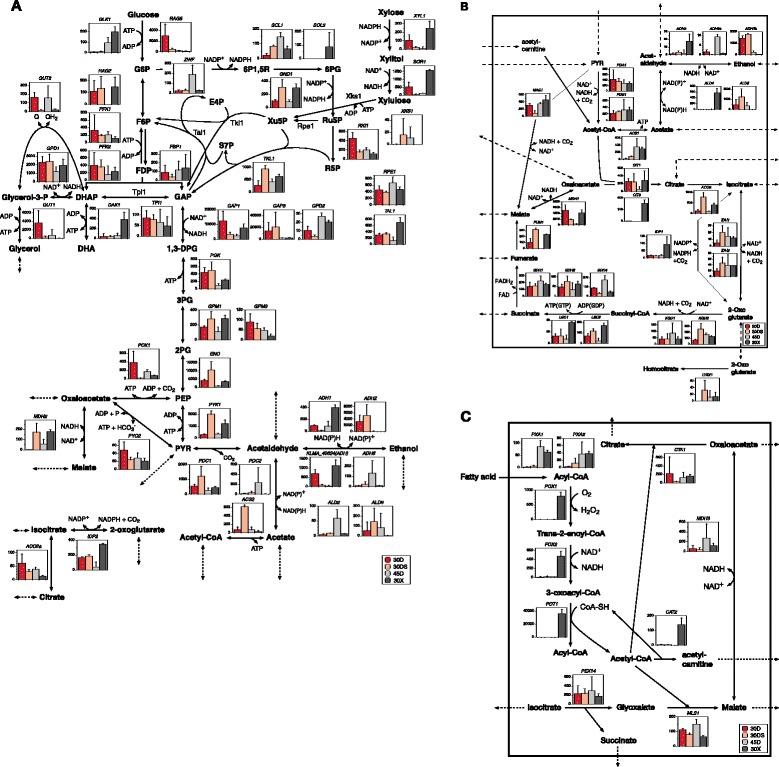
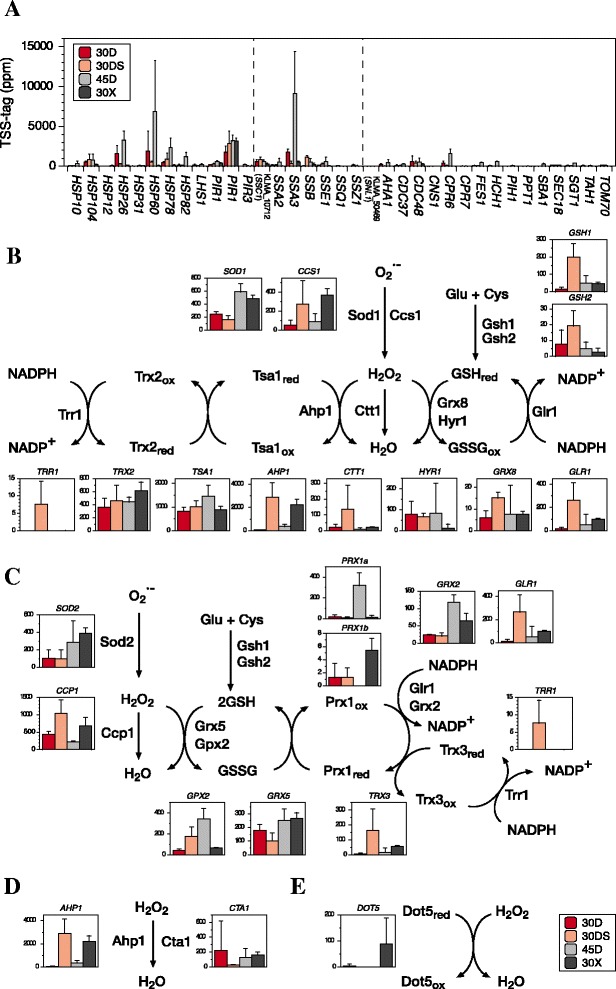
The complete genome sequence of K. marxianus DMKU 3-1042 as one of the most thermotolerant strains in the same species has been determined. A comparison of its genomic information with those of other yeasts and transcriptome analysis revealed that the yeast bears beneficial properties of temperature resistance, wide-range bioconversion ability, and production of recombinant proteins. The transcriptome analysis clarified distinctive metabolic pathways under three different growth conditions, static culture, high temperature, and xylose medium, in comparison to the control condition of glucose medium under a shaking condition at 30°C. Interestingly, the yeast appears to overcome the issue of reactive oxygen species, which tend to accumulate under all three conditions.
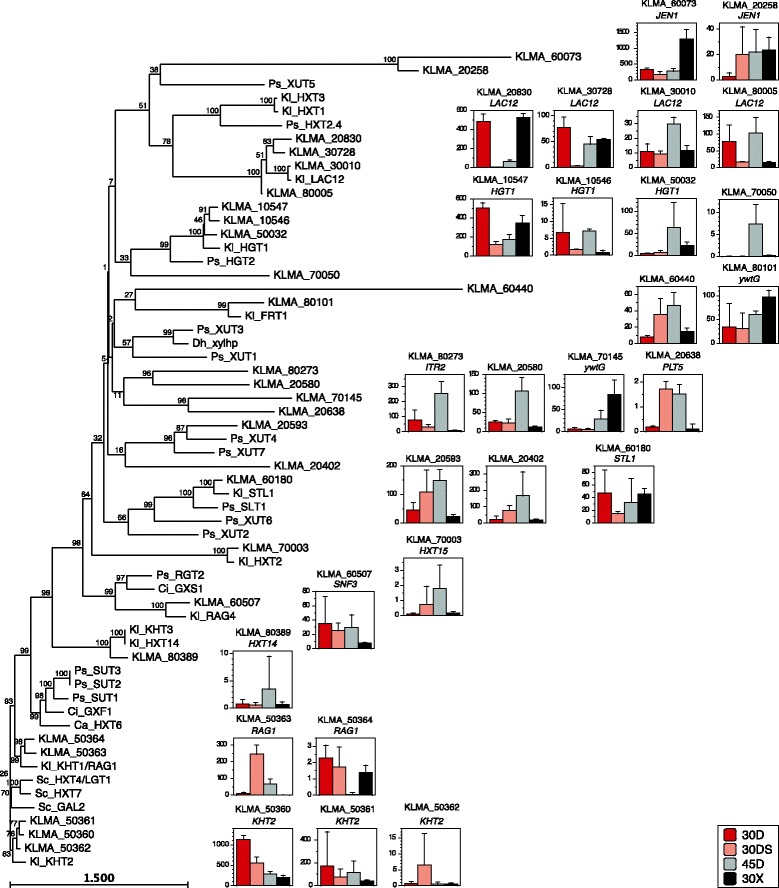
This study reveals many gene resources for the ability to assimilate various sugars in addition to species-specific genes in K. marxianus, and the molecular basis of its attractive traits for industrial applications including high-temperature fermentation. Especially, the thermotolerance trait may be achieved by an integrated mechanism consisting of various strategies. Gene resources and transcriptome data of the yeast are particularly useful for fundamental and applied researches for innovative applications.
利用耐热微生物进行高温发酵技术有望降低纤维素生物质转化为燃料或化学品的成本。耐热克鲁维酵母(Kluyveromyces marxianus)具有内在的发酵和同化各种基质(包括木糖)的能力,并能有效地生产蛋白质。这些能力已被发现超过了传统的乙醇生产者酿酒酵母(Saccharomyces cerevisiae)或木质纤维素可转化的乙醇生产菌产朊假丝酵母(Scheffersomyces stipitis)。
已确定耐热性最强的克鲁维酵母 DMKU 3-1042 菌株的完整基因组序列。将其基因组信息与其他酵母进行比较,并进行转录组分析,结果表明该酵母具有耐热性、广泛的生物转化能力和生产重组蛋白的有益特性。与在 30°C 下摇动的葡萄糖培养基的对照条件相比,转录组分析阐明了在静态培养、高温和木糖培养基这三种不同生长条件下的独特代谢途径。有趣的是,与所有三种条件下都容易积累的活性氧相比,该酵母似乎克服了活性氧积累的问题。
本研究揭示了除了克鲁维酵母特有的基因外,还揭示了许多能够同化各种糖的基因资源,以及该酵母在高温发酵等工业应用中具有吸引力的特性的分子基础。特别是耐热性特征可能是通过各种策略的综合机制实现的。该酵母的基因资源和转录组数据对于基础和应用研究以及创新应用特别有用。