Cheng Yunqing, Liu Jianfeng, Zhang Huidi, Wang Ju, Zhao Yixin, Geng Wanting
College of Life Sciences, Jilin Normal University, Siping, Jilin Province 136000, China.
PLoS One. 2015 Apr 2;10(4):e0122072. doi: 10.1371/journal.pone.0122072. eCollection 2015.
A high ratio of blank fruit in hazelnut (Corylus heterophylla Fisch) is a very common phenomenon that causes serious yield losses in northeast China. The development of blank fruit in the Corylus genus is known to be associated with embryo abortion. However, little is known about the molecular mechanisms responsible for embryo abortion during the nut development stage. Genomic information for C. heterophylla Fisch is not available; therefore, data related to transcriptome and gene expression profiling of developing and abortive ovules are needed.
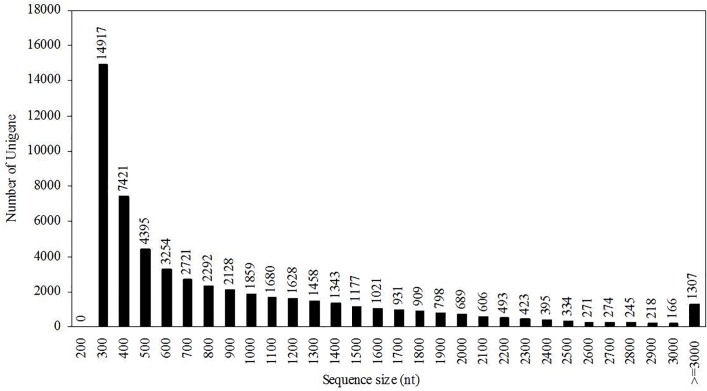
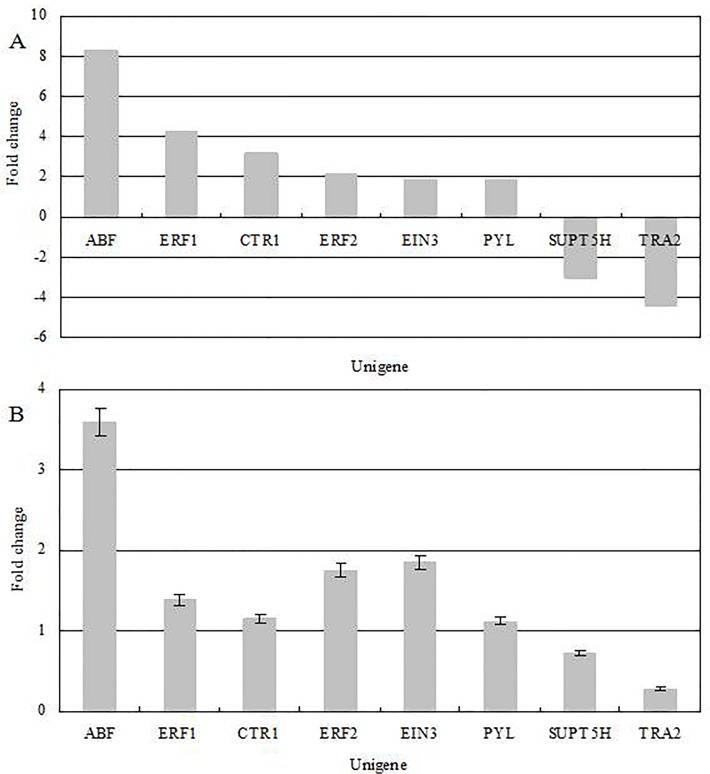
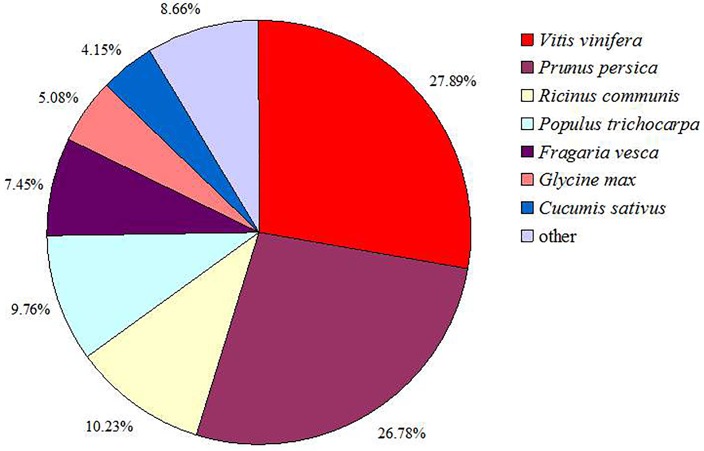
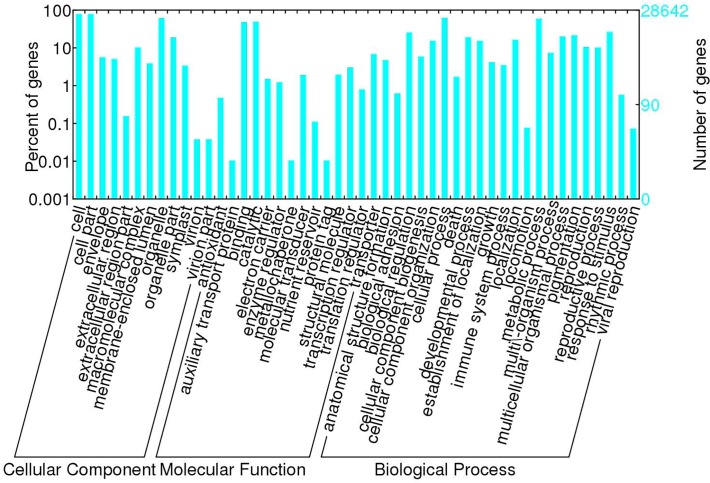
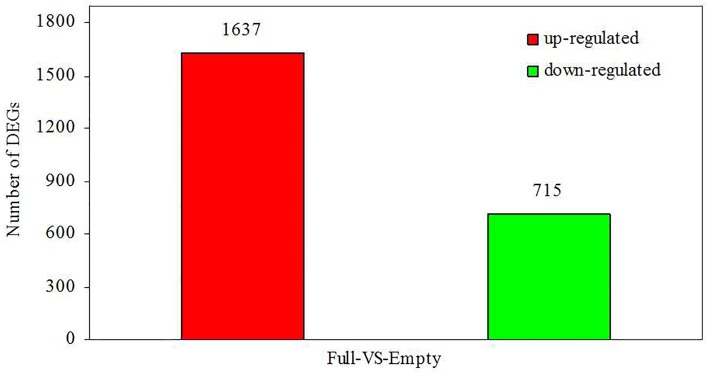
METHODOLOGY/PRINCIPAL FINDINGS: In this study, de novo transcriptome sequencing and RNA-seq analysis were conducted using short-read sequencing technology (Illumina HiSeq 2000). The results of the transcriptome assembly analysis revealed genetic information that was associated with the fruit development stage. Two digital gene expression libraries were constructed, one for a full (normally developing) ovule and one for an empty (abortive) ovule. Transcriptome sequencing and assembly results revealed 55,353 unigenes, including 18,751 clusters and 36,602 singletons. These results were annotated using the public databases NR, NT, Swiss-Prot, KEGG, COG, and GO. Using digital gene expression profiling, gene expression differences in developing and abortive ovules were identified. A total of 1,637 and 715 unigenes were significantly upregulated and downregulated, respectively, in abortive ovules, compared with developing ovules. Quantitative real-time polymerase chain reaction analysis was used in order to verify the differential expression of some genes.
CONCLUSIONS/SIGNIFICANCE: The transcriptome and digital gene expression profiling data of normally developing and abortive ovules in hazelnut provide exhaustive information that will improve our understanding of the molecular mechanisms of abortive ovule formation in hazelnut.
榛子(平榛)空壳率高是中国东北地区极为常见的现象,导致严重的产量损失。已知榛属空壳果实的形成与胚胎败育有关。然而,关于坚果发育阶段胚胎败育的分子机制却知之甚少。目前尚无平榛的基因组信息,因此需要有关发育中和败育胚珠的转录组及基因表达谱的数据。
方法/主要发现:本研究采用短读测序技术(Illumina HiSeq 2000)进行了从头转录组测序和RNA测序分析。转录组组装分析结果揭示了与果实发育阶段相关的遗传信息。构建了两个数字基因表达文库,一个用于完整(正常发育)胚珠,另一个用于空(败育)胚珠。转录组测序和组装结果显示有55,353个单基因,包括18,751个聚类和36,602个单例。这些结果使用公共数据库NR、NT、Swiss-Prot、KEGG、COG和GO进行注释。通过数字基因表达谱分析,确定了发育中和败育胚珠中的基因表达差异。与发育中的胚珠相比,败育胚珠中分别有1,637个和715个单基因显著上调和下调。使用定量实时聚合酶链反应分析来验证一些基因的差异表达。
结论/意义:榛子正常发育和败育胚珠的转录组及数字基因表达谱数据提供了详尽的信息,将增进我们对榛子败育胚珠形成分子机制的理解。