Biedroń Rafał, Konopiński Maciej K, Marcinkiewicz Janusz, Józefowski Szczepan
Department of Immunology, Jagiellonian University Medical College, Cracow, Poland.
Institute of Nature Conservation, Polish Academy of Sciences, Cracow, Poland.
PLoS One. 2015 Apr 7;10(4):e0123293. doi: 10.1371/journal.pone.0123293. eCollection 2015.
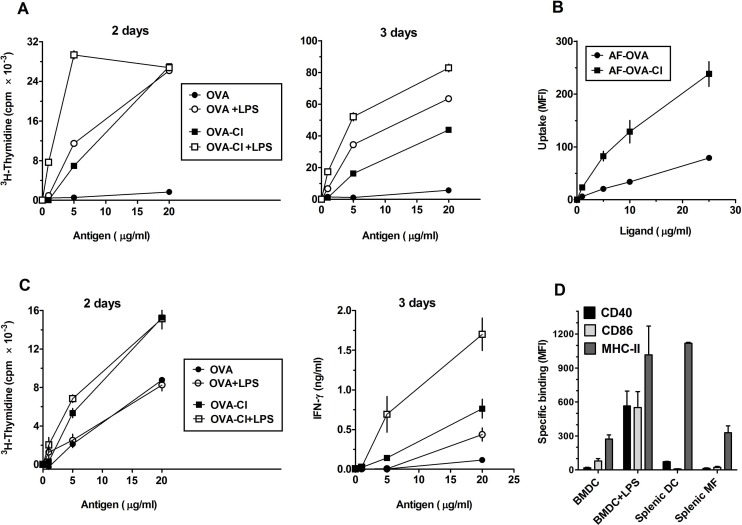
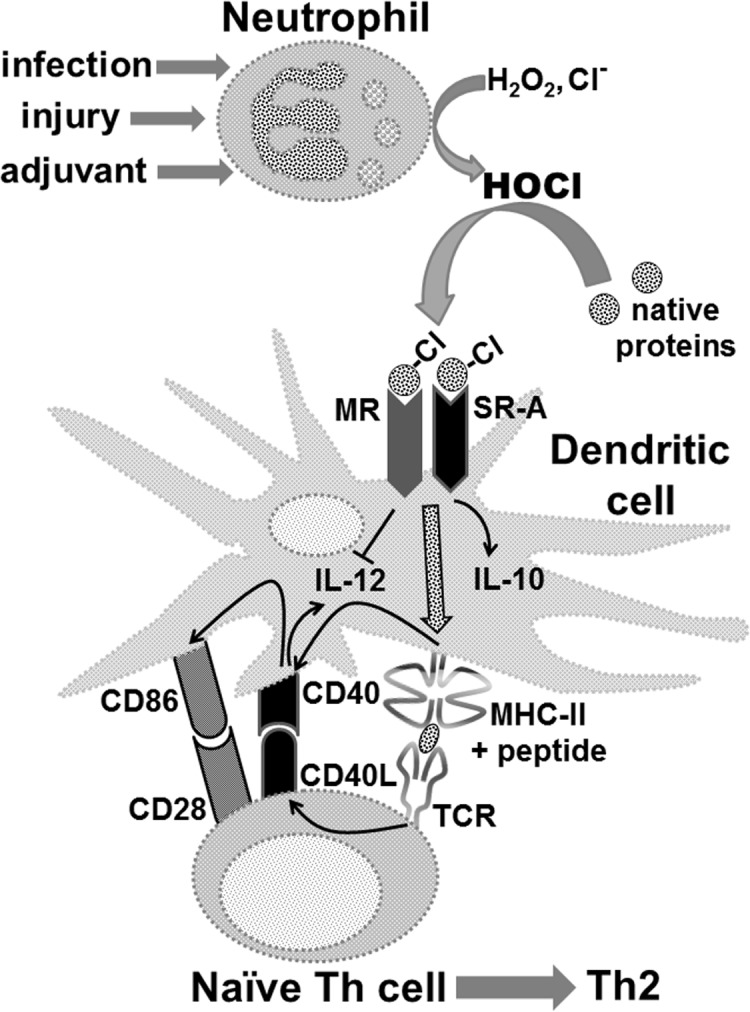
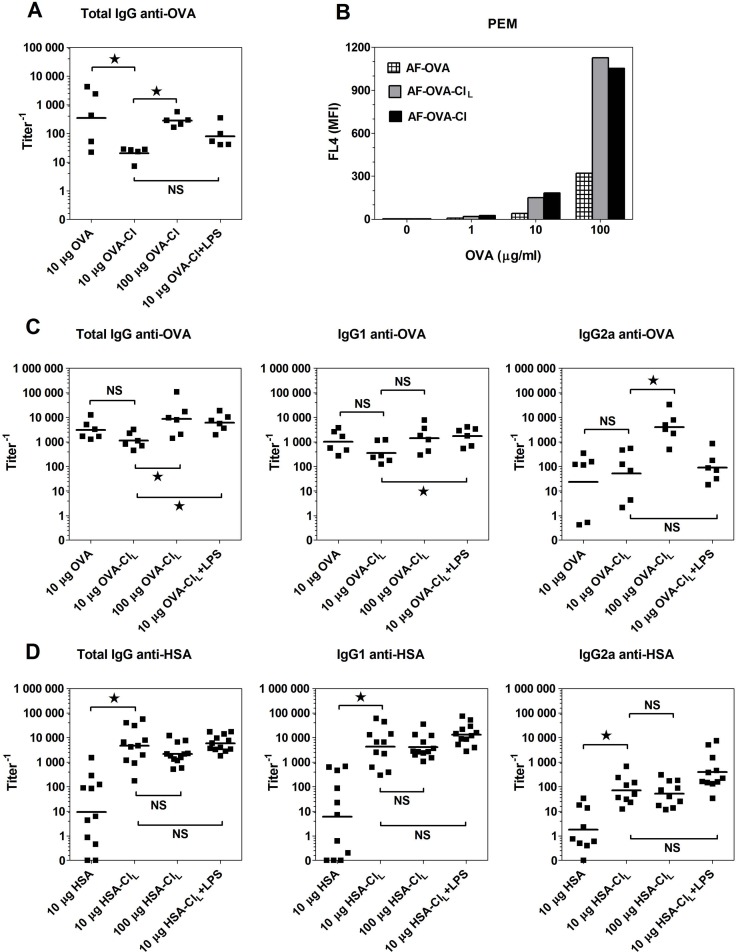
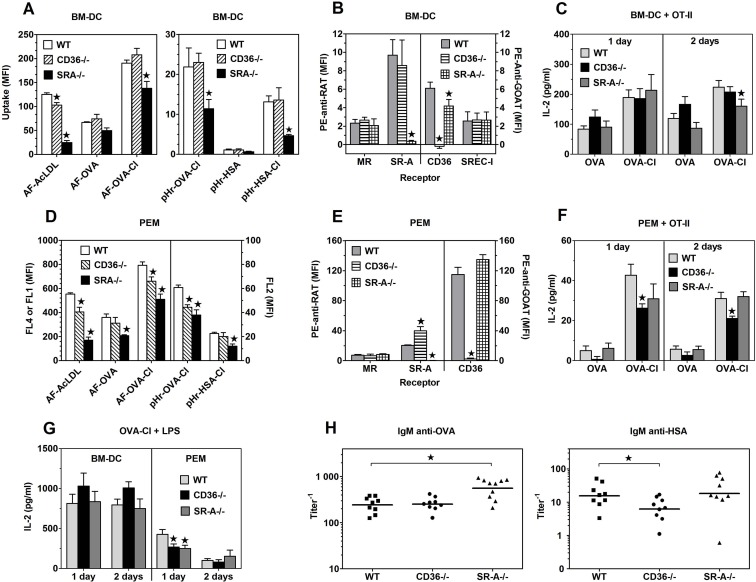
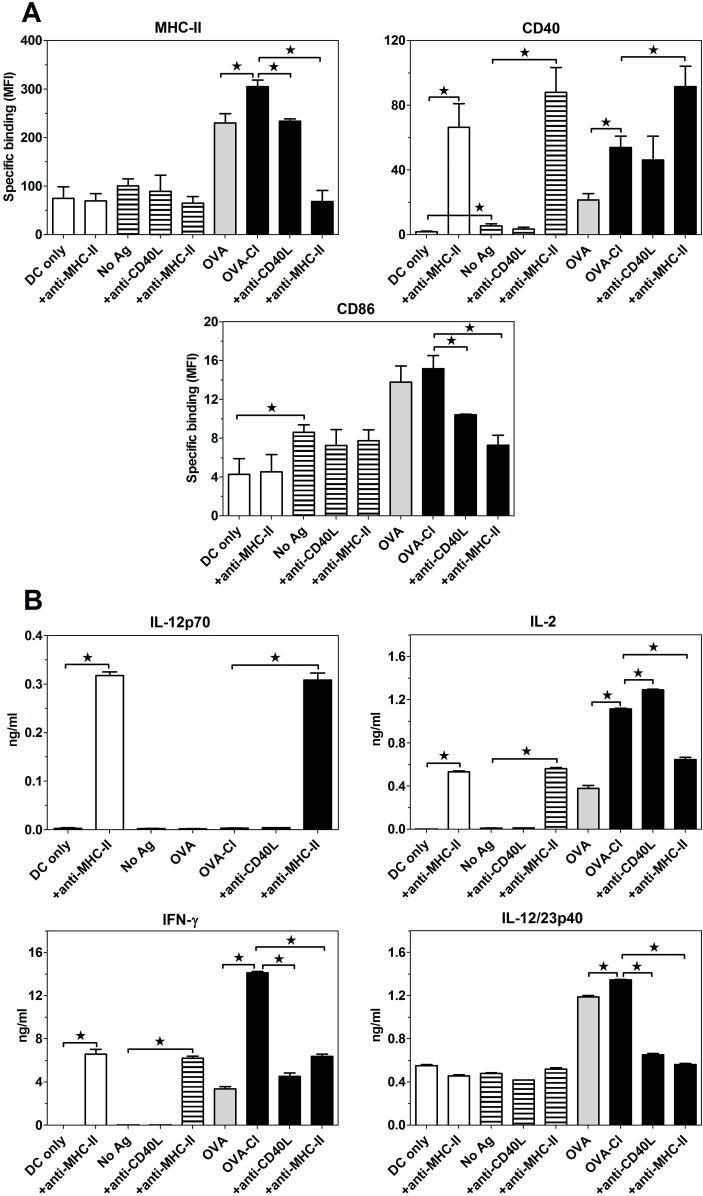
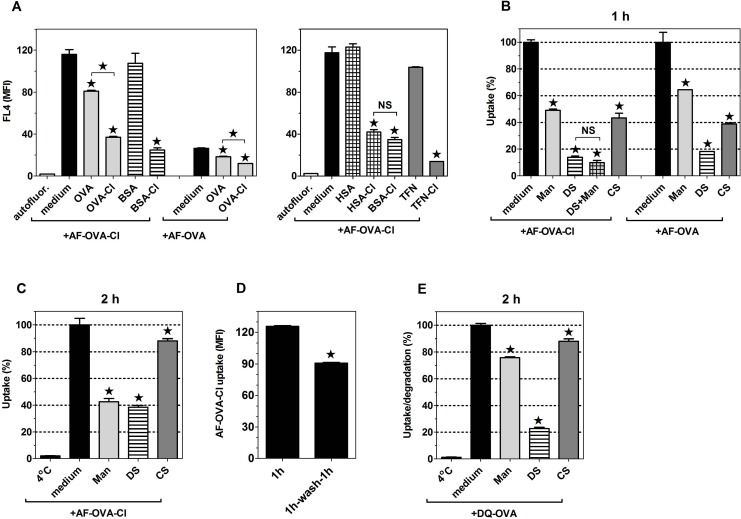
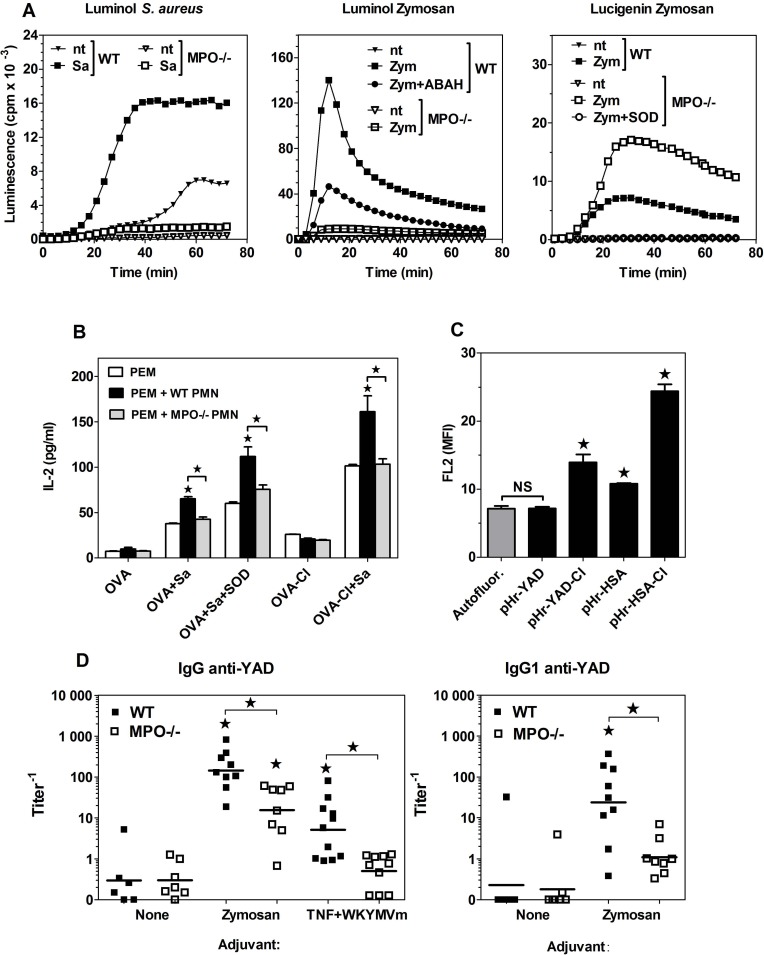
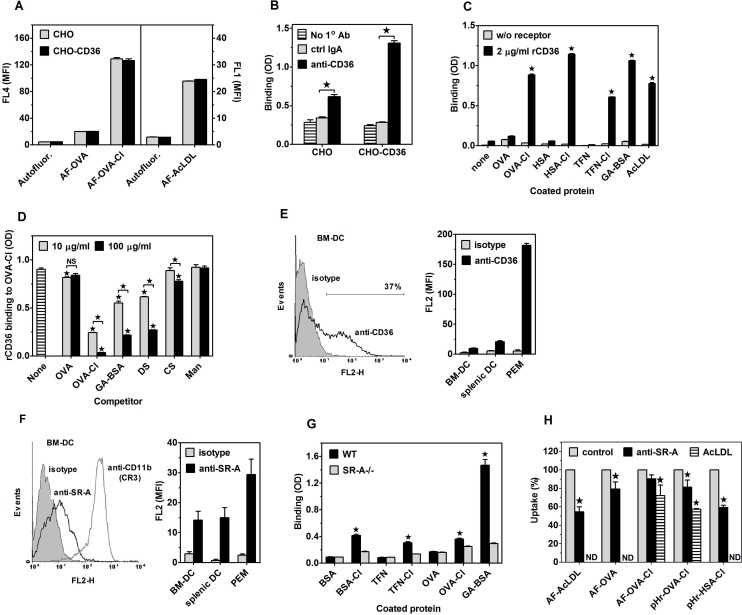
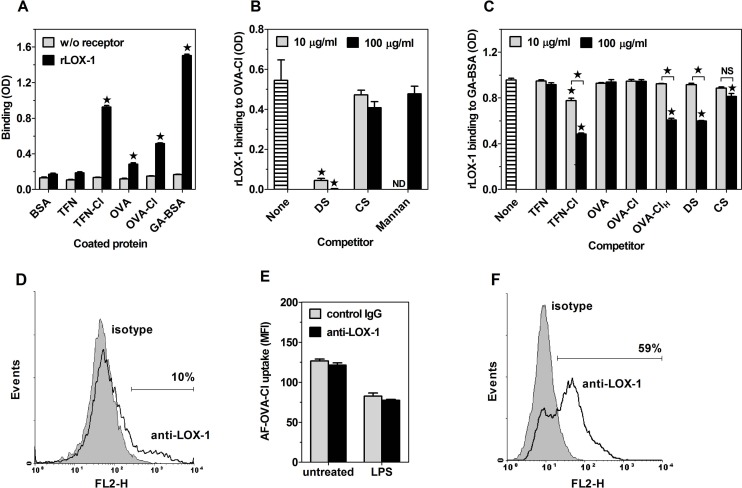
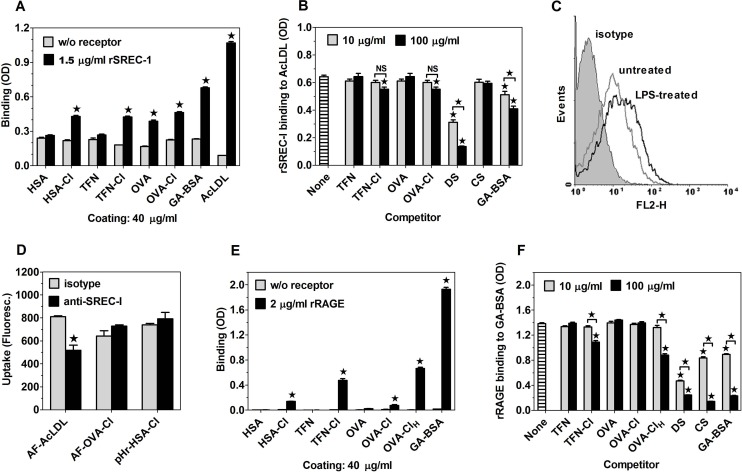
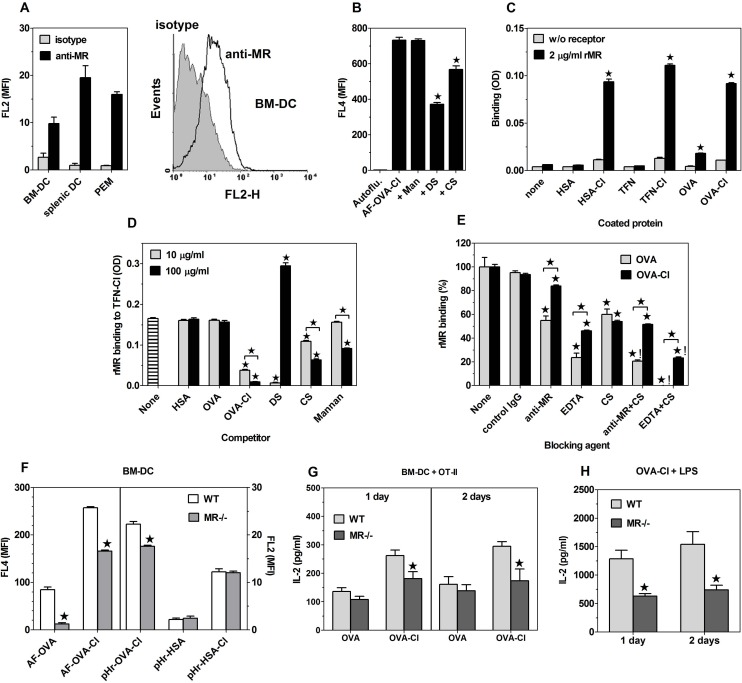
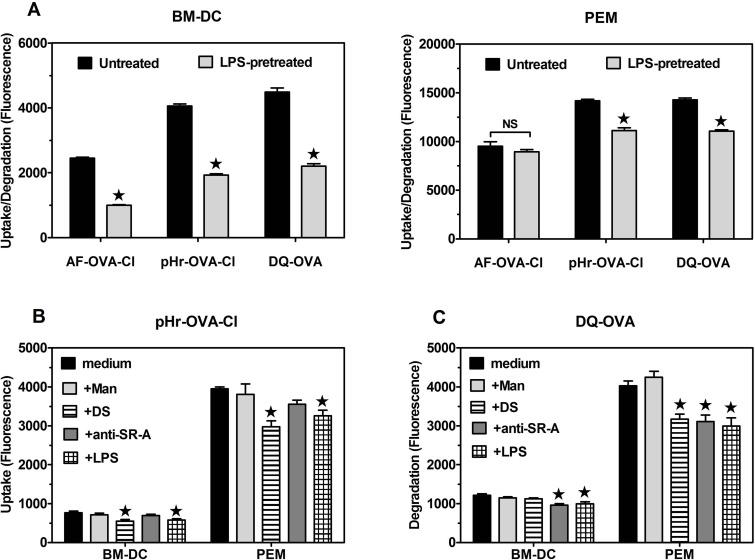
The initiation of adaptive immune responses to protein antigens has to be preceded by their uptake by antigen presenting cells and intracellular proteolytic processing. Paradoxically, endocytic receptors involved in antigen uptake do not bind the majority of proteins, which may be the main reason why purified proteins stimulate at most weak immune responses. A shared feature of different types of adjuvants, capable of boosting immunogenicity of protein vaccines, is their ability to induce acute inflammation, characterized by early influx of activated neutrophils. Neutrophils are also rapidly recruited to sites of tissue injury or infection. These cells are the source of potent oxidants, including hypochlorous acid (HOCl), causing oxidation of proteins present in inflammatory foci. We demonstrate that oxidation of proteins by endogenous, neutrophils-derived HOCl increases their immunogenicity. Upon oxidation, different, randomly chosen simple proteins (yeast alcohol dehydrogenase, human and bovine serum albumin) and glycoproteins (human apo-transferrin, ovalbumin) gain the ability to bind with high affinity to several endocytic receptors on antigen presenting cells, which seems to be the major mechanism of their increased immunogenicity. The mannose receptor (CD206), scavenger receptors A (CD204) and CD36 were responsible for the uptake and presentation of HOCl-modified proteins by murine dendritic cells and macrophages. Other scavenger receptors, SREC-I and LOX-1, as well as RAGE were also able to bind HOCl-modified proteins, but they did not contribute significantly to these ligands uptake by dendritic cells because they were either not expressed or exhibited preference for more heavily oxidised proteins. Our results indicate that oxidation by neutrophils-derived HOCl may be a physiological mechanism of conferring immunogenicity on proteins which in their native forms do not bind to endocytic receptors. This mechanism might enable the immune system to detect infections caused by pathogens not recognized by pattern recognition receptors.
对蛋白质抗原产生适应性免疫反应之前,抗原呈递细胞必须先摄取这些抗原并进行细胞内蛋白水解处理。矛盾的是,参与抗原摄取的内吞受体并不结合大多数蛋白质,这可能是纯化蛋白质最多只能刺激微弱免疫反应的主要原因。不同类型的佐剂能够增强蛋白质疫苗的免疫原性,其共同特征是能够诱导急性炎症,其特点是活化的中性粒细胞早期流入。中性粒细胞也会迅速募集到组织损伤或感染部位。这些细胞是强氧化剂的来源,包括次氯酸(HOCl),可导致炎症灶中存在的蛋白质氧化。我们证明,内源性中性粒细胞衍生的HOCl对蛋白质的氧化会增加其免疫原性。氧化后,不同的、随机选择的简单蛋白质(酵母乙醇脱氢酶、人血清白蛋白和牛血清白蛋白)和糖蛋白(人载脂蛋白转铁蛋白、卵清蛋白)获得了与抗原呈递细胞上的几种内吞受体高亲和力结合的能力,这似乎是它们免疫原性增加的主要机制。甘露糖受体(CD206)、清道夫受体A(CD204)和CD36负责小鼠树突状细胞和巨噬细胞摄取和呈递HOCl修饰的蛋白质。其他清道夫受体,SREC-I和LOX-1,以及RAGE也能够结合HOCl修饰的蛋白质,但它们对树突状细胞摄取这些配体的贡献不大,因为它们要么不表达,要么对氧化程度更高的蛋白质表现出偏好。我们的结果表明,中性粒细胞衍生的HOCl氧化可能是一种赋予天然形式不与内吞受体结合的蛋白质免疫原性的生理机制。这种机制可能使免疫系统能够检测由模式识别受体无法识别的病原体引起的感染。