Snell Jeremy A, Jandova Jana, Wondrak Georg T
Department of Pharmacology and Toxicology, R.K. Coit College of Pharmacy & UA Cancer Center, University of Arizona, Tucson, AZ, United States.
Front Oncol. 2022 Apr 29;12:887220. doi: 10.3389/fonc.2022.887220. eCollection 2022.
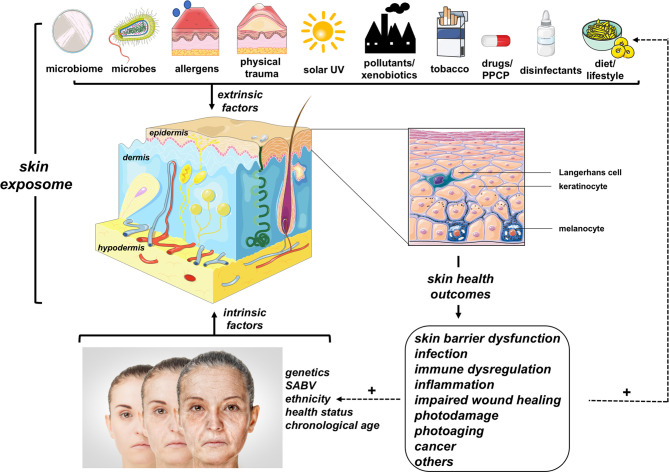
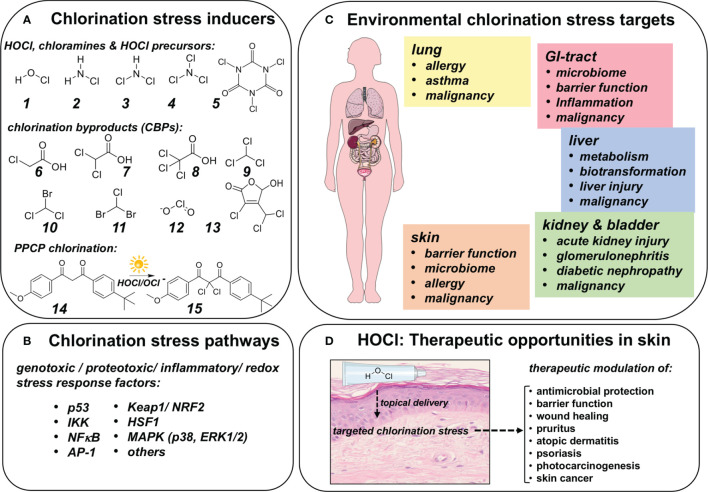
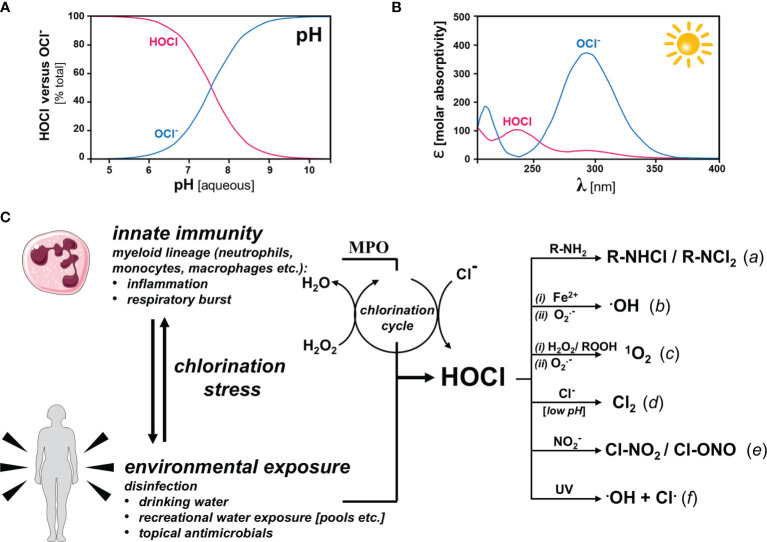
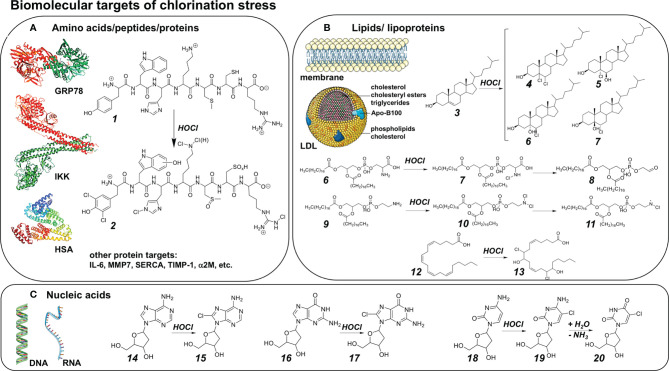
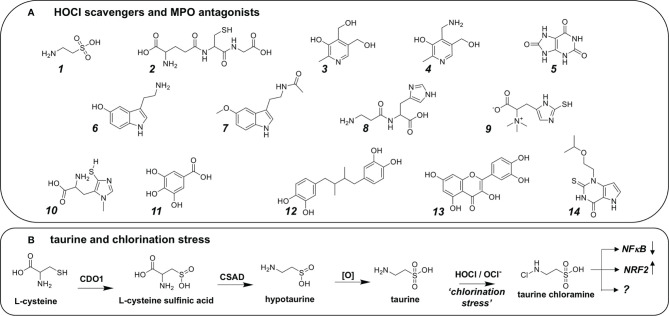
A multitude of extrinsic environmental factors (referred to in their entirety as the 'skin exposome') impact structure and function of skin and its corresponding cellular components. The complex (i.e. additive, antagonistic, or synergistic) interactions between multiple extrinsic (exposome) and intrinsic (biological) factors are important determinants of skin health outcomes. Here, we review the role of hypochlorous acid (HOCl) as an emerging component of the skin exposome serving molecular functions as an innate immune factor, environmental toxicant, and topical chemopreventive agent targeting solar UV-induced skin cancer. HOCl [and its corresponding anion (OCl; hypochlorite)], a weak halogen-based acid and powerful oxidant, serves two seemingly unrelated molecular roles: ( as an innate immune factor [acting as a myeloperoxidase (MPO)-derived microbicidal factor] and () as a chemical disinfectant used in freshwater processing on a global scale, both in the context of drinking water safety and recreational freshwater use. Physicochemical properties (including redox potential and photon absorptivity) determine chemical reactivity of HOCl towards select biochemical targets [i.e. proteins (e.g. IKK, GRP78, HSA, Keap1/NRF2), lipids, and nucleic acids], essential to its role in innate immunity, antimicrobial disinfection, and therapeutic anti-inflammatory use. Recent studies have explored the interaction between solar UV and HOCl-related environmental co-exposures identifying a heretofore unrecognized photo-chemopreventive activity of topical HOCl and chlorination stress that blocks tumorigenic inflammatory progression in UV-induced high-risk SKH-1 mouse skin, a finding with potential implications for the prevention of human nonmelanoma skin photocarcinogenesis.
众多外在环境因素(统称为“皮肤暴露组”)会影响皮肤及其相应细胞成分的结构和功能。多种外在(暴露组)和内在(生物学)因素之间复杂的(即相加、拮抗或协同)相互作用是皮肤健康结果的重要决定因素。在此,我们综述了次氯酸(HOCl)作为皮肤暴露组中一种新兴成分的作用,它作为一种先天免疫因子、环境毒物和针对太阳紫外线诱导的皮肤癌的局部化学预防剂发挥分子功能。HOCl [及其相应阴离子(OCl;次氯酸盐)] 是一种弱的基于卤素的酸和强氧化剂,具有两个看似不相关的分子作用:(作为一种先天免疫因子 [作为髓过氧化物酶(MPO)衍生的杀菌因子])和(作为一种在全球淡水处理中使用的化学消毒剂,无论是在饮用水安全还是娱乐性淡水使用方面)。物理化学性质(包括氧化还原电位和光子吸收率)决定了HOCl对选定生化靶点 [即蛋白质(如IKK、GRP78、HSA、Keap1/NRF2)、脂质和核酸] 的化学反应性,这对其在先天免疫、抗菌消毒和治疗性抗炎用途中的作用至关重要。最近的研究探索了太阳紫外线与HOCl相关环境共同暴露之间的相互作用,发现了局部HOCl和氯化应激此前未被认识的光化学预防活性,这种活性可阻断紫外线诱导的高危SKH - 1小鼠皮肤中的致癌性炎症进展,这一发现对预防人类非黑色素瘤皮肤光致癌作用具有潜在意义。