Patil Suneel G, Sajjan Mc Suresh, Patil Rekha
Assistant Professor, Department of Dentistry, Karnataka Institute of Medical Sciences, Hubli, Karnataka, India.
Professor, Department of Prosthodontics, Vishnu Dental College, Bhimavaram, Andhra Pradesh, India.
J Int Oral Health. 2015 Feb;7(2):13-9.
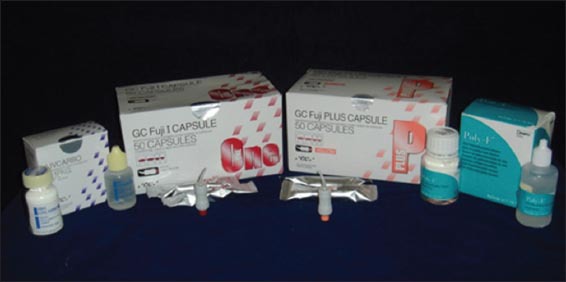
The luting cements must withstand masticatory and parafunctional stresses in the warm and wet oral environment. Mouth temperature and the temperature of the ingested foods may induce thermal variation and plastic deformation within the cements and might affect the strength properties. The objectives of this study were to evaluate the effect of temperature on the compressive and diametral tensile strengths of two polycarboxylate, a conventional glass ionomer and a resin modified glass ionomer luting cements and, to compare the compressive strength and the diametral tensile strength of the selected luting cements at varying temperatures.
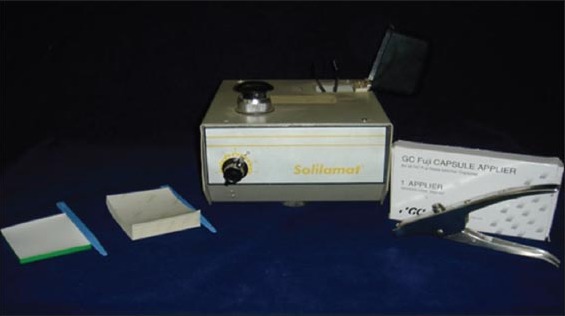
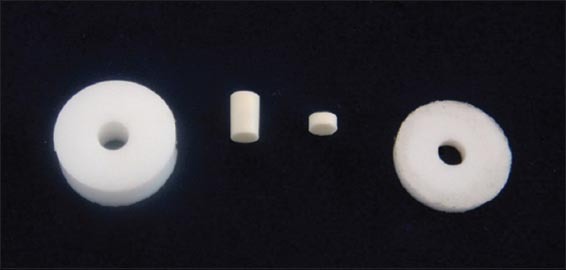
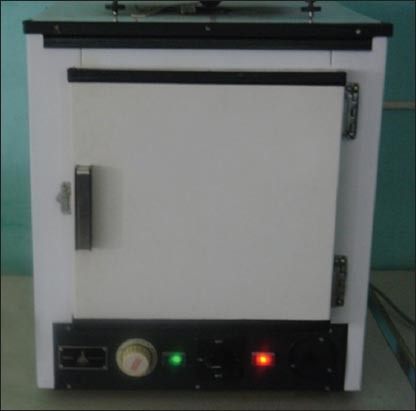
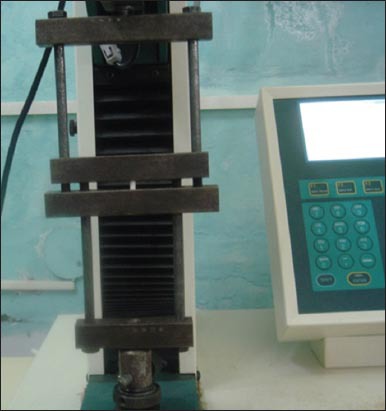
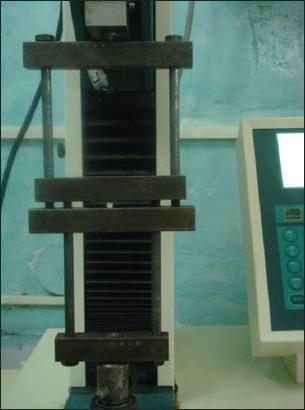
In this study, standardized specimens were prepared. The temperature of the specimens was regulated prior to testing them using a universal testing machine at a crosshead speed of 1 mm/min. Six specimens each were tested at 23°C, 37°C and 50°C for both the compressive and diametral tensile strengths, for all the luting cements.
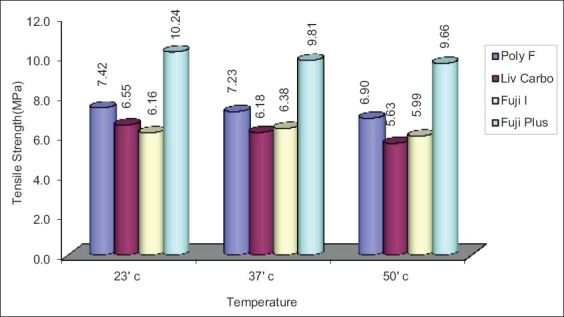
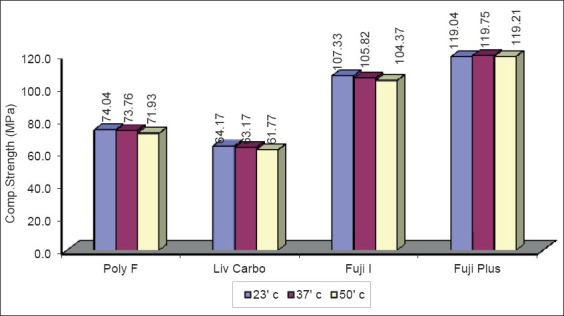
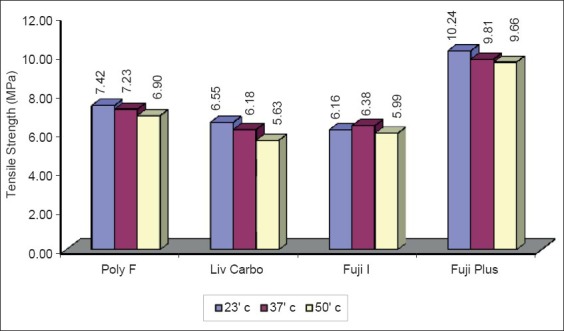
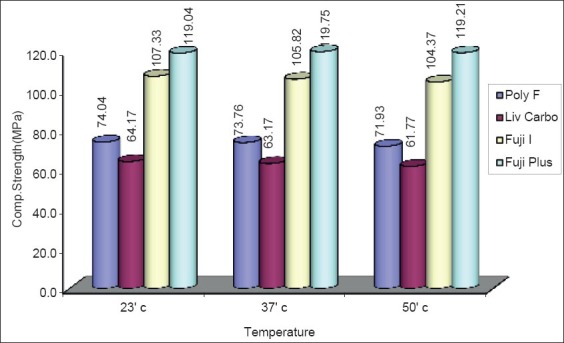
All the luting cements showed a marginal reduction in their compressive and diametral tensile strengths at raised temperatures. Fuji Plus was strongest in compression, followed by Fuji I > Poly F > Liv Carbo. Fuji Plus had the highest diametral tensile strength values, followed by Poly F = Fuji I = Liv Carbo, at all temperatures.
An increase in the temperature caused no significant reduction in the compressive and diametral tensile strengths of the cements evaluated. The compressive strength of the luting cements differed significantly from one another at all temperatures. The diametral tensile strength of resin modified glass ionomers differed considerably from the other cements, whereas there was no significant difference between the other cements, at all the temperatures.
粘结水门汀必须在温暖潮湿的口腔环境中承受咀嚼和非功能性应力。口腔温度和摄入食物的温度可能会引起水门汀内部的热变化和塑性变形,并可能影响强度性能。本研究的目的是评估温度对两种聚羧酸锌水门汀、一种传统玻璃离子水门汀和一种树脂改性玻璃离子水门汀的抗压强度和径向拉伸强度的影响,并比较所选粘结水门汀在不同温度下的抗压强度和径向拉伸强度。
在本研究中,制备了标准化试件。在使用万能试验机以1mm/min的十字头速度对试件进行测试之前,调节其温度。对所有粘结水门汀,在23°C、37°C和50°C下分别测试六个试件的抗压强度和径向拉伸强度。
所有粘结水门汀在温度升高时,其抗压强度和径向拉伸强度均略有降低。Fuji Plus的抗压强度最强,其次是Fuji I > Poly F > Liv Carbo。在所有温度下,Fuji Plus的径向拉伸强度值最高,其次是Poly F = Fuji I = Liv Carbo。
温度升高并未导致所评估水门汀的抗压强度和径向拉伸强度显著降低。在所有温度下,粘结水门汀的抗压强度彼此之间存在显著差异。树脂改性玻璃离子水门汀的径向拉伸强度与其他水门汀有很大差异,而在所有温度下,其他水门汀之间没有显著差异。