Gu WeiPing, Yang Jie, Zhang FeiMin, Yin XinMin, Wei XiaoLong, Wang Chen
Jiangsu Key Laboratory of Oral Diseases, Nanjing Medical University; Department of General Dentistry, Affiliated Hospital of Stomatology, Nanjing Medical University, Nanjing, Jiangsu 210029, China;
Jiangsu Key Laboratory of Oral Diseases, Nanjing Medical University; Department of Stomatology, Jiangsu province Geriatric Institution, Jiangsu Province Official Hospital, Nanjing, Jiangsu 210029, China;
J Biomed Res. 2015 Apr;29(2):160-8. doi: 10.7555/JBR.28.20130145. Epub 2014 Nov 18.
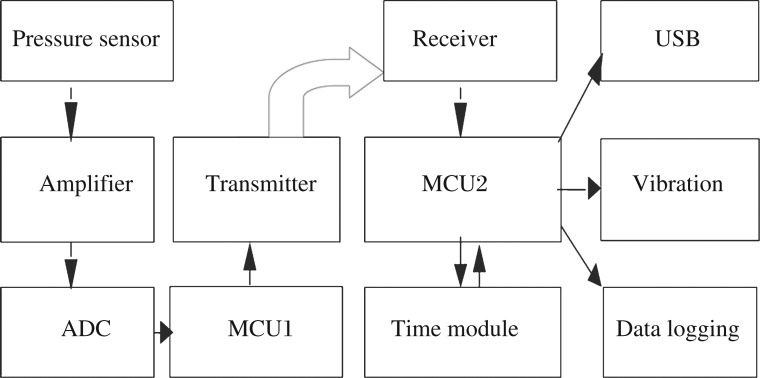
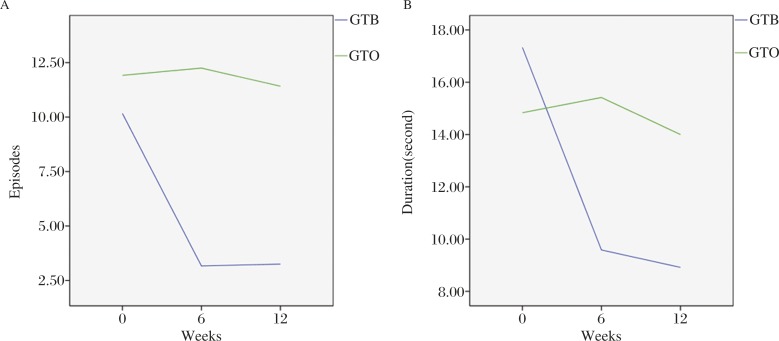
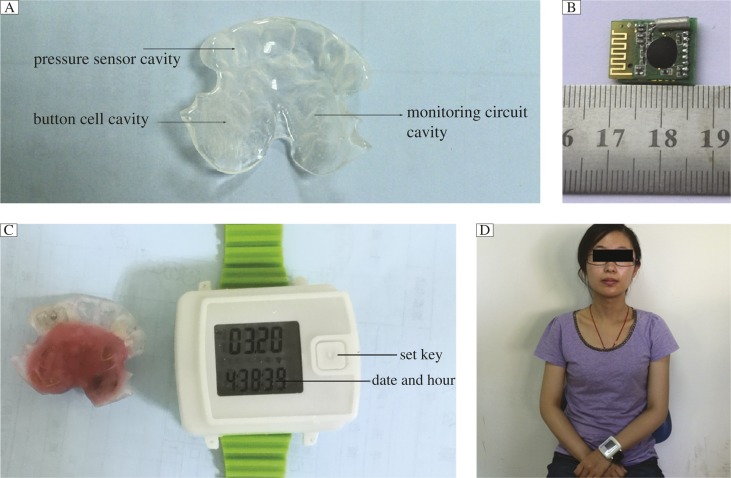
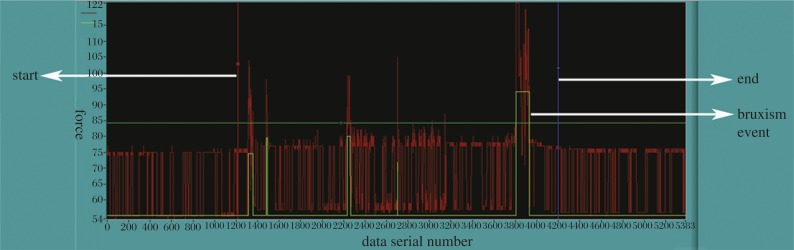
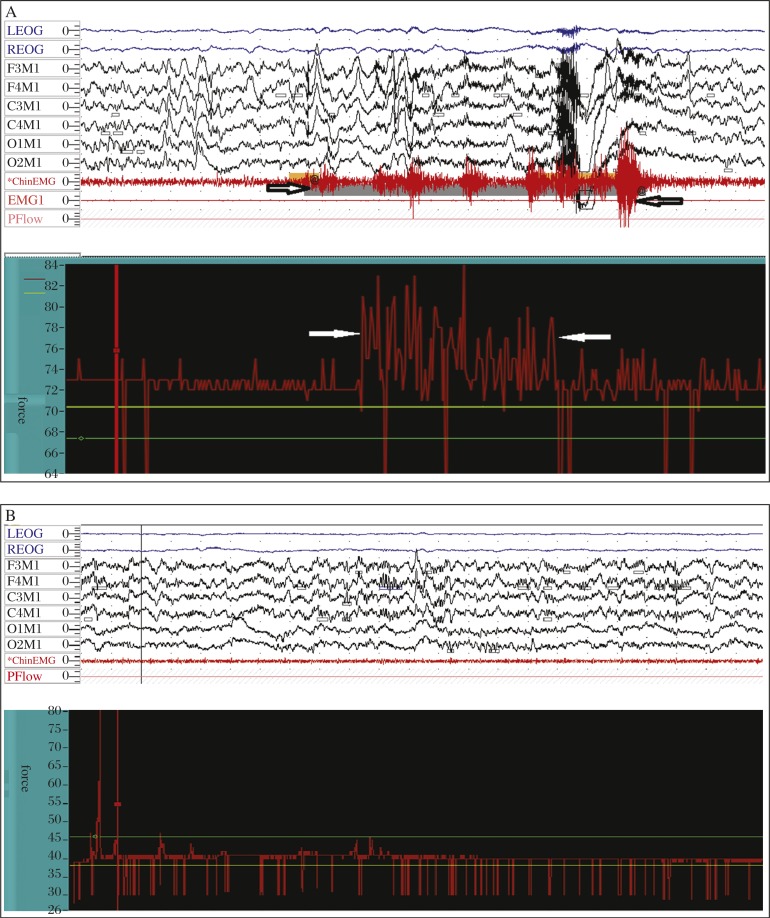
The putative causes of bruxism are multifactorial and there are no definite measures for bruxism management. The aim of this study was to evaluate the efficacy of biofeedback therapy on sleep bruxism, compared with occlusal splint. Twenty-four volunteers with sleep bruxism were divided into two groups: the GTB group that were treated with biofeedback therapy (n = 12) and the GTO group that were treated with occlusal splint (n = 12). A mini pressure sensor integrated with a monitoring circuit by use of a maxillary biofeedback splint was fabricated. To foster the relaxation of the masticatory muscles and the nervous system, the wireless device received signals from bruxism events and vibrations alerted the bruxer when the threshold was exceeded. Total episodes and average duration of bruxism events during 8 hours of sleep were analyzed with the monitoring program (TRMY1.0). After 6 and 12 weeks, the episodes (P = 0.001) and duration (P < 0.05) in the GTB group declined dramatically. In contrast, there were no significant differences in the GTO group after the treatment (P > 0.05). Furthermore, the episodes had significant differences between the GTB group and the GTO group after the same period of treatment (P = 0.000). The results suggest that biofeedback therapy may be an effective and convenient measure for mild bruxers, when compared with occlusal splint therapy. The mini wireless biofeedback method may be of value for the diagnosis and management of bruxism in the future.
磨牙症的假定病因是多因素的,并且对于磨牙症的治疗没有明确的措施。本研究的目的是评估生物反馈疗法与咬合板相比对睡眠磨牙症的疗效。24名患有睡眠磨牙症的志愿者被分为两组:接受生物反馈疗法治疗的GTB组(n = 12)和接受咬合板治疗的GTO组(n = 12)。制作了一种通过使用上颌生物反馈夹板与监测电路集成的微型压力传感器。为促进咀嚼肌和神经系统的放松,该无线设备接收来自磨牙症事件的信号,当超过阈值时振动会提醒磨牙者。使用监测程序(TRMY1.0)分析睡眠8小时期间磨牙症事件的总发作次数和平均持续时间。6周和12周后,GTB组的发作次数(P = 0.001)和持续时间(P < 0.05)显著下降。相比之下,GTO组治疗后无显著差异(P > 0.05)。此外,在相同治疗期后,GTB组和GTO组之间的发作次数有显著差异(P = 0.000)。结果表明,与咬合板疗法相比,生物反馈疗法可能是轻度磨牙者的一种有效且便捷的措施。微型无线生物反馈方法未来可能对磨牙症的诊断和治疗具有价值。