Lee Hyunkyu, Boot Walter R, Baniqued Pauline L, Voss Michelle W, Prakash Ruchika Shaurya, Basak Chandramallika, Kramer Arthur F
Brain Plasticity Institute, Posit Science, San Francisco, California, United States of America.
Department of Psychology, Florida State University, Tallahassee, Florida, United States of America.
PLoS One. 2015 Apr 10;10(4):e0123259. doi: 10.1371/journal.pone.0123259. eCollection 2015.
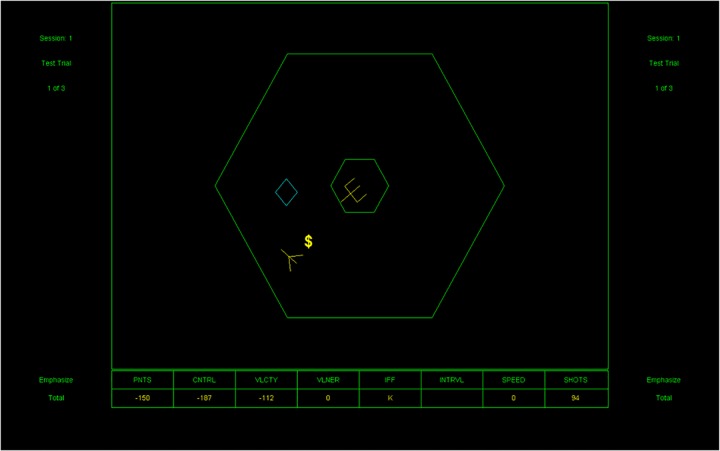
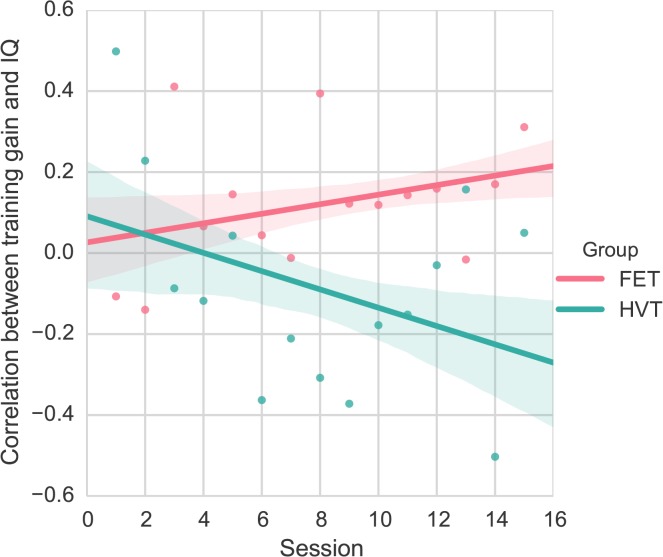
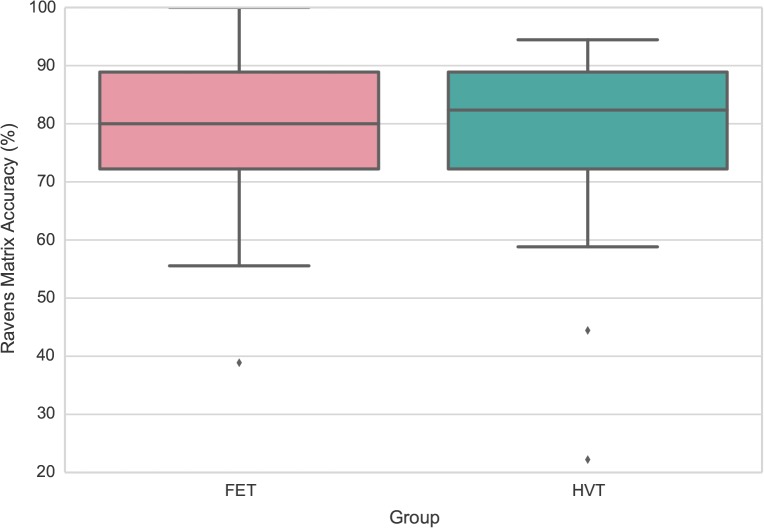
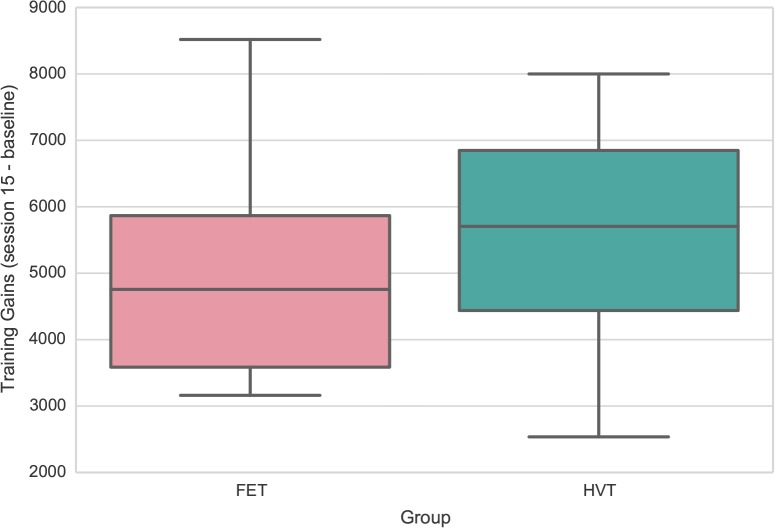
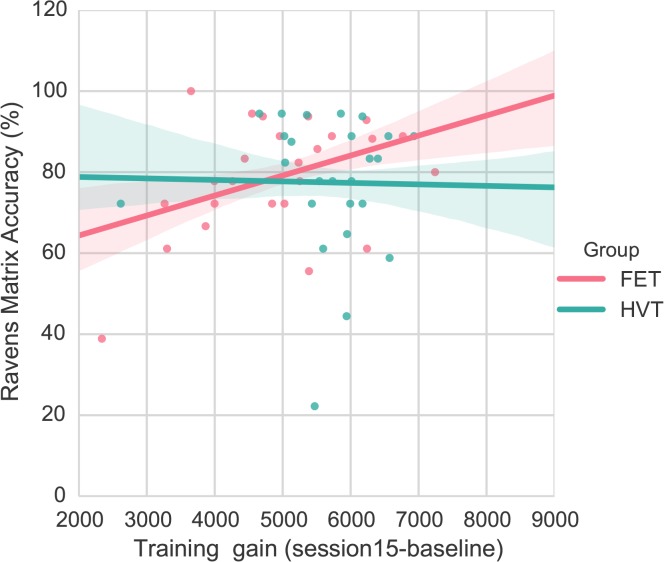
We examined the relationship between training regimen and fluid intelligence in the learning of a complex video game. Fifty non-game-playing young adults were trained on a game called Space Fortress for 30 hours with one of two training regimens: (1) Hybrid Variable-Priority Training (HVT), with part-task training and a focus on improving specific skills and managing task priorities, and (2) Full Emphasis Training (FET) in which participants practiced the whole game to obtain the highest overall score. Fluid intelligence was measured with the Raven's Progressive Matrix task before training. With FET, fluid intelligence was positively associated with learning, suggesting that intellectual ability played a substantial role in determining individual differences in training success. In contrast, with HVT, fluid intelligence was not associated with learning, suggesting that individual differences in fluid intelligence do not factor into training success in a regimen that emphasizes component tasks and flexible task coordination. By analyzing training effects in terms of individual differences and training regimens, the current study offers a training approach that minimizes the potentially limiting effect of individual differences.
我们研究了复杂视频游戏学习中训练方案与流体智力之间的关系。五十名不玩游戏的年轻人接受了名为《太空堡垒》的游戏训练,时长为30小时,训练方案分为两种:(1)混合可变优先级训练(HVT),包括部分任务训练,重点在于提高特定技能和管理任务优先级;(2)全重点训练(FET),参与者通过练习整个游戏以获得最高总分。训练前用瑞文标准推理测验任务测量流体智力。采用FET时,流体智力与学习呈正相关,这表明智力能力在决定训练成功的个体差异中起重要作用。相比之下,采用HVT时,流体智力与学习无关,这表明在强调组件任务和灵活任务协调的训练方案中,流体智力的个体差异对训练成功没有影响。通过从个体差异和训练方案的角度分析训练效果,本研究提供了一种能将个体差异潜在限制效应降至最低的训练方法。