Cui Huxing, Lu Yuan, Khan Michael Z, Anderson Rachel M, McDaniel Latisha, Wilson Hannah E, Yin Terry C, Radley Jason J, Pieper Andrew A, Lutter Michael
Department of Psychiatry, University of Iowa, Carver College of Medicine, Iowa City, IA 52242, USA.
Department of Psychology, University of Iowa, Carver College of Medicine, Iowa City, IA 52242, USA.
Cell Rep. 2015 Apr 21;11(3):344-50. doi: 10.1016/j.celrep.2015.03.032. Epub 2015 Apr 9.
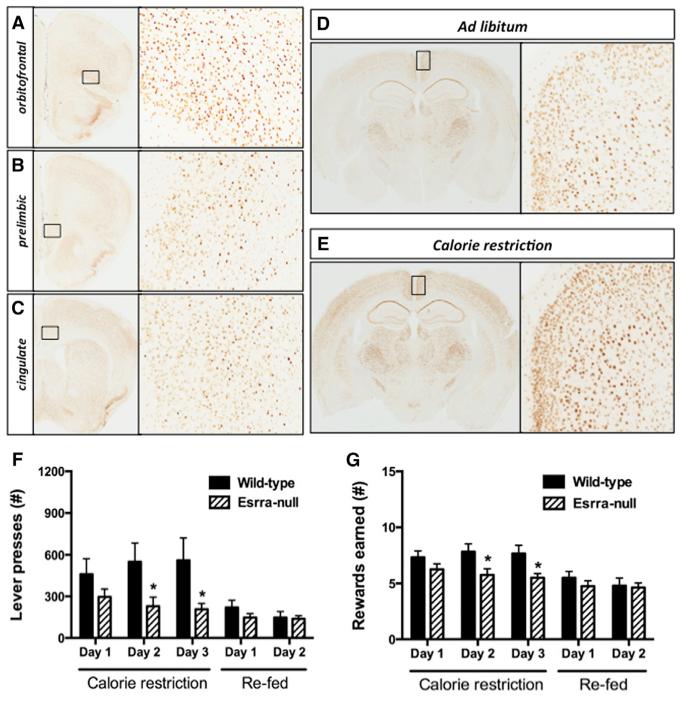
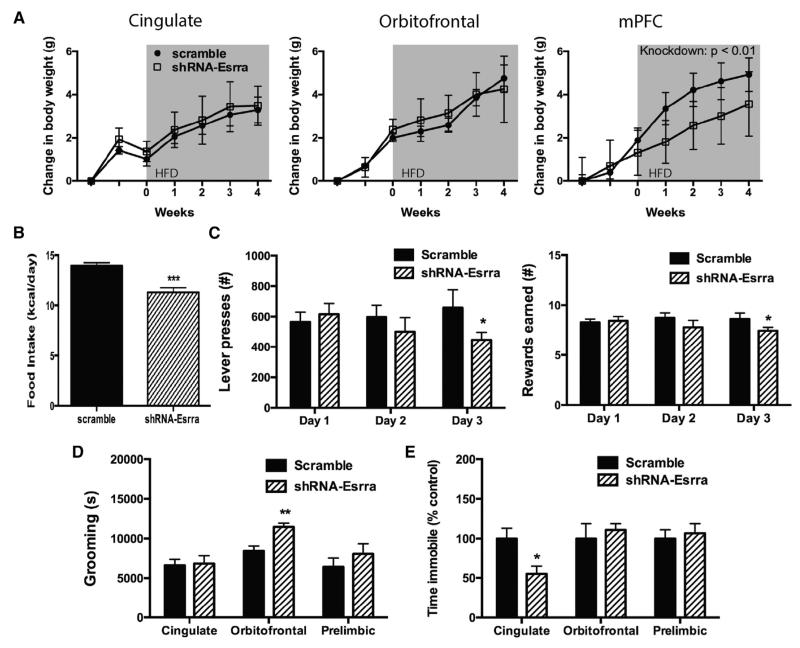
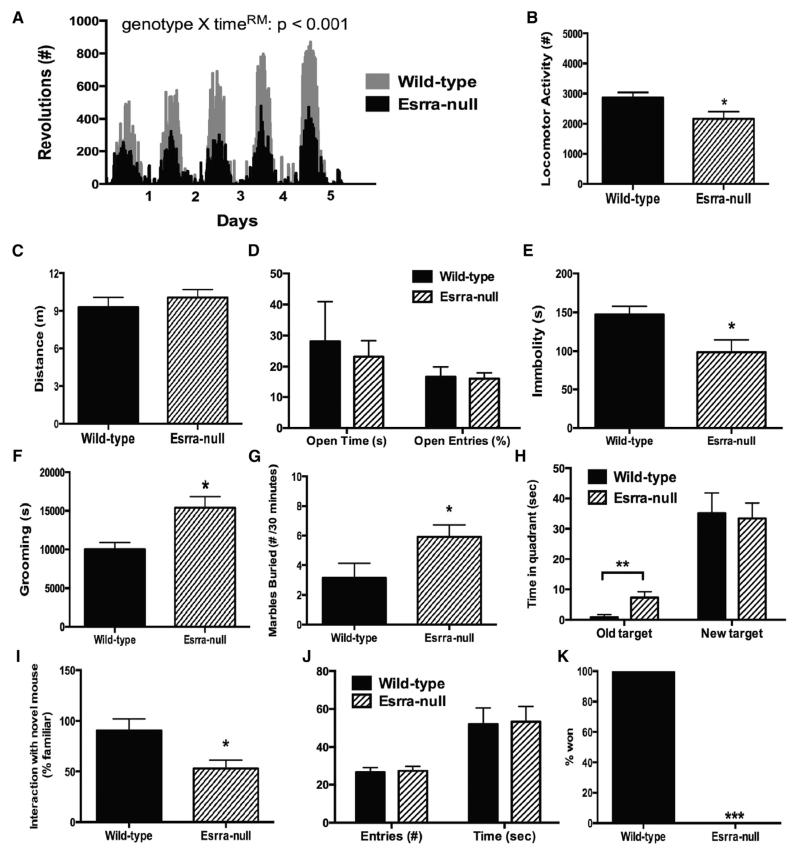
Eating disorders, such as anorexia nervosa and bulimia nervosa, are common and severe mental illnesses of unknown etiology. Recently, we identified a rare missense mutation in the transcription factor estrogen-related receptor alpha (ESRRA) that is associated with the development of eating disorders. However, little is known about ESRRA function in the brain. Here, we report that Esrra is expressed in the mouse brain and demonstrate that Esrra levels are regulated by energy reserves. Esrra-null female mice display a reduced operant response to a high-fat diet, compulsivity/behavioral rigidity, and social deficits. Selective Esrra knockdown in the prefrontal and orbitofrontal cortices of adult female mice recapitulates reduced operant response and increased compulsivity, respectively. These results indicate that Esrra deficiency in the mouse brain impairs behavioral responses in multiple functional domains.
饮食失调,如神经性厌食症和神经性贪食症,是常见且严重的精神疾病,其病因不明。最近,我们在转录因子雌激素相关受体α(ESRRA)中发现了一种罕见的错义突变,该突变与饮食失调的发生有关。然而,关于ESRRA在大脑中的功能知之甚少。在此,我们报告Esrra在小鼠大脑中表达,并证明Esrra水平受能量储备调节。Esrra基因敲除的雌性小鼠对高脂饮食的操作性反应降低、出现强迫性/行为僵化以及社交缺陷。在成年雌性小鼠的前额叶和眶额皮质中选择性敲低Esrra分别再现了操作性反应降低和强迫性增加。这些结果表明,小鼠大脑中Esrra的缺乏会损害多个功能领域的行为反应。