Ruffault Pierre-Louis, D'Autréaux Fabien, Hayes John A, Nomaksteinsky Marc, Autran Sandra, Fujiyama Tomoyuki, Hoshino Mikio, Hägglund Martin, Kiehn Ole, Brunet Jean-François, Fortin Gilles, Goridis Christo
Université Paris-Saclay, Université Paris-Sud, CNRS, UMR 9197, Institut des Neurosciences Paris-Saclay, Gif-sur-Yvette, France.
Institut de Biologie de l'École Normale Supérieure, Inserm U1024, and CNRS UMR 8197, Paris, France.
Elife. 2015 Apr 13;4:e07051. doi: 10.7554/eLife.07051.
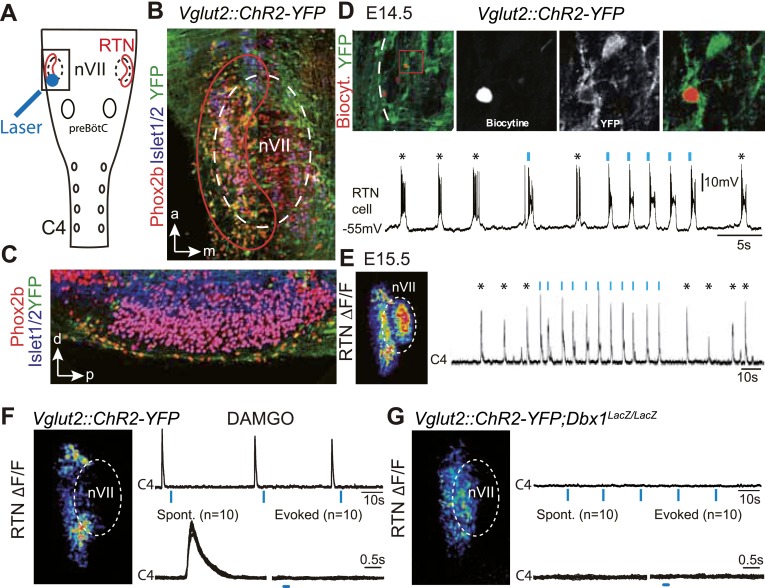
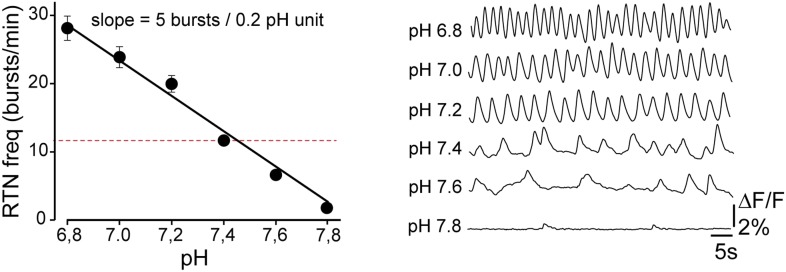
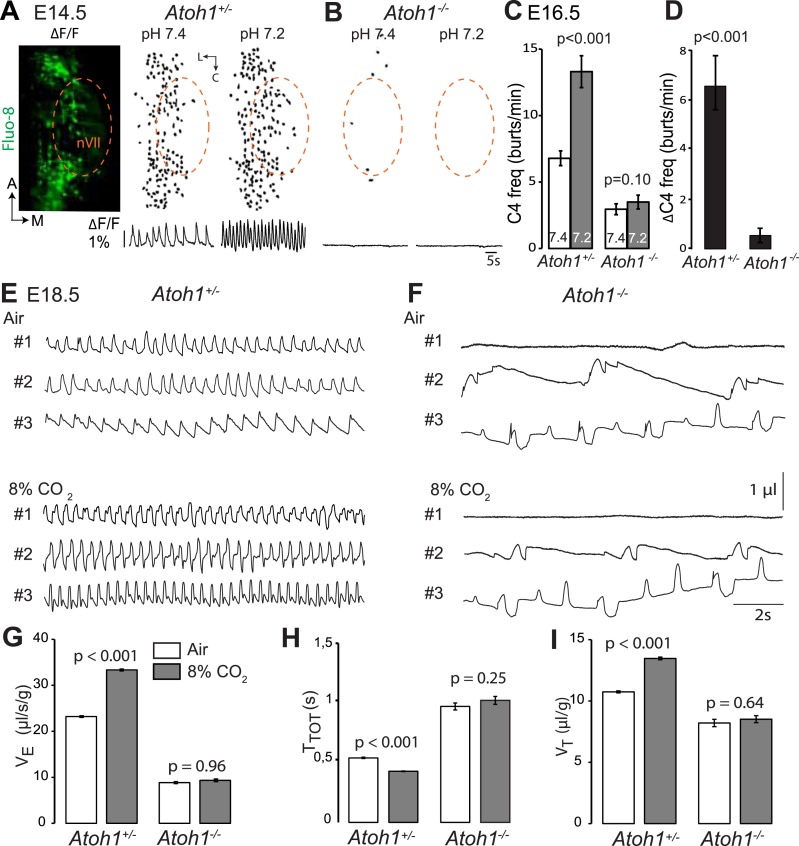
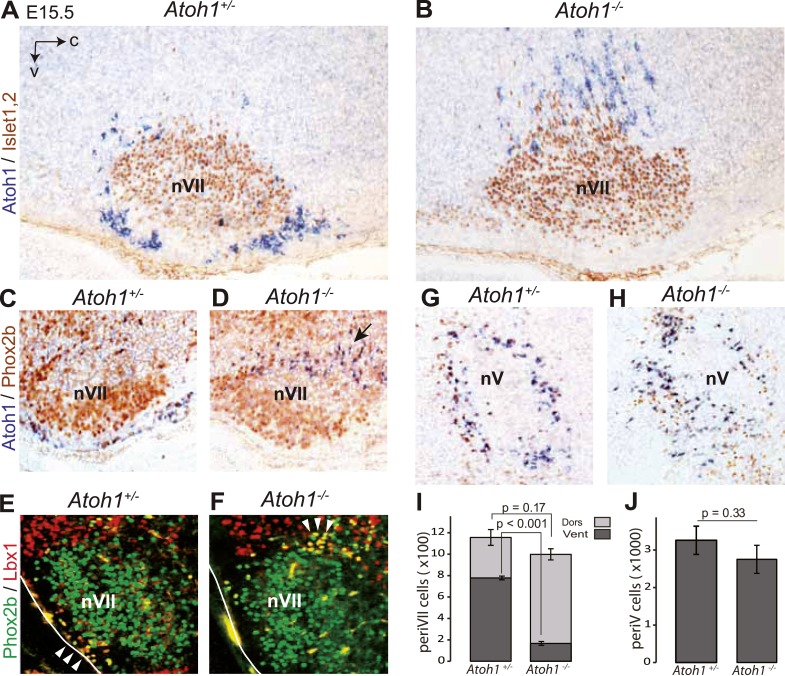
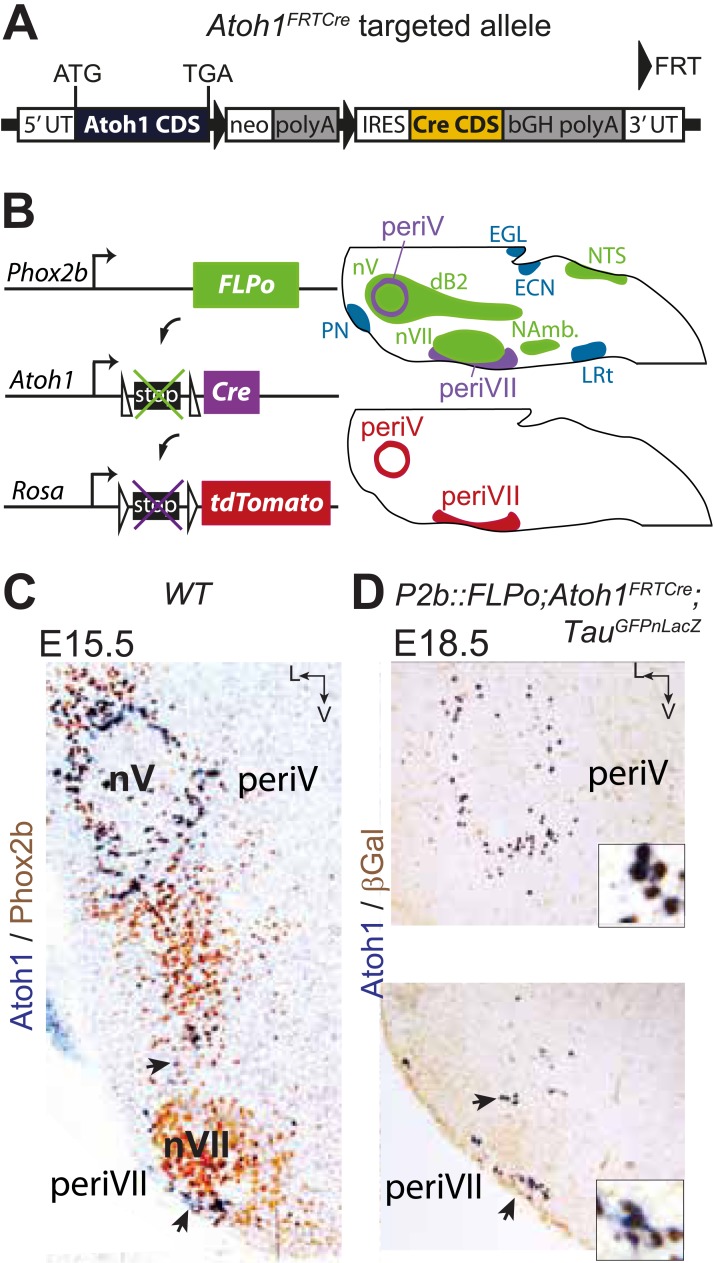
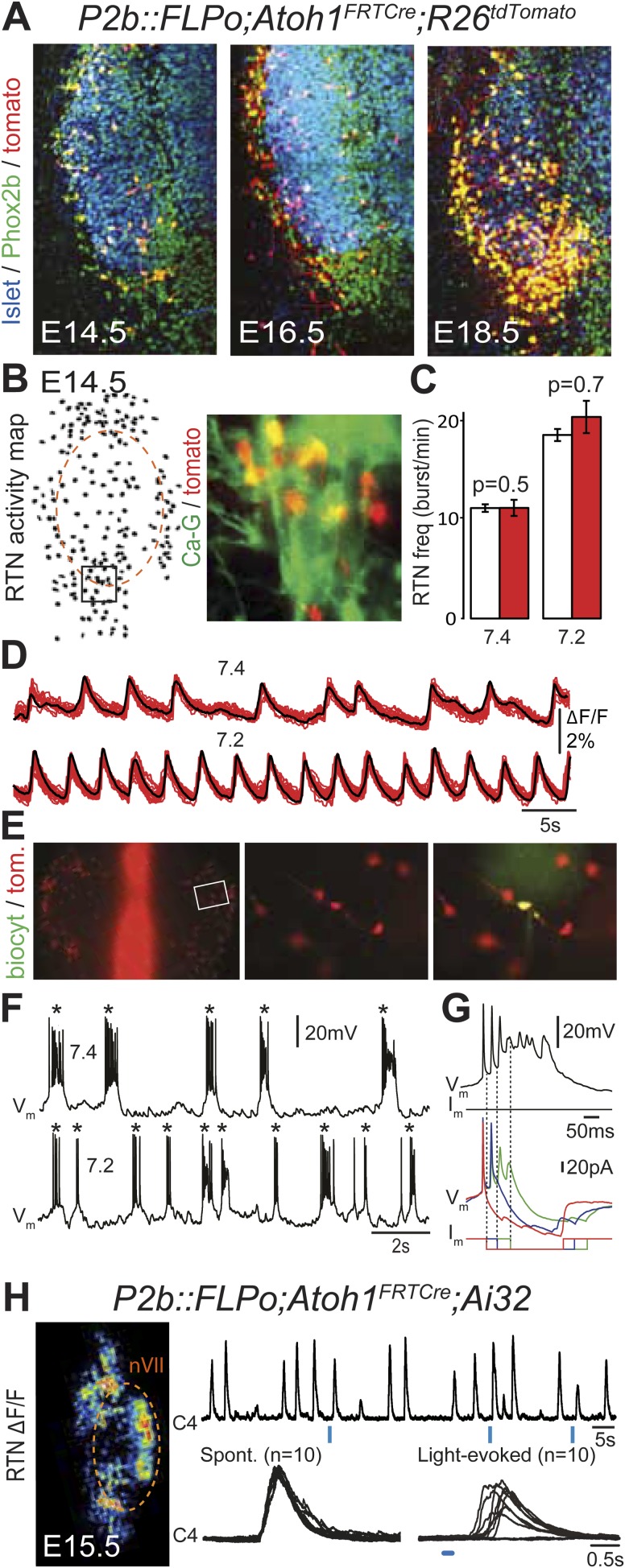
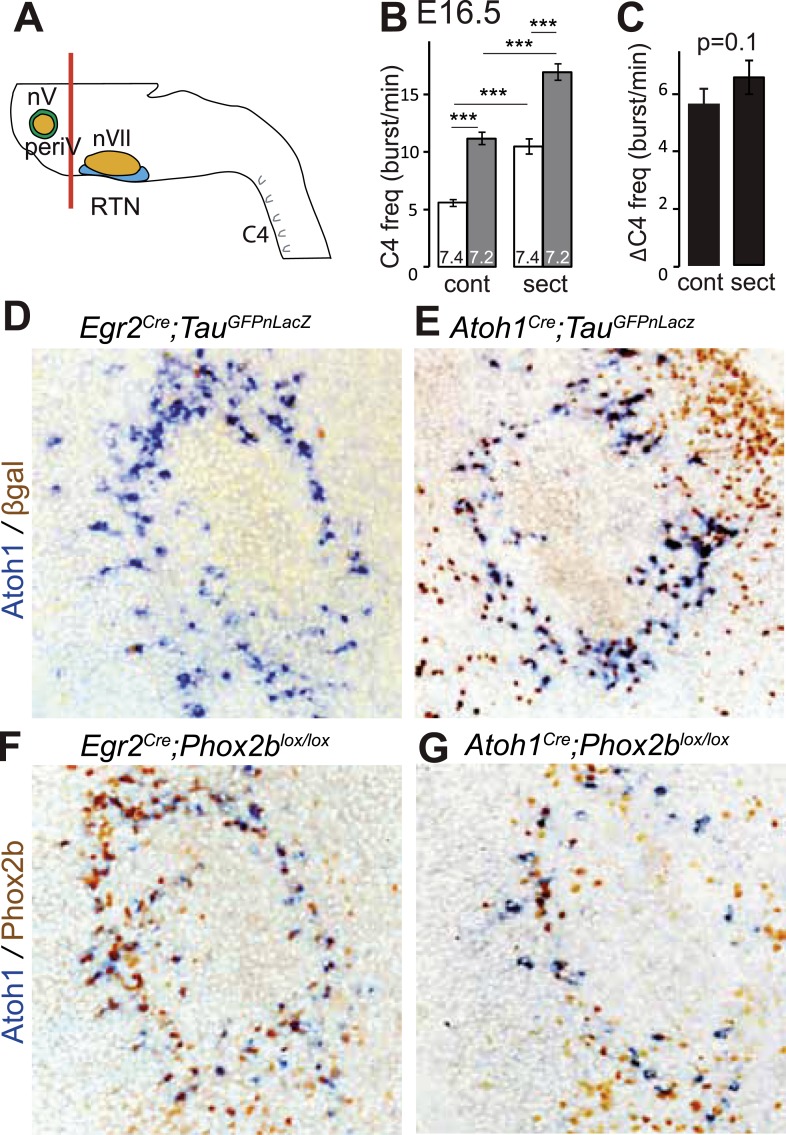
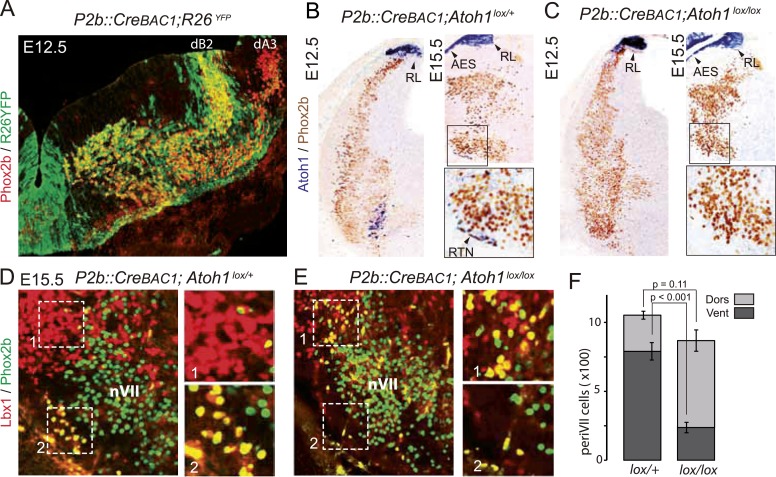
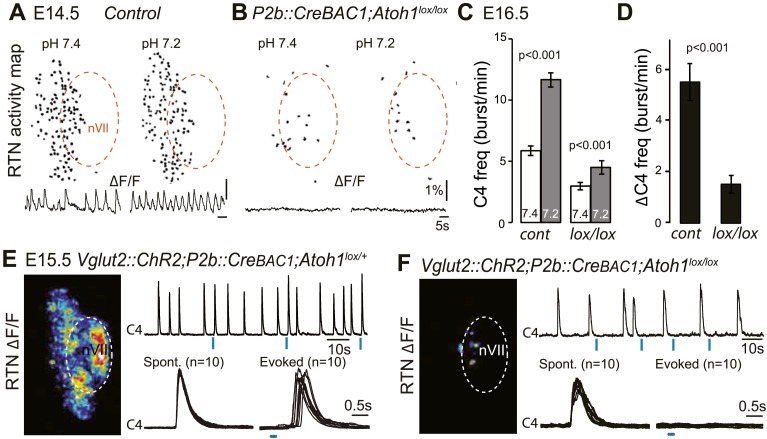
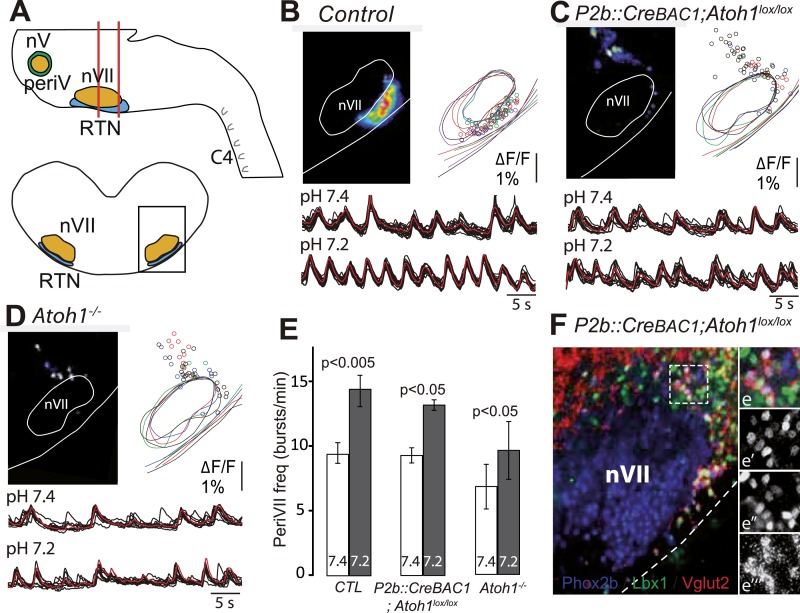
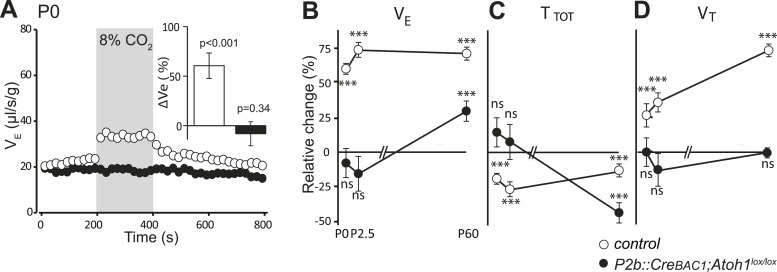
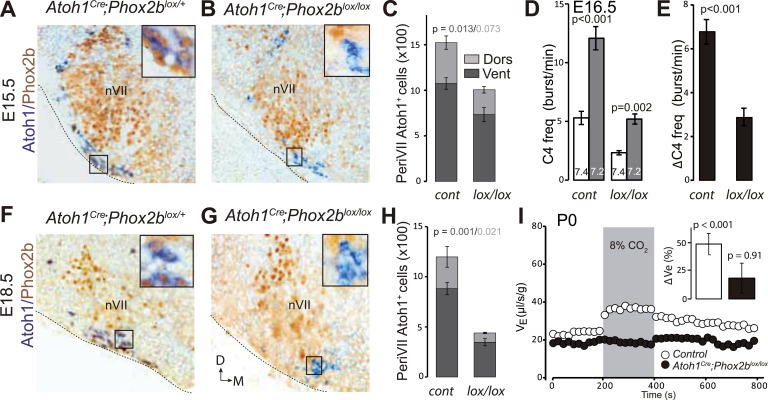
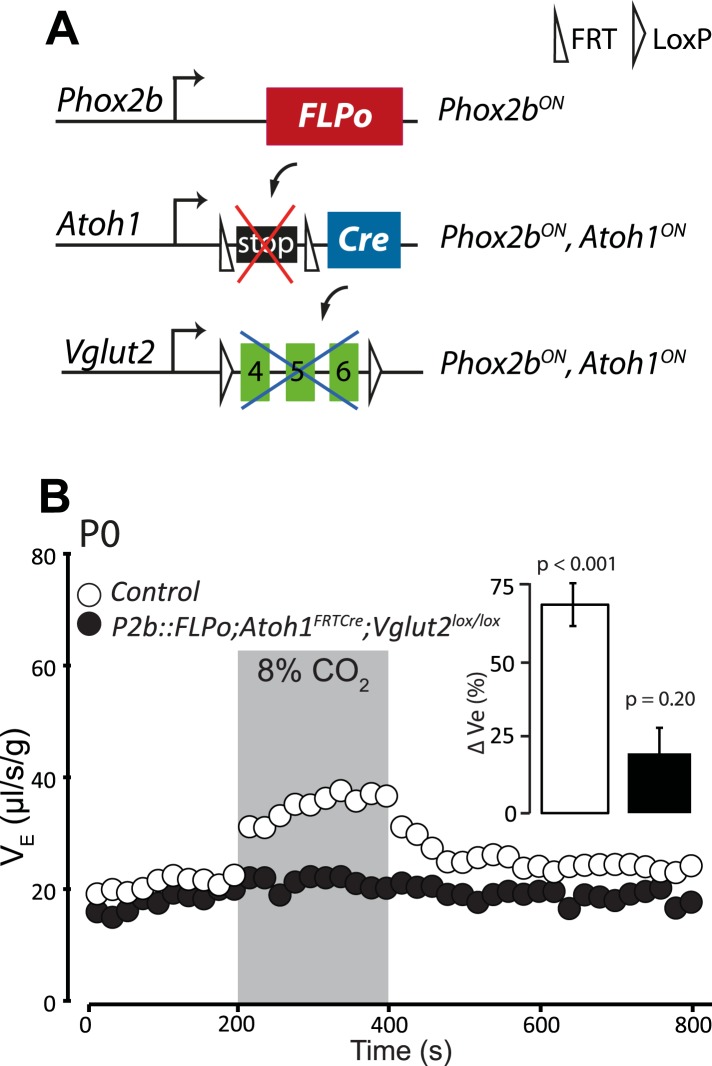
Maintaining constant CO2 and H(+) concentrations in the arterial blood is critical for life. The principal mechanism through which this is achieved in mammals is the respiratory chemoreflex whose circuitry is still elusive. A candidate element of this circuitry is the retrotrapezoid nucleus (RTN), a collection of neurons at the ventral medullary surface that are activated by increased CO2 or low pH and project to the respiratory rhythm generator. Here, we use intersectional genetic strategies to lesion the RTN neurons defined by Atoh1 and Phox2b expression and to block or activate their synaptic output. Photostimulation of these neurons entrains the respiratory rhythm. Conversely, abrogating expression of Atoh1 or Phox2b or glutamatergic transmission in these cells curtails the phrenic nerve response to low pH in embryonic preparations and abolishes the respiratory chemoreflex in behaving animals. Thus, the RTN neurons expressing Atoh1 and Phox2b are a necessary component of the chemoreflex circuitry.
维持动脉血中二氧化碳和氢离子浓度恒定对生命至关重要。在哺乳动物中实现这一目标的主要机制是呼吸化学反射,但其神经回路仍不清楚。该神经回路的一个候选元件是延髓后外侧核(RTN),它是位于延髓腹侧表面的一组神经元,可被二氧化碳增加或低pH激活,并投射到呼吸节律发生器。在这里,我们使用交叉遗传策略损伤由Atoh1和Phox2b表达定义的RTN神经元,并阻断或激活其突触输出。对这些神经元进行光刺激可带动呼吸节律。相反,在胚胎制剂中消除这些细胞中Atoh1或Phox2b的表达或谷氨酸能传递,会削弱膈神经对低pH的反应,并消除行为动物的呼吸化学反射。因此,表达Atoh1和Phox2b的RTN神经元是化学反射神经回路的必要组成部分。