Leclerc Jenna L, Lampert Andrew S, Diller Matthew A, Immergluck Joshua B, Doré Sylvain
Department of Anesthesiology, University of Florida, Gainesville, FL, USA Department of Neuroscience, University of Florida, Gainesville, FL, USA.
Department of Anesthesiology, University of Florida, Gainesville, FL, USA.
ASN Neuro. 2015 Apr 13;7(2). doi: 10.1177/1759091415578713. Print 2015 Mar-Apr.
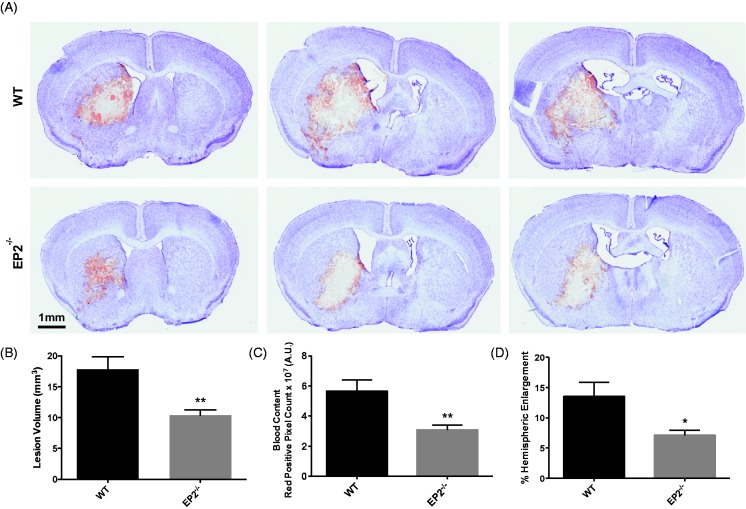
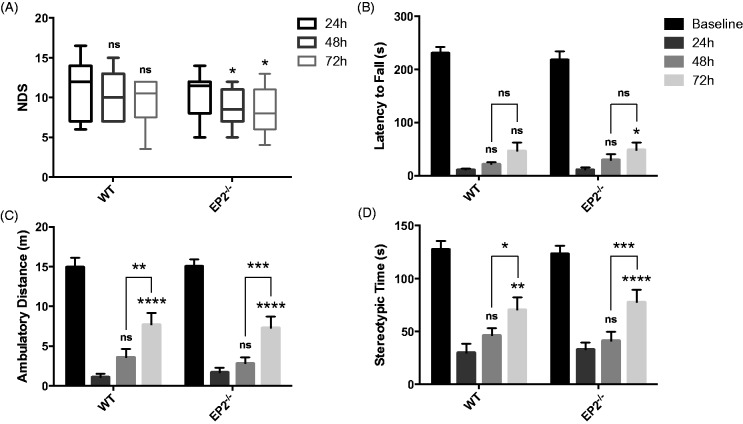
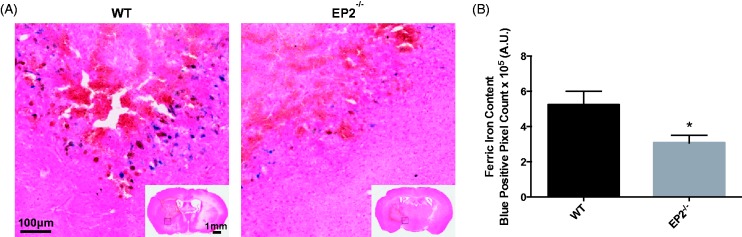
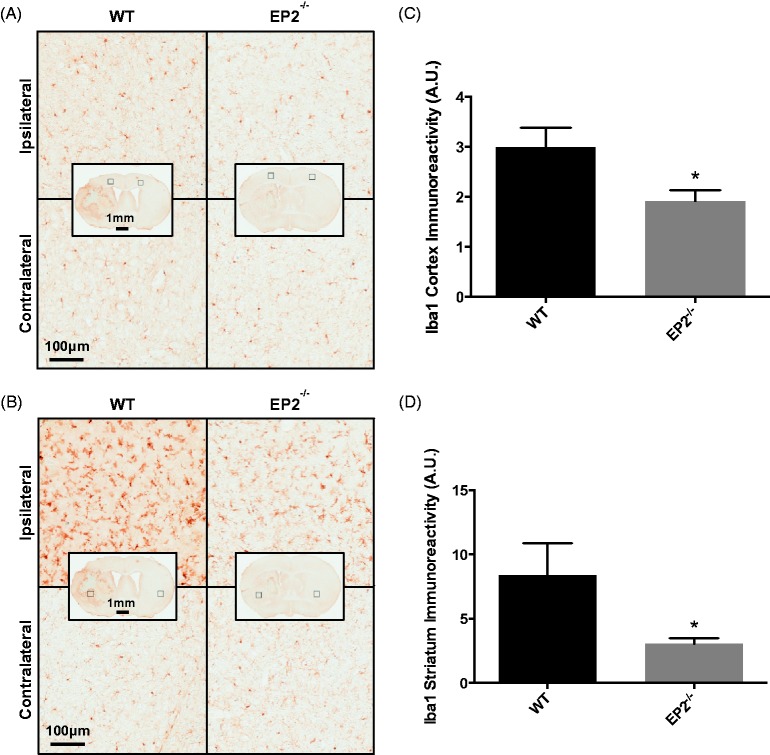
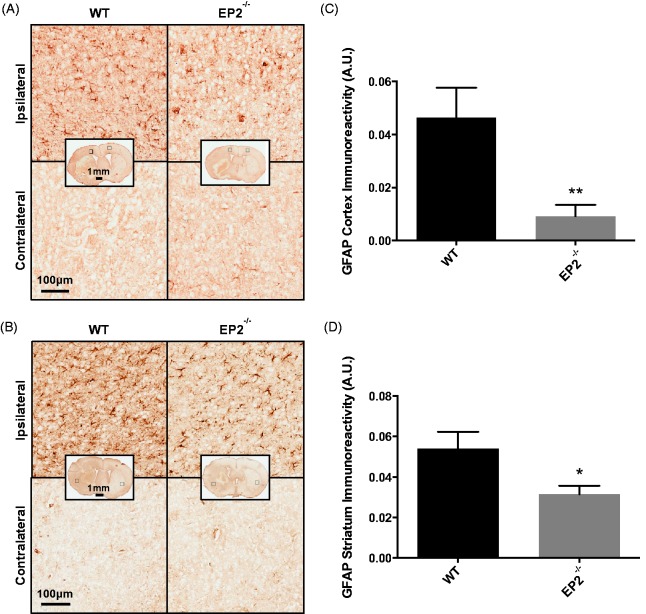
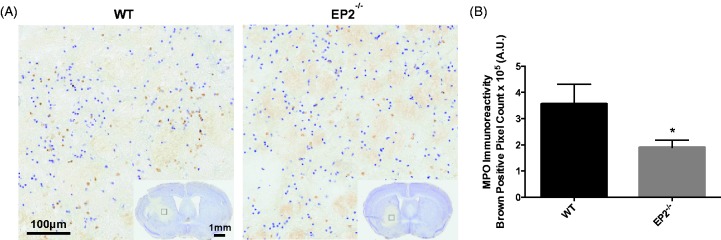
Intracerebral hemorrhage (ICH) is a devastating type of stroke characterized by bleeding into the brain parenchyma and secondary brain injury resulting from strong neuroinflammatory responses to blood components. Production of prostaglandin E2 (PGE2) is significantly upregulated following ICH and contributes to this inflammatory response in part through its E prostanoid receptor subtype 2 (EP2). Signaling through the EP2 receptor has been shown to affect outcomes of many acute and chronic neurological disorders; although, not yet explored in the context of ICH. Wildtype (WT) and EP2 receptor knockout (EP2(-/-)) mice were subjected to ICH, and various anatomical and functional outcomes were assessed by histology and neurobehavioral testing, respectively. When compared with age-matched WT controls, EP2(-/-) mice had 41.9 ± 4.7% smaller ICH-induced brain lesions and displayed significantly less ipsilateral hemispheric enlargement and incidence of intraventricular hemorrhage. Anatomical outcomes correlated with improved functional recovery as identified by neurological deficit scoring. Histological staining was performed to begin investigating the mechanisms involved in EP2-mediated neurotoxicity after ICH. EP2(-/-) mice exhibited 45.5 ± 5.8% and 41.4 ± 8.1% less blood and ferric iron accumulation, respectively. Furthermore, significantly less striatal and cortical microgliosis, striatal and cortical astrogliosis, blood-brain barrier breakdown, and peripheral neutrophil infiltration were seen in EP2(-/-) mice. This study is the first to suggest a deleterious role for the PGE2-EP2 signaling axis in modulating brain injury, inflammation, and functional recovery following ICH. Targeting the EP2 G protein-coupled receptor may represent a new therapeutic avenue for the treatment of hemorrhagic stroke.
脑出血(ICH)是一种毁灭性的中风类型,其特征是脑实质内出血以及对血液成分产生强烈神经炎症反应导致的继发性脑损伤。脑出血后前列腺素E2(PGE2)的产生显著上调,并部分通过其前列腺素E受体2型(EP2)促成这种炎症反应。通过EP2受体发出的信号已被证明会影响许多急性和慢性神经疾病的预后;尽管尚未在脑出血的背景下进行探索。将野生型(WT)和EP2受体敲除(EP2(-/-))小鼠进行脑出血实验,并分别通过组织学和神经行为测试评估各种解剖学和功能结果。与年龄匹配的WT对照组相比,EP2(-/-)小鼠脑出血诱导的脑损伤小41.9±4.7%,同侧半球肿大和脑室内出血的发生率显著降低。解剖学结果与通过神经功能缺损评分确定的功能恢复改善相关。进行组织学染色以开始研究脑出血后EP2介导的神经毒性所涉及的机制。EP2(-/-)小鼠的血液和铁离子积累分别减少45.5±5.8%和41.4±8.1%。此外,在EP2(-/-)小鼠中观察到纹状体和皮质的小胶质细胞增生、纹状体和皮质的星形胶质细胞增生、血脑屏障破坏以及外周中性粒细胞浸润显著减少。本研究首次表明PGE2-EP2信号轴在调节脑出血后的脑损伤、炎症和功能恢复中起有害作用。靶向EP2 G蛋白偶联受体可能代表一种治疗出血性中风的新治疗途径。