
基于Illumina短读长测序的大鲵RNA-Seq分析与基因发现
RNA-Seq analysis and gene discovery of Andrias davidianus using Illumina short read sequencing.
作者信息
Li Fenggang, Wang Lixin, Lan Qingjing, Yang Hui, Li Yang, Liu Xiaolin, Yang Zhaoxia
机构信息
College of Animal Science and Technology, Northwest A&F University, Shaanxi Key Laboratory of Molecular Biology for Agriculture, Yangling, Shaanxi, 712100, China; Yellow River Fisheries Research Institute, Chinese Academy of Fishery Science, Xi'an, Shaanxi, 710086, China.
College of Animal Science and Technology, Northwest A&F University, Shaanxi Key Laboratory of Molecular Biology for Agriculture, Yangling, Shaanxi, 712100, China.
出版信息
PLoS One. 2015 Apr 13;10(4):e0123730. doi: 10.1371/journal.pone.0123730. eCollection 2015.
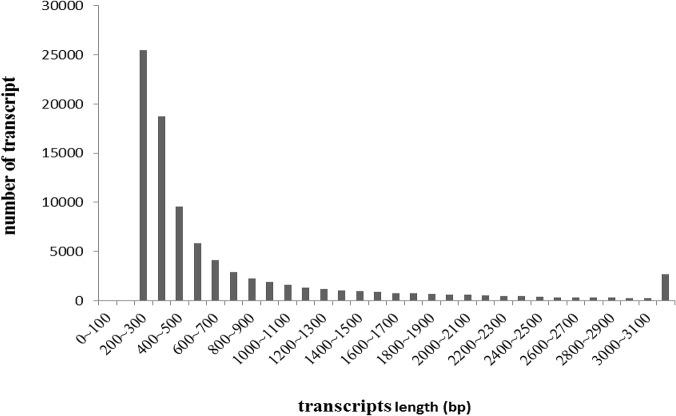
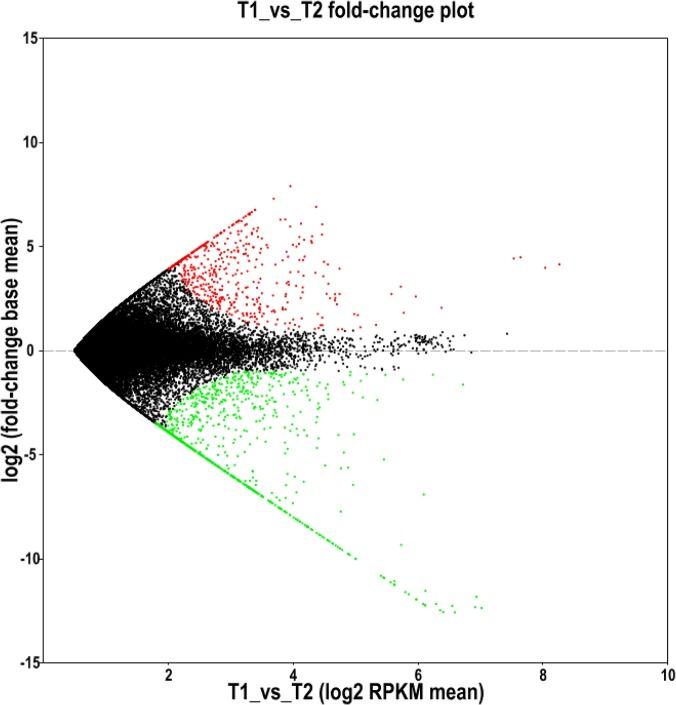
The Chinese giant salamander, Andrias davidianus, is an important species in the course of evolution; however, there is insufficient genomic data in public databases for understanding its immunologic mechanisms. High-throughput transcriptome sequencing is necessary to generate an enormous number of transcript sequences from A. davidianus for gene discovery. In this study, we generated more than 40 million reads from samples of spleen and skin tissue using the Illumina paired-end sequencing technology. De novo assembly yielded 87,297 transcripts with a mean length of 734 base pairs (bp). Based on the sequence similarities, searching with known proteins, 38,916 genes were identified. Gene enrichment analysis determined that 981 transcripts were assigned to the immune system. Tissue-specific expression analysis indicated that 443 of transcripts were specifically expressed in the spleen and skin. Among these transcripts, 147 transcripts were found to be involved in immune responses and inflammatory reactions, such as fucolectin, β-defensins and lymphotoxin beta. Eight tissue-specific genes were selected for validation using real time reverse transcription quantitative PCR (qRT-PCR). The results showed that these genes were significantly more expressed in spleen and skin than in other tissues, suggesting that these genes have vital roles in the immune response. This work provides a comprehensive genomic sequence resource for A. davidianus and lays the foundation for future research on the immunologic and disease resistance mechanisms of A. davidianus and other amphibians.
中国大鲵(Andrias davidianus)是进化过程中的一个重要物种;然而,公共数据库中用于了解其免疫机制的基因组数据不足。高通量转录组测序对于从中国大鲵中生成大量转录序列以进行基因发现是必要的。在本研究中,我们使用Illumina双末端测序技术从脾脏和皮肤组织样本中产生了超过4000万个读数。从头组装产生了87297个转录本,平均长度为734个碱基对(bp)。基于序列相似性,与已知蛋白质进行比对,鉴定出38916个基因。基因富集分析确定981个转录本被分配到免疫系统。组织特异性表达分析表明,443个转录本在脾脏和皮肤中特异性表达。在这些转录本中,发现147个转录本参与免疫反应和炎症反应,如岩藻凝集素、β-防御素和淋巴毒素β。选择8个组织特异性基因使用实时逆转录定量PCR(qRT-PCR)进行验证。结果表明,这些基因在脾脏和皮肤中的表达明显高于其他组织,表明这些基因在免疫反应中具有重要作用。这项工作为中国大鲵提供了全面的基因组序列资源,并为未来研究中国大鲵和其他两栖动物的免疫和抗病机制奠定了基础。




 Zotero 插件