Rotimi Solomon O, Ojo David A, Talabi Olusola A, Ugbaja Regina N, Balogun Elizabeth A, Ademuyiwa Oladipo
Department of Biological Sciences, Covenant University, Ota, Nigeria.
Department of Microbiology, Federal University of Agriculture, Abeokuta, Nigeria.
Lipids Health Dis. 2015 Feb 21;14:13. doi: 10.1186/s12944-015-0011-8.
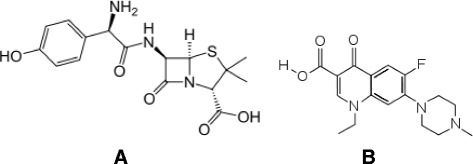
To investigate whether amoxillin and pefloxacin perturb lipid metabolism.
Rats were treated with therapeutic doses of each antibiotic for 5 and 10 days respectively. Twenty four hours after the last antibiotic treatment and 5 days after antibiotic withdrawal, blood and other tissues (liver, kidney, brain, heart and spleen) were removed from the animals after an overnight fast and analysed for their lipid contents.
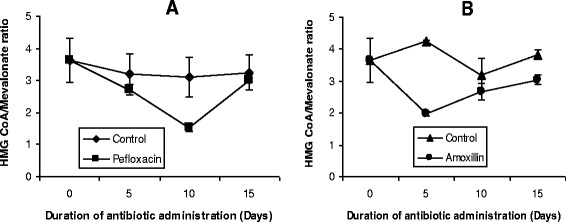
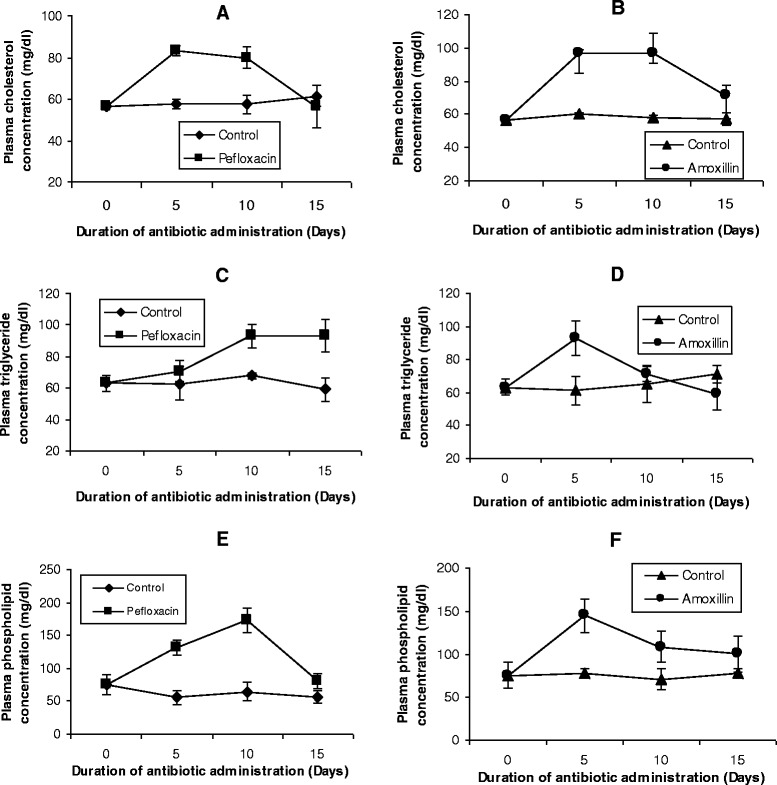
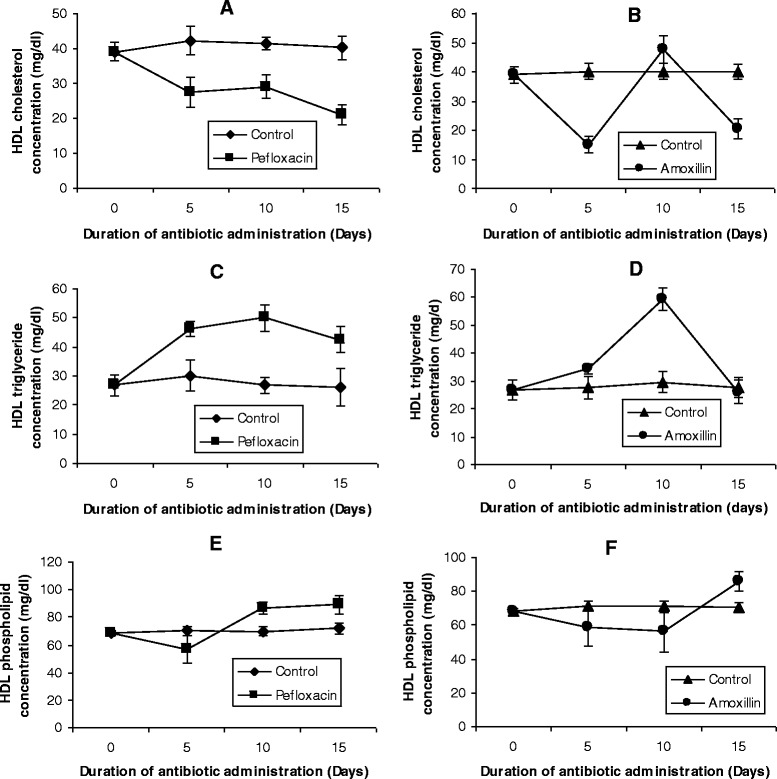
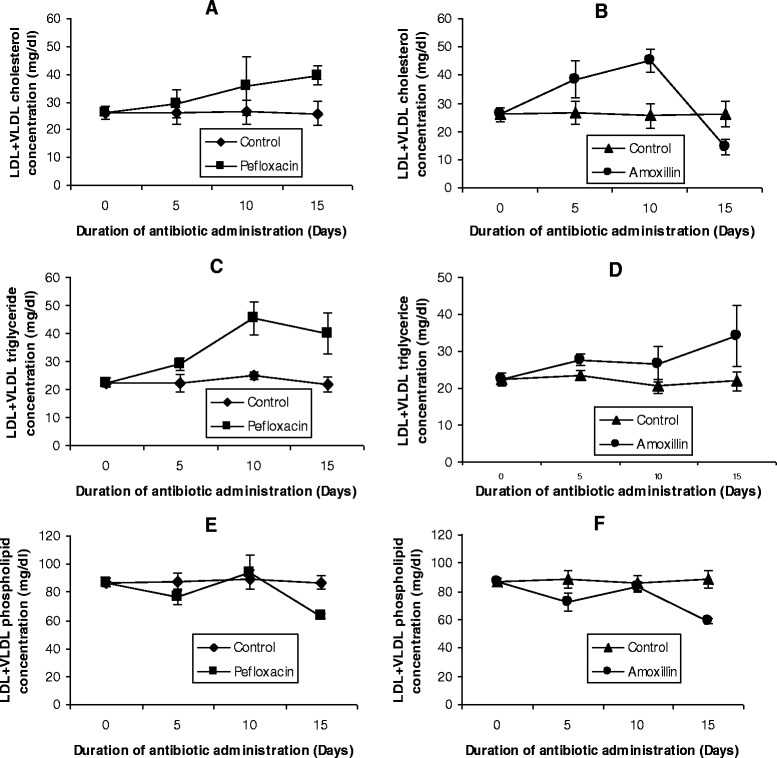
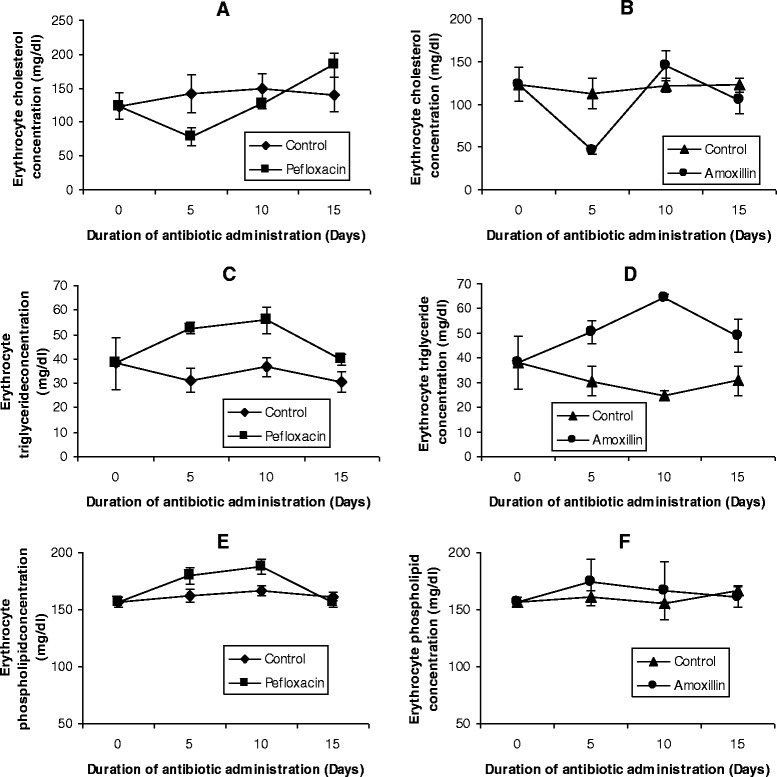
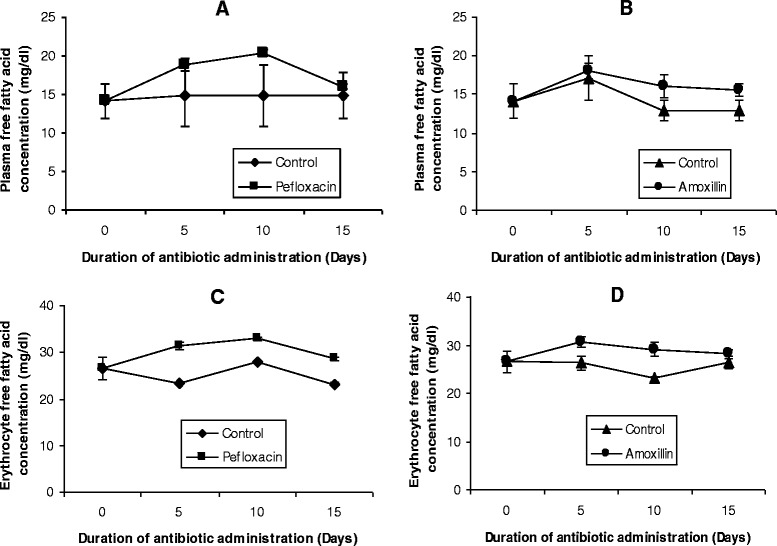
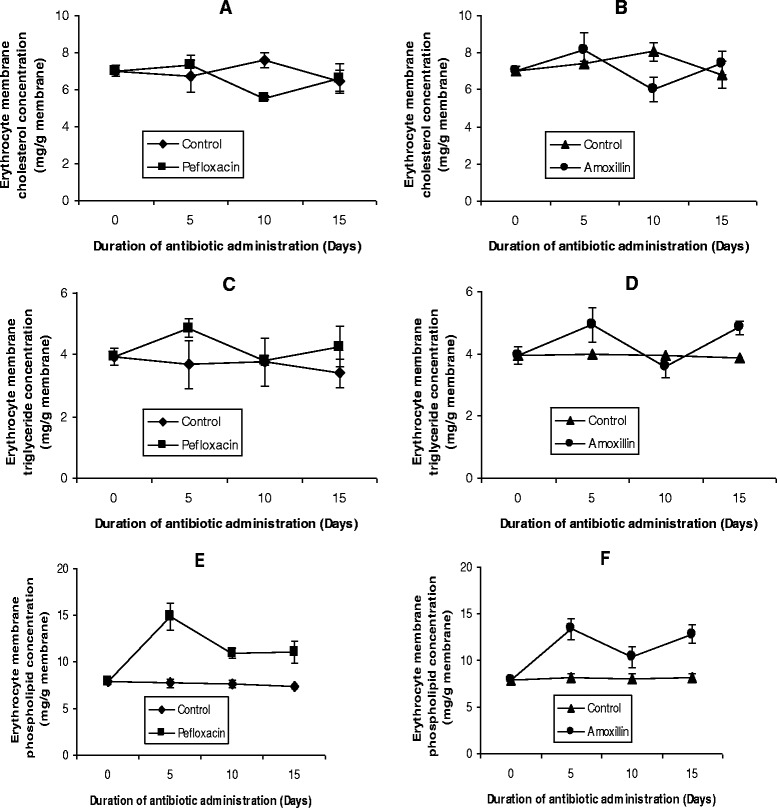
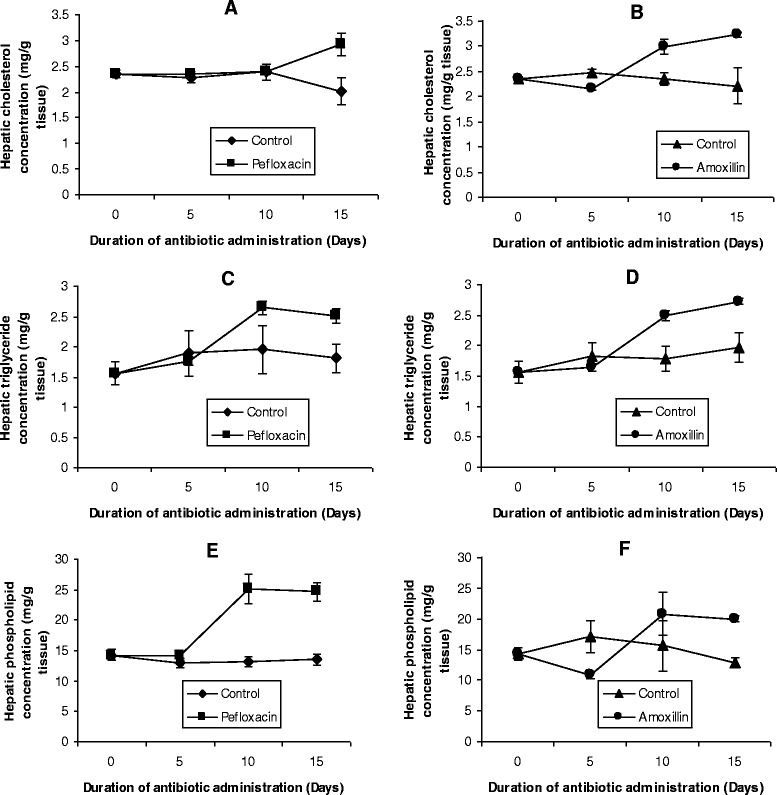
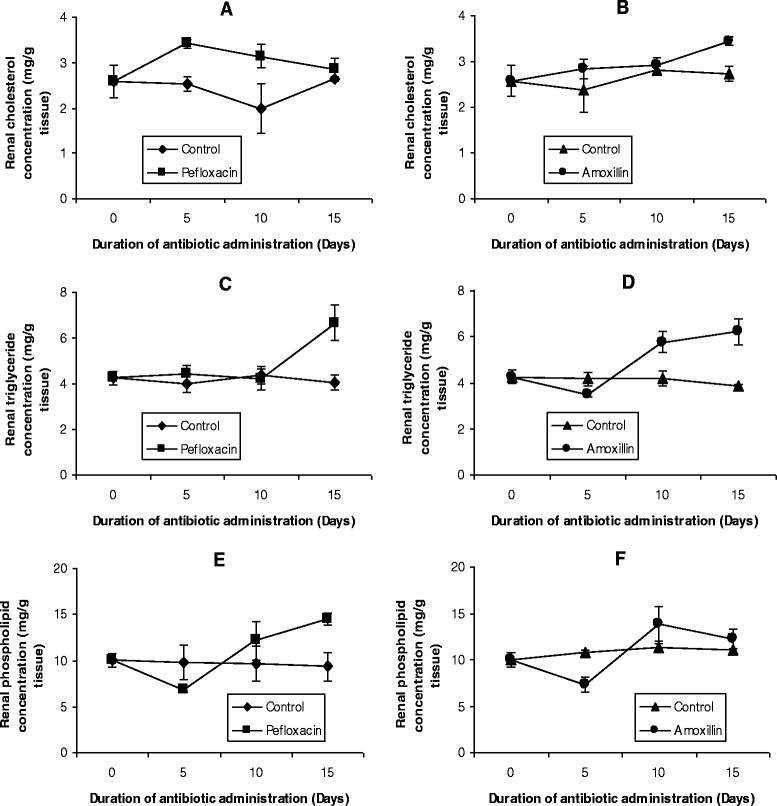
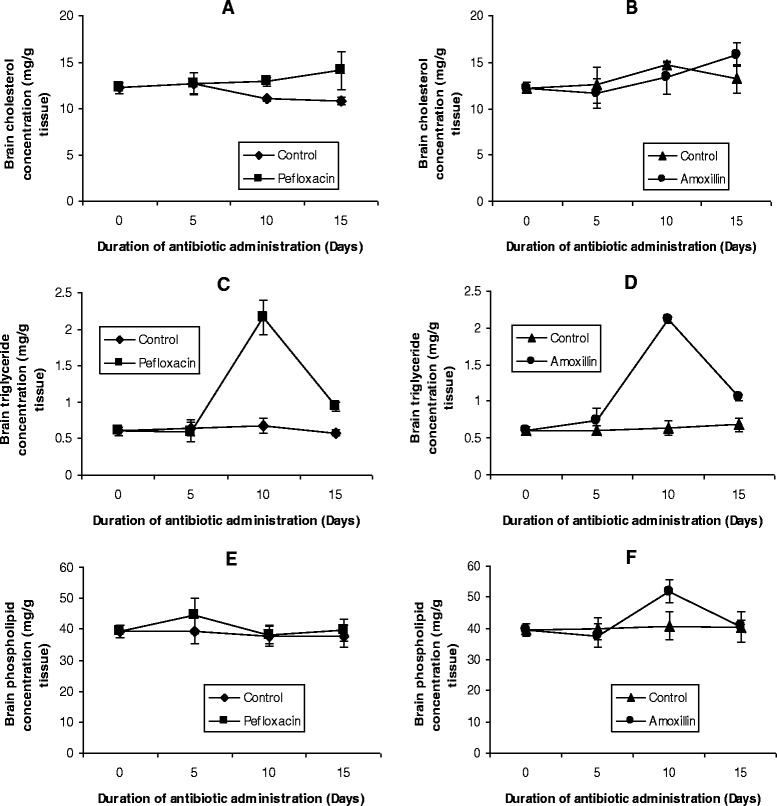
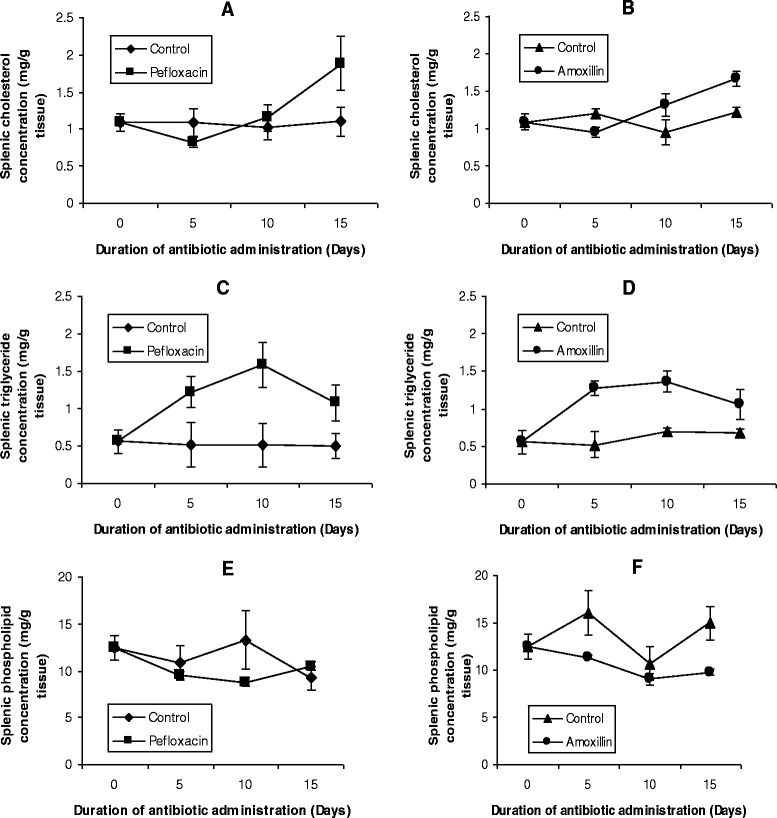
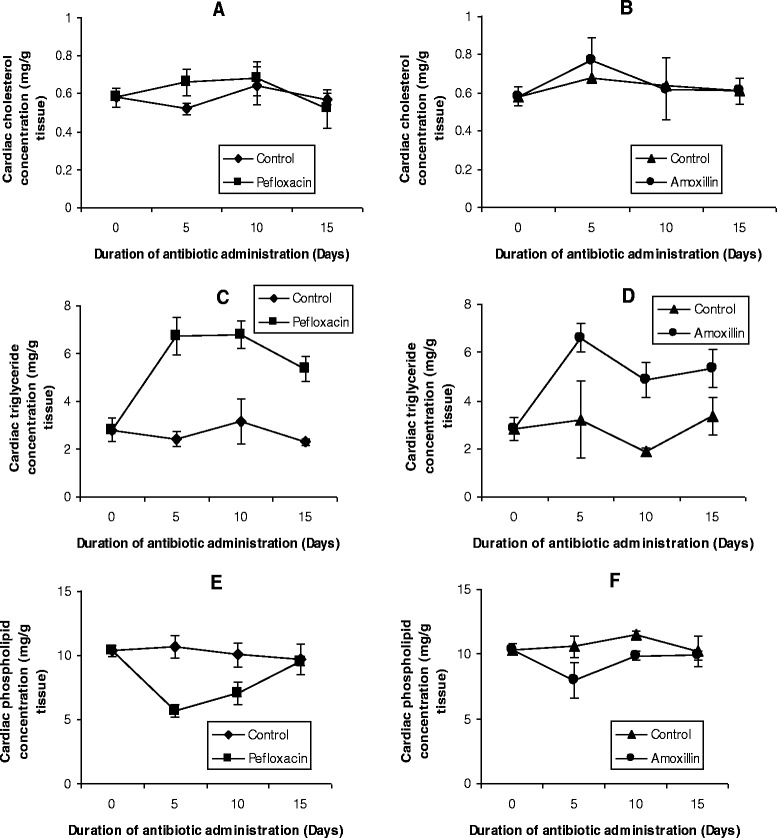
Both antibiotics produced various degrees of compartment-specific dyslipidemia in the animals. While plasma and erythrocyte dyslipidemia was characterised by up-regulation of the concentrations of the major lipids (cholesterol, triglycerides, phospholipids and free fatty acids), hepatic and renal dyslipidemia was characterised by cholesterogenesis and phospholipidosis. Splenic dyslipidemia was characterised by cholesterogenesis and decreased phospholipid levels. Cardiac and brain cholesterol contents were not affected by the antibiotics. A transient phospholipidosis was observed in the brain whereas cardiac phospholipids decreased significantly. Lipoprotein abnormalities were reflected as down-regulation of HDL cholesterol. Furthermore, the two antibiotics increased the activity of hepatic HMG-CoA reductase. Although erythrocyte phospholipidosis was resolved 5 days after withdrawing the antibiotics, dyslipidemia observed in other compartments was still not reversible.
Our findings suggest that induction of cholesterogenesis and phospholipidosis might represent additional adverse effects of amoxillin and pefloxacin.
研究阿莫西林和培氟沙星是否会干扰脂质代谢。
分别用每种抗生素的治疗剂量对大鼠进行5天和10天的治疗。在最后一次抗生素治疗后24小时以及停药5天后,让动物禁食过夜,然后取血及其他组织(肝脏、肾脏、大脑、心脏和脾脏),分析其脂质含量。
两种抗生素均在动物体内产生了不同程度的特定部位血脂异常。血浆和红细胞血脂异常的特征是主要脂质(胆固醇、甘油三酯、磷脂和游离脂肪酸)浓度上调,而肝脏和肾脏血脂异常的特征是胆固醇生成和磷脂蓄积。脾脏血脂异常的特征是胆固醇生成和磷脂水平降低。心脏和大脑的胆固醇含量不受抗生素影响。在大脑中观察到短暂的磷脂蓄积,而心脏磷脂显著减少。脂蛋白异常表现为高密度脂蛋白胆固醇下调。此外,两种抗生素均增加了肝脏HMG-CoA还原酶的活性。虽然停药5天后红细胞磷脂蓄积得到缓解,但在其他部位观察到的血脂异常仍然不可逆转。
我们的研究结果表明,胆固醇生成和磷脂蓄积的诱导可能是阿莫西林和培氟沙星的额外不良反应。