Ramsay Douglas S, Al-Noori Salwa, Shao Jason, Leroux Brian G, Woods Stephen C, Kaiyala Karl J
Department of Oral Health Sciences, University of Washington, Seattle, WA, United States of America.
Department of Biostatistics, University of Washington, Seattle, WA, United States of America.
PLoS One. 2015 Apr 16;10(4):e0124740. doi: 10.1371/journal.pone.0124740. eCollection 2015.
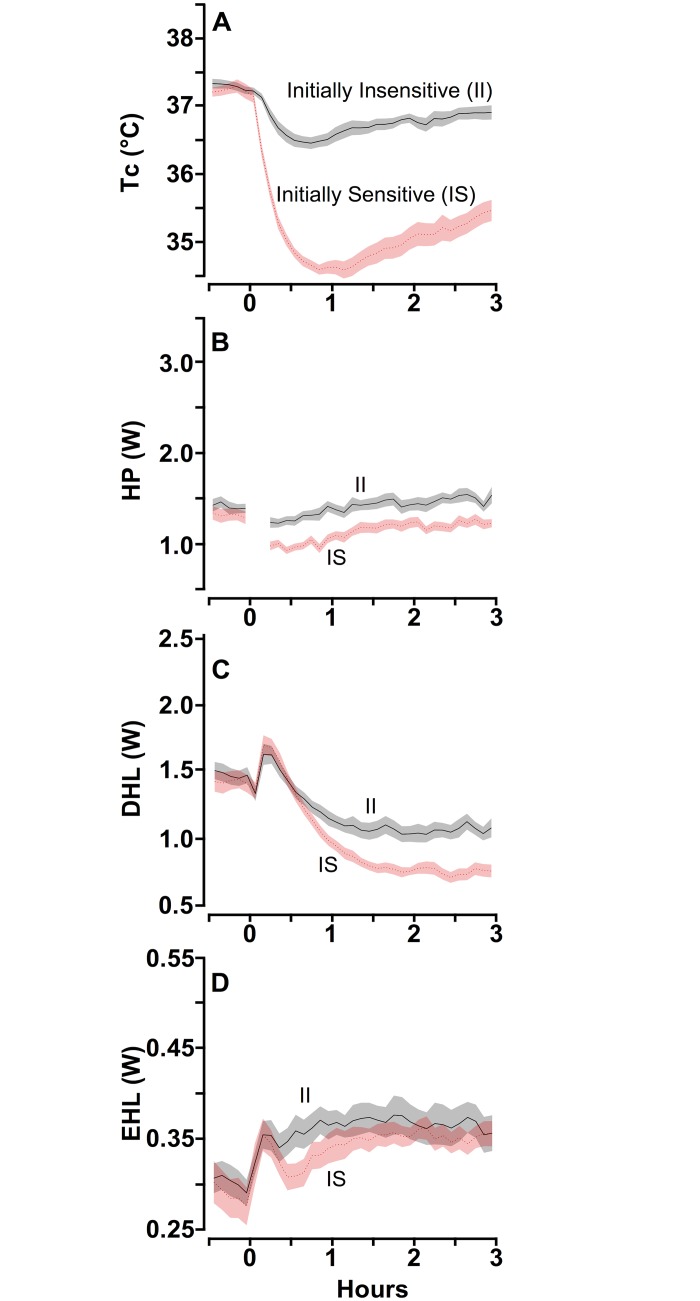
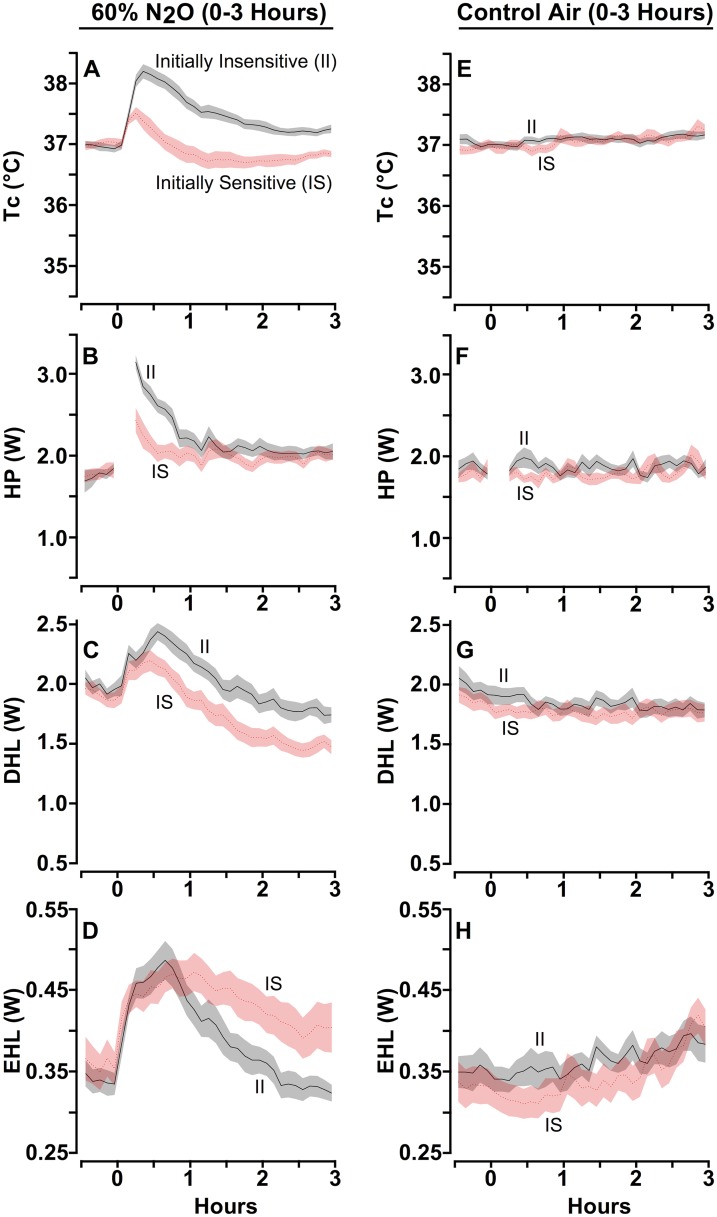
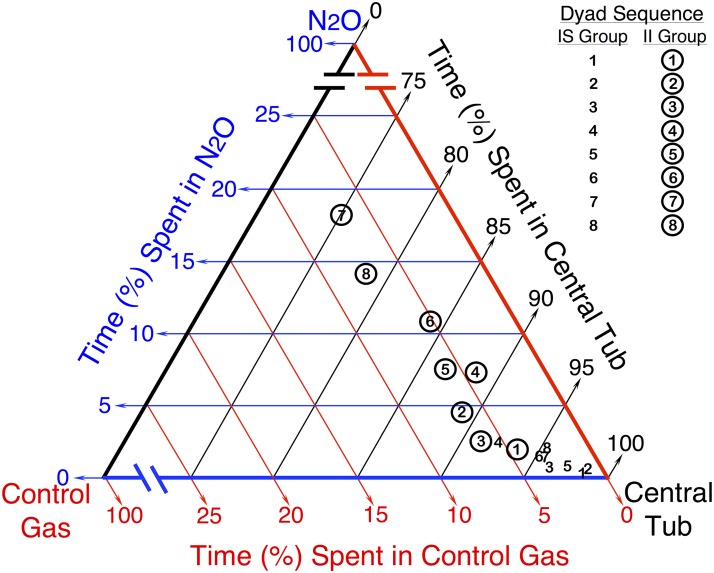
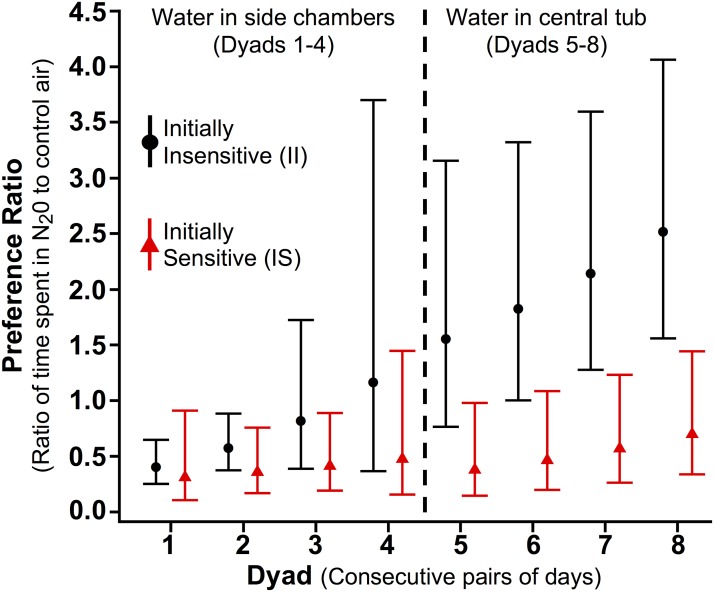
Considerable data suggest that individuals who appear minimally disrupted during an initial drug administration have elevated risk for abusing the drug later. A better understanding of this association could lead to more effective strategies for preventing and treating drug addiction. To investigate this phenomenon using a rigorous experimental model, we first administered the abused inhalant nitrous oxide (N2O) to rats in a total calorimetry and temperature system to identify groups that were sensitive or insensitive to the drug's hypothermic effect. We then enrolled the two groups in a novel N2O self-administration paradigm. The initially insensitive rats self-administered significantly more N2O than sensitive rats, an important step in the transition to addiction. Continuous non-invasive measurement of core temperature and its underlying determinants during screening revealed that both groups had similarly increased heat loss during initial N2O administration, but that insensitive rats generated more heat and thereby remained relatively normothermic. Calorimetry testing conducted after self-administration revealed that whereas N2O's effect on heat loss persisted comparably for both groups, initially insensitive rats actually over-responded by generating excess heat and becoming hyperthermic. Thus, rats with the greatest initial heat-producing compensatory response(s) appeared initially insensitive to N2O-induced hypothermia, subsequently self-administered more N2O, and developed hyperthermic overcompensation during N2O inhalation, consistent with increased abuse potential and an allostatic model of addictive vulnerability.
大量数据表明,在初次用药期间看似受影响最小的个体,日后滥用该药物的风险更高。更好地理解这种关联可能会带来预防和治疗药物成瘾的更有效策略。为了使用严格的实验模型研究这一现象,我们首先在总热量测定和温度系统中给大鼠施用滥用的吸入剂一氧化二氮(N2O),以识别对该药物低温效应敏感或不敏感的组。然后,我们将这两组大鼠纳入一种新的N2O自我给药范式。在筛选过程中对核心温度及其潜在决定因素进行连续无创测量发现,在初次施用N2O期间,两组大鼠的热量损失均同样增加,但不敏感的大鼠产生的热量更多,从而保持相对正常体温。自我给药后进行的热量测定测试表明,虽然N2O对热量损失的影响在两组中持续相当,但最初不敏感的大鼠实际上通过产生过多热量并变得体温过高而反应过度。因此,最初产生最大产热代偿反应的大鼠最初对N2O诱导的低温不敏感,随后自我施用更多的N2O,并在吸入N2O期间出现体温过高的过度代偿,这与滥用可能性增加和成瘾易感性的应激适应模型一致。