Pereira Júnior Antonio Marques, Teles Carolina Bioni Garcia, de Azevedo dos Santos Ana Paula, de Souza Rodrigues Moreno, Marialva Eric Fabrício, Pessoa Felipe Arley Costa, Medeiros Jansen Fernandes
Instituto Nacional de Pesquisas da Amazônia/Fiocruz Rondônia, Porto Velho, Rondônia, Brazil.
Laboratório de Ecologia de Doenças Transmissíveis da Amazônia (EDTA) - Centro de Pesquisa Leônidas e Maria Deane - Fiocruz Amazônia, Manaus, Amazonas, Brazil.
Parasit Vectors. 2015 Mar 25;8:180. doi: 10.1186/s13071-015-0789-2.
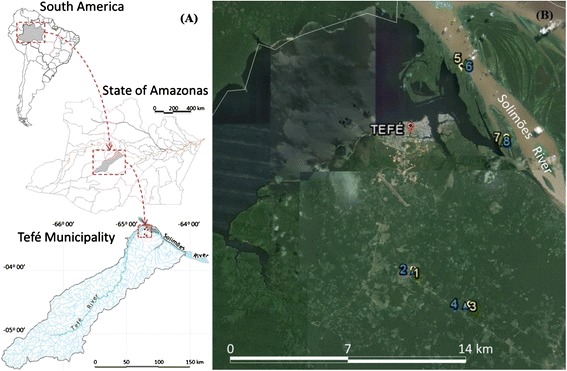
Phlebotomine sand flies (Diptera: Psychodidae) are insects of medical importance due to the role that some species play in the transmission of leishmaniasis. This work aimed to study some ecological aspects among sand flies fauna inhabiting two different environments: the várzea (lowland Amazonian forest) and terra firme (upland Amazonian forest), both located in Tefé Municipality, Amazonas State, Braziland to detect Leishmania infection in those phlebotomine populations.
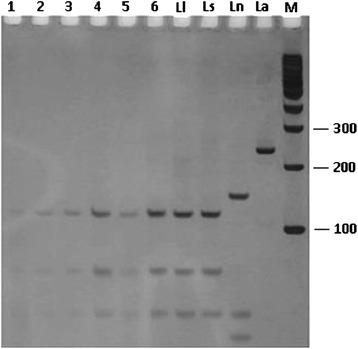
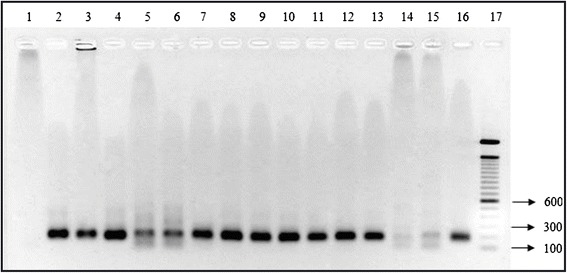
Sand flies were collected using HP light traps. Collection took place over the course of six months: January, February, April, August, September, and October of 2013. To detect natural infection by Leishmania, DNA samples were extracted from female sand flies and submitted to Polymerase Chain Reaction (PCR) targeting the kDNA gene; Leishmania species were identified by PCR-RFLP targeting the hsp70 gene and genetic sequencing.
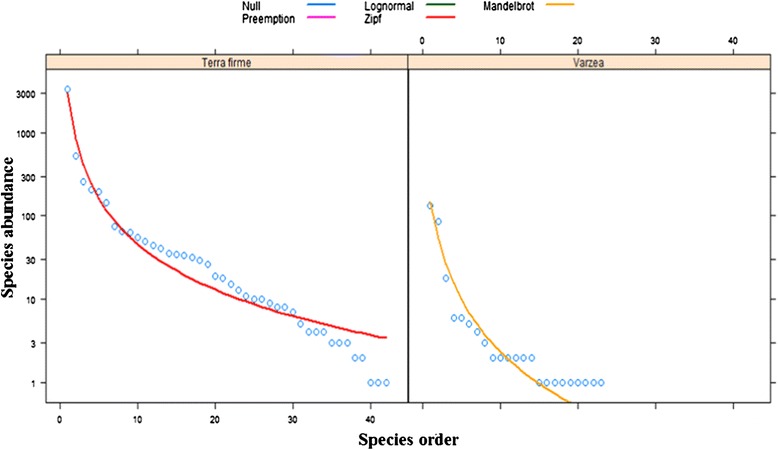
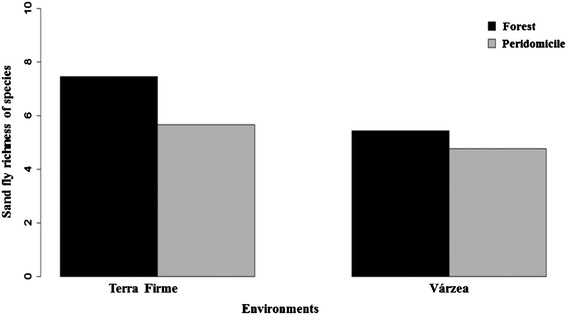
In all, 5,716 individuals were collected, and 46 species were identified. Trichophoromyia ubiquitalis (3,330 - 58.26%) and Nyssomyia antunesi (661 - 11.26%) were the most abundant species. Species richness was greater in terra firme environments (42 species) than in the várzea environments (22 species), and forests ecotopes (43 species) were richer than peridomiciles (28 species). DNA of Leishmania was found in Th. ubiquitalis and Psychodopygus davisi, both of which inhabit the terra firme environment and sequencing analysis confirmed the presence of Leishmania (Viannia) lainsoni DNA in Th. ubiquitalis in Tefé Municipality.
The high abundance of Th. ubiquitalis and Ps. davisi and detection of DNA of Leishmania sp. may indicate that both species could be putative vectors for American Cutaneous Leishmaniasis (ACL) in the terra firme environment of Tefé. The sand fly fauna found in várzea is rich and diverse, exhibiting several species, nevertheless the seasonal hydric stress during part of the year that could influence the local diversity, if compared with other studies. This is the first report in Amazonas State of Th. ubiquitalis with presence of L. (V.) lainsoni DNA.
白蛉(双翅目:毛蠓科)是具有医学重要性的昆虫,因为一些种类在利什曼病的传播中发挥作用。本研究旨在探讨栖息于巴西亚马孙州特费市两种不同环境——泛滥平原(低地亚马孙森林)和高地森林(高地亚马孙森林)的白蛉动物群的一些生态特征,并检测这些白蛉种群中的利什曼原虫感染情况。
使用HP诱虫灯收集白蛉。收集工作在2013年1月、2月、4月、8月、9月和10月这六个月期间进行。为检测利什曼原虫的自然感染情况,从雌性白蛉中提取DNA样本,并进行针对kDNA基因的聚合酶链反应(PCR);通过针对hsp70基因的PCR-RFLP和基因测序鉴定利什曼原虫种类。
共收集到5716只个体,鉴定出46个种类。普遍毛蠓(3330只,占比58.26%)和安图内斯白蛉(661只,占比11.26%)是数量最多 的种类。高地森林环境中的物种丰富度(42种)高于泛滥平原环境(22种),森林生态位(43种)比住宅周边(28种)更丰富。在普遍毛蠓和达氏毛蠓中发现了利什曼原虫的DNA,这两种白蛉都栖息于高地森林环境,测序分析证实了特费市普遍毛蠓中存在亚马逊利什曼原虫(维氏亚属)的DNA。
普遍毛蠓和达氏毛蠓数量众多以及利什曼原虫属DNA的检测结果可能表明,这两个种类可能是特费市高地森林环境中美洲皮肤利什曼病(ACL)的假定传播媒介。泛滥平原发现的白蛉动物群丰富多样,有多个种类,不过与其他研究相比,一年中部分时间的季节性水分胁迫可能会影响当地的生物多样性。这是亚马孙州关于普遍毛蠓携带亚马逊利什曼原虫(维氏亚属)DNA的首次报告。