Dastidar Amardeep Ghosh, Frontera Antonio, Palazzuoli Alberto, Bucciarelli-Ducci Chiara
NIHR Cardiovascular Biomedical Research Unit, Bristol Heart Institute, University of Bristol, Bristol, BS2 8HW, UK,
Heart Fail Rev. 2015 Jul;20(4):415-21. doi: 10.1007/s10741-015-9489-4.
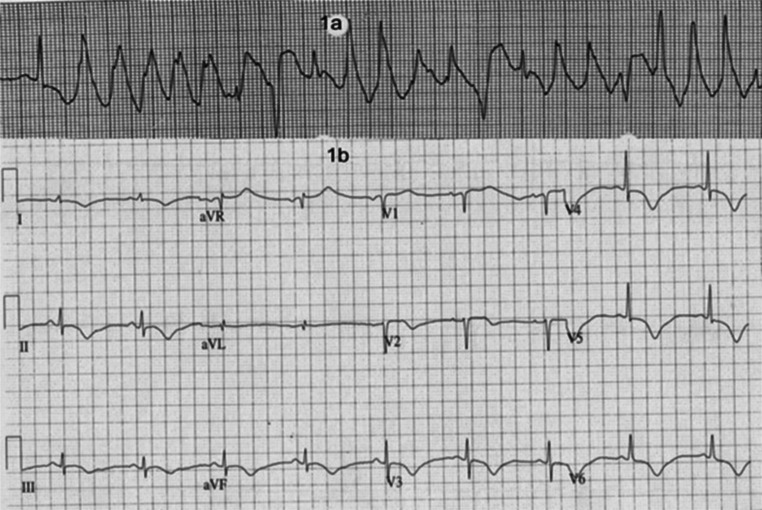
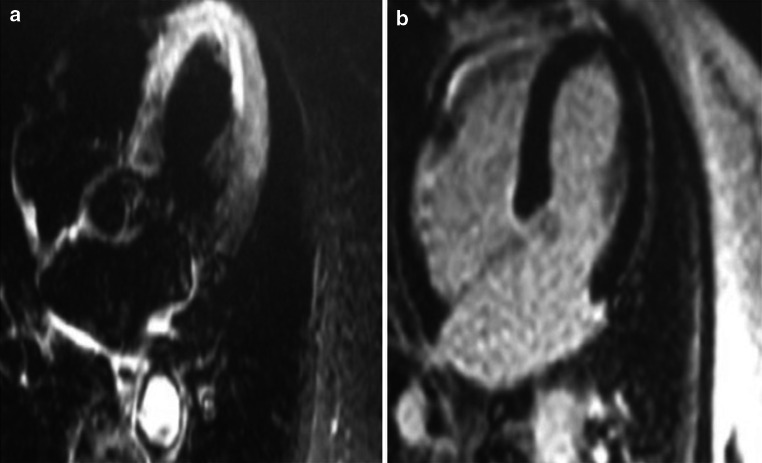
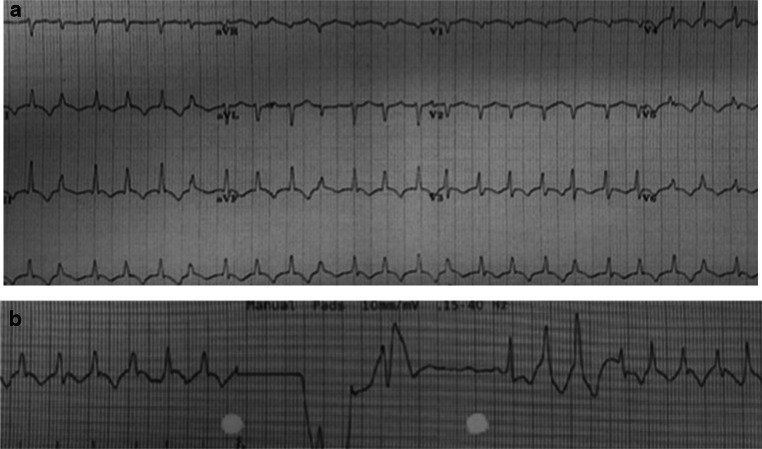
TakoTsubo cardiomyopathy (TCM) is a unique type of reversible cardiomyopathy that is precipitated by a stressful emotional or physical event. The increasing incidence is due to the greater use of emergency coronary angiography, newer cardiac biomarkers together with more sensitive cardiac imaging techniques. Few case reports have documented how TCM can present with malignant arrhythmias such as torsades de pointes caused by the repolarisation abnormalities or QTc prolongation. Although TCM is usually considered a benign reversible condition, its associated arrhythmic risk is increasingly recognised. TCM often presents as an acute coronary syndrome with unobstructed coronary arteries at angiography. In this patient population, cardiac magnetic resonance (CMR) is a useful tool to establish a differential diagnosis, discriminating TCM from acute myocarditis and myocardial infarction with spontaneous recanalisation. CMR is becoming a promising new diagnostic modality in risk stratifying patients with potential higher arrhythmic risk.
应激性心肌病(TCM)是一种独特的可逆性心肌病,由情绪或身体应激事件诱发。其发病率上升归因于急诊冠状动脉造影术的更多应用、新型心脏生物标志物以及更敏感的心脏成像技术。很少有病例报告记录应激性心肌病如何表现为恶性心律失常,如由复极异常或QTc延长引起的尖端扭转型室速。尽管应激性心肌病通常被认为是一种良性可逆性疾病,但其相关的心律失常风险越来越受到重视。应激性心肌病常表现为急性冠状动脉综合征,血管造影显示冠状动脉无阻塞。在这类患者中,心脏磁共振成像(CMR)是建立鉴别诊断的有用工具,可将应激性心肌病与急性心肌炎和自发再通的心肌梗死区分开来。CMR正成为对具有潜在较高心律失常风险的患者进行风险分层的一种有前景的新诊断方法。