Gonzalez-Rodriguez David, Barakat Abdul I
Laboratoire d'Hydrodynamique (LadHyX), École Polytechnique, CNRS UMR 7646, Palaiseau, France.
PLoS One. 2015 Apr 22;10(4):e0122097. doi: 10.1371/journal.pone.0122097. eCollection 2015.
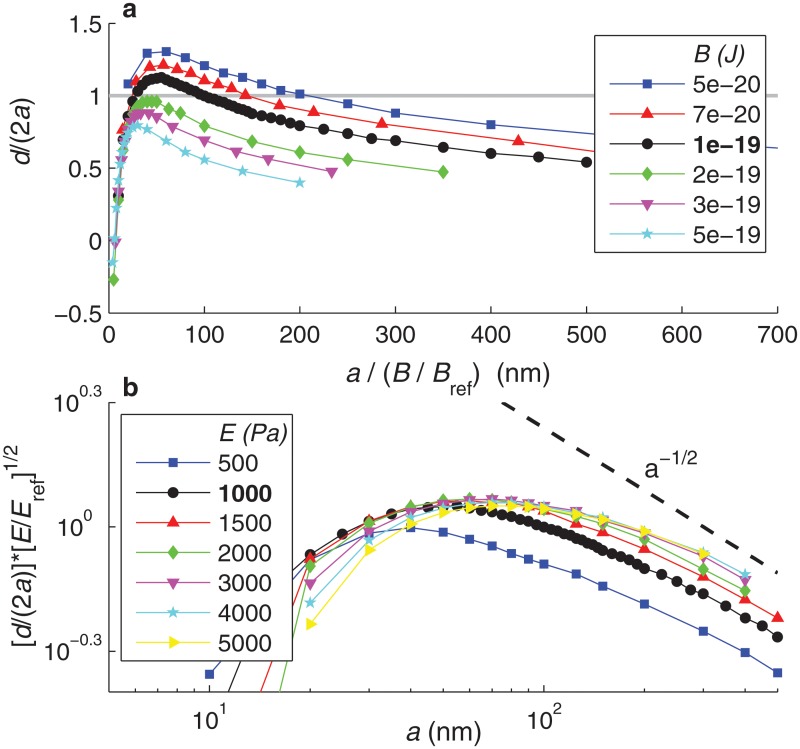
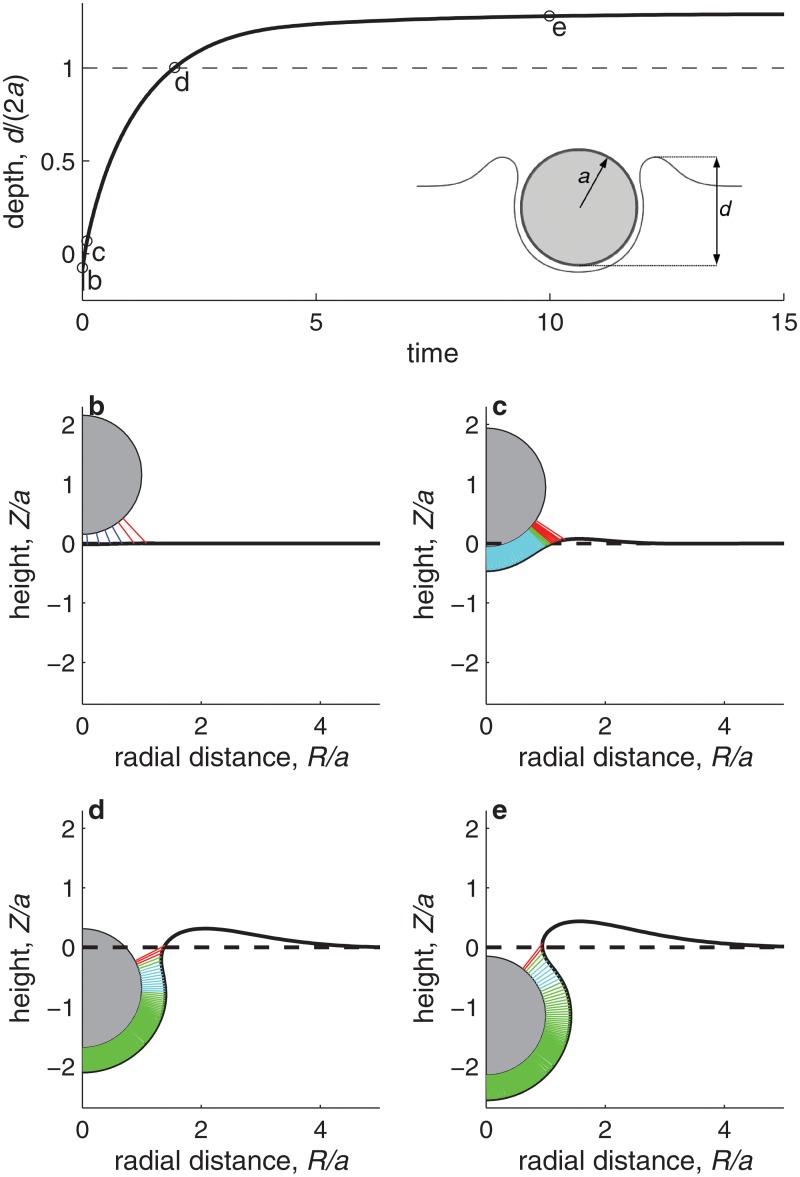
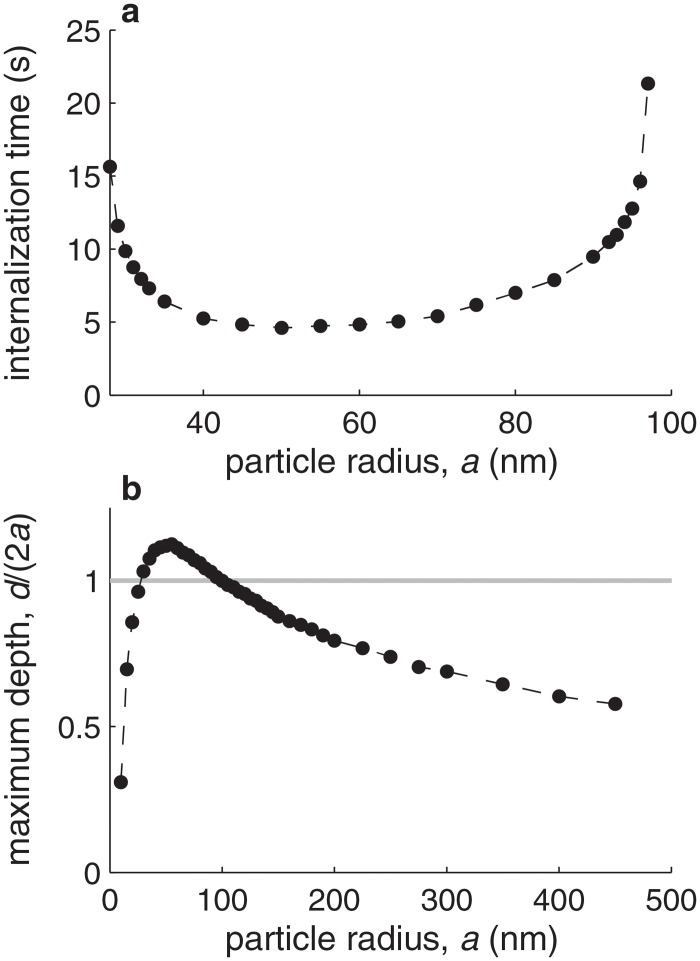
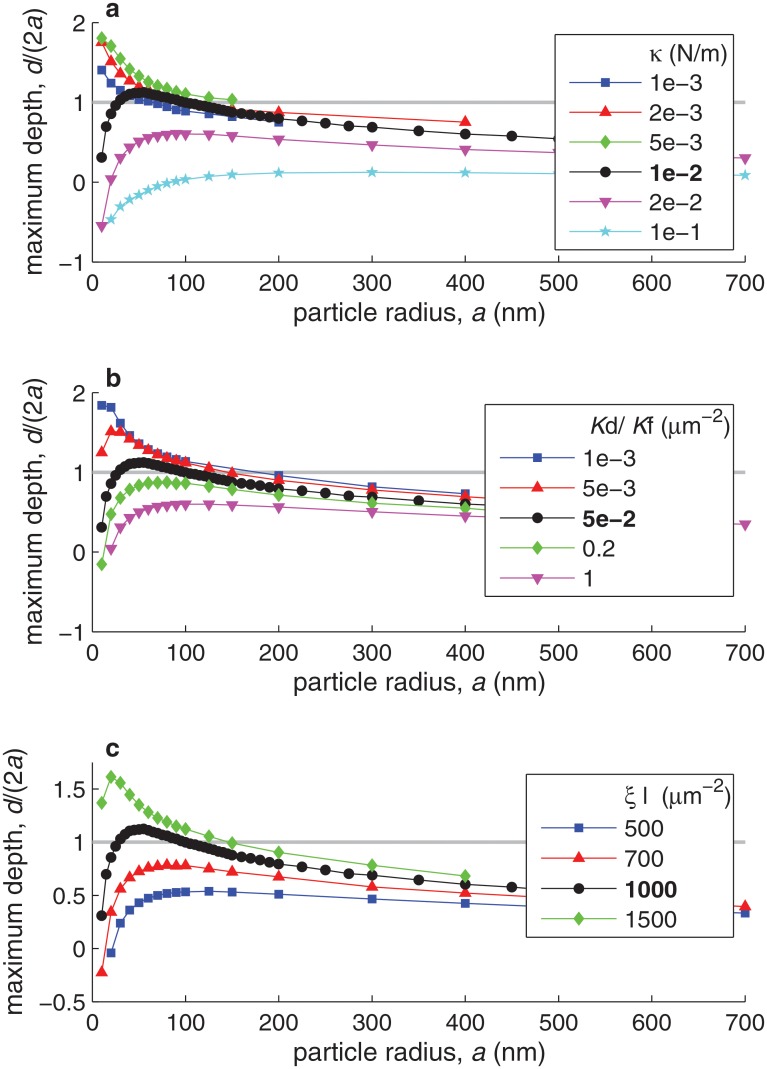
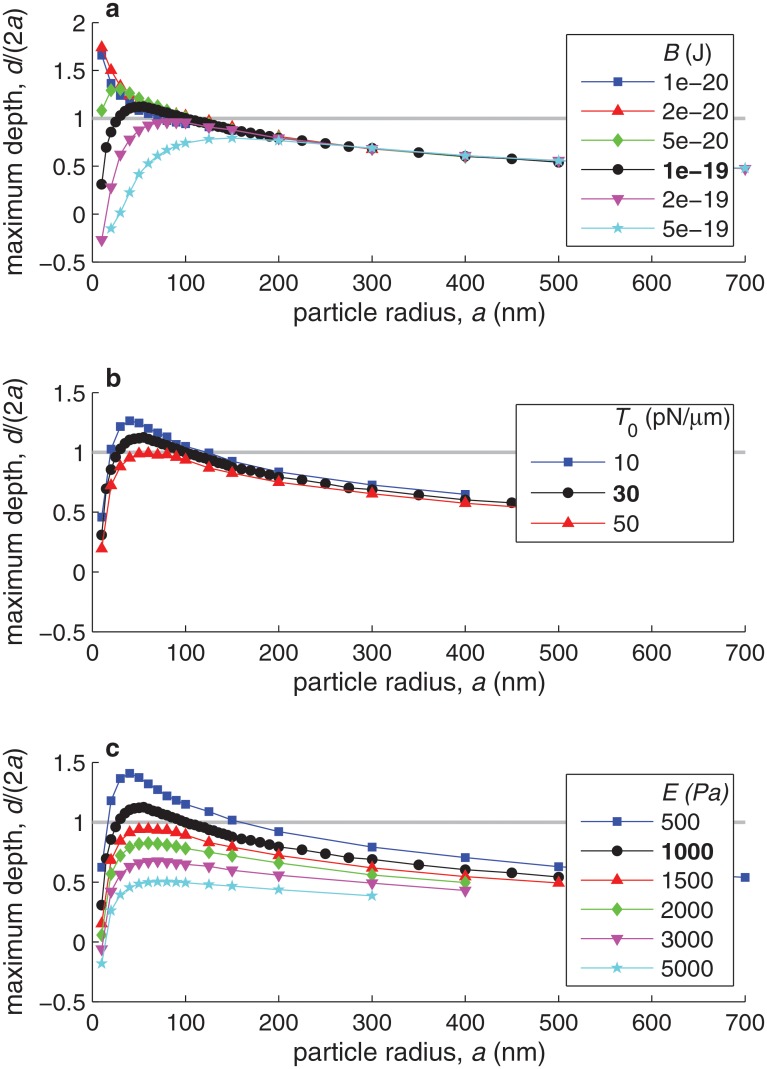
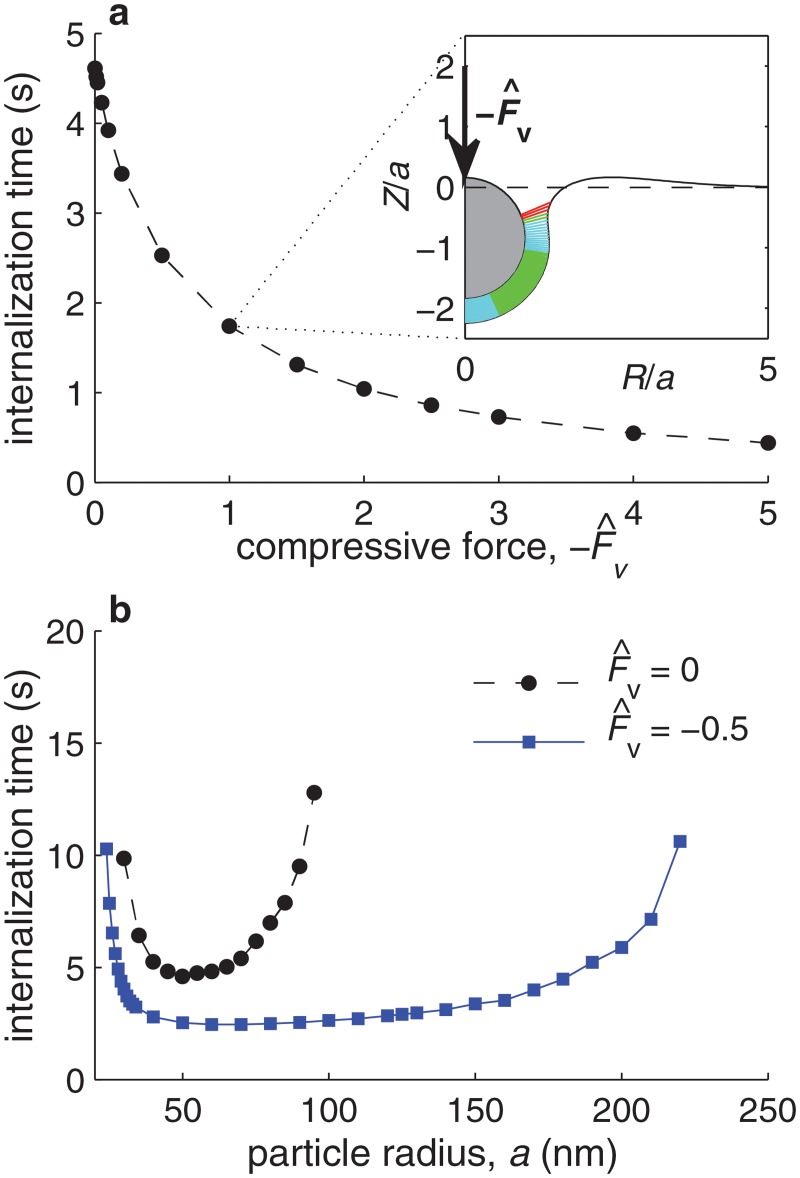
Nanoparticles offer a promising medical tool for targeted drug delivery, for example to treat inflamed endothelial cells during the development of atherosclerosis. To inform the design of such therapeutic strategies, we develop a computational model of nanoparticle internalization into endothelial cells, where internalization is driven by receptor-ligand binding and limited by the deformation of the cell membrane and cytoplasm. We specifically consider the case of nanoparticles targeted against ICAM-1 receptors, of relevance for treating atherosclerosis. The model computes the kinetics of the internalization process, the dynamics of binding, and the distribution of stresses exerted between the nanoparticle and the cell membrane. The model predicts the existence of an optimal nanoparticle size for fastest internalization, consistent with experimental observations, as well as the role of bond characteristics, local cell mechanical properties, and external forces in the nanoparticle internalization process.
纳米颗粒为靶向给药提供了一种很有前景的医学工具,例如在动脉粥样硬化发展过程中治疗炎症性内皮细胞。为了指导此类治疗策略的设计,我们开发了一个纳米颗粒内化进入内皮细胞的计算模型,其中内化由受体 - 配体结合驱动,并受细胞膜和细胞质变形的限制。我们特别考虑了针对ICAM - 1受体的纳米颗粒的情况,这与治疗动脉粥样硬化相关。该模型计算内化过程的动力学、结合动力学以及纳米颗粒与细胞膜之间施加的应力分布。该模型预测存在使内化最快的最佳纳米颗粒尺寸,这与实验观察结果一致,同时还预测了键特性、局部细胞力学性质和外力在纳米颗粒内化过程中的作用。