Prevention Alzheimer International Foundation, International Alzheimer Research Center Martigny-Croix, Switzerland.
Front Aging Neurosci. 2015 Apr 16;7:46. doi: 10.3389/fnagi.2015.00046. eCollection 2015.
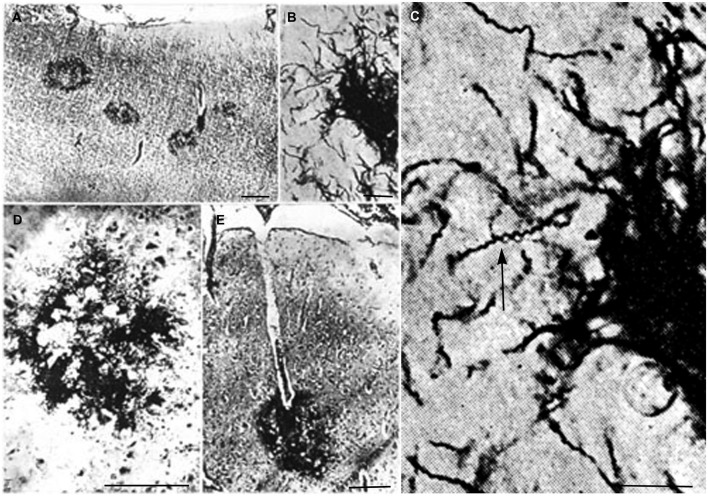
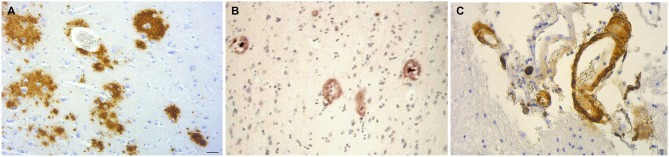
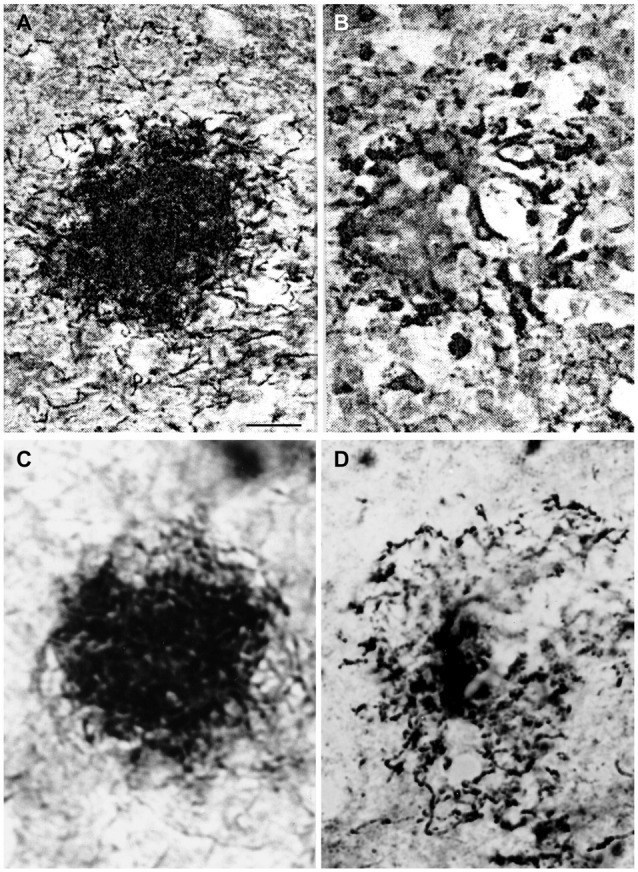
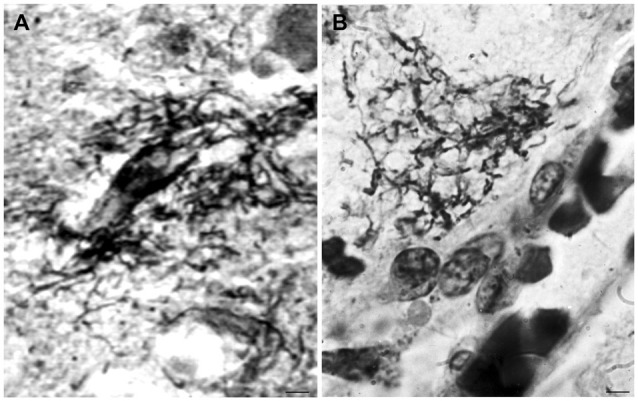
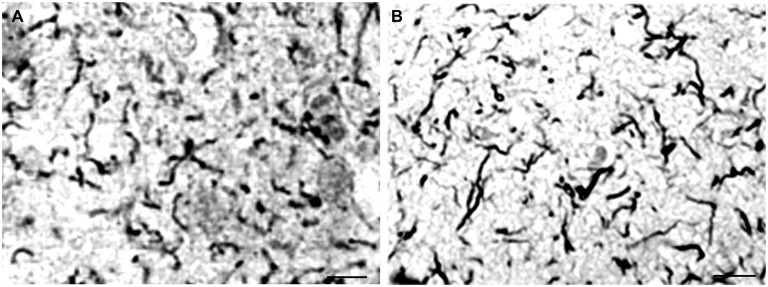
Following previous observations a statistically significant association between various types of spirochetes and Alzheimer's disease (AD) fulfilled Hill's criteria in favor of a causal relationship. If spirochetal infections can indeed cause AD, the pathological and biological hallmarks of AD should also occur in syphilitic dementia. To answer this question, observations and illustrations on the detection of spirochetes in the atrophic form of general paresis, which is known to be associated with slowly progressive dementia, were reviewed and compared with the characteristic pathology of AD. Historic observations and illustrations published in the first half of the 20th Century indeed confirm that the pathological hallmarks, which define AD, are also present in syphilitic dementia. Cortical spirochetal colonies are made up by innumerable tightly spiraled Treponema pallidum spirochetes, which are morphologically indistinguishable from senile plaques, using conventional light microscopy. Local brain amyloidosis also occurs in general paresis and, as in AD, corresponds to amyloid beta. These historic observations enable us to conclude that chronic spirochetal infections can cause dementia and reproduce the defining hallmarks of AD. They represent further evidence in support a causal relationship between various spirochetal infections and AD. They also indicate that local invasion of the brain by these helically shaped bacteria reproduce the filamentous pathology characteristic of AD. Chronic infection by spirochetes, and co-infection with other bacteria and viruses should be included in our current view on the etiology of AD. Prompt action is needed as AD might be prevented.
继先前的观察结果,各种类型的螺旋体与阿尔茨海默病(AD)之间存在统计学上显著的关联,符合希尔斯标准,支持因果关系。如果螺旋体感染确实可以导致 AD,那么 AD 的病理和生物学特征也应该出现在梅毒痴呆中。为了回答这个问题,我们回顾了关于萎缩性全麻痹中螺旋体检测的观察结果和说明,众所周知,这种疾病与进行性痴呆有关,并将其与 AD 的特征病理学进行了比较。发表于 20 世纪上半叶的历史观察结果和说明确实证实,定义 AD 的病理特征也存在于梅毒痴呆中。皮质螺旋体菌落由无数紧密螺旋的苍白密螺旋体螺旋体组成,使用常规光镜观察,这些螺旋体在形态上与老年斑无法区分。局部脑淀粉样变性也发生在麻痹性痴呆中,与 AD 一样,对应于β淀粉样蛋白。这些历史观察使我们能够得出结论,慢性螺旋体感染可以导致痴呆,并复制 AD 的定义特征。它们进一步证明了各种螺旋体感染与 AD 之间存在因果关系。它们还表明,这些螺旋形细菌对大脑的局部侵袭复制了 AD 特征性的丝状病理学。慢性螺旋体感染以及与其他细菌和病毒的合并感染应纳入我们对 AD 病因的当前认识。由于 AD 可能可以预防,因此需要采取行动。