Di Nardo Francesco, Cogo Carla E, Faelli Emanuela, Morettini Micaela, Burattini Laura, Ruggeri Piero
Department of Information Engineering, Università Politecnica delle Marche, Ancona, Italy.
Department of Experimental Medicine, University of Genoa, Genoa, Italy.
PLoS One. 2015 May 4;10(5):e0125252. doi: 10.1371/journal.pone.0125252. eCollection 2015.
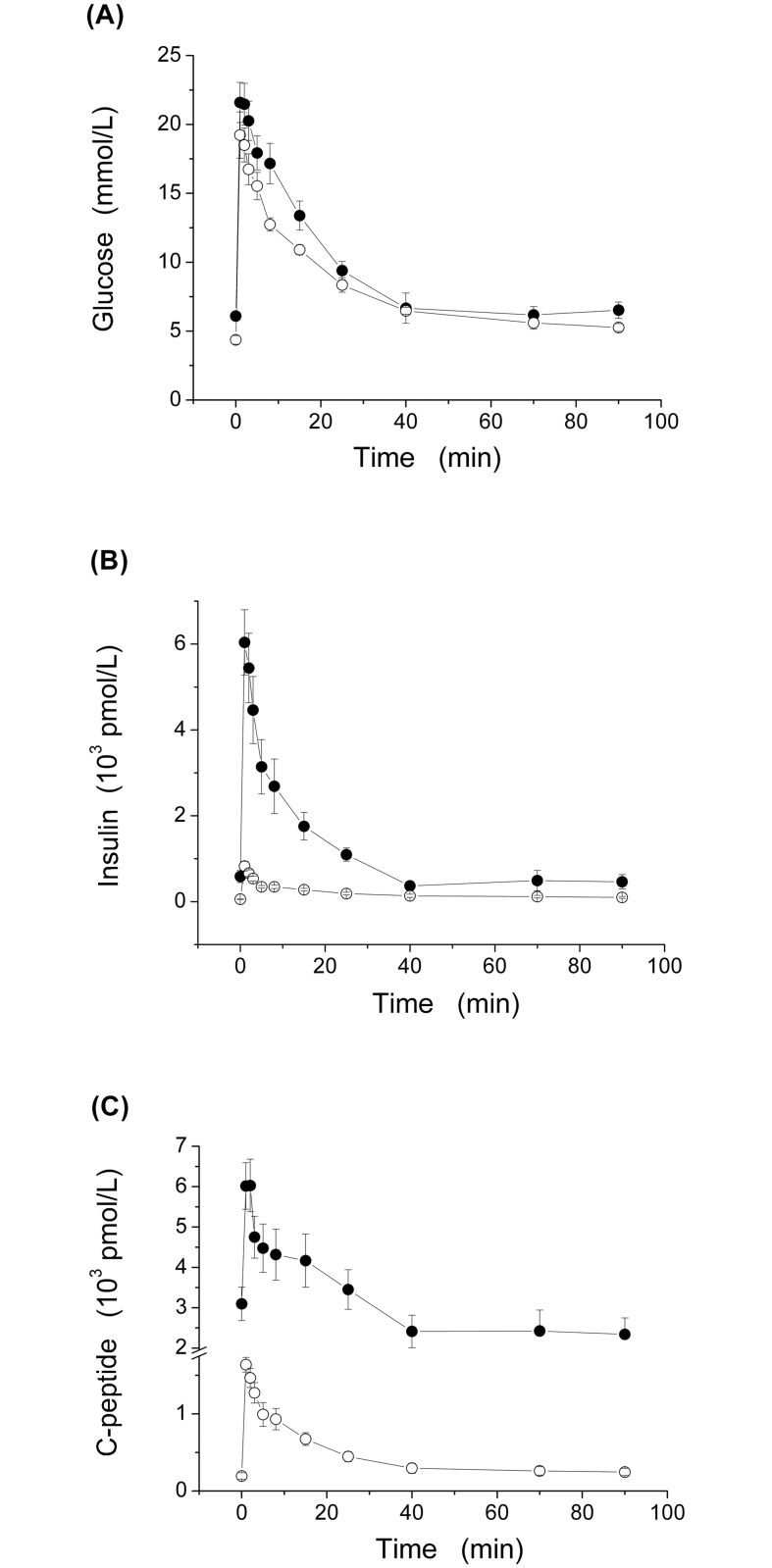
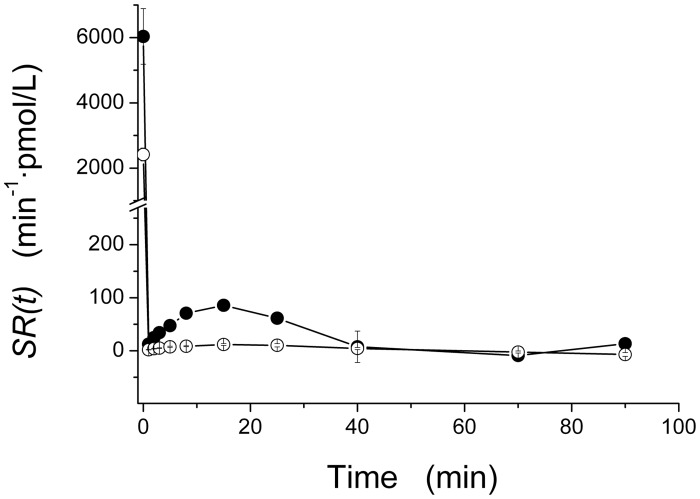
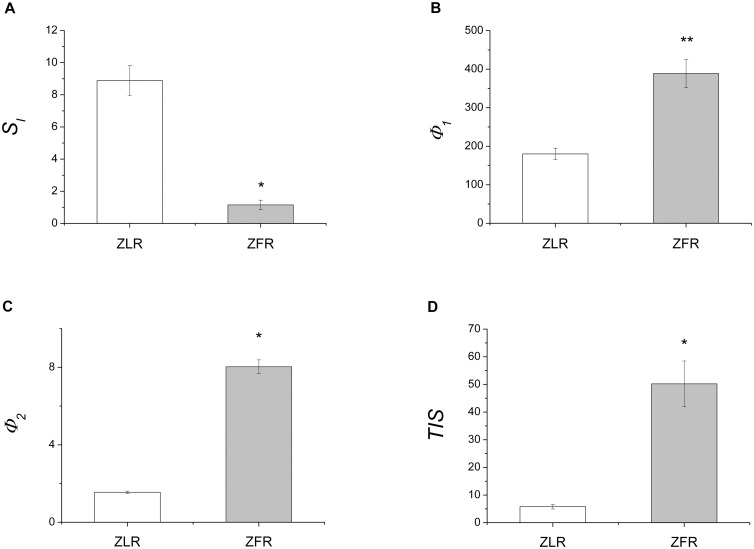
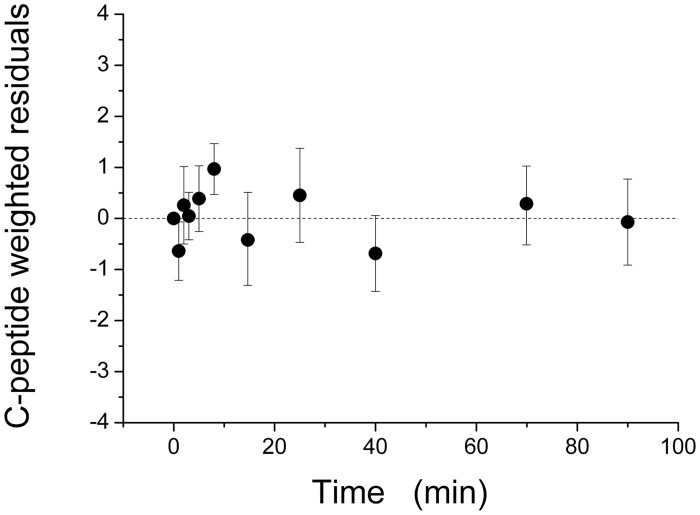
A C-peptide-based assessment of β-cell function was performed here in the Zucker fatty rat, a suitable animal model of human metabolic syndrome. To this aim, a 90-min intravenous glucose tolerance test (IVGTT) was performed in seven Zucker fatty rats (ZFR), 7-to-9 week-old, and seven age-matched Zucker lean rats (ZLR). The minimal model of C-peptide (CPMM), originally introduced for humans, was adapted to Zucker rats and then applied to interpret IVGTT data. For a comprehensive evaluation of glucose tolerance in ZFR, CPMM was applied in combination with the minimal model of glucose kinetics (GKMM). Our results showed that the present CPMM-based interpretation of data is able to: 1) provide a suitable fit of C-Peptide data; 2) achieve a satisfactory estimation of parameters of interest 3) quantify both insulin secretion by estimating the time course of pre-hepatic secretion rate, SR(t), and total insulin secretion, TIS, and pancreatic sensitivity by means of three specific indexes of β-cell responsiveness to glucose stimulus (first-phase, Ф(1), second-phase, Ф(2), and steady-state, Ф(ss), never assessed in Zucker rats before; 4) detect the significant enhancement of insulin secretion in the ZFR, in face of a severe insulin-resistant state, previously observed only using a purely experimental approach. Thus, the methodology presented here represents a reliable tool to assess β-cell function in the Zucker rat, and opens new possibilities for the quantification of further processes involved in glucose homeostasis such as the hepatic insulin degradation.
在此,我们在Zucker肥胖大鼠(一种适合人类代谢综合征的动物模型)中进行了基于C肽的β细胞功能评估。为此,我们对7只7至9周龄的Zucker肥胖大鼠(ZFR)和7只年龄匹配的Zucker瘦大鼠(ZLR)进行了90分钟的静脉葡萄糖耐量试验(IVGTT)。最初用于人类的C肽最小模型(CPMM)被改编用于Zucker大鼠,然后应用于解释IVGTT数据。为了全面评估ZFR的葡萄糖耐量,CPMM与葡萄糖动力学最小模型(GKMM)联合应用。我们的结果表明,目前基于CPMM的数据解释能够:1)对C肽数据提供合适的拟合;2)对感兴趣的参数进行令人满意的估计;3)通过估计肝前分泌率SR(t)的时间进程和总胰岛素分泌TIS来量化胰岛素分泌,并通过β细胞对葡萄糖刺激的三个特定反应指标(第一阶段,Ф(1);第二阶段,Ф(2);稳态,Ф(ss),此前在Zucker大鼠中从未评估过)来量化胰腺敏感性;4)在ZFR中检测到胰岛素分泌的显著增强,尽管存在严重的胰岛素抵抗状态,而此前仅使用纯实验方法观察到这一现象。因此,本文提出的方法代表了一种评估Zucker大鼠β细胞功能的可靠工具,并为量化葡萄糖稳态中涉及的其他过程(如肝脏胰岛素降解)开辟了新的可能性。