Zhang Xinrong, Cui Xiao, Jin Xiaofang, Han Fei, Wang Jingyu, Yang Xiaoyun, Xu Jie, Shan Chunyan, Gao Zhongai, Li Xiaochen, Zuo Minxia, Yang Juhong, Chang Baocheng
NHC Key Laboratory of Hormones and Development, Tianjin Medical University, Tianjin Key Laboratory of Metabolic Diseases, Tianjin Medical University Chu Hsien-I Memorial Hospital and Tianjin Institute of Endocrinology, Tianjin, China.
Tianjin Medical University General Hospital, Tianjin Medical University, Tianjin, China.
Front Pharmacol. 2020 Mar 19;11:300. doi: 10.3389/fphar.2020.00300. eCollection 2020.
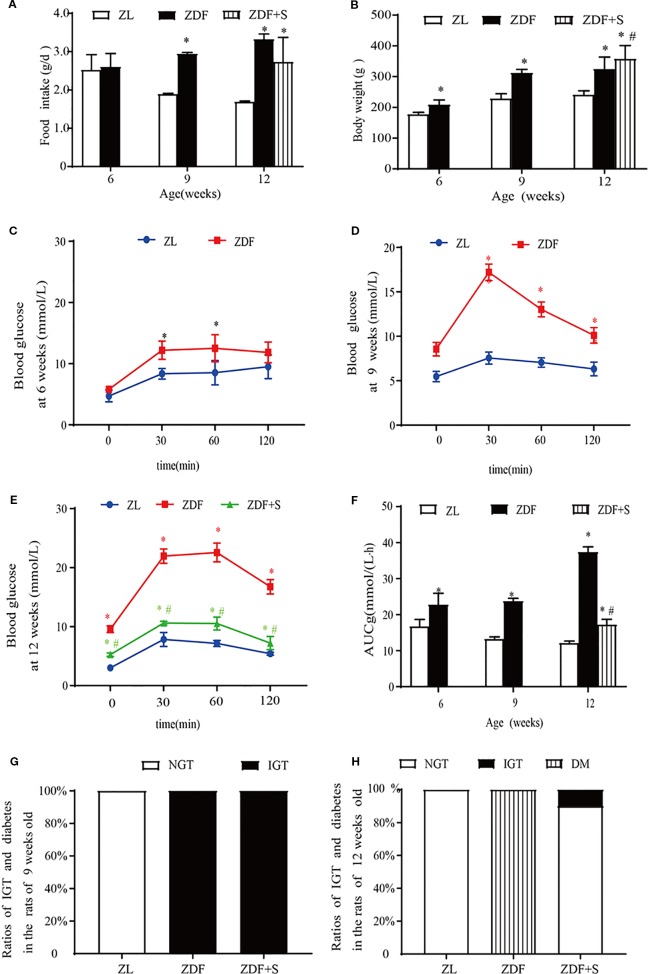
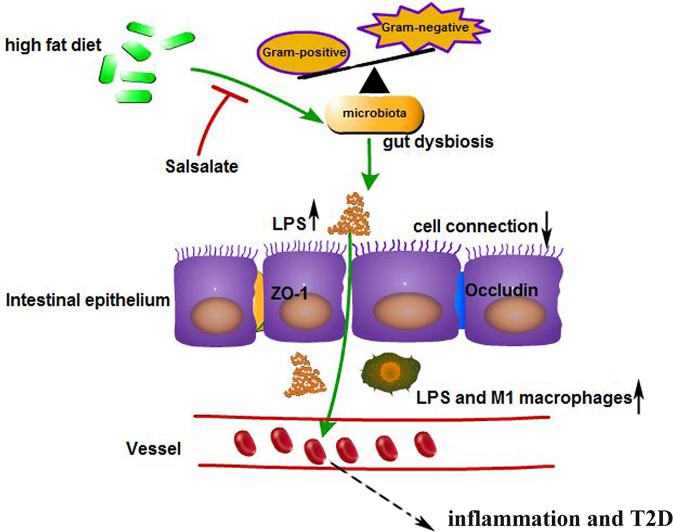
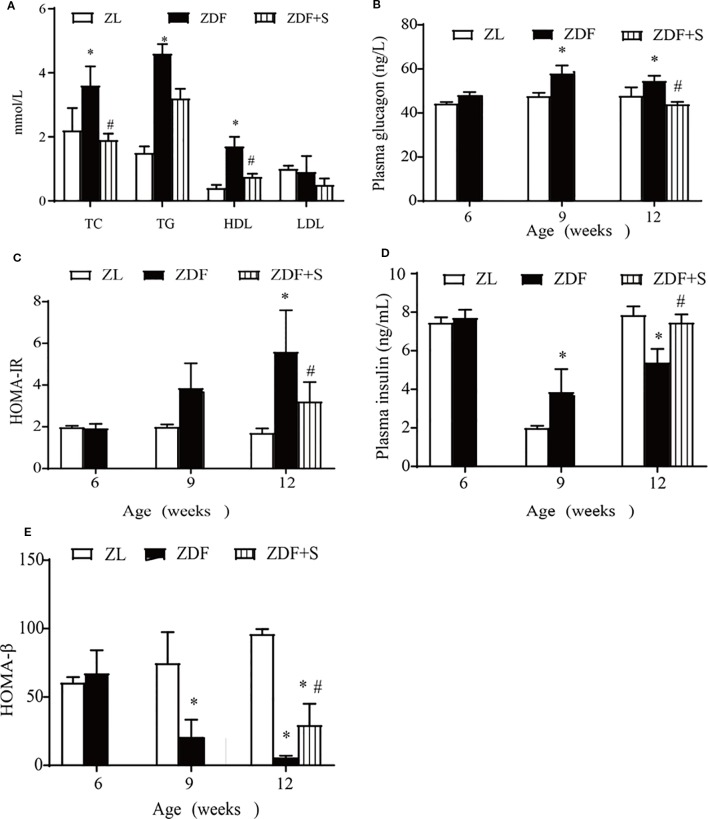
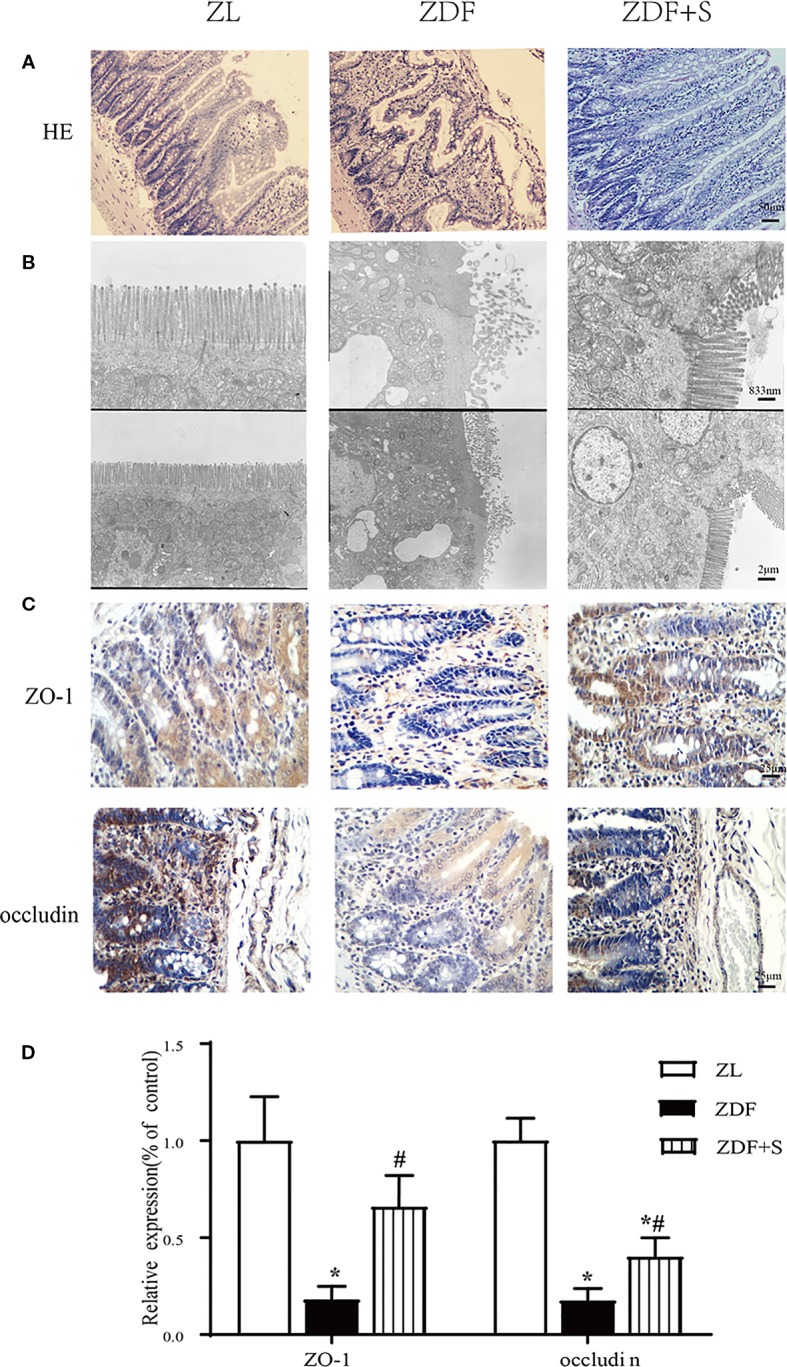
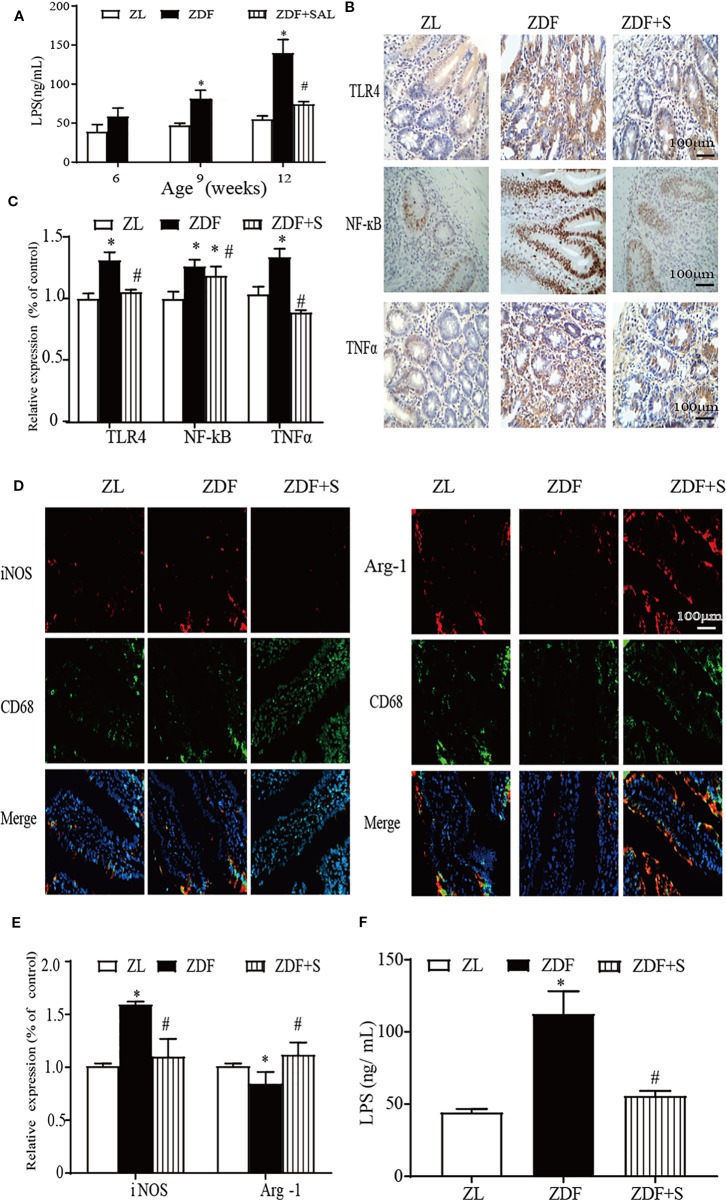
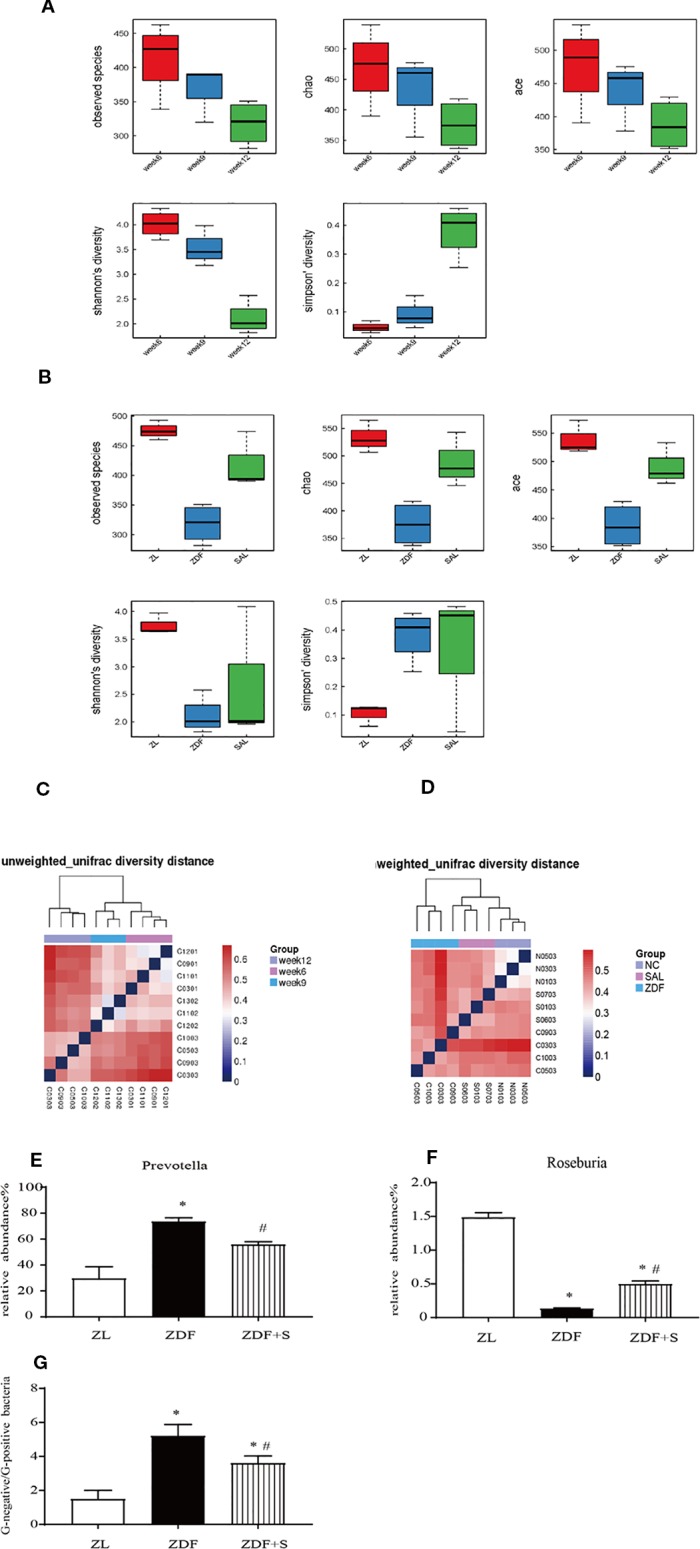
A safe and effective approach is needed to prevent and reduce the incidence of diabetes worldwide. The hypoglycemic efficacy of salicylic acid (salsalate, SAL), which has anti-inflammatory properties, has been empirically demonstrated in studies conducted at the Joslin Diabetes Center and elsewhere. Here, we investigated the potential role of SAL in preventing the onset of diabetes in Zucker diabetic fatty (ZDF) rats and attempted to elucidate its underlying mechanisms. ZDF and Zucker lean (ZL) rats were administered a high-fat diet with or without SAL intervention, and their relative rates of diabetes were compared. Our results showed that all rats in the placebo group developed diabetes, whereas only 10% of the SAL-treated rats presented with impaired glucose tolerance (IGT). None of the latter progressed to diabetes. Relative to the untreated rats, SAL lowered plasma glucagon and insulin while improving insulin sensitivity and β-cell function. SAL may protect against hyperglycemia by increasing the microbial diversity, ameliorating gut dysbiosis, restoring intestinal epithelial cell connections, inhibiting endotoxin influx into the blood, and attenuating inflammation. Together, these findings suggest that SAL may be a candidate prophylactic therapy against diabetes. The protective role of SAL may be attributed to its ability to reduce intestinal inflammation and improve gut dysbiosis.
需要一种安全有效的方法来预防和降低全球糖尿病的发病率。水杨酸(双水杨酸酯,SAL)具有抗炎特性,其降血糖功效已在 Joslin 糖尿病中心及其他地方进行的研究中得到经验性证明。在此,我们研究了 SAL 在预防 Zucker 糖尿病肥胖(ZDF)大鼠糖尿病发病中的潜在作用,并试图阐明其潜在机制。对 ZDF 和 Zucker 瘦(ZL)大鼠给予高脂饮食,有或没有 SAL 干预,比较它们的糖尿病相对发生率。我们的结果表明,安慰剂组的所有大鼠都患上了糖尿病,而接受 SAL 治疗的大鼠中只有 10%出现糖耐量受损(IGT)。后者无一进展为糖尿病。相对于未治疗的大鼠,SAL 降低了血浆胰高血糖素和胰岛素水平,同时提高了胰岛素敏感性和β细胞功能。SAL 可能通过增加微生物多样性、改善肠道菌群失调、恢复肠上皮细胞连接、抑制内毒素流入血液以及减轻炎症来预防高血糖。总之,这些发现表明 SAL 可能是一种预防糖尿病的候选治疗方法。SAL 的保护作用可能归因于其减轻肠道炎症和改善肠道菌群失调的能力。