Keerthikumar Shivakumar, Gangoda Lahiru, Liem Michael, Fonseka Pamali, Atukorala Ishara, Ozcitti Cemil, Mechler Adam, Adda Christopher G, Ang Ching-Seng, Mathivanan Suresh
Department of Biochemistry, La Trobe Institute for Molecular Science, La Trobe University, Melbourne, Victoria, Australia.
Department of Chemistry, La Trobe Institute for Molecular Science, La Trobe University, Melbourne, Victoria, Australia.
Oncotarget. 2015 Jun 20;6(17):15375-96. doi: 10.18632/oncotarget.3801.
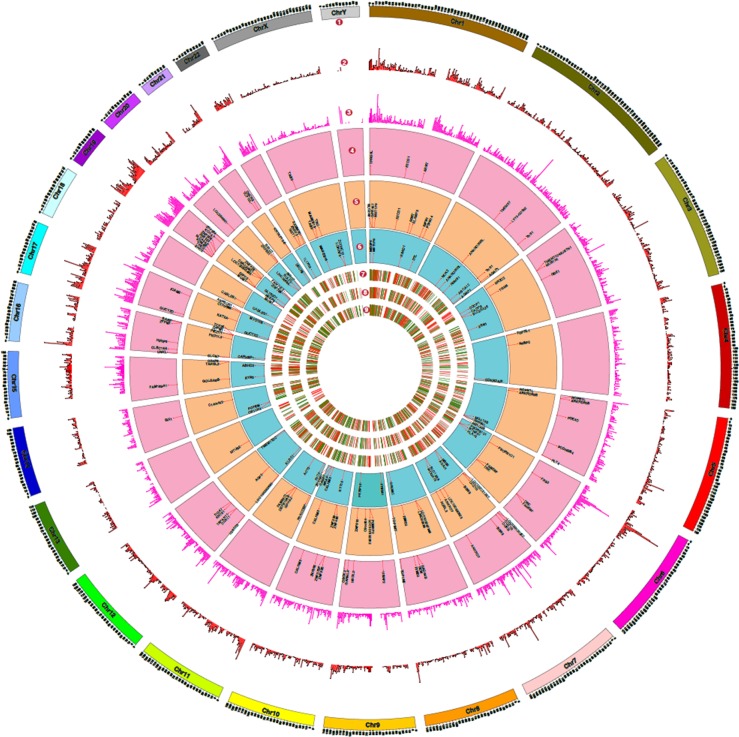
Extracellular vesicles (EVs) include the exosomes (30-100 nm) that are produced through the endocytic pathway via the multivesicular bodies and the ectosomes (100-1000 nm) that are released through the budding of the plasma membrane. Despite the differences in the mode of biogenesis and size, reliable markers that can distinguish between exosomes and ectosomes are non-existent. Moreover, the precise functional differences between exosomes and ectosomes remains poorly characterised. Here, using label-free quantitative proteomics, we highlight proteins that could be exploited as markers to discriminate between exosomes and ectosomes. For the first time, a global proteogenomics analysis unveiled the secretion of mutant proteins that are implicated in cancer progression through tumor-derived EVs. Follow up integrated bioinformatics analysis highlighted the enrichment of oncogenic cargo in exosomes and ectosomes. Interestingly, exosomes induced significant cell proliferation and migration in recipient cells compared to ectosomes confirming the oncogenic nature of exosomes. These findings ascertain that cancer cells facilitate oncogenesis by the secretion of mutant and oncoproteins into the tumor microenvironment via exosomes and ectosomes. The integrative proteogenomics approach utilized in this study has the potential to identify disease biomarker candidates which can be later assayed in liquid biopsies obtained from cancer patients.
细胞外囊泡(EVs)包括通过多泡体经内吞途径产生的外泌体(30 - 100纳米)和通过质膜出芽释放的胞外体(100 - 1000纳米)。尽管生物发生方式和大小存在差异,但不存在能够区分外泌体和胞外体的可靠标志物。此外,外泌体和胞外体之间确切的功能差异仍未得到充分表征。在此,我们使用无标记定量蛋白质组学,突出了可作为区分外泌体和胞外体标志物的蛋白质。首次,一项全面的蛋白质基因组学分析揭示了通过肿瘤来源的细胞外囊泡分泌的与癌症进展相关的突变蛋白。后续的综合生物信息学分析突出了外泌体和胞外体中致癌货物的富集。有趣的是,与胞外体相比,外泌体在受体细胞中诱导了显著的细胞增殖和迁移,证实了外泌体的致癌性质。这些发现确定癌细胞通过外泌体和胞外体向肿瘤微环境中分泌突变蛋白和癌蛋白来促进肿瘤发生。本研究中使用的综合蛋白质基因组学方法有潜力识别疾病生物标志物候选物,随后可在从癌症患者获得的液体活检中进行检测。