Yang H, Yan B, Liao D, Huang S, Qiu Y
Department of Anatomy and Cell Biology, College of Medicine, University of Florida, Gainsville, FL 32610, USA.
Department of Biochemistry and Molecular Biology, College of Medicine, University of Florida, Gainesville, FL 32610, USA.
Cell Death Dis. 2015 May 7;6(5):e1747. doi: 10.1038/cddis.2015.106.
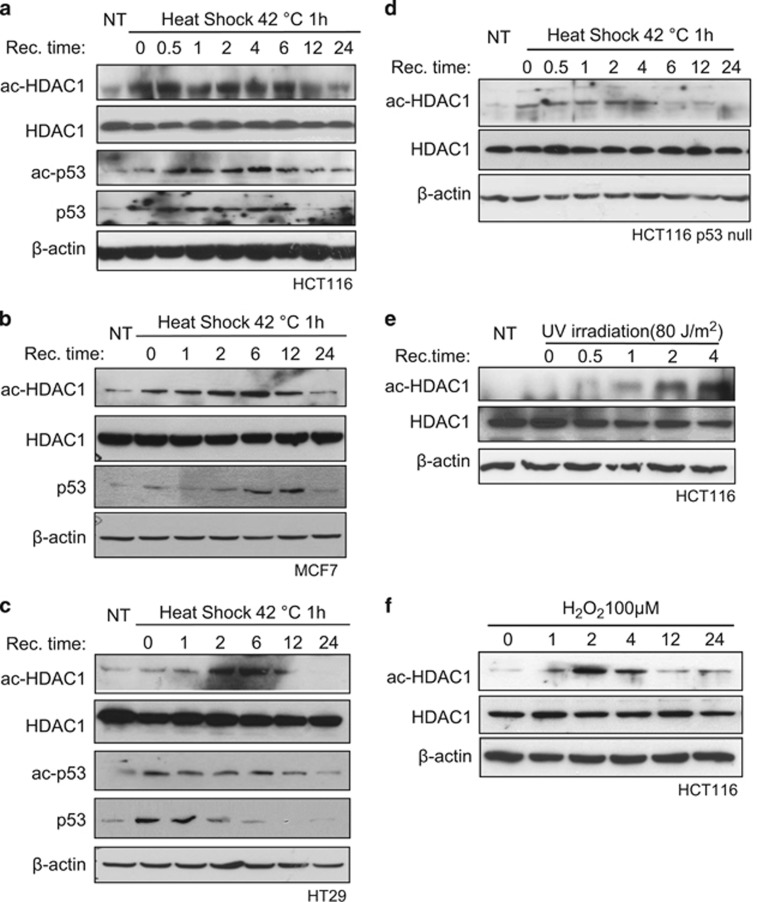
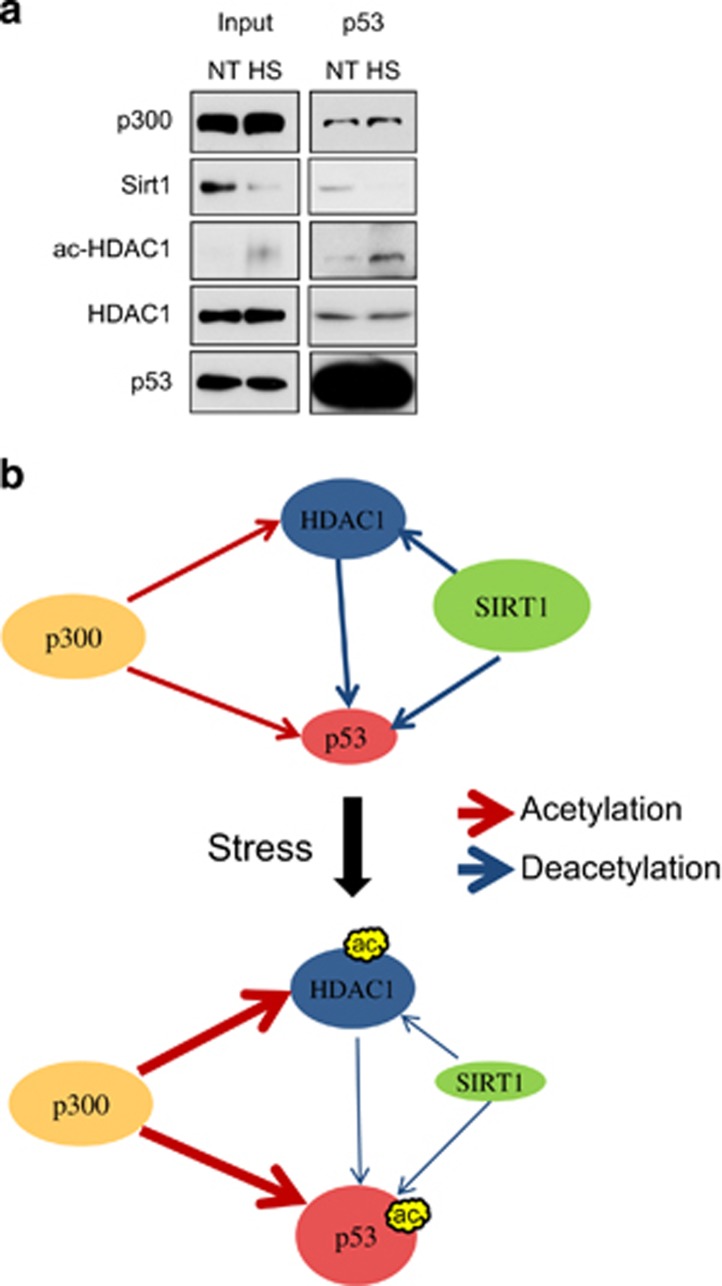
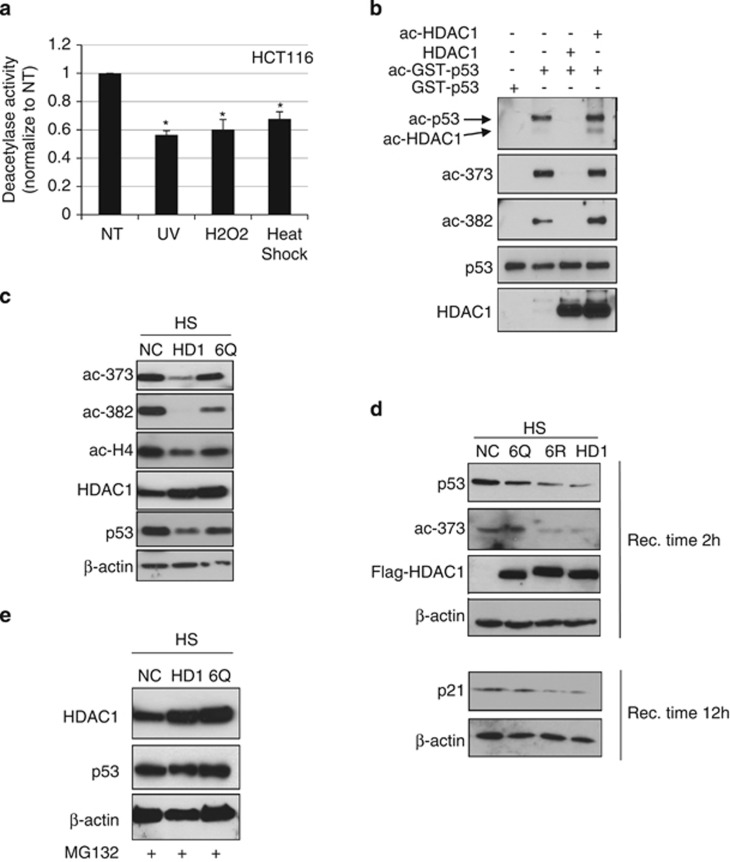
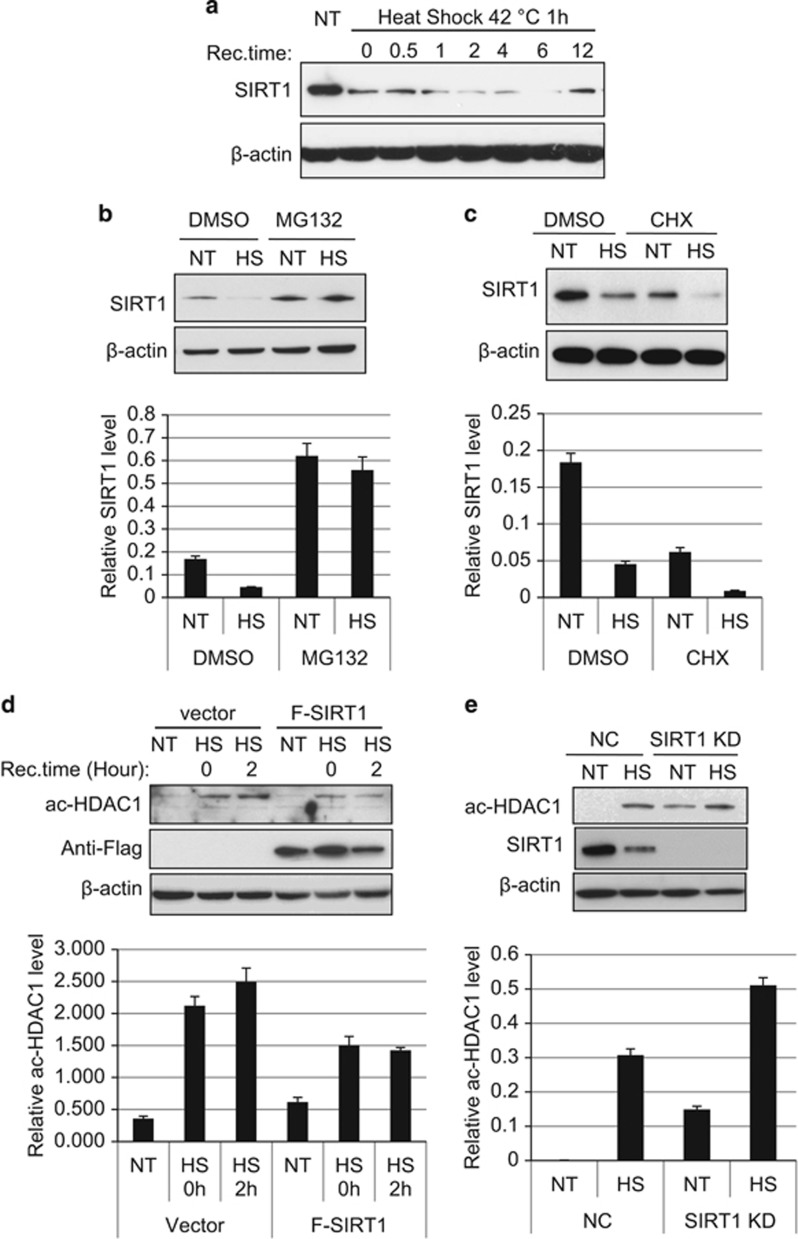
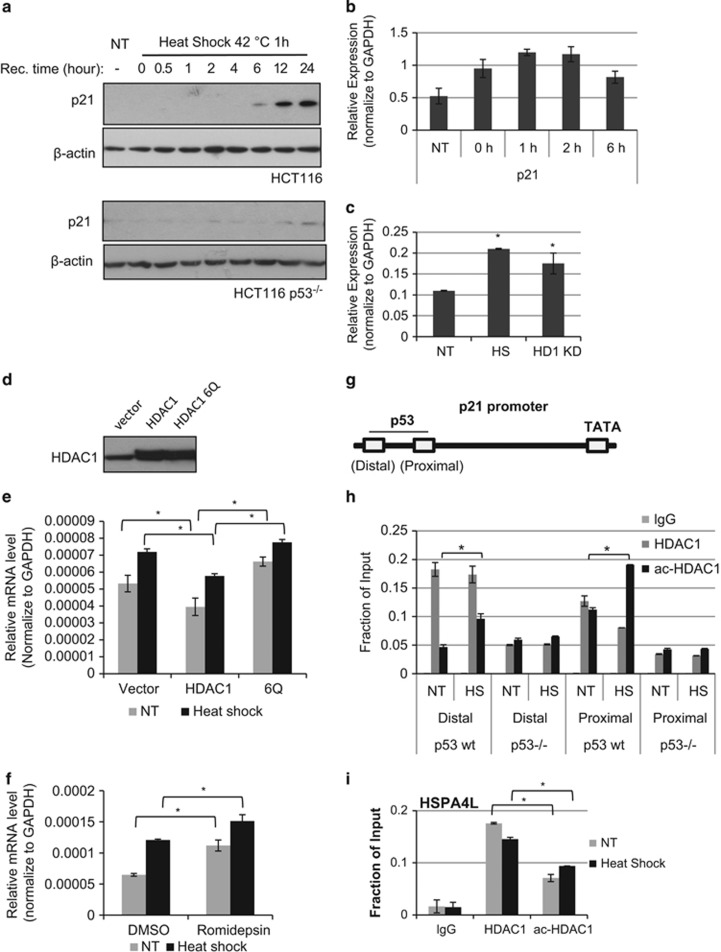
The tumor suppressor p53 is an essential transcription factor that sensitively regulates cellular responses to various stresses. Acetylation, a critically important posttranslational modification of p53, is induced in response to cellular stresses. P53 acetylation level strongly correlates with protein stability and activity. The steady-state level of p53 acetylation is balanced by dynamic acetylation and deacetylation. Despite the function of p53 acetylation being well studied, how the steady state of p53 acetylation level is regulated in response to cellular stresses remains unclear. In particular, the dynamic regulation of the deacetylase activities responsible for p53 deacetylation during cellular stress is unknown. In the current study, we investigated the dynamic regulation of HDAC1 (histone deacetylase 1) and SIRT1 (sirtuin 1), two major enzymes for p53 deacetylation, during cell stress. We found that various cell stress events induce HDAC1 acetylation. The increased level of HDAC1 acetylation correlates with the level of p53 acetylation. Acetylated HDAC1 loses the ability to deacetylate p53. Cellular stresses also promote the decline of the SIRT1 protein in a proteasome-dependent pathway, which also results in the increase of p53 acetylation. Importantly, the decreased level of SIRT1 also contributes to the accumulation of HDAC1 acetylation as SIRT1 deacetylates HDAC1. Therefore, the increase of HDAC1 acetylation and reduced level of SIRT1 protein during cellular stress directly link to the induction of p53 acetylation. These results unveil the mechanism underlying the dynamic regulation of p53 acetylation during cell stress.
肿瘤抑制因子p53是一种重要的转录因子,可灵敏地调节细胞对各种应激的反应。乙酰化是p53至关重要的翻译后修饰,在细胞应激反应中被诱导产生。p53的乙酰化水平与蛋白质稳定性和活性密切相关。p53乙酰化的稳态水平通过动态乙酰化和去乙酰化来平衡。尽管对p53乙酰化的功能已有充分研究,但p53乙酰化水平的稳态如何响应细胞应激进行调节仍不清楚。特别是,在细胞应激期间负责p53去乙酰化的脱乙酰酶活性的动态调节尚不清楚。在本研究中,我们调查了细胞应激期间p53去乙酰化的两种主要酶——组蛋白脱乙酰酶1(HDAC1)和沉默调节蛋白1(SIRT1)的动态调节。我们发现各种细胞应激事件会诱导HDAC1乙酰化。HDAC1乙酰化水平的升高与p53乙酰化水平相关。乙酰化的HDAC1失去了使p53去乙酰化的能力。细胞应激还通过蛋白酶体依赖性途径促进SIRT1蛋白的减少,这也导致p53乙酰化增加。重要的是,SIRT1水平的降低也导致HDAC1乙酰化的积累,因为SIRT1可使HDAC1去乙酰化。因此,细胞应激期间HDAC1乙酰化的增加和SIRT1蛋白水平的降低直接与p53乙酰化的诱导相关。这些结果揭示了细胞应激期间p53乙酰化动态调节的潜在机制。