Institute of Biomedical Science, Department of Health Studies, FH Joanneum University of Applied Sciences, Graz, Austria.
Centro de Microscopía Avanzada, CMA-BIO BIO, Facultad de Ciencias Biológica, Universidad de Concepción, Concepción, Chile.
Sci Rep. 2021 May 19;11(1):10604. doi: 10.1038/s41598-021-89834-9.
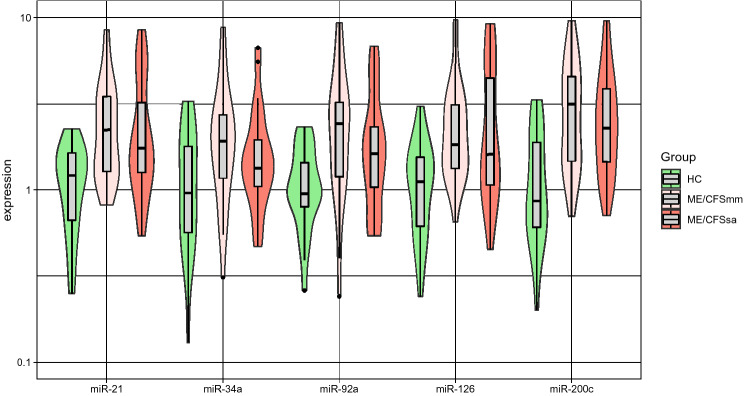
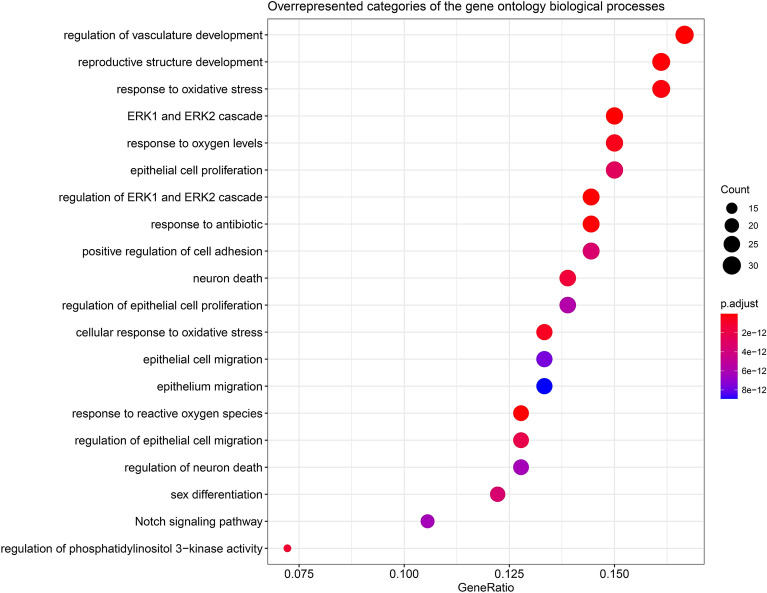
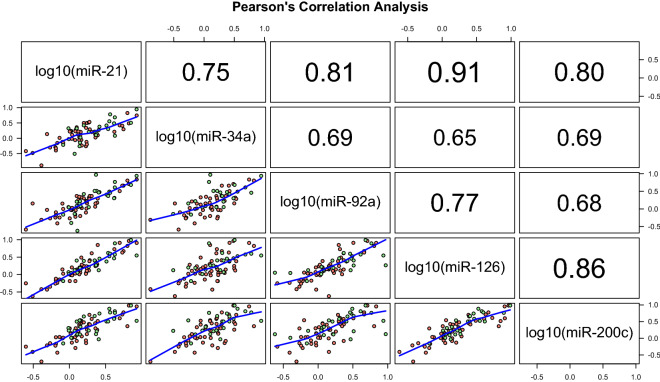
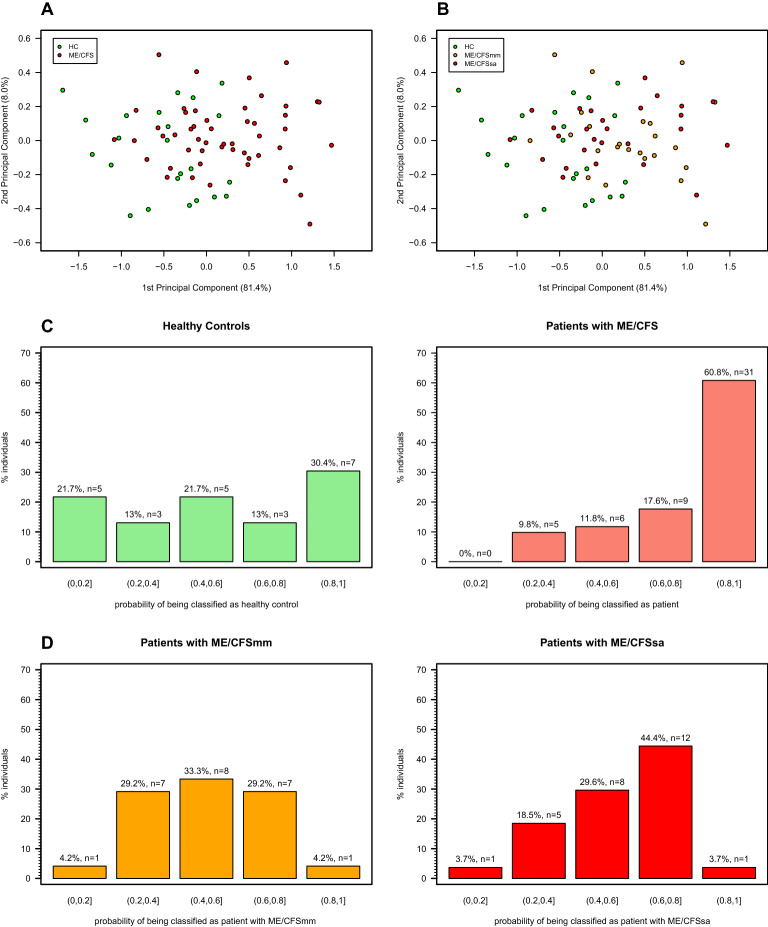
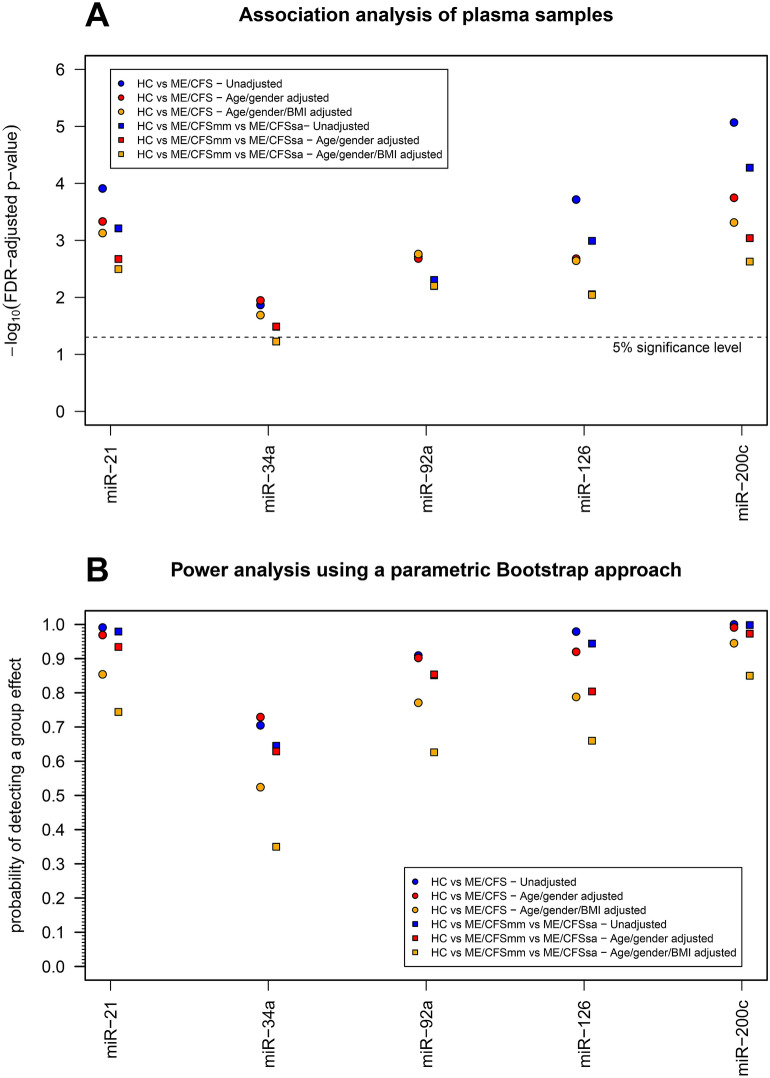
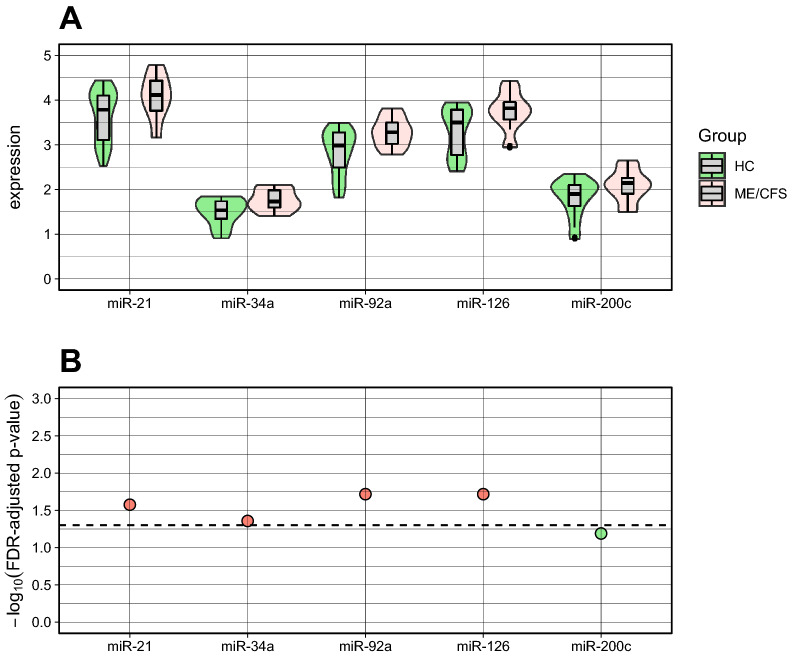
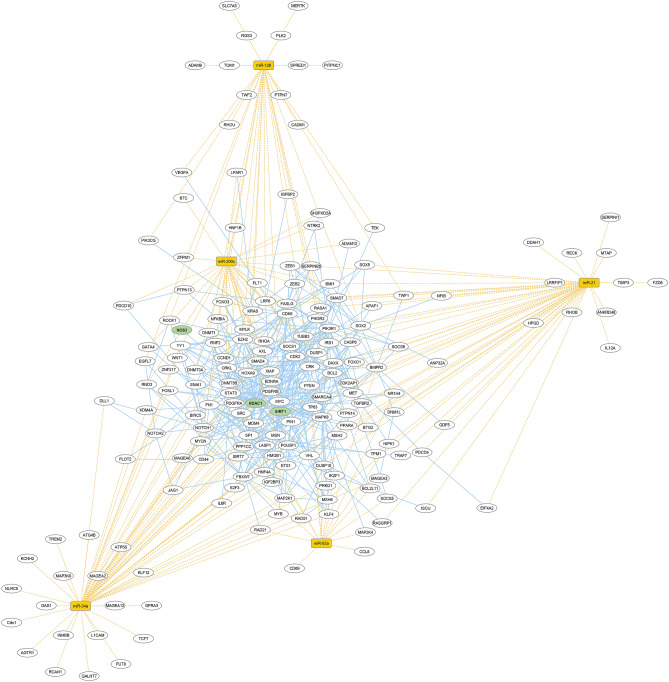
Myalgic encephalomyelitis/chronic fatigue syndrome (ME/CFS) is a complex disease characterized by unexplained debilitating fatigue. Although the etiology is unknown, evidence supports immunological abnormalities, such as persistent inflammation and immune-cell activation, in a subset of patients. Since the interplay between inflammation and vascular alterations is well-established in other diseases, endothelial dysfunction has emerged as another player in ME/CFS pathogenesis. Endothelial nitric oxide synthase (eNOS) generates nitric oxide (NO) that maintains endothelial homeostasis. eNOS is activated by silent information regulator 1 (Sirt1), an anti-inflammatory protein. Despite its relevance, no study has addressed the Sirt1/eNOS axis in ME/CFS. The interest in circulating microRNAs (miRs) as potential biomarkers in ME/CFS has increased in recent years. Accordingly, we analyze a set of miRs reported to modulate the Sirt1/eNOS axis using plasma from ME/CFS patients. Our results show that miR-21, miR-34a, miR-92a, miR-126, and miR-200c are jointly increased in ME/CFS patients compared to healthy controls. A similar finding was obtained when analyzing public miR data on peripheral blood mononuclear cells. Bioinformatics analysis shows that endothelial function-related signaling pathways are associated with these miRs, including oxidative stress and oxygen regulation. Interestingly, histone deacetylase 1, a protein responsible for epigenetic regulations, represented the most relevant node within the network. In conclusion, our study provides a basis to find endothelial dysfunction-related biomarkers and explore novel targets in ME/CFS.
肌痛性脑脊髓炎/慢性疲劳综合征(ME/CFS)是一种以不明原因的使人虚弱的疲劳为特征的复杂疾病。尽管病因不明,但有证据表明,在一部分患者中存在免疫异常,如持续的炎症和免疫细胞激活。由于炎症和血管改变之间的相互作用在其他疾病中已经得到很好的证实,内皮功能障碍已成为 ME/CFS 发病机制中的另一个因素。内皮型一氧化氮合酶(eNOS)产生一氧化氮(NO),维持内皮细胞的稳态。沉默信息调节因子 1(Sirt1)是一种抗炎蛋白,可激活 eNOS。尽管这一点很重要,但没有研究探讨过 ME/CFS 中的 Sirt1/eNOS 轴。近年来,人们对循环 microRNAs(miRs)作为 ME/CFS 潜在生物标志物的兴趣有所增加。因此,我们使用 ME/CFS 患者的血浆分析了一组据报道可以调节 Sirt1/eNOS 轴的 miRs。我们的结果表明,与健康对照组相比,ME/CFS 患者的 miR-21、miR-34a、miR-92a、miR-126 和 miR-200c 联合升高。当分析外周血单核细胞的公共 miR 数据时,也得到了类似的发现。生物信息学分析表明,与这些 miRs 相关的内皮功能相关信号通路包括氧化应激和氧调节。有趣的是,组蛋白去乙酰化酶 1(一种负责表观遗传调控的蛋白质)是网络中最相关的节点。总之,我们的研究为寻找与内皮功能障碍相关的生物标志物和探索 ME/CFS 的新靶点提供了依据。