Yamada Satsuki, Arrell D Kent, Martinez-Fernandez Almudena, Behfar Atta, Kane Garvan C, Perez-Terzic Carmen M, Crespo-Diaz Ruben J, McDonald Robert J, Wyles Saranya P, Zlatkovic-Lindor Jelena, Nelson Timothy J, Terzic Andre
Center for Regenerative Medicine, Marriott Heart Disease Research Program, Division of Cardiovascular Diseases, Departments of Medicine, Molecular Pharmacology and Experimental Therapeutics, and Medical Genetics, Mayo Clinic, Rochester, MN (S.Y., K.A., A.M.F., A.B., G.C.K., C.M.P.T., R.J.C.D., R.J.M.D., S.P.W., J.Z.L., T.J.N., A.T.).
Center for Regenerative Medicine, Marriott Heart Disease Research Program, Division of Cardiovascular Diseases, Departments of Medicine, Molecular Pharmacology and Experimental Therapeutics, and Medical Genetics, Mayo Clinic, Rochester, MN (S.Y., K.A., A.M.F., A.B., G.C.K., C.M.P.T., R.J.C.D., R.J.M.D., S.P.W., J.Z.L., T.J.N., A.T.) Department of Physical Medicine and Rehabilitation, Mayo Clinic, Rochester, MN (C.M.P.T.).
J Am Heart Assoc. 2015 May 11;4(5):e001614. doi: 10.1161/JAHA.114.001614.
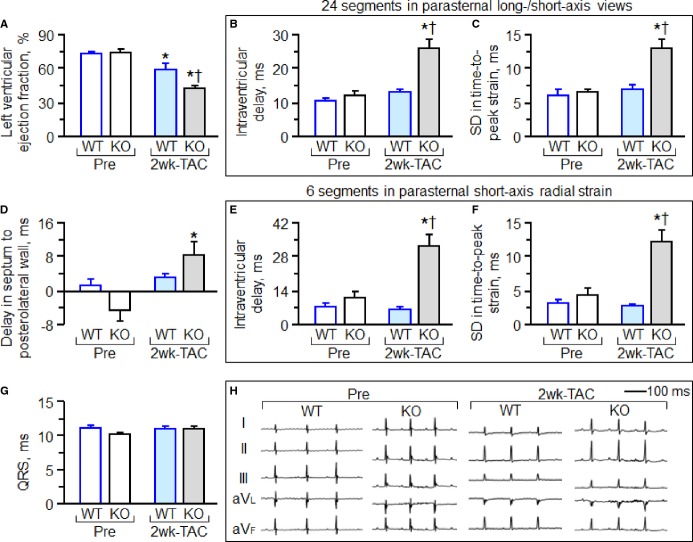
Cardiac resynchronization therapy using bi-ventricular pacing is proven effective in the management of heart failure (HF) with a wide QRS-complex. In the absence of QRS prolongation, however, device-based resynchronization is reported unsuitable. As an alternative, the present study tests a regenerative cell-based approach in the setting of narrow QRS-complex HF.
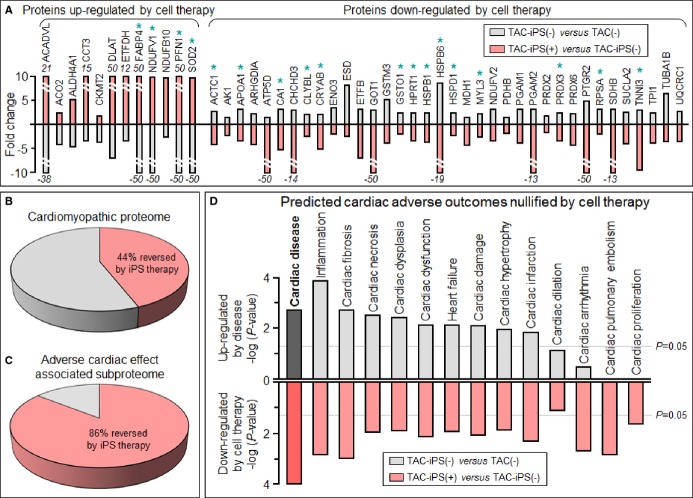
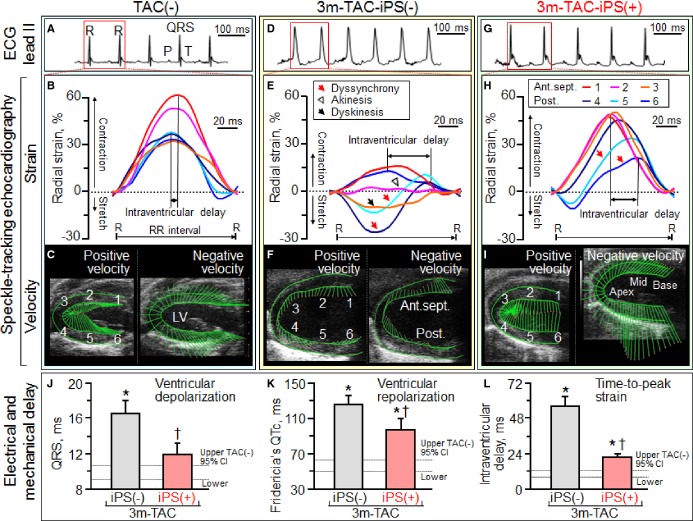
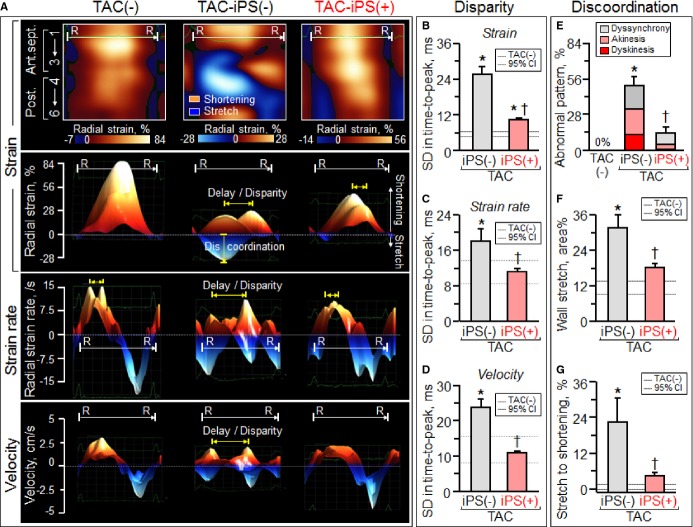
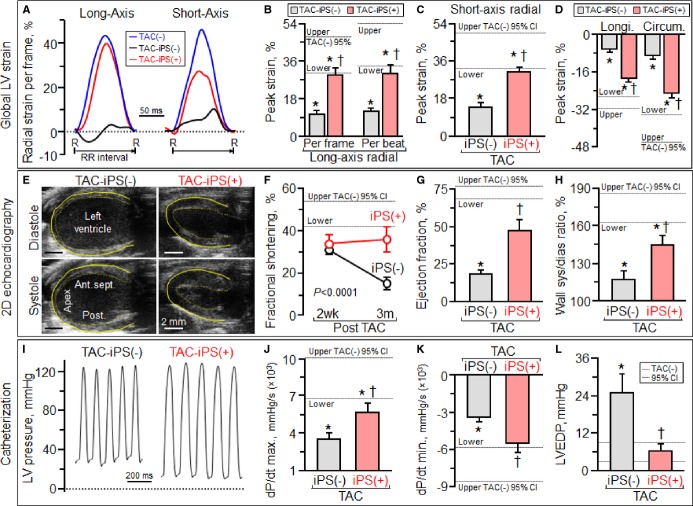
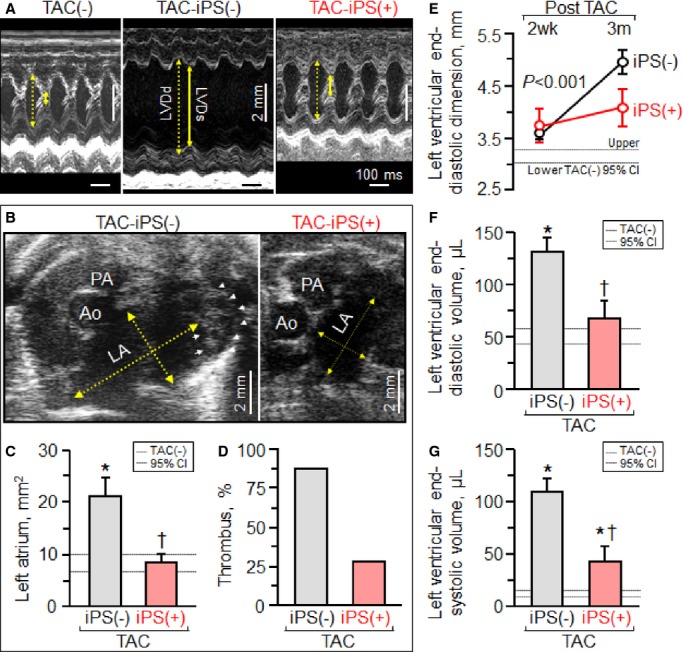
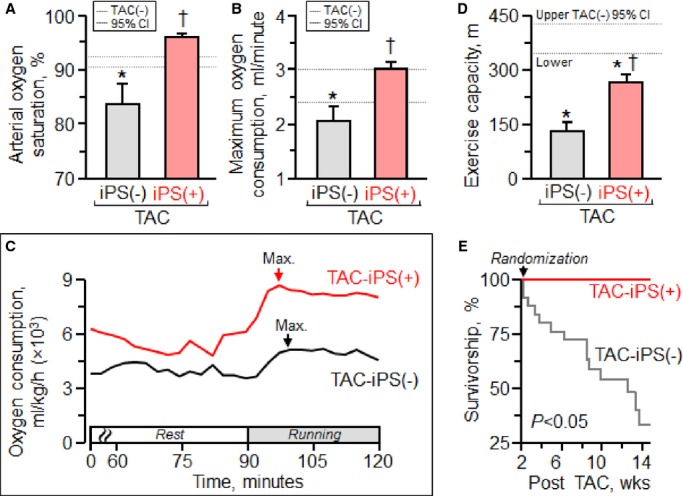
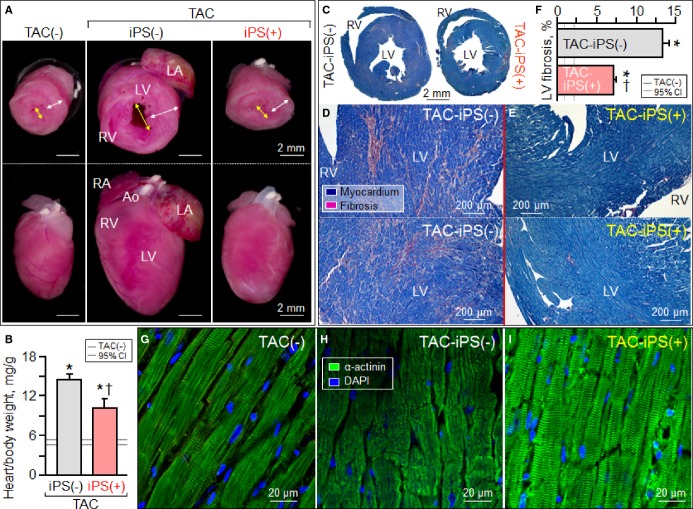
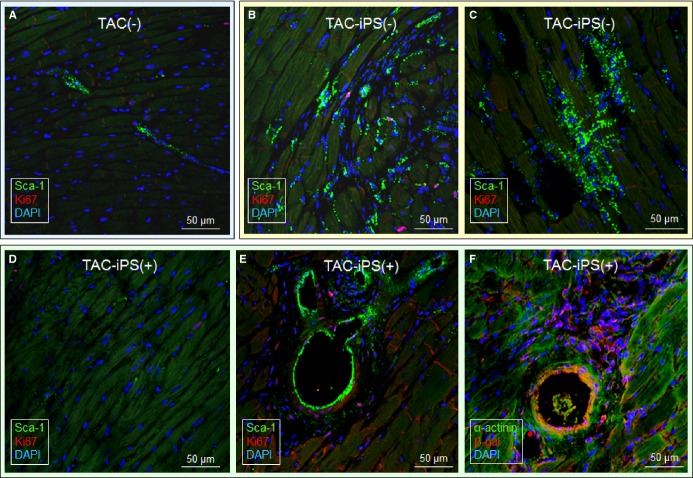
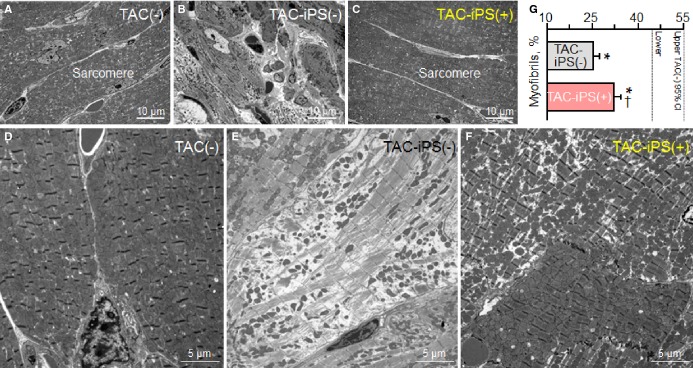
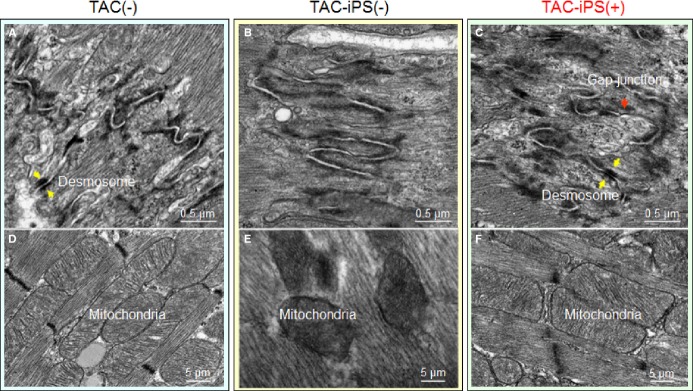
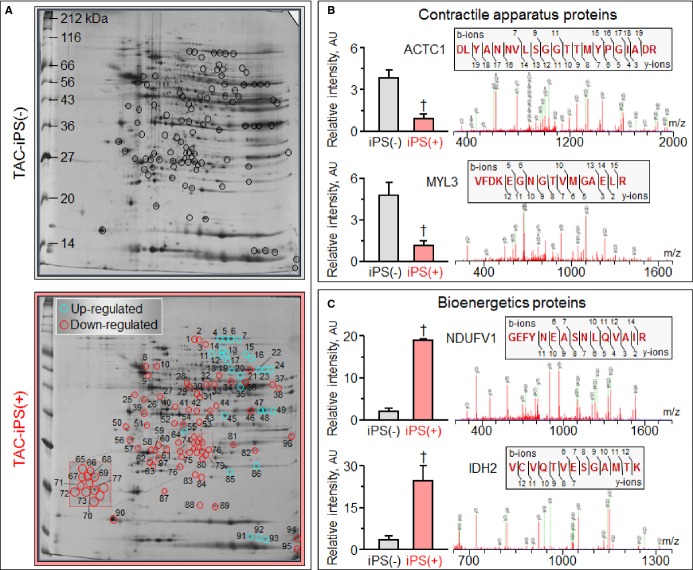
Progressive cardiac dyssynchrony was provoked in a chronic transgenic model of stress-triggered dilated cardiomyopathy. In contrast to rampant end-stage disease afflicting untreated cohorts, stem cell intervention early in disease, characterized by mechanical dyssynchrony and a narrow QRS-complex, aborted progressive dyssynchronous HF and prevented QRS widening. Stem cell-treated hearts acquired coordinated ventricular contraction and relaxation supporting systolic and diastolic performance. Rescue of contractile dynamics was underpinned by a halted left ventricular dilatation, limited hypertrophy, and reduced fibrosis. Reverse remodeling reflected a restored cardiomyopathic proteome, enforced at systems level through correction of the pathological molecular landscape and nullified adverse cardiac outcomes. Cell therapy of a dyssynchrony-prone cardiomyopathic cohort translated prospectively into improved exercise capacity and prolonged survivorship.
In narrow QRS HF, a regenerative approach demonstrated functional and structural benefit, introducing the prospect of device-autonomous resynchronization therapy for refractory disease.
双心室起搏的心脏再同步治疗已被证明对宽QRS波群的心力衰竭(HF)有效。然而,在没有QRS波延长的情况下,基于设备的再同步被认为是不合适的。作为一种替代方法,本研究在窄QRS波群HF的情况下测试了一种基于再生细胞的方法。
在应激触发的扩张型心肌病慢性转基因模型中诱发进行性心脏不同步。与未治疗队列中肆虐的终末期疾病相反,在疾病早期以机械不同步和窄QRS波群为特征的干细胞干预,中止了进行性不同步HF并防止了QRS波增宽。接受干细胞治疗的心脏获得了协调的心室收缩和舒张,支持收缩和舒张功能。收缩动力学的恢复以左心室扩张停止、肥厚受限和纤维化减少为基础。逆向重构反映了恢复的心肌病蛋白质组,通过纠正病理分子格局在系统水平上得到加强,并消除了不良心脏结局。对易发生不同步的心肌病队列进行细胞治疗前瞻性地转化为运动能力的改善和生存期的延长。
在窄QRS波群HF中,一种再生方法显示出功能和结构上的益处,为难治性疾病引入了设备自主再同步治疗的前景。