Department of Radiology, University of Pennsylvania , Philadelphia, Pennsylvania 19104, USA.
Department of Neurology, University of California , Los Angeles, California 90095, USA.
Sci Data. 2015 Feb 3;2:150003. doi: 10.1038/sdata.2015.3. eCollection 2015.
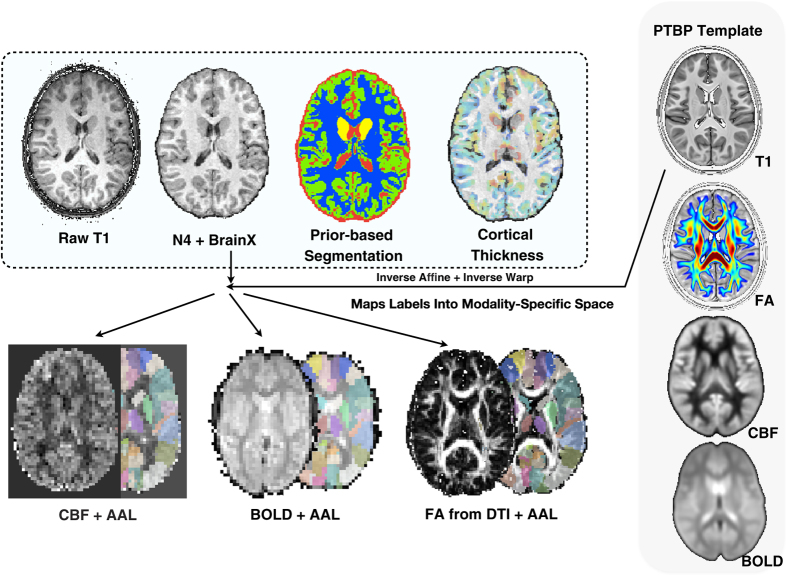
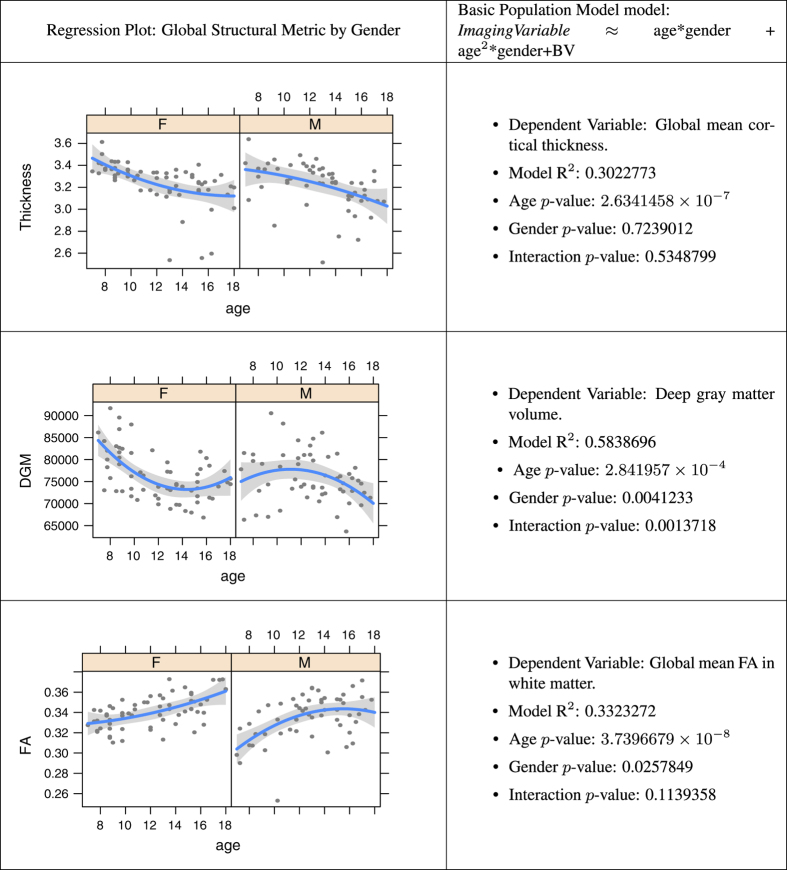
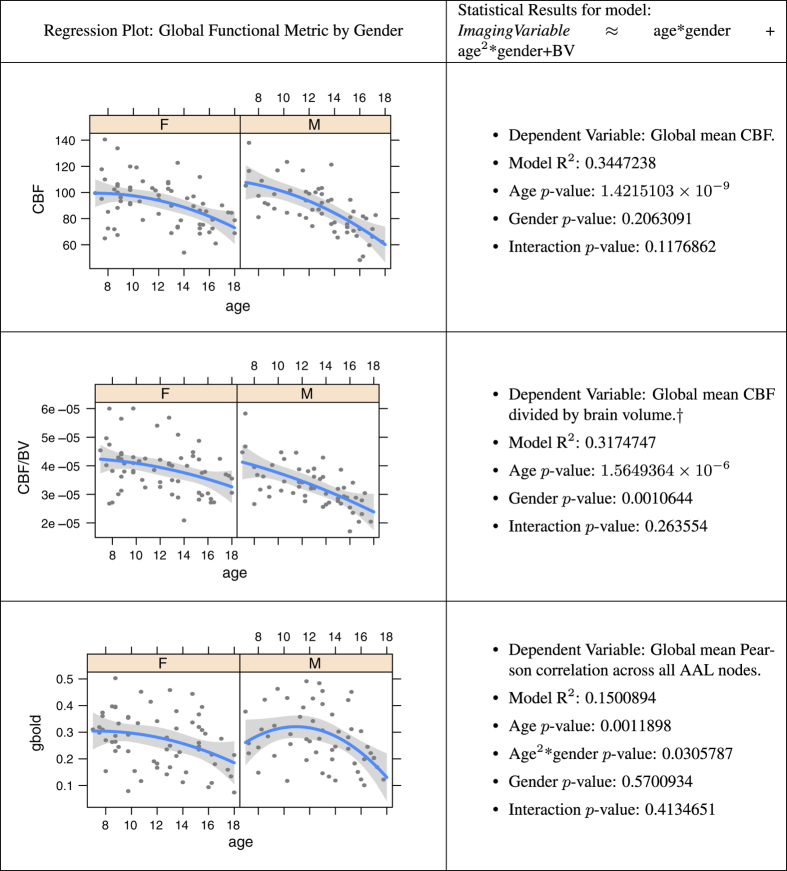
Magnetic resonance imaging (MRI) captures the dynamics of brain development with multiple modalities that quantify both structure and function. These measurements may yield valuable insights into the neural patterns that mark healthy maturation or that identify early risk for psychiatric disorder. The Pediatric Template of Brain Perfusion (PTBP) is a free and public neuroimaging resource that will help accelerate the understanding of childhood brain development as seen through the lens of multiple modality neuroimaging and in relation to cognitive and environmental factors. The PTBP uses cross-sectional and longitudinal MRI to quantify cortex, white matter, resting state functional connectivity and brain perfusion, as measured by Arterial Spin Labeling (ASL), in 120 children 7-18 years of age. We describe the PTBP and show, as a demonstration of validity, that global summary measurements capture the trajectories that demarcate critical turning points in brain maturation. This novel resource will allow a more detailed understanding of the network-level, structural and functional landmarks that are obtained during normal adolescent brain development.
磁共振成像(MRI)以多种模式捕捉大脑发育的动态,对结构和功能进行定量测量。这些测量可能为标记健康成熟或识别精神病早期风险的神经模式提供有价值的见解。儿科脑灌注模板(PTBP)是一个免费的公共神经影像学资源,将有助于通过多模态神经影像学和与认知及环境因素相关的角度加速对儿童期大脑发育的理解。PTBP 使用横断面和纵向 MRI 来量化 120 名 7-18 岁儿童的皮质、白质、静息状态功能连接和脑灌注,这是通过动脉自旋标记(ASL)来测量的。我们描述了 PTBP,并展示了作为有效性的证明,即全局总结测量可以捕捉到标志大脑成熟关键转折点的轨迹。这个新的资源将允许更详细地了解在正常青少年大脑发育过程中获得的网络水平、结构和功能地标。