Jalilian Iman, Heu Celine, Cheng Hong, Freittag Hannah, Desouza Melissa, Stehn Justine R, Bryce Nicole S, Whan Renee M, Hardeman Edna C, Fath Thomas, Schevzov Galina, Gunning Peter W
Oncology Research Unit, School of Medical Sciences, UNSW Australia, Sydney, NSW 2052, Australia.
Oncology Research Unit, School of Medical Sciences, UNSW Australia, Sydney, NSW 2052, Australia; Biomedical Imaging facility, UNSW Australia, Sydney, NSW 2052, Australia.
PLoS One. 2015 May 15;10(5):e0126214. doi: 10.1371/journal.pone.0126214. eCollection 2015.
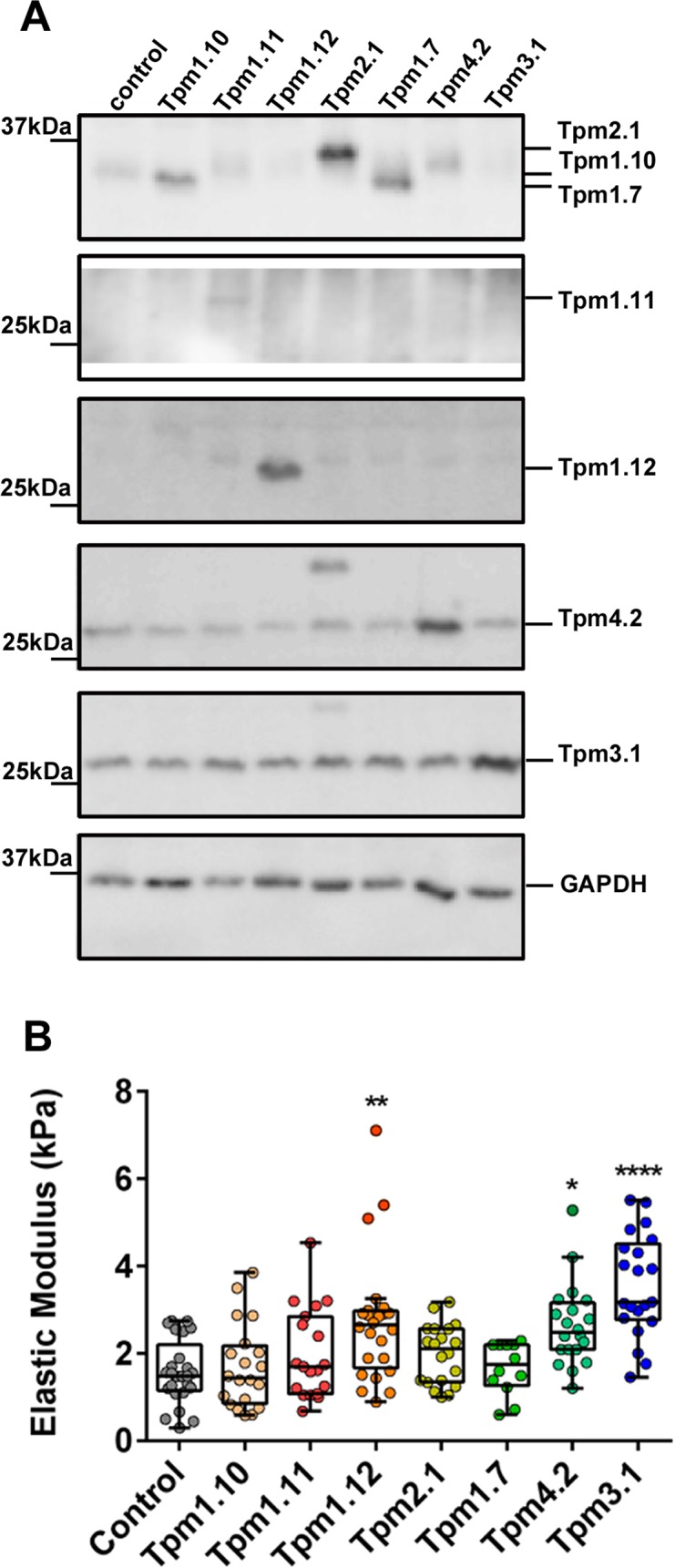
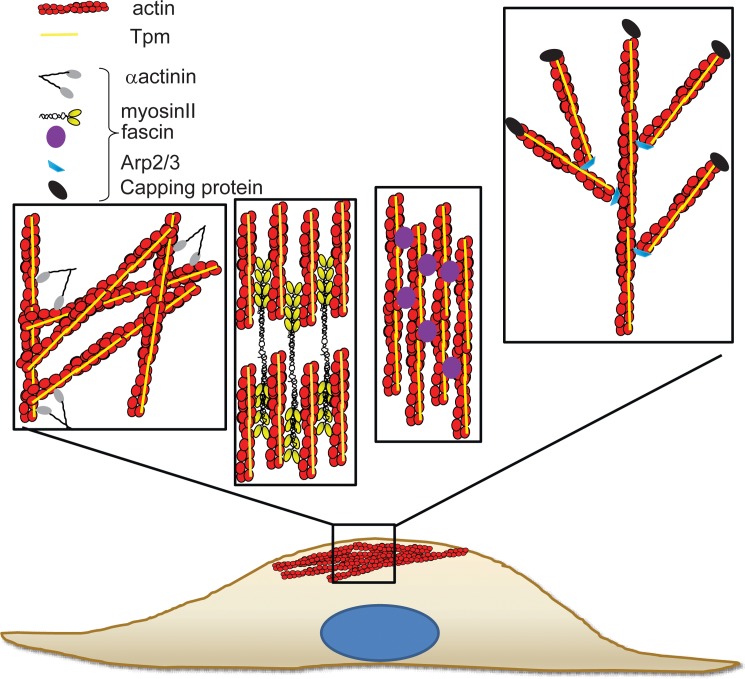
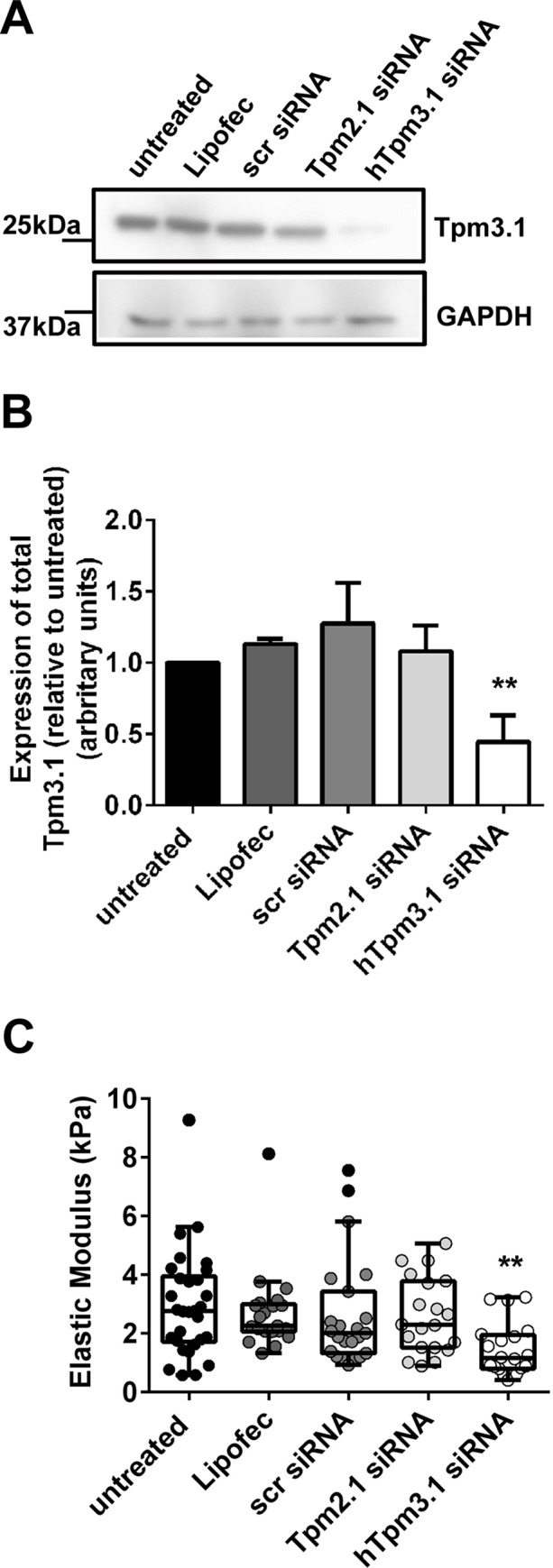
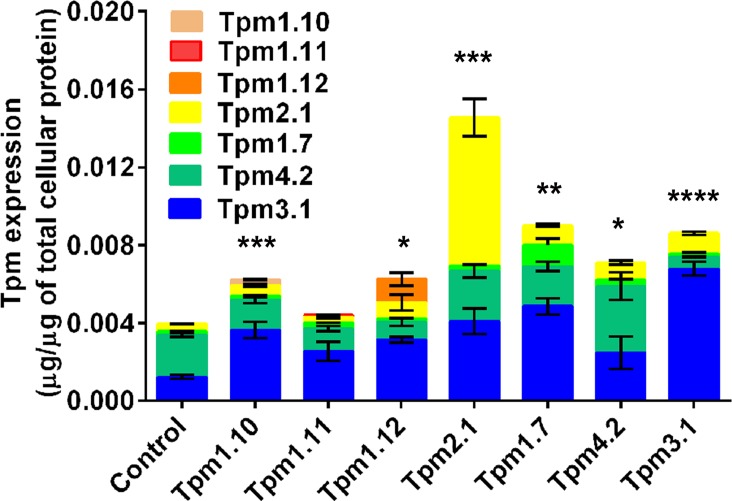
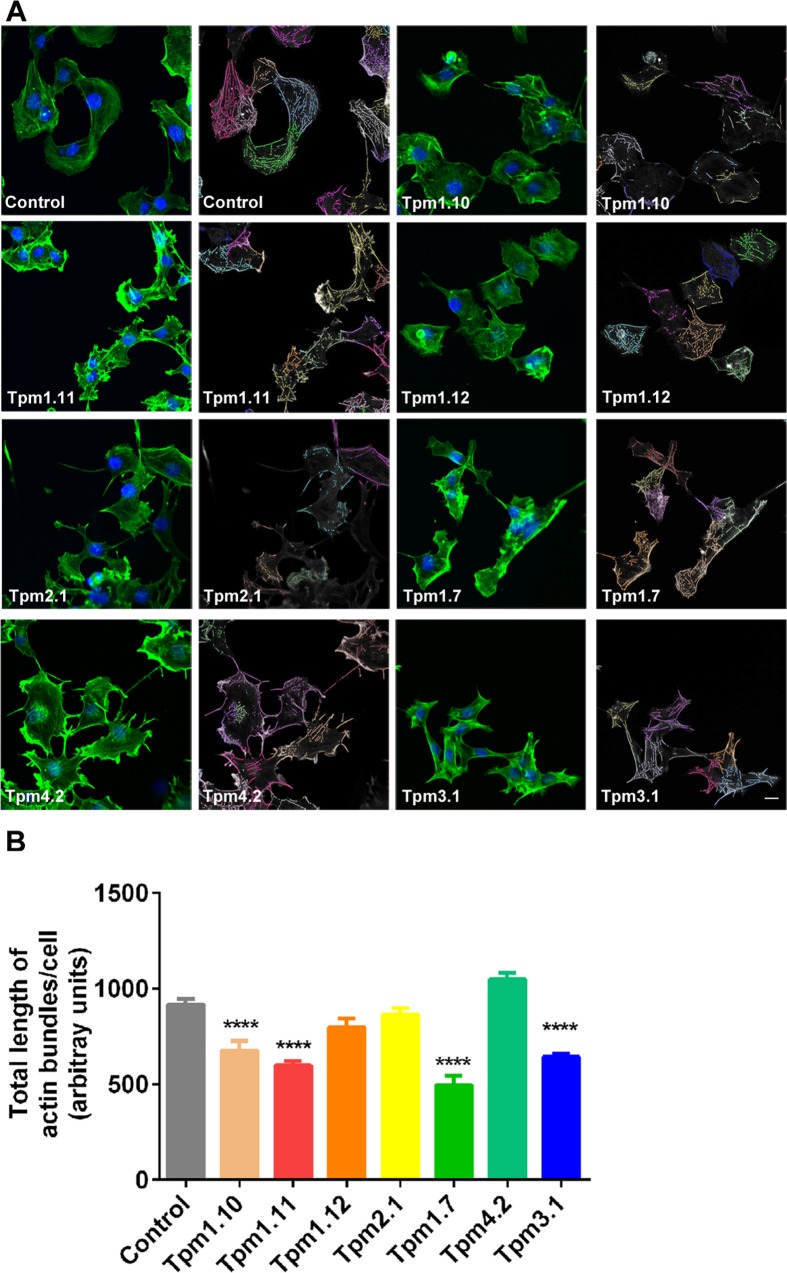
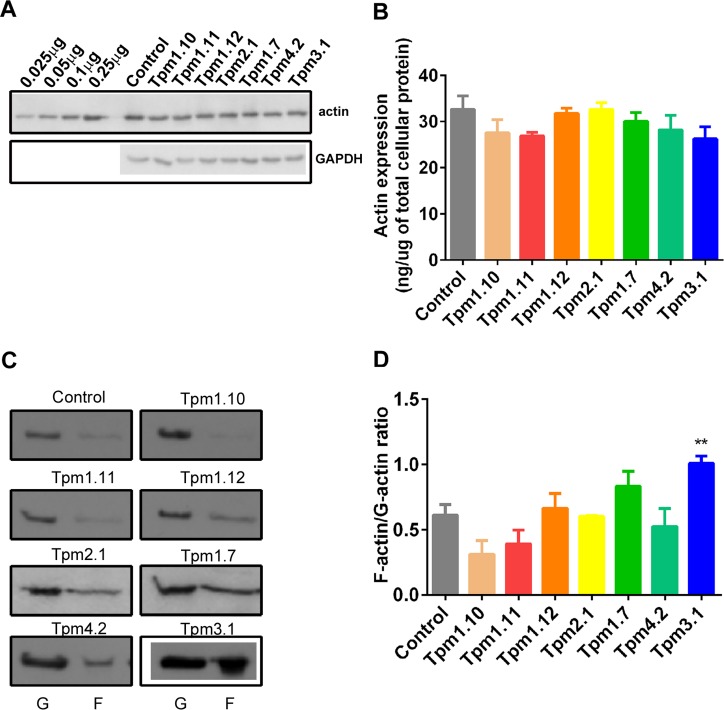
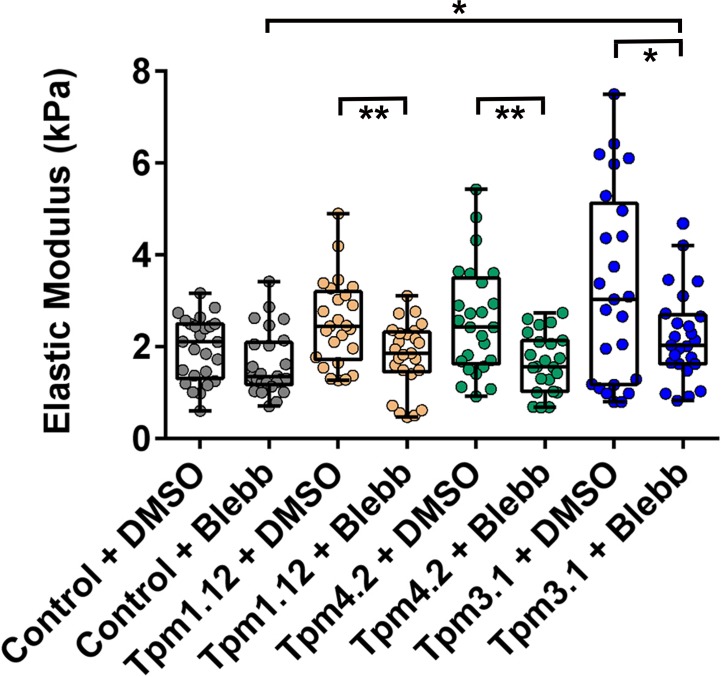
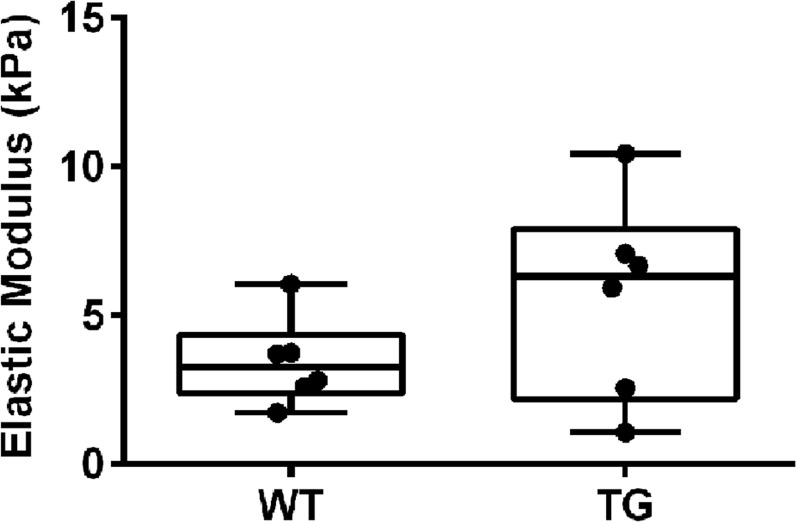
The actin cytoskeleton is the primary polymer system within cells responsible for regulating cellular stiffness. While various actin binding proteins regulate the organization and dynamics of the actin cytoskeleton, the proteins responsible for regulating the mechanical properties of cells are still not fully understood. In the present study, we have addressed the significance of the actin associated protein, tropomyosin (Tpm), in influencing the mechanical properties of cells. Tpms belong to a multi-gene family that form a co-polymer with actin filaments and differentially regulate actin filament stability, function and organization. Tpm isoform expression is highly regulated and together with the ability to sort to specific intracellular sites, result in the generation of distinct Tpm isoform-containing actin filament populations. Nanomechanical measurements conducted with an Atomic Force Microscope using indentation in Peak Force Tapping in indentation/ramping mode, demonstrated that Tpm impacts on cell stiffness and the observed effect occurred in a Tpm isoform-specific manner. Quantitative analysis of the cellular filamentous actin (F-actin) pool conducted both biochemically and with the use of a linear detection algorithm to evaluate actin structures revealed that an altered F-actin pool does not absolutely predict changes in cell stiffness. Inhibition of non-muscle myosin II revealed that intracellular tension generated by myosin II is required for the observed increase in cell stiffness. Lastly, we show that the observed increase in cell stiffness is partially recapitulated in vivo as detected in epididymal fat pads isolated from a Tpm3.1 transgenic mouse line. Together these data are consistent with a role for Tpm in regulating cell stiffness via the generation of specific populations of Tpm isoform-containing actin filaments.
肌动蛋白细胞骨架是细胞内负责调节细胞硬度的主要聚合物系统。虽然各种肌动蛋白结合蛋白调节肌动蛋白细胞骨架的组织和动力学,但负责调节细胞力学性质的蛋白质仍未完全了解。在本研究中,我们探讨了肌动蛋白相关蛋白原肌球蛋白(Tpm)在影响细胞力学性质方面的意义。Tpm属于一个多基因家族,它与肌动蛋白丝形成共聚物,并差异调节肌动蛋白丝的稳定性、功能和组织。Tpm同工型的表达受到高度调节,并且与分选到特定细胞内位点的能力一起,导致产生含有不同Tpm同工型的肌动蛋白丝群体。使用原子力显微镜在峰值力敲击压痕/斜坡模式下进行的纳米力学测量表明,Tpm影响细胞硬度,并且观察到的效应以Tpm同工型特异性方式发生。通过生化方法以及使用线性检测算法评估肌动蛋白结构对细胞丝状肌动蛋白(F-肌动蛋白)池进行的定量分析表明,F-肌动蛋白池的改变并不能绝对预测细胞硬度的变化。对非肌肉肌球蛋白II的抑制表明,肌球蛋白II产生的细胞内张力是观察到的细胞硬度增加所必需的。最后,我们表明,在从Tpm3.1转基因小鼠品系分离的附睾脂肪垫中检测到,观察到的细胞硬度增加在体内部分得到重现。这些数据共同表明,Tpm通过产生含有特定Tpm同工型的肌动蛋白丝群体来调节细胞硬度。