Webb Bradley A, Forouhar Farhad, Szu Fu-En, Seetharaman Jayaraman, Tong Liang, Barber Diane L
Department of Cell and Tissue Biology, University of California, San Francisco, California 94143, USA.
Department of Biological Sciences, Northeast Structural Genomics Consortium, Columbia University, New York, New York 10027, USA.
Nature. 2015 Jul 2;523(7558):111-4. doi: 10.1038/nature14405. Epub 2015 May 18.
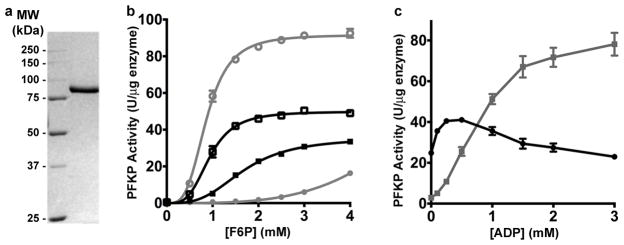
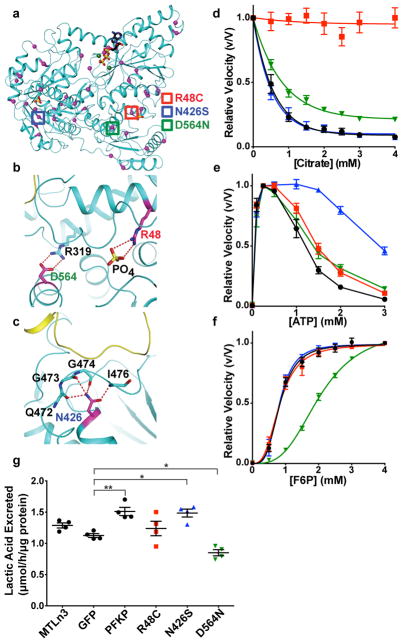
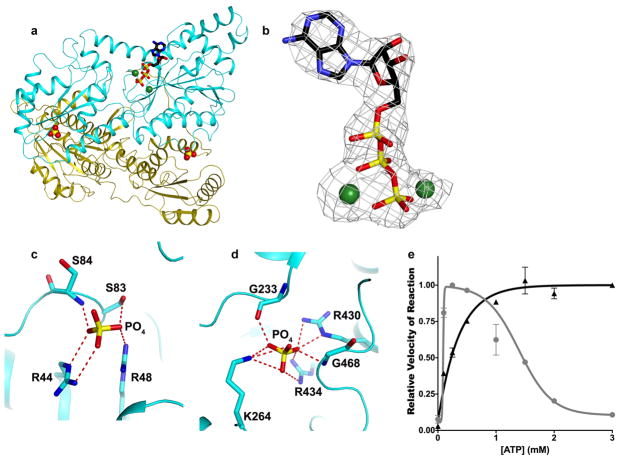
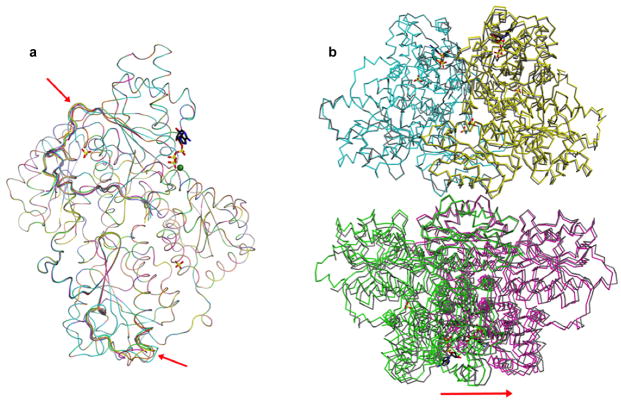
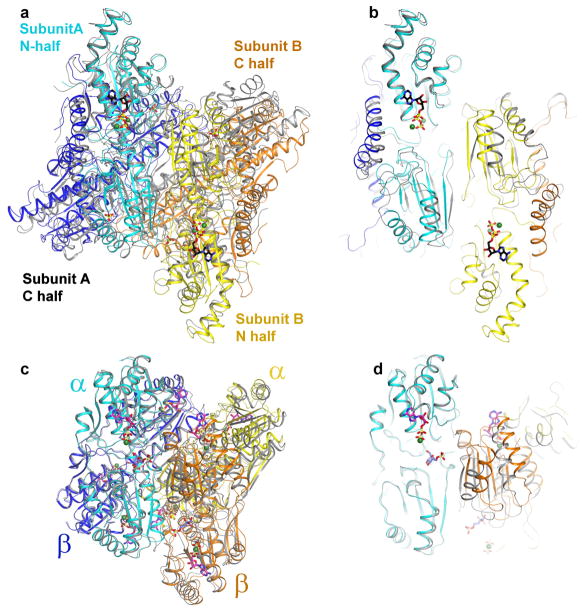
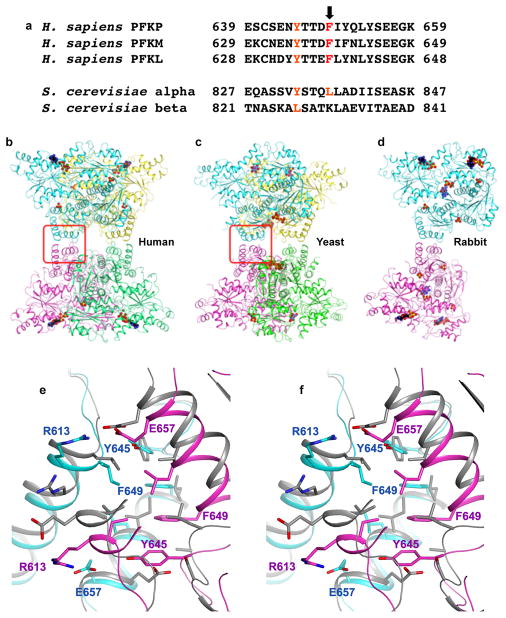
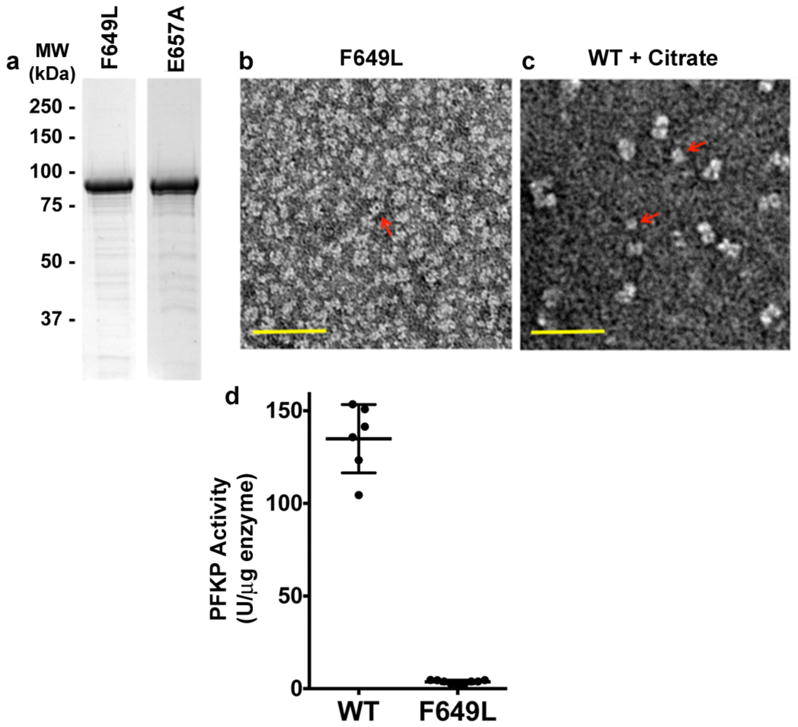
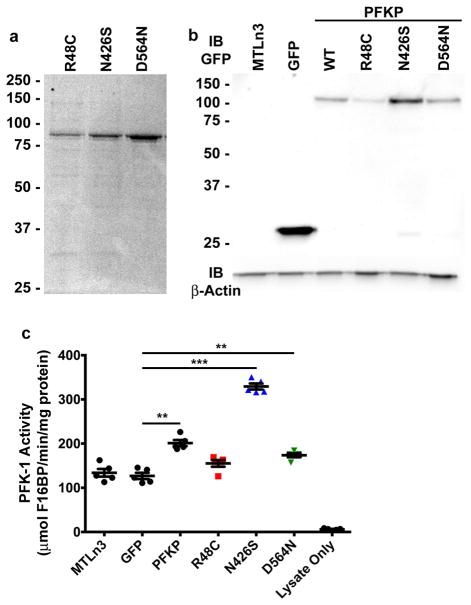
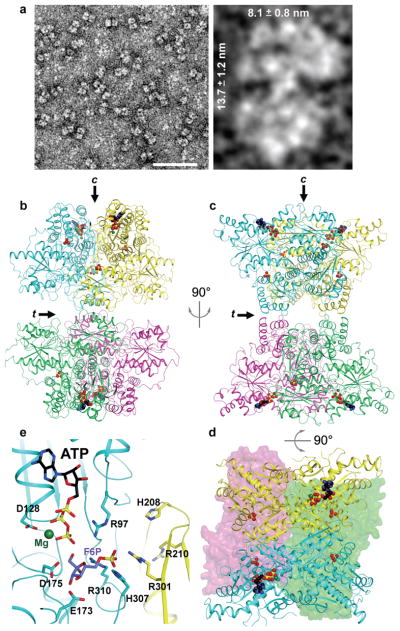
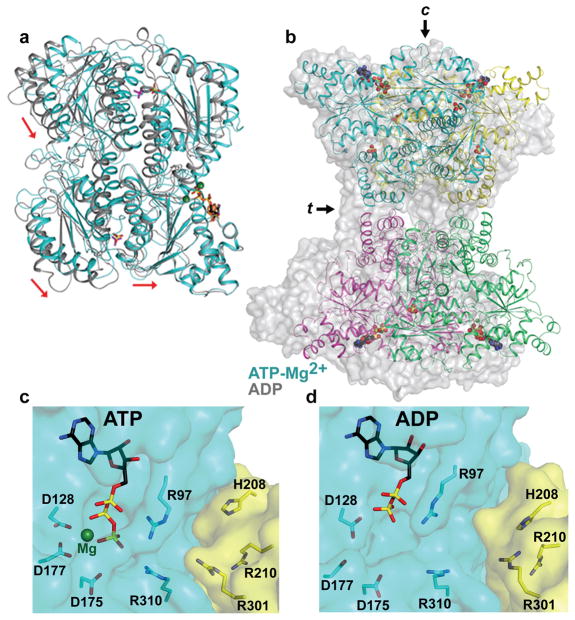
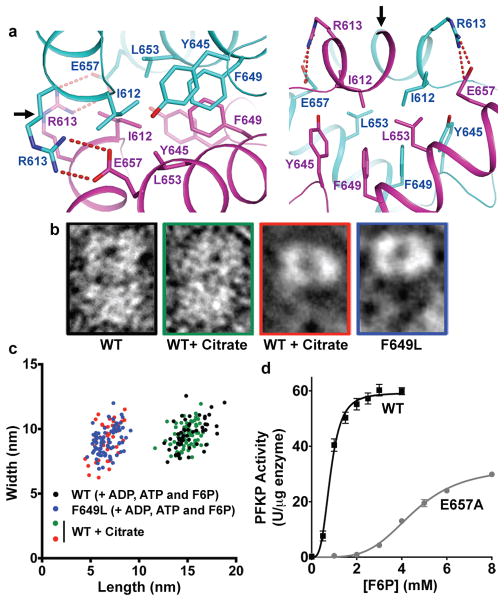
Phosphofructokinase-1 (PFK1), the 'gatekeeper' of glycolysis, catalyses the committed step of the glycolytic pathway by converting fructose-6-phosphate to fructose-1,6-bisphosphate. Allosteric activation and inhibition of PFK1 by over ten metabolites and in response to hormonal signalling fine-tune glycolytic flux to meet energy requirements. Mutations inhibiting PFK1 activity cause glycogen storage disease type VII, also known as Tarui disease, and mice deficient in muscle PFK1 have decreased fat stores. Additionally, PFK1 is proposed to have important roles in metabolic reprogramming in cancer. Despite its critical role in glucose flux, the biologically relevant crystal structure of the mammalian PFK1 tetramer has not been determined. Here we report the first structures of the mammalian PFK1 tetramer, for the human platelet isoform (PFKP), in complex with ATP-Mg(2+) and ADP at 3.1 and 3.4 Å, respectively. The structures reveal substantial conformational changes in the enzyme upon nucleotide hydrolysis as well as a unique tetramer interface. Mutations of residues in this interface can affect tetramer formation, enzyme catalysis and regulation, indicating the functional importance of the tetramer. With altered glycolytic flux being a hallmark of cancers, these new structures allow a molecular understanding of the functional consequences of somatic PFK1 mutations identified in human cancers. We characterize three of these mutations and show they have distinct effects on allosteric regulation of PFKP activity and lactate production. The PFKP structural blueprint for somatic mutations as well as the catalytic site can guide therapeutic targeting of PFK1 activity to control dysregulated glycolysis in disease.
磷酸果糖激酶-1(PFK1)是糖酵解的“守门人”,它通过将6-磷酸果糖转化为1,6-二磷酸果糖,催化糖酵解途径的关键步骤。超过十种代谢物对PFK1的变构激活和抑制以及对激素信号的响应,可微调糖酵解通量以满足能量需求。抑制PFK1活性的突变会导致VII型糖原贮积病,也称为塔瑞氏病,而肌肉中缺乏PFK1的小鼠脂肪储备减少。此外,有人提出PFK1在癌症的代谢重编程中具有重要作用。尽管PFK1在葡萄糖通量中起关键作用,但哺乳动物PFK1四聚体的生物学相关晶体结构尚未确定。在此,我们报告了哺乳动物PFK1四聚体的首个结构,即人血小板同工型(PFKP)分别与ATP-Mg(2+)和ADP形成的复合物,分辨率分别为3.1 Å和3.4 Å。这些结构揭示了核苷酸水解后酶的大量构象变化以及独特的四聚体界面。该界面中残基的突变会影响四聚体的形成、酶的催化和调节,表明四聚体具有功能重要性。由于糖酵解通量改变是癌症的一个标志,这些新结构有助于从分子层面理解在人类癌症中鉴定出的体细胞PFK1突变的功能后果。我们对其中三个突变进行了表征,结果表明它们对PFKP活性的变构调节和乳酸产生具有不同影响。体细胞突变以及催化位点的PFKP结构蓝图可以指导针对PFK1活性的治疗靶向,以控制疾病中失调的糖酵解。