Masuda Yoshitake, Itoh Toshio, Shin Woosuck, Kato Kazumi
National Institute of Advanced Industrial Science and Technology (AIST), 2266-98 Anagahora, Shimoshidami, Moriyama-ku, Nagoya 463-8560, Japan.
Sci Rep. 2015 May 20;5:10122. doi: 10.1038/srep10122.
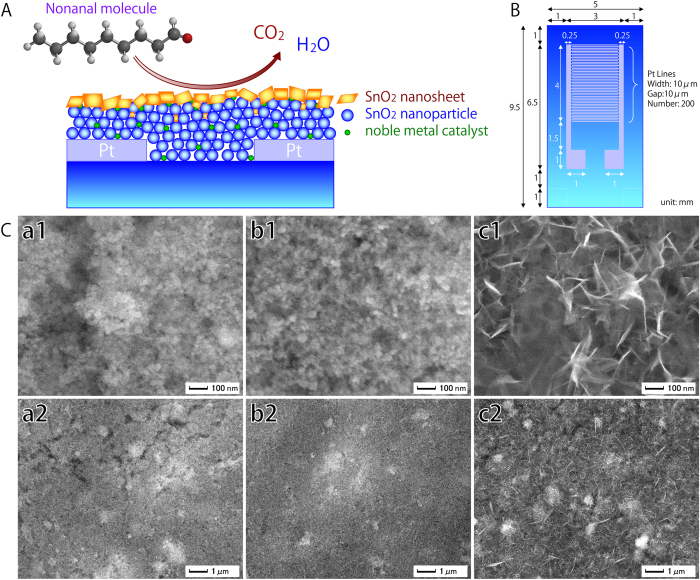
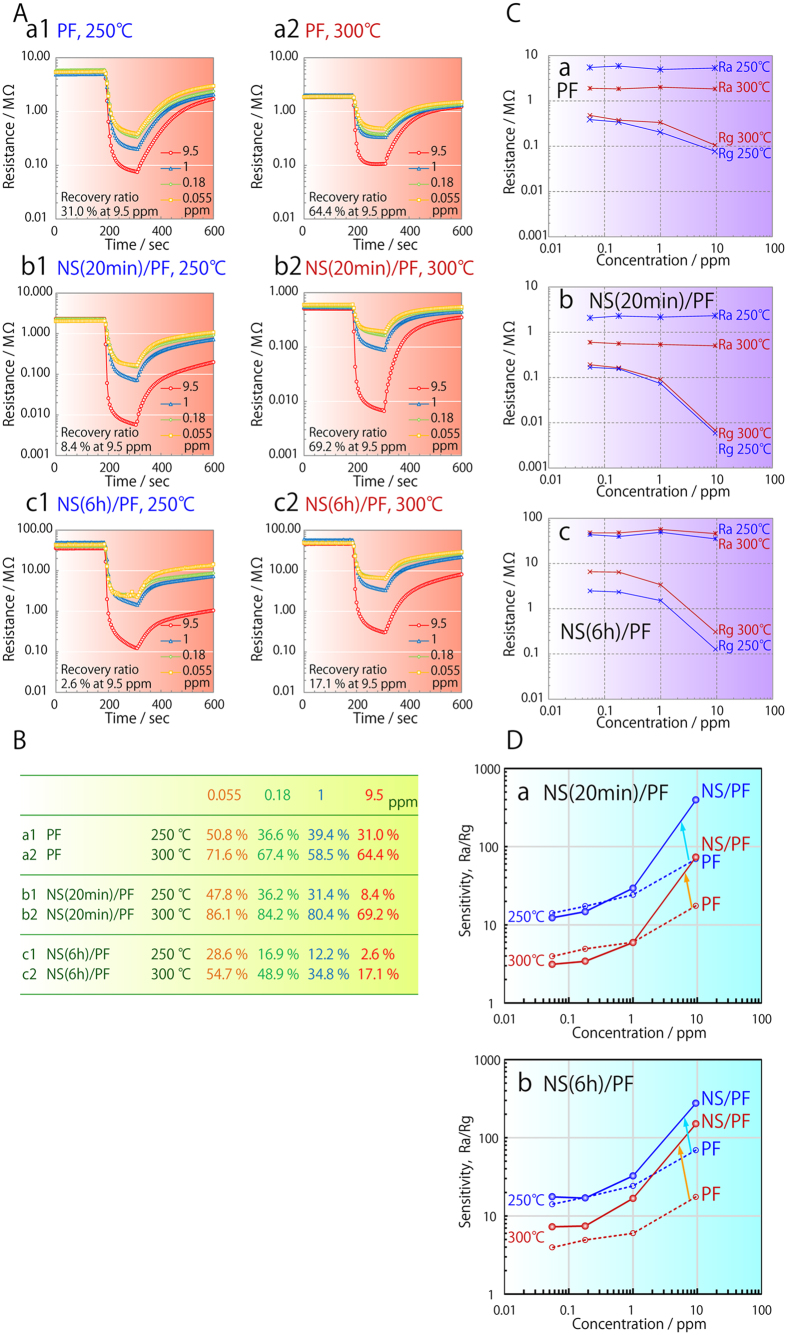
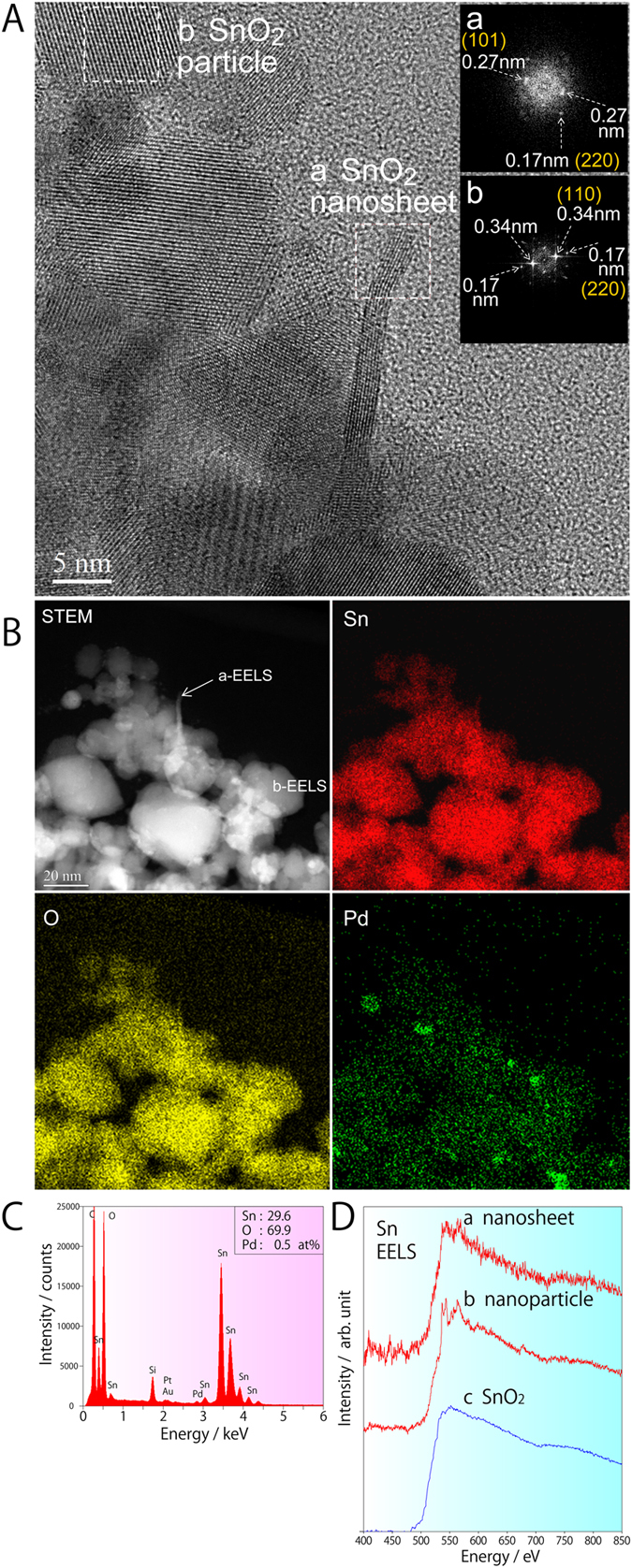
A sensor has been developed for detecting 1-nonanal gas present in the breath of lung cancer patients by combining SnO2 nanosheets with SnO2 nanoparticles and noble metal catalysts. A significant change in the electrical resistance of this sensor was observed with increasing 1-nonanal gas concentration; the resistance decreased by a factor of 1.12 within the range of 1 to 10 ppm at 300 °C. The recovery of the sensor's resistance after detecting 1-nonanal gas concentrations of 0.055, 0.18, 1, and 9.5 ppm was determined to be 86.1, 84.2, 80.4 and 69.2%, respectively. This high sensitivity is attributed to the accelerated oxidation of 1-nonanal molecules caused by the (101) crystal faces of the SnO2 nanosheets and should provide a simple and effective approach to the early detection of lung cancer.
通过将二氧化锡纳米片与二氧化锡纳米颗粒以及贵金属催化剂相结合,已开发出一种用于检测肺癌患者呼出气体中存在的壬醛气体的传感器。随着壬醛气体浓度的增加,观察到该传感器的电阻发生了显著变化;在300℃时,在1至10 ppm的范围内,电阻降低了1.12倍。在检测到0.055、0.18、1和9.5 ppm的壬醛气体浓度后,该传感器电阻的恢复率分别确定为86.1%、84.2%、80.4%和69.2%。这种高灵敏度归因于二氧化锡纳米片的(101)晶面引起的壬醛分子的加速氧化,应为肺癌的早期检测提供一种简单有效的方法。