Feng Ni Y, Fergus Daniel J, Bass Andrew H
Department of Neurobiology and Behavior, Cornell University, 14853, Ithaca, NY, USA.
Current Address: North Carolina Museum of Natural Sciences, Genomics and Microbiology, 27601, Raleigh, NC, USA.
BMC Genomics. 2015 May 27;16(1):408. doi: 10.1186/s12864-015-1577-2.
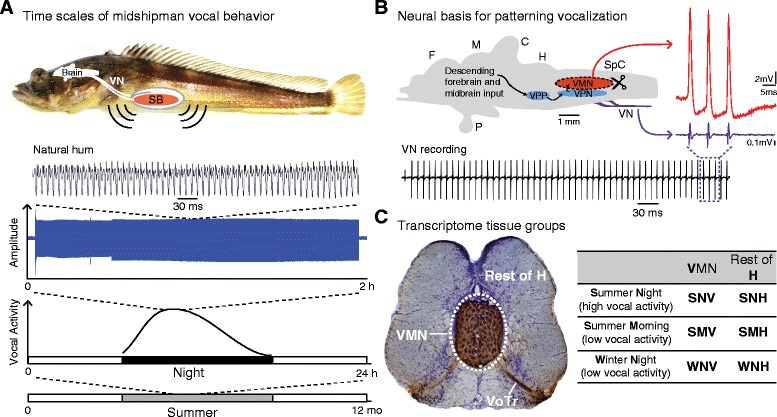
Vocalization is a prominent social behavior among vertebrates, including in the midshipman fish, an established model for elucidating the neural basis of acoustic communication. Courtship vocalizations produced by territorial males are essential for reproductive success, vary over daily and seasonal cycles, and last up to hours per call. Vocalizations rely upon extreme synchrony and millisecond precision in the firing of a homogeneous population of motoneurons, the vocal motor nucleus (VMN). Although studies have identified neural mechanisms driving rapid, precise, and stable neuronal firing over long periods of calling, little is known about underlying genetic/molecular mechanisms.
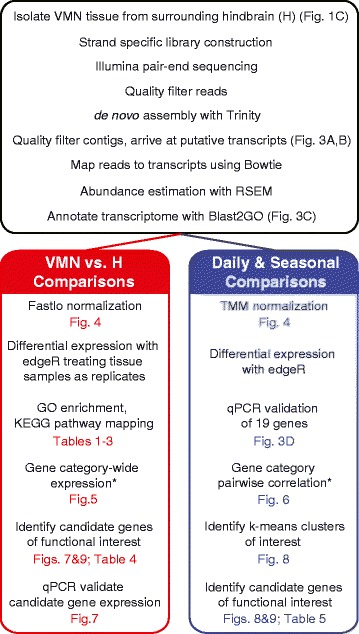
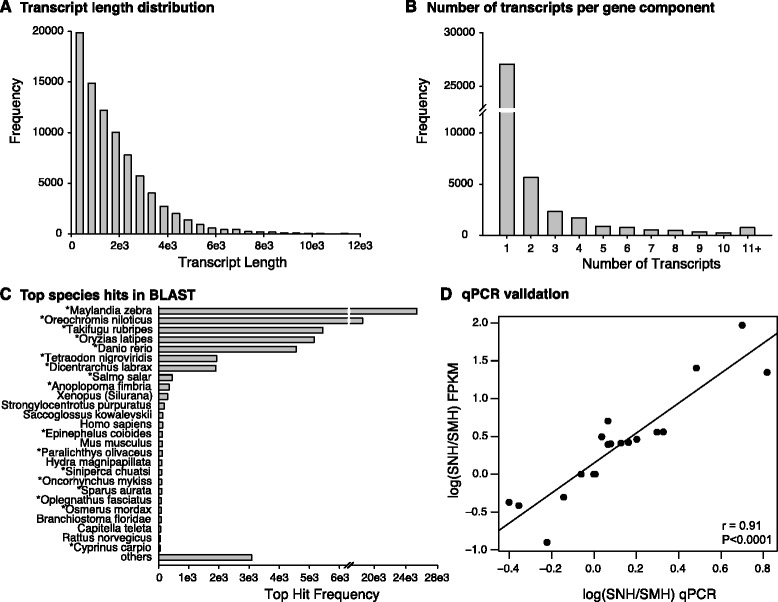
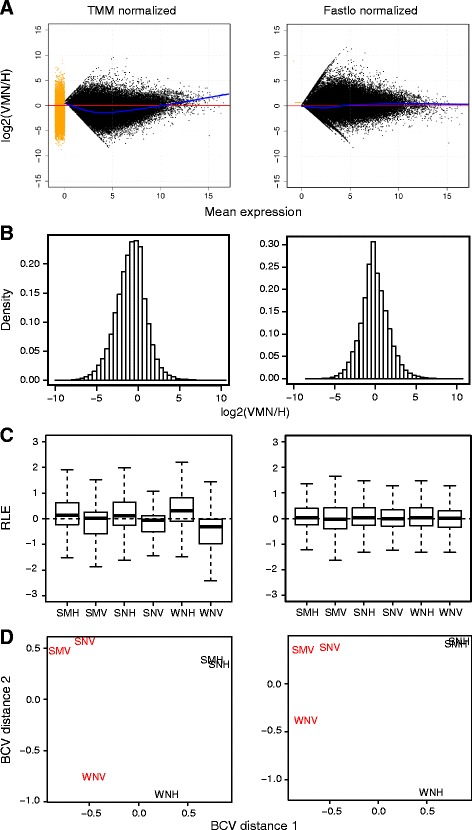
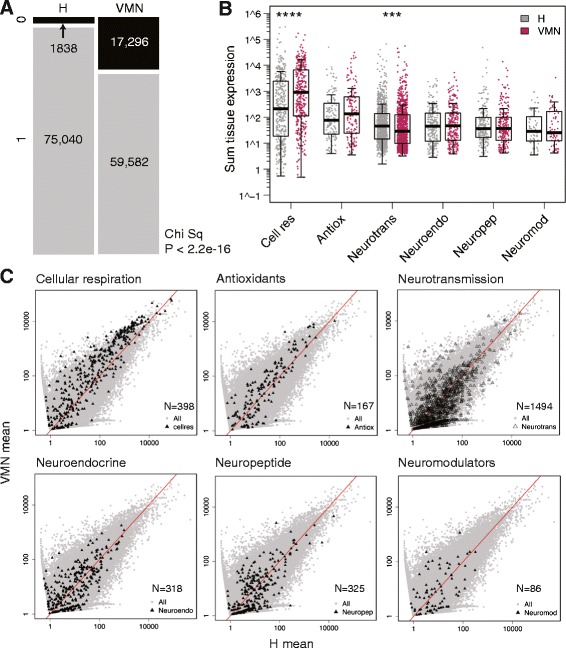
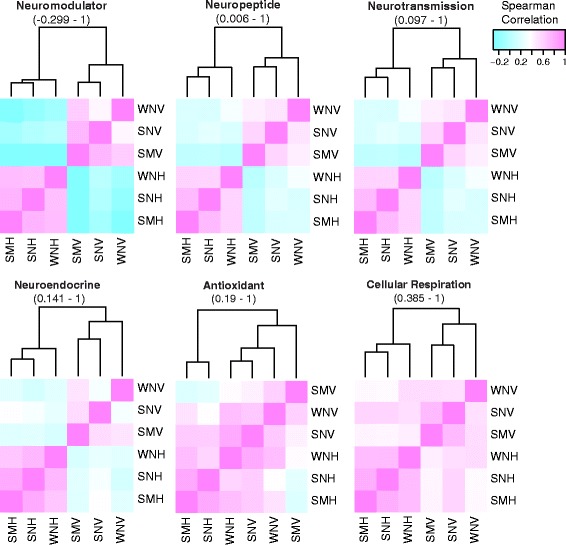
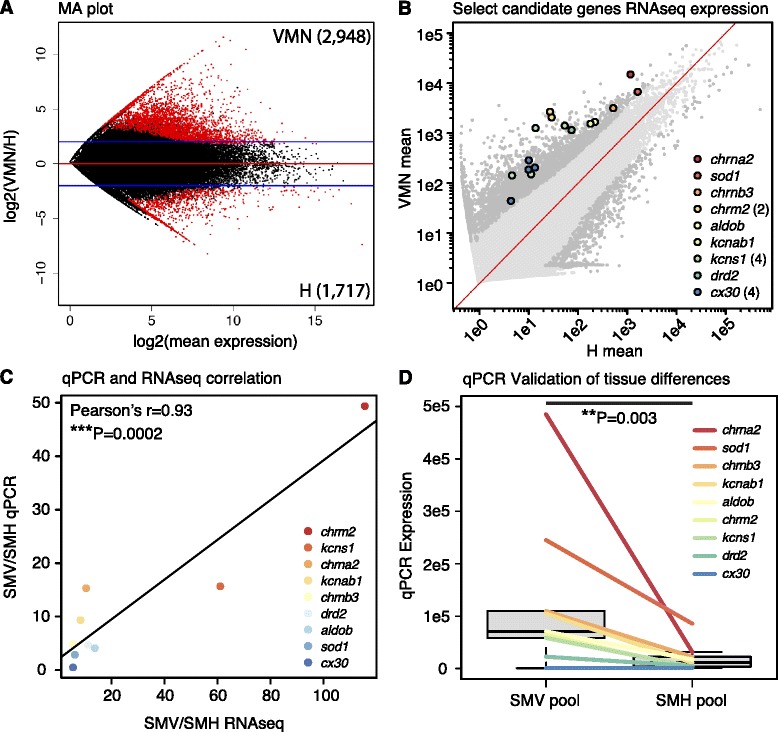
We used RNA sequencing-based transcriptome analyses to compare patterns of gene expression in VMN to the surrounding hindbrain across three daily and seasonal time points of high and low sound production to identify candidate genes that underlie VMN's intrinsic and network neuronal properties. Results from gene ontology enrichment, enzyme pathway mapping, and gene category-wide expression levels highlighted the importance of cellular respiration in VMN function, consistent with the high energetic demands of sustained vocal behavior. Functionally important candidate genes upregulated in the VMN, including at time points corresponding to high natural vocal activity, encode ion channels and neurotransmitter receptors, hormone receptors and biosynthetic enzymes, neuromodulators, aerobic respiration enzymes, and antioxidants. Quantitative PCR and RNA-seq expression levels for 28 genes were significantly correlated. Many candidate gene products regulate mechanisms of neuronal excitability, including those previously identified in VMN motoneurons, as well as novel ones that remain to be investigated. Supporting evidence from previous studies in midshipman strongly validate the value of transcriptomic analyses for linking genes to neural characters that drive behavior.
Transcriptome analyses highlighted a suite of molecular mechanisms that regulate vocalization over behaviorally relevant timescales, spanning milliseconds to hours and seasons. To our knowledge, this is the first comprehensive characterization of gene expression in a dedicated vocal motor nucleus. Candidate genes identified here may belong to a conserved genetic toolkit for vocal motoneurons facing similar energetic and neurophysiological demands.
发声是脊椎动物中一种重要的社会行为,包括在海蟾蜍鱼中,它是阐明声学通讯神经基础的一个成熟模型。领地雄性产生的求偶发声对于繁殖成功至关重要,会随每日和季节性周期变化,每次叫声持续长达数小时。发声依赖于运动神经元(即发声运动核,VMN)同质群体放电的极端同步性和毫秒级精度。尽管研究已经确定了驱动长时间鸣叫过程中快速、精确和稳定神经元放电的神经机制,但对于潜在的遗传/分子机制知之甚少。
我们使用基于RNA测序的转录组分析,在三个每日和季节性的高声和低声产生时间点,比较VMN与周围后脑的基因表达模式,以确定构成VMN内在和网络神经元特性基础的候选基因。基因本体富集、酶途径映射和全基因类别表达水平的结果突出了细胞呼吸在VMN功能中的重要性,这与持续发声行为的高能量需求一致。在VMN中上调的功能重要候选基因,包括在自然发声活动高的时间点对应的基因,编码离子通道和神经递质受体、激素受体和生物合成酶、神经调质、有氧呼吸酶和抗氧化剂。28个基因的定量PCR和RNA测序表达水平显著相关。许多候选基因产物调节神经元兴奋性机制,包括先前在VMN运动神经元中鉴定出的机制,以及有待研究的新机制。先前在海蟾蜍鱼中的研究提供的支持证据有力地验证了转录组分析在将基因与驱动行为的神经特征联系起来方面的价值。
转录组分析突出了一套在行为相关时间尺度上调节发声的分子机制,时间尺度从毫秒到数小时和季节。据我们所知,这是对专门的发声运动核中基因表达的首次全面表征。这里鉴定出的候选基因可能属于面对类似能量和神经生理需求的发声运动神经元的保守遗传工具包。