Tao Litao, Segil Neil
Genetic, Molecular and Cellular Biology Program, University of Southern California Los Angeles, CA, USA ; Department of Stem Cell Biology and Regenerative Medicine, University of Southern California Los Angeles, CA, USA.
Genetic, Molecular and Cellular Biology Program, University of Southern California Los Angeles, CA, USA ; Department of Stem Cell Biology and Regenerative Medicine, University of Southern California Los Angeles, CA, USA ; Department of Otolaryngology, University of Southern California Los Angeles, CA, USA.
Front Cell Neurosci. 2015 May 21;9:190. doi: 10.3389/fncel.2015.00190. eCollection 2015.
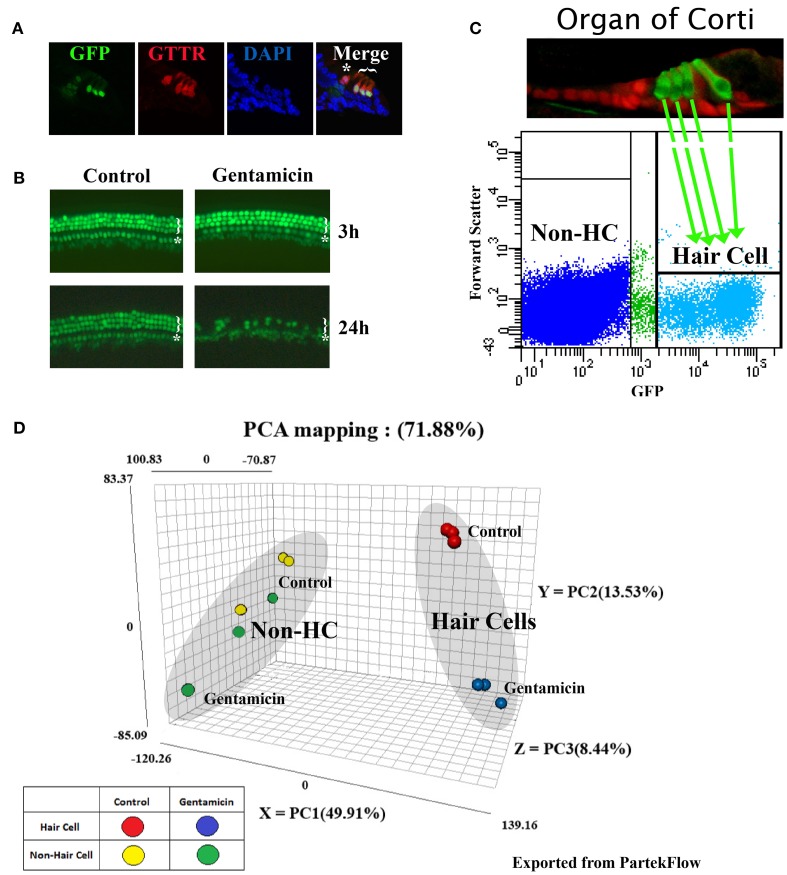
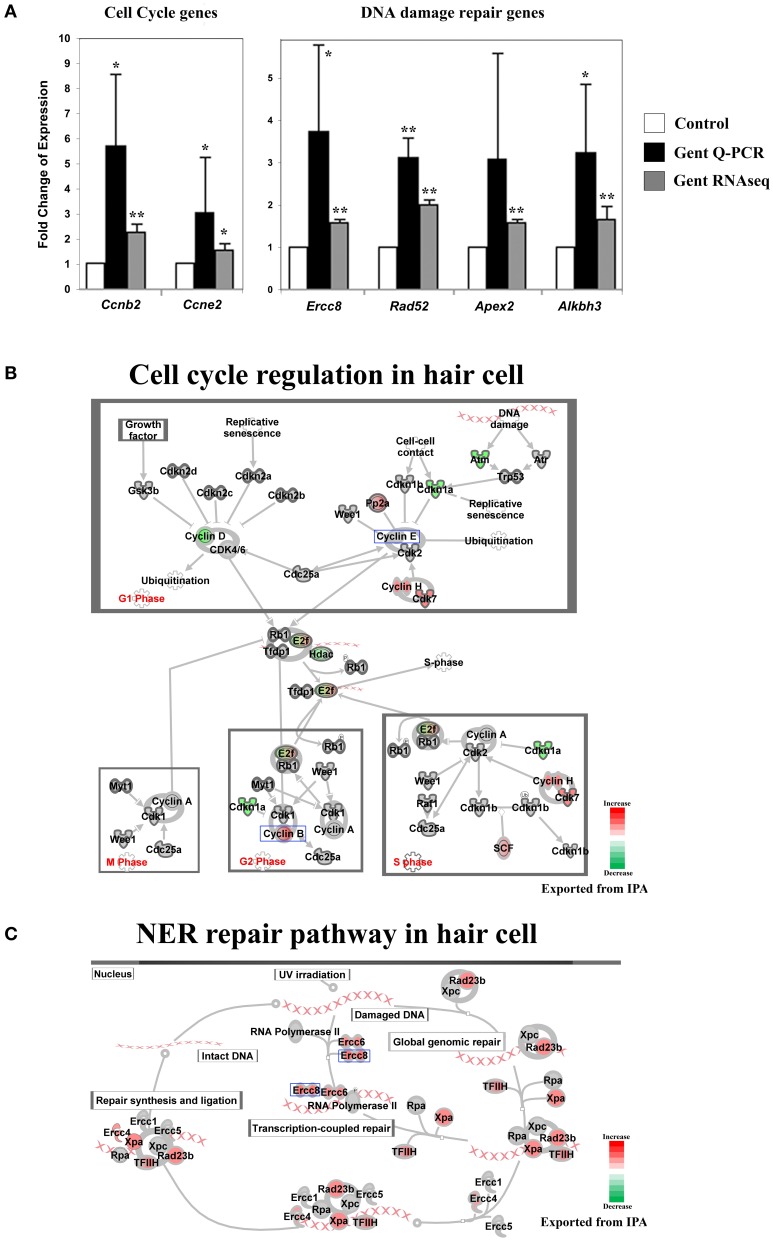
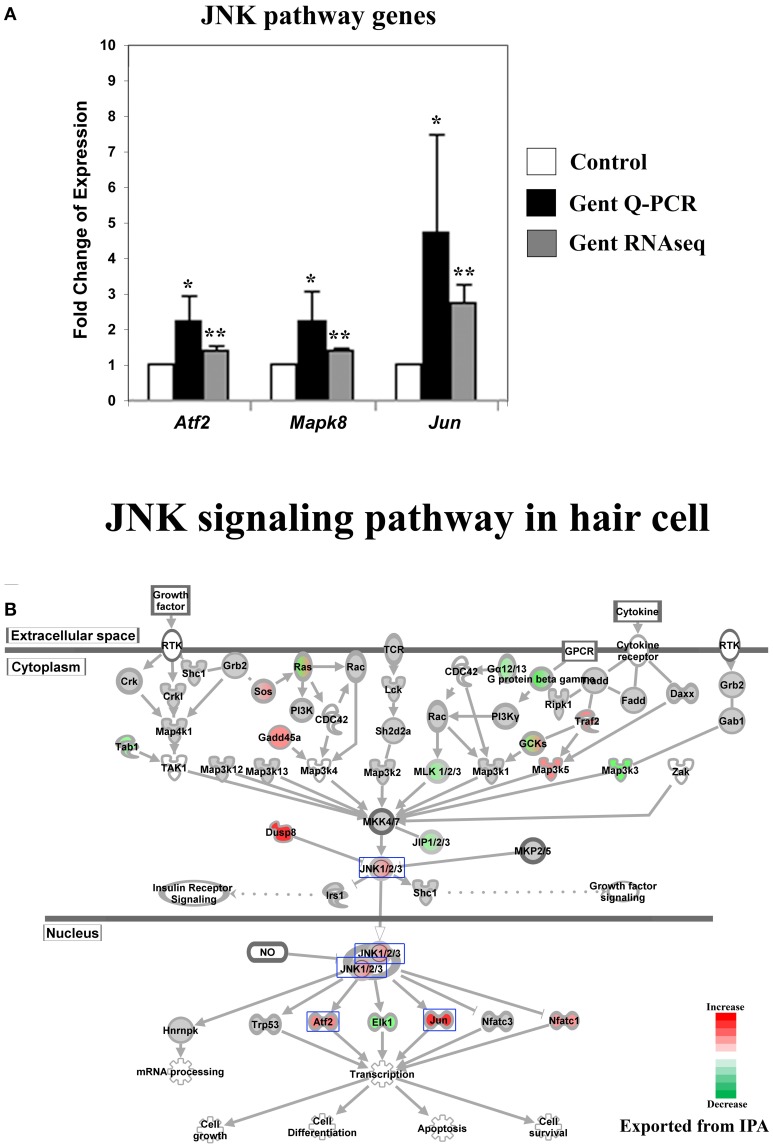
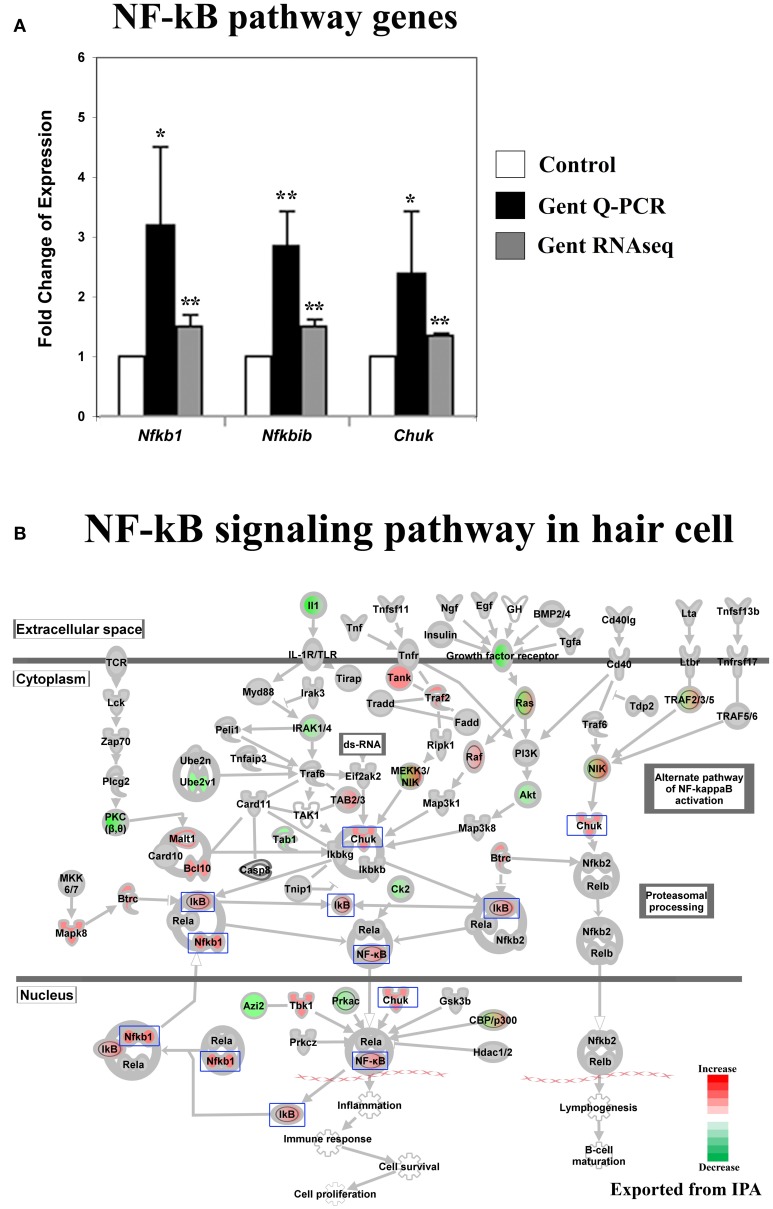
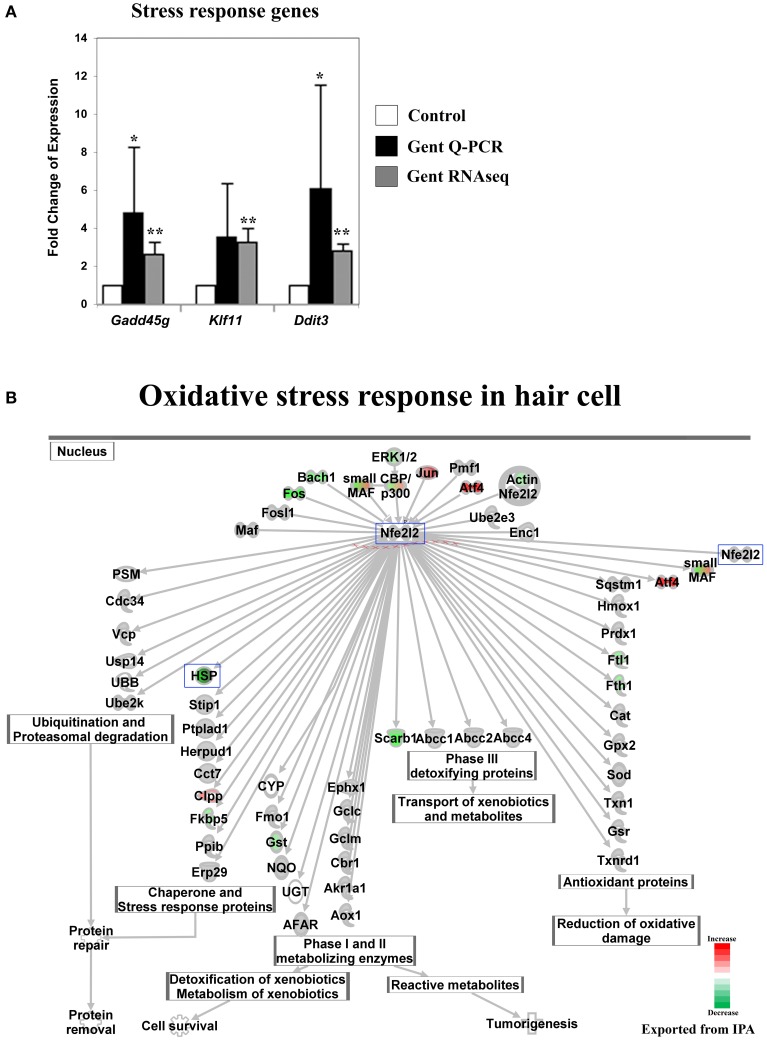
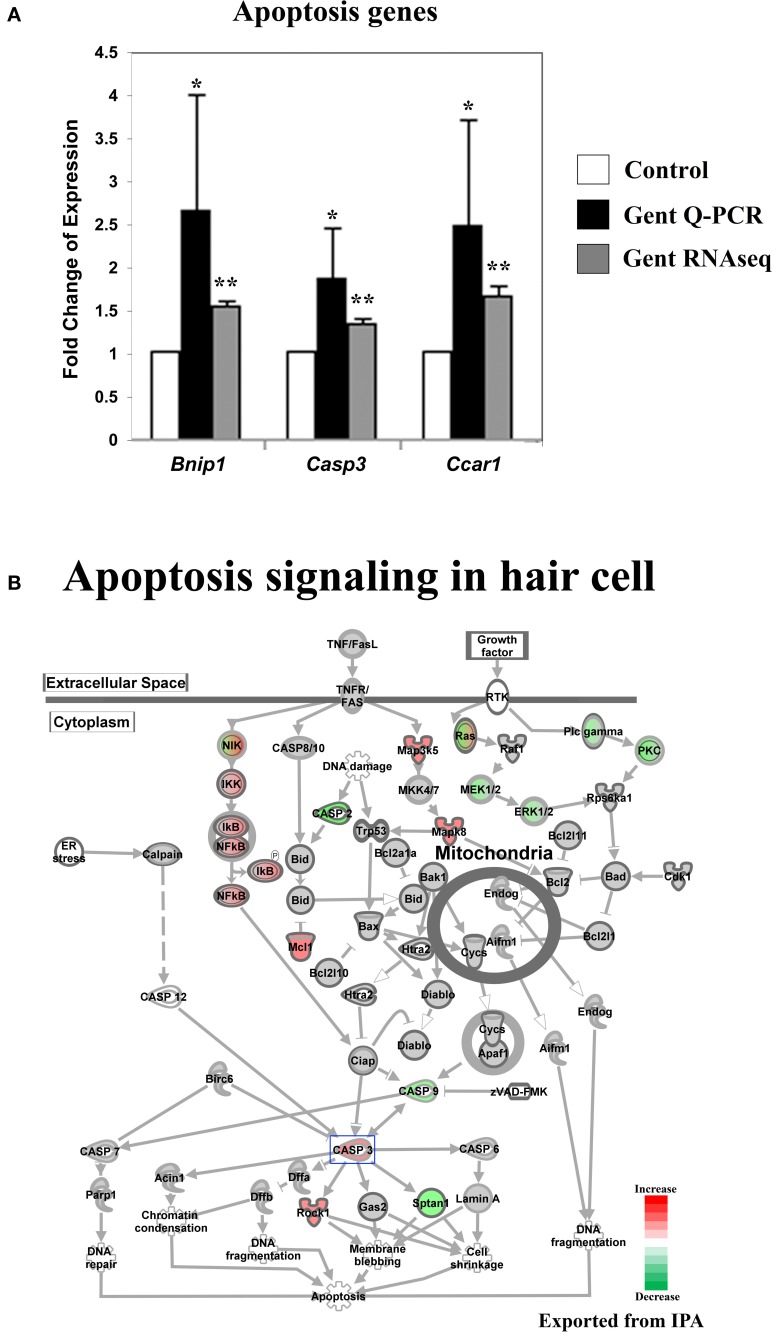
Aminoglycoside antibiotics are "the drug of choice" for treating many bacterial infections, but their administration results in hearing loss in up to one fourth of the patients who receive them. Several biochemical pathways have been implicated in aminoglycoside antibiotic ototoxicity; however, little is known about how hair cells respond to aminoglycoside antibiotics at the transcriptome level. Here we have investigated the genome-wide response to the aminoglycoside antibiotic gentamicin. Using organotypic cultures of the perinatal organ of Corti, we performed RNA sequencing using cDNA libraries obtained from FACS-purified hair cells. Within 3 h of gentamicin treatment, the messenger RNA level of more than three thousand genes in hair cells changed significantly. Bioinformatic analysis of these changes highlighted several known signal transduction pathways, including the JNK pathway and the NF-κB pathway, in addition to genes involved in the stress response, apoptosis, cell cycle control, and DNA damage repair. In contrast, only 698 genes, mainly involved in cell cycle and metabolite biosynthetic processes, were significantly affected in the non-hair cell population. The gene expression profiles of hair cells in response to gentamicin share a considerable similarity with those previously observed in gentamicin-induced nephrotoxicity. Our findings suggest that previously observed early responses to gentamicin in hair cells in specific signaling pathways are reflected in changes in gene expression. Additionally, the observed changes in gene expression of cell cycle regulatory genes indicate a disruption of the postmitotic state, which may suggest an alternate pathway regulating gentamicin-induced apoptotic hair cell death. This work provides a more comprehensive view of aminoglycoside antibiotic ototoxicity, and thus contributes to identifying potential pathways or therapeutic targets to alleviate this important side effect of aminoglycoside antibiotics.
氨基糖苷类抗生素是治疗多种细菌感染的“首选药物”,但在接受此类药物治疗的患者中,高达四分之一的人会因用药而导致听力丧失。氨基糖苷类抗生素耳毒性涉及多种生化途径;然而,关于毛细胞在转录组水平如何对氨基糖苷类抗生素作出反应,人们了解甚少。在此,我们研究了对氨基糖苷类抗生素庆大霉素的全基因组反应。利用围产期柯蒂氏器的器官型培养物,我们使用从荧光激活细胞分选(FACS)纯化的毛细胞获得的cDNA文库进行了RNA测序。在庆大霉素处理3小时内,毛细胞中三千多个基因的信使RNA水平发生了显著变化。对这些变化的生物信息学分析突出了几个已知的信号转导途径,包括JNK途径和NF-κB途径,此外还有参与应激反应、细胞凋亡、细胞周期控制和DNA损伤修复的基因。相比之下,在非毛细胞群体中,只有698个主要参与细胞周期和代谢物生物合成过程的基因受到了显著影响。毛细胞对庆大霉素反应的基因表达谱与先前在庆大霉素诱导的肾毒性中观察到的谱有相当大的相似性。我们的研究结果表明,先前在特定信号通路中观察到的毛细胞对庆大霉素的早期反应反映在基因表达的变化中。此外,观察到细胞周期调节基因的基因表达变化表明有丝分裂后状态受到破坏,这可能暗示了一条调节庆大霉素诱导的毛细胞凋亡死亡的替代途径。这项工作提供了对氨基糖苷类抗生素耳毒性更全面的认识,从而有助于确定减轻氨基糖苷类抗生素这一重要副作用的潜在途径或治疗靶点。