Wang Xiaoxi, Qi Xingshun, Guo Xiaozhong
From the Department of Gastroenterology, General, Hospital of Shenyang Military Area (XW, XQ, XG); and Postgraduate College, Liaoning University of Traditional Chinese Medicine (XW), Shenyang, China.
Medicine (Baltimore). 2015 Jun;94(23):e942. doi: 10.1097/MD.0000000000000942.
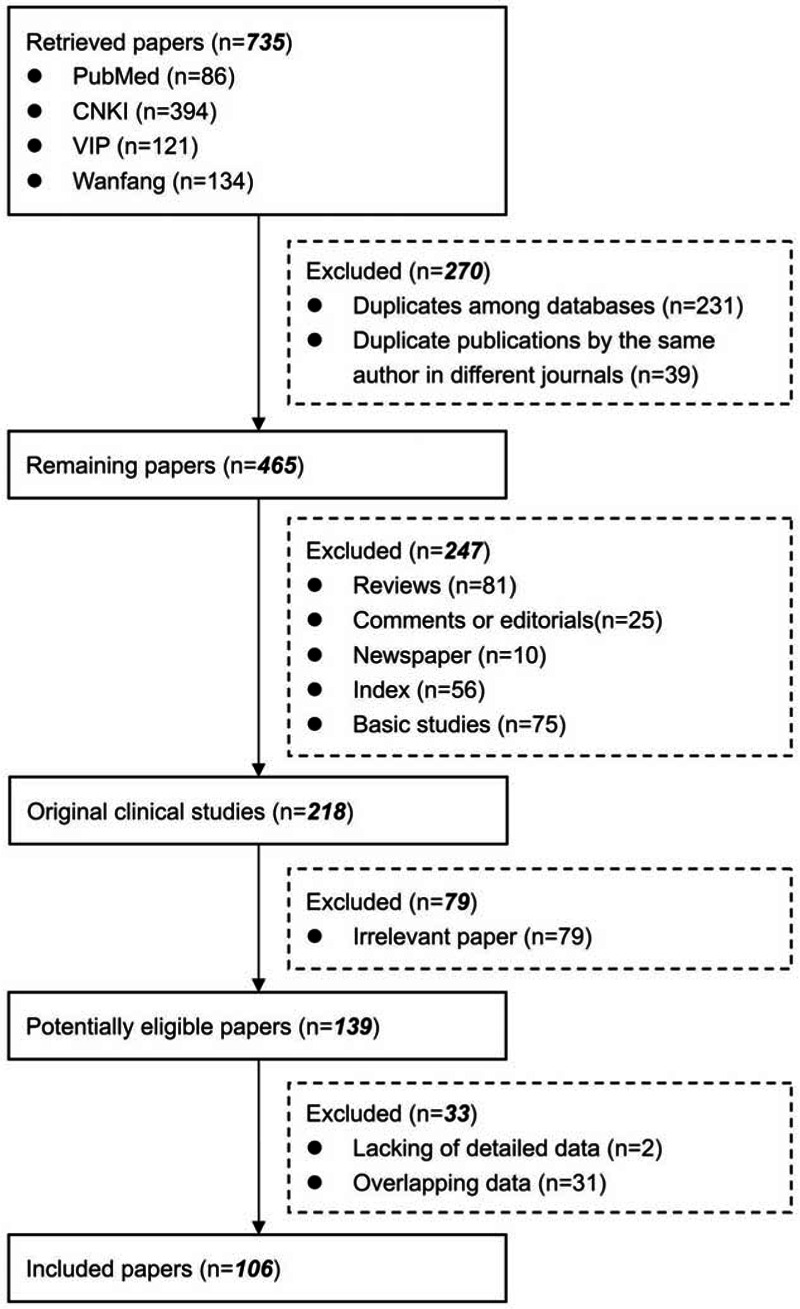
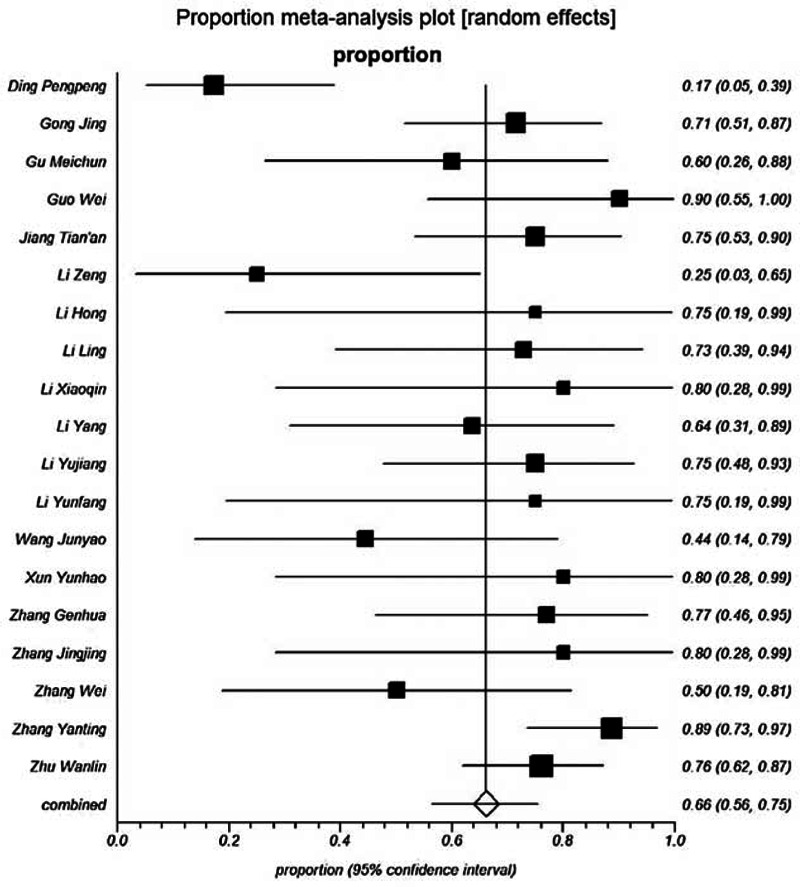
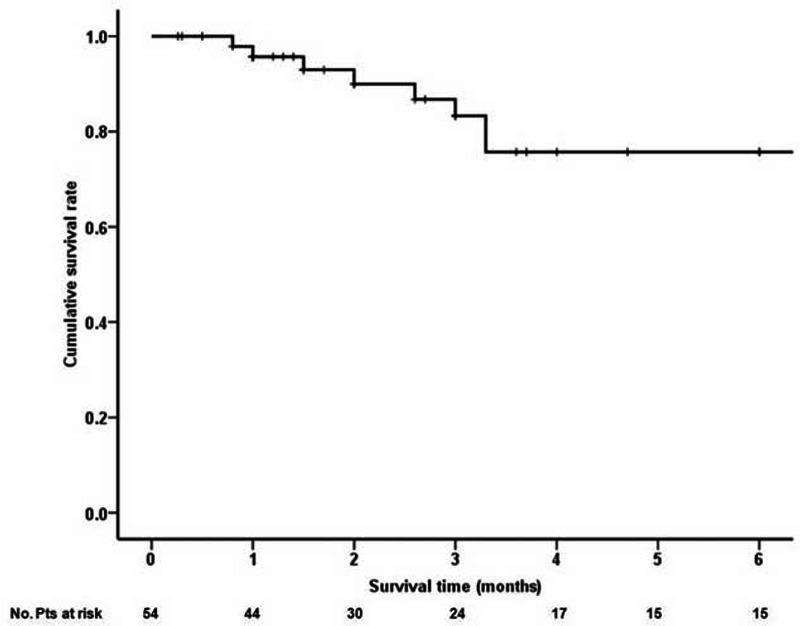
In West, sinusoidal obstruction syndrome (SOS) is often complicated with hemopoietic stem cell transplantation. By comparison, in China, SOS is frequently caused by Tusanqi-containing pyrrolizidine alkaloids. A systematic review aimed to evaluate the clinical profiles, diagnostic workup, treatment, and outcomes of Tusanqi-related SOS in China. All relevant articles were searched via PubMed, China Knowledge Resource Integrated, VIP, and Wanfang databases. Case reports were defined, as the data were available in every individual patient. Otherwise, case series were defined. Overall, 106 articles were eligible. Fifty-six case reports included 84 individual patients with SOS secondary to Tusanqi alone. All of them presented with ascites, but only 1 patient presented with upper gastrointestinal bleeding. The 1-, 3-, and 6-month cumulative survival rate was 98%, 87%, and 76%, respectively. Increased bilirubin and aspartate transaminase levels were significantly associated with poor outcome. Thirty-one case series included 402 patients with SOS secondary to Tusanqi alone. Ascites was observed in 94% of patients, but upper gastrointestinal bleeding was observed in 40% of patients. Recovery, stabilization, progression, and death were observed in 41%, 30%, 14%, and 16% of patients, respectively. Nineteen case series included 281 patients with SOS secondary to mixed etiologies. The pooled proportion of Tusanqi-related SOS was 66% (95% confidence interval: 56%-75%). Tusanqi is a major cause of SOS in China. Ascites is the most common clinical presentation of Tusanqi-related SOS. Despite a relatively good short-term outcome, further studies should be necessary to explore the long-term outcome and refine the treatment strategy.
在西方,窦性阻塞综合征(SOS)常与造血干细胞移植相关。相比之下,在中国,SOS常由含土三七的吡咯里西啶生物碱引起。一项系统评价旨在评估中国土三七相关SOS的临床特征、诊断检查、治疗及预后。通过PubMed、中国知网、维普和万方数据库检索所有相关文章。若能获取每个患者的数据,则定义为病例报告;否则定义为病例系列。总体而言,106篇文章符合要求。56篇病例报告包含84例单独由土三七导致SOS的个体患者。他们均出现腹水,但仅1例出现上消化道出血。1个月、3个月和6个月的累积生存率分别为98%、87%和76%。胆红素和天冬氨酸转氨酶水平升高与不良预后显著相关。31篇病例系列包含402例单独由土三七导致SOS的患者。94%的患者出现腹水,但40%的患者出现上消化道出血。分别有41%、30%、14%和16%的患者观察到恢复、病情稳定、进展和死亡。19篇病例系列包含281例病因混合导致SOS的患者。土三七相关SOS的合并比例为66%(95%置信区间:56%-75%)。土三七是中国SOS的主要病因。腹水是土三七相关SOS最常见的临床表现。尽管短期预后相对较好,但仍有必要进一步研究以探索长期预后并完善治疗策略。