Ding Pengfei, McFarland Kirsty A, Jin Shujuan, Tong Grace, Duan Bo, Yang Ally, Hughes Timothy R, Liu Jun, Dove Simon L, Navarre William Wiley, Xia Bin
Beijing Nuclear Magnetic Resonance Center, School of Life Sciences, College of Chemistry and Molecular Engineering, Peking University, Beijing, China.
Division of Infectious Diseases, Boston Children's Hospital, Harvard Medical School, Boston, Massachusetts, United States of America.
PLoS Pathog. 2015 Jun 11;11(6):e1004967. doi: 10.1371/journal.ppat.1004967. eCollection 2015 Jun.
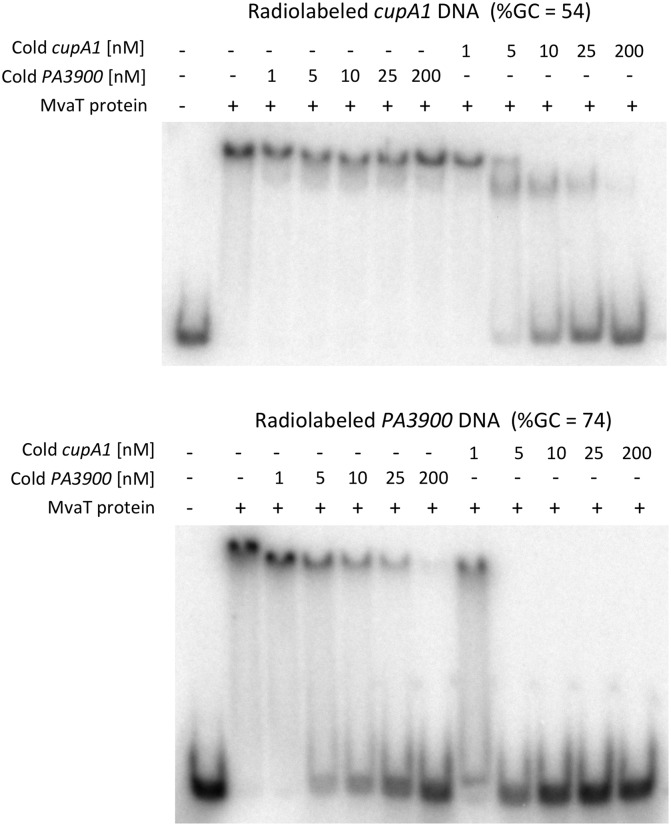
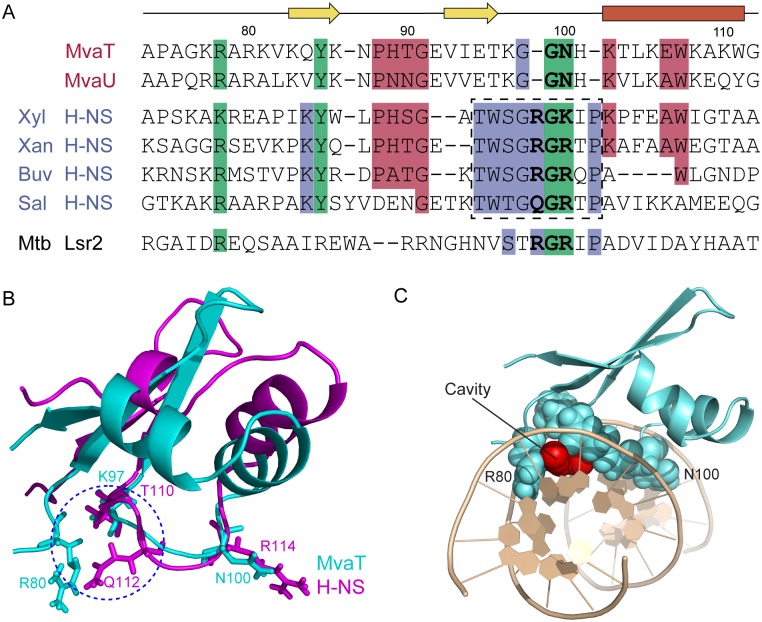
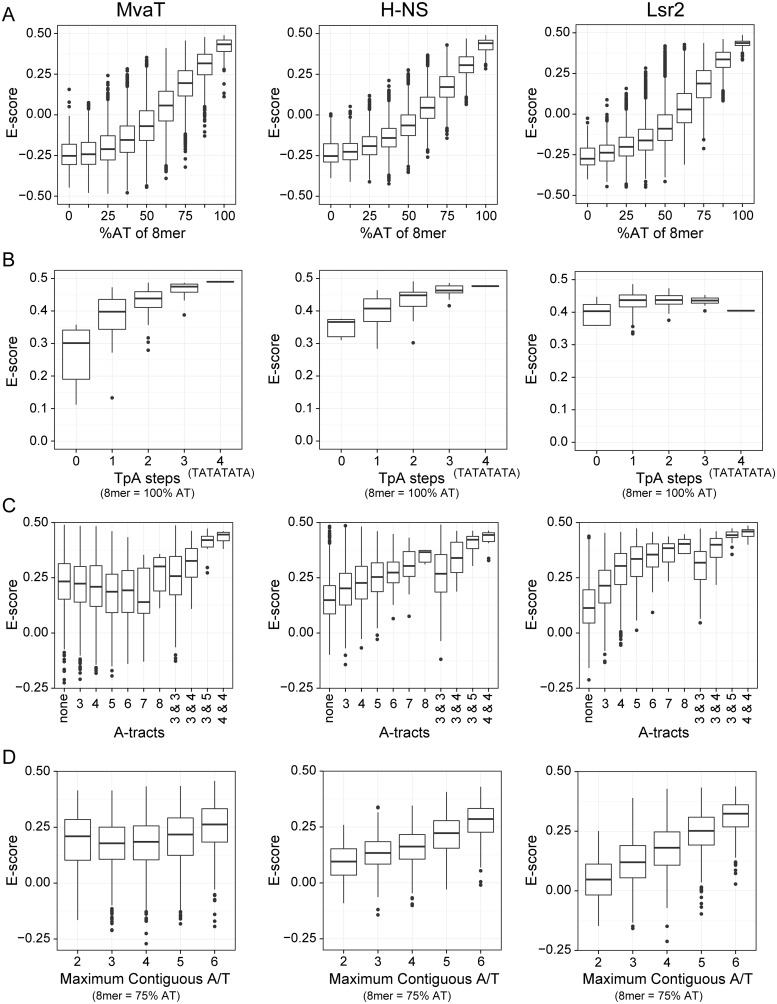
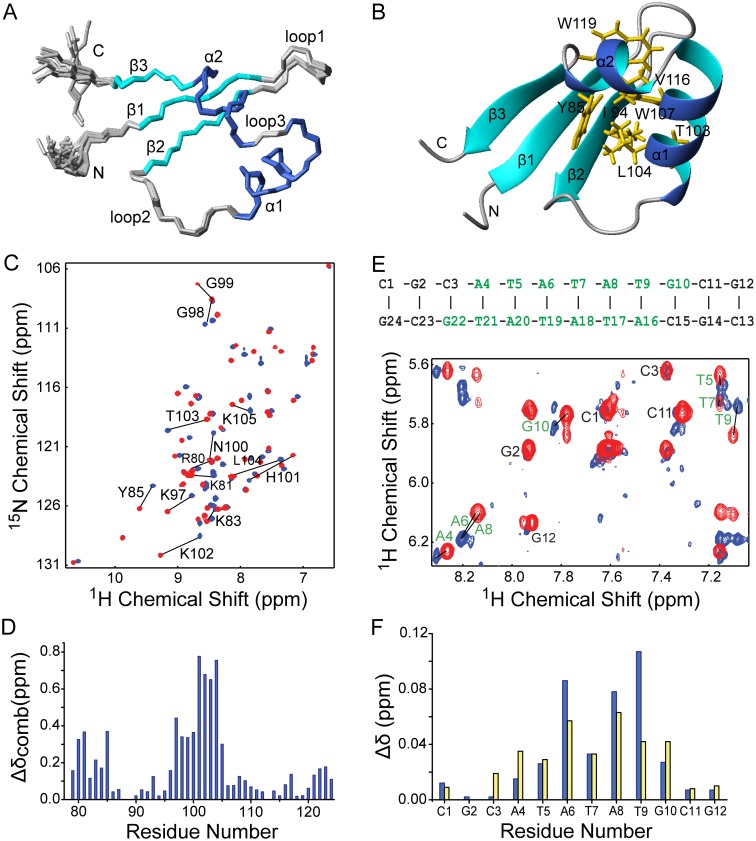
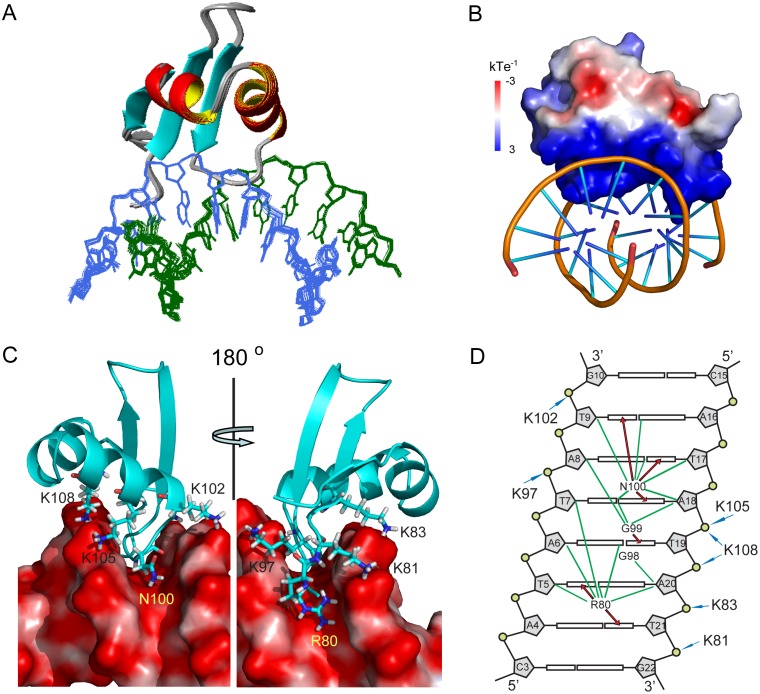
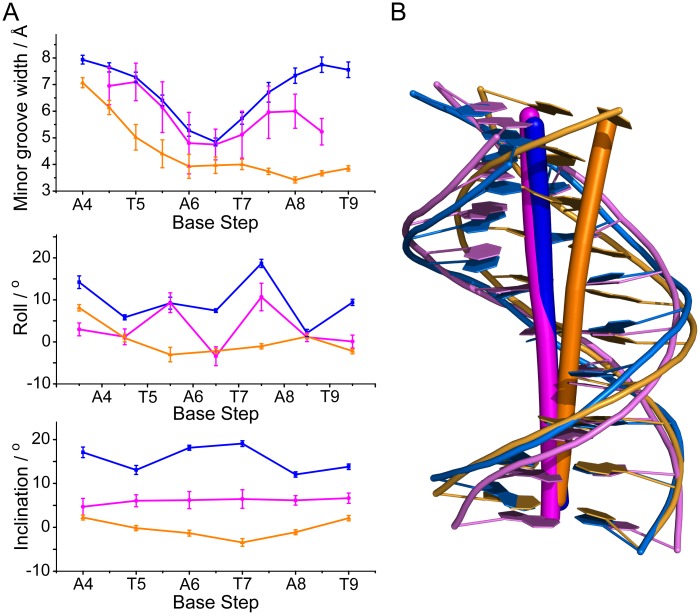
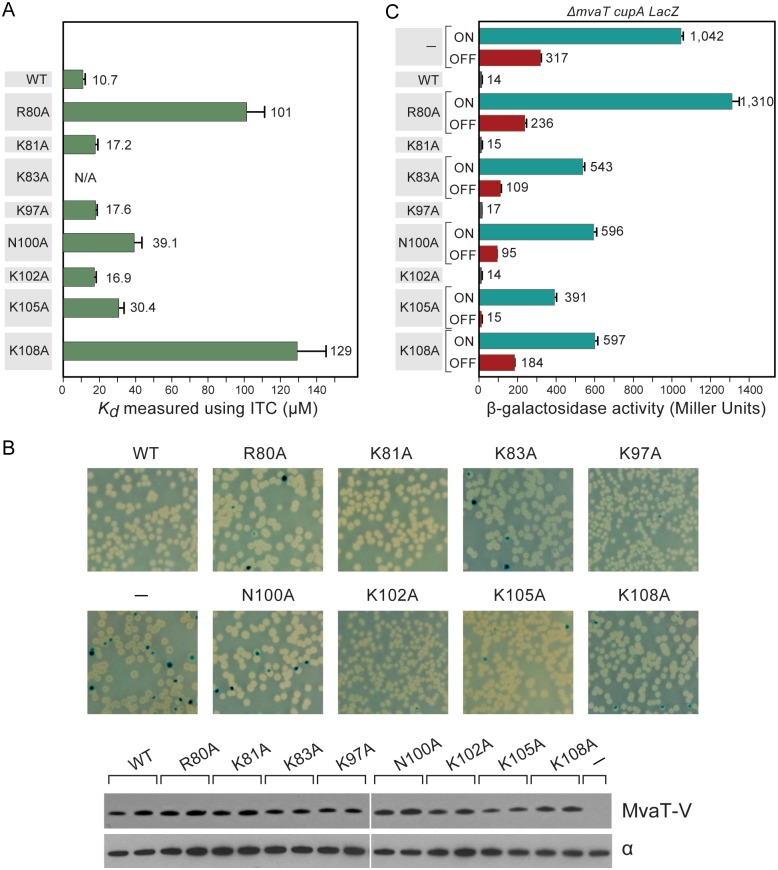
Bacterial xenogeneic silencing proteins selectively bind to and silence expression from many AT rich regions of the chromosome. They serve as master regulators of horizontally acquired DNA, including a large number of virulence genes. To date, three distinct families of xenogeneic silencers have been identified: H-NS of Proteobacteria, Lsr2 of the Actinomycetes, and MvaT of Pseudomonas sp. Although H-NS and Lsr2 family proteins are structurally different, they all recognize the AT-rich DNA minor groove through a common AT-hook-like motif, which is absent in the MvaT family. Thus, the DNA binding mechanism of MvaT has not been determined. Here, we report the characteristics of DNA sequences targeted by MvaT with protein binding microarrays, which indicates that MvaT prefers binding flexible DNA sequences with multiple TpA steps. We demonstrate that there are clear differences in sequence preferences between MvaT and the other two xenogeneic silencer families. We also determined the structure of the DNA-binding domain of MvaT in complex with a high affinity DNA dodecamer using solution NMR. This is the first experimental structure of a xenogeneic silencer in complex with DNA, which reveals that MvaT recognizes the AT-rich DNA both through base readout by an "AT-pincer" motif inserted into the minor groove and through shape readout by multiple lysine side chains interacting with the DNA sugar-phosphate backbone. Mutations of key MvaT residues for DNA binding confirm their importance with both in vitro and in vivo assays. This novel DNA binding mode enables MvaT to better tolerate GC-base pair interruptions in the binding site and less prefer A tract DNA when compared to H-NS and Lsr2. Comparison of MvaT with other bacterial xenogeneic silencers provides a clear picture that nature has evolved unique solutions for different bacterial genera to distinguish foreign from self DNA.
细菌异种沉默蛋白选择性地结合并沉默染色体上许多富含AT区域的表达。它们作为水平获得性DNA的主要调节因子,包括大量毒力基因。迄今为止,已鉴定出三种不同的异种沉默蛋白家族:变形菌门的H-NS、放线菌门的Lsr2和假单胞菌属的MvaT。尽管H-NS和Lsr2家族蛋白在结构上不同,但它们都通过一个共同的类似AT钩基序识别富含AT的DNA小沟,而MvaT家族中不存在该基序。因此,MvaT的DNA结合机制尚未确定。在此,我们通过蛋白质结合微阵列报告了MvaT靶向的DNA序列特征,这表明MvaT更喜欢结合具有多个TpA步移的柔性DNA序列。我们证明MvaT与其他两个异种沉默蛋白家族在序列偏好上存在明显差异。我们还使用溶液核磁共振确定了与高亲和力DNA十二聚体结合的MvaT的DNA结合结构域的结构。这是异种沉默蛋白与DNA复合物的第一个实验结构,揭示了MvaT通过插入小沟的“AT钳”基序进行碱基识别以及通过多个赖氨酸侧链与DNA糖磷酸骨架相互作用进行形状识别来识别富含AT的DNA。对MvaT与DNA结合关键残基的突变通过体外和体内实验证实了它们的重要性。与H-NS和Lsr2相比,这种新的DNA结合模式使MvaT能够更好地耐受结合位点中的GC碱基对中断,并且对A序列DNA的偏好性更低。将MvaT与其他细菌异种沉默蛋白进行比较,清楚地表明自然界已经为不同细菌属进化出了独特的解决方案,以区分外源DNA和自身DNA。