SalmanOgli Ahmad
Research Center for Pharmaceutical Nanotechnology (RCPN), Tabriz University of Medical Sciences, Tabriz, Iran.
Cancer Nanotechnol. 2011;2(1-6):1-19. doi: 10.1007/s12645-011-0015-7. Epub 2011 Jul 13.
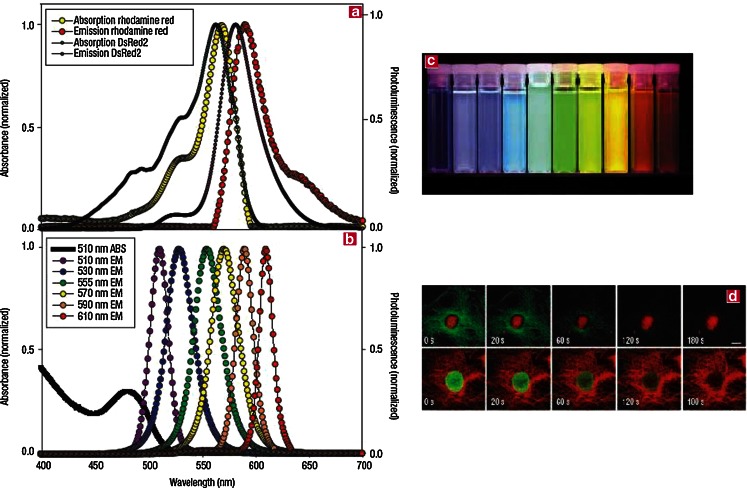
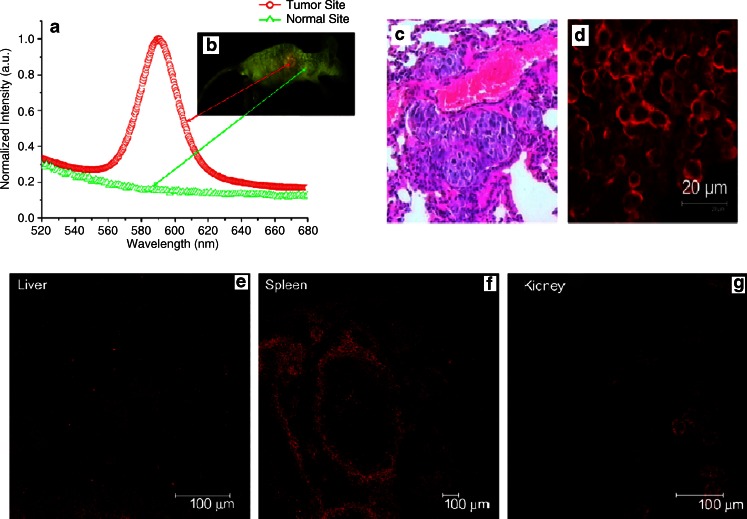
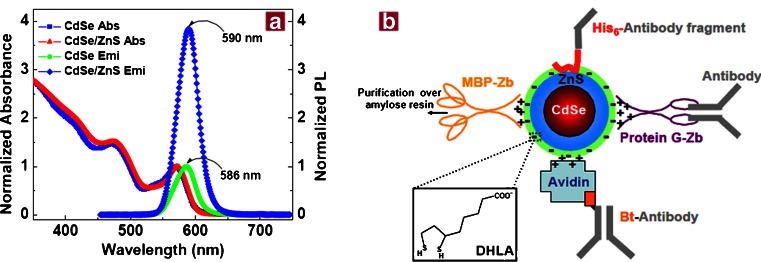
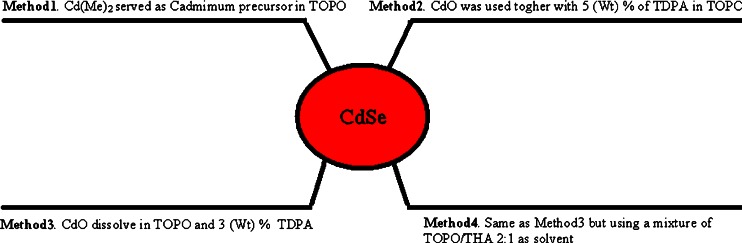
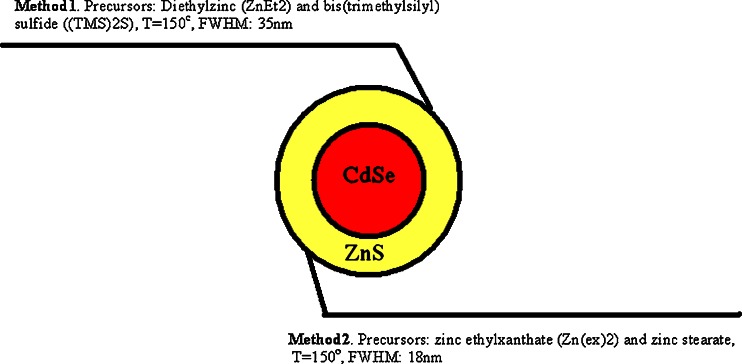
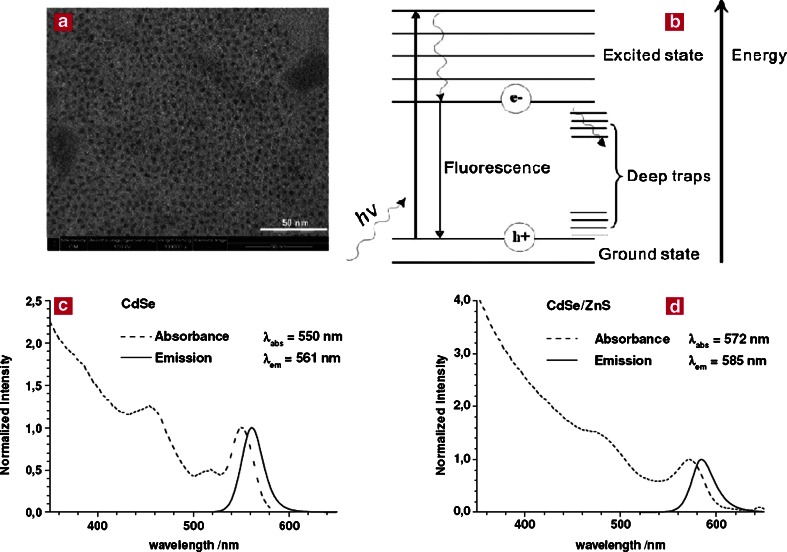
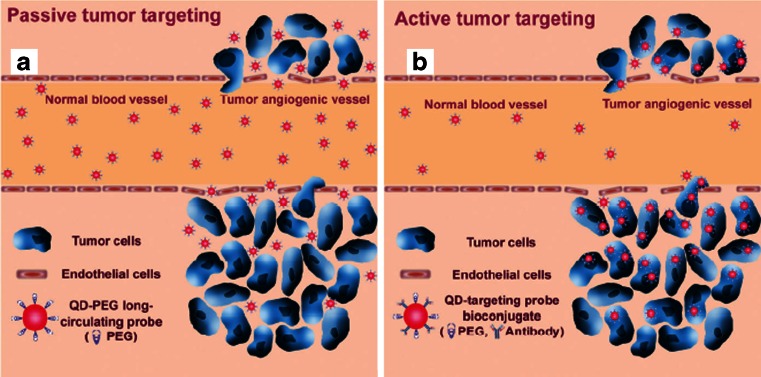
In this article, the syntheses and optical properties of core/shell quantum dot (CdSe/ZnS) and their applications are reviewed. Nevertheless, the main focus is to provide an overview on biological applications of quantum dots that contain imaging, targeting, and sensing. We discuss the different synthetic methods, optical properties (photoluminescence intensity, absorption, and fluorescence spectra), and their dependence on shape, size, and inner structure of quantum dots. Also, the different mechanisms of quantum dots bio-targeting (passive and active mechanisms) are discussed. The impact of quantum dots in bioimaging is reviewed regarding its photoluminescence intensity, absorption and emission spectrum, and photo-stability on high-quality and sensitivity imaging. Further, the difference between near infrared and visible emission quantum dots in deep tissue imaging will be reviewed and some of done works are considered and compared with each other. And finally, the biosensing potential/application of quantum dots in medical diagnosis is going to be highlighted.
本文综述了核壳量子点(CdSe/ZnS)的合成、光学性质及其应用。然而,重点是概述量子点在生物领域的应用,包括成像、靶向和传感。我们讨论了不同的合成方法、光学性质(光致发光强度、吸收和荧光光谱),以及它们对量子点形状、尺寸和内部结构的依赖性。此外,还讨论了量子点生物靶向的不同机制(被动和主动机制)。从光致发光强度、吸收和发射光谱以及光稳定性对高质量和高灵敏度成像的影响方面,综述了量子点在生物成像中的作用。此外,还将综述近红外和可见光发射量子点在深部组织成像中的差异,并对已完成的一些工作进行相互比较。最后,将重点介绍量子点在医学诊断中的生物传感潜力/应用。