Jun Joon-Il, Kim Ki-Hyun, Lau Lester F
Department of Biochemistry and Molecular Genetics, College of Medicine, University of Illinois at Chicago, 900 South Ashland Avenue, Chicago, Illinois 60607, USA.
Nat Commun. 2015 Jun 16;6:7386. doi: 10.1038/ncomms8386.
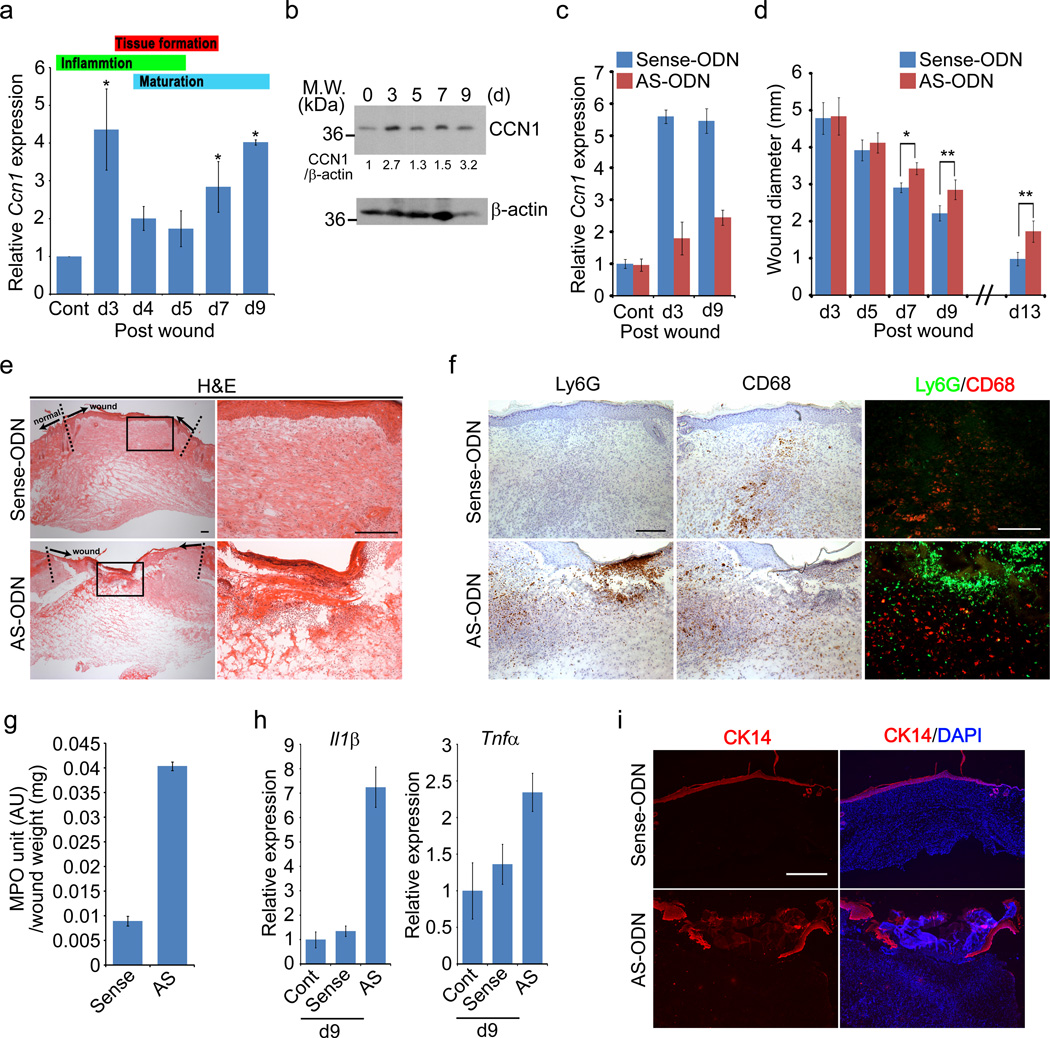
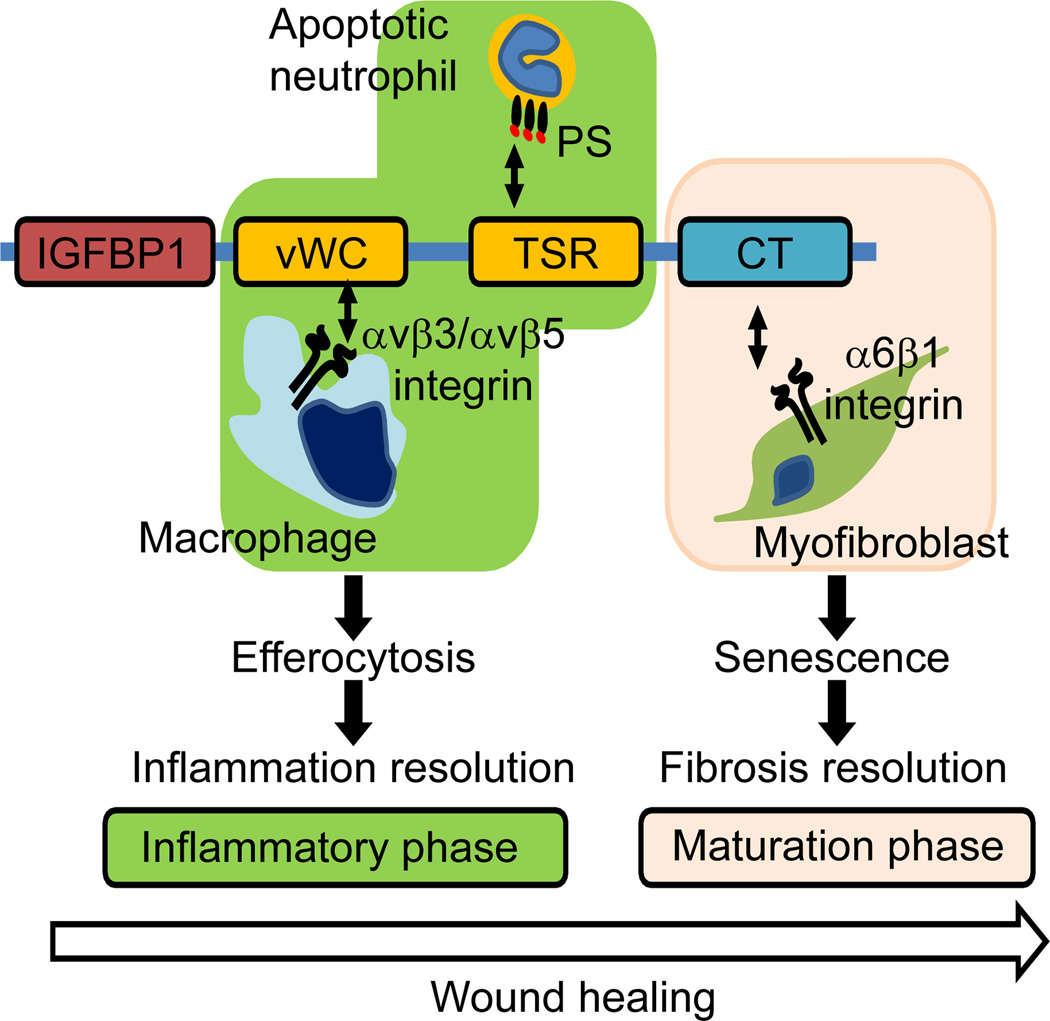
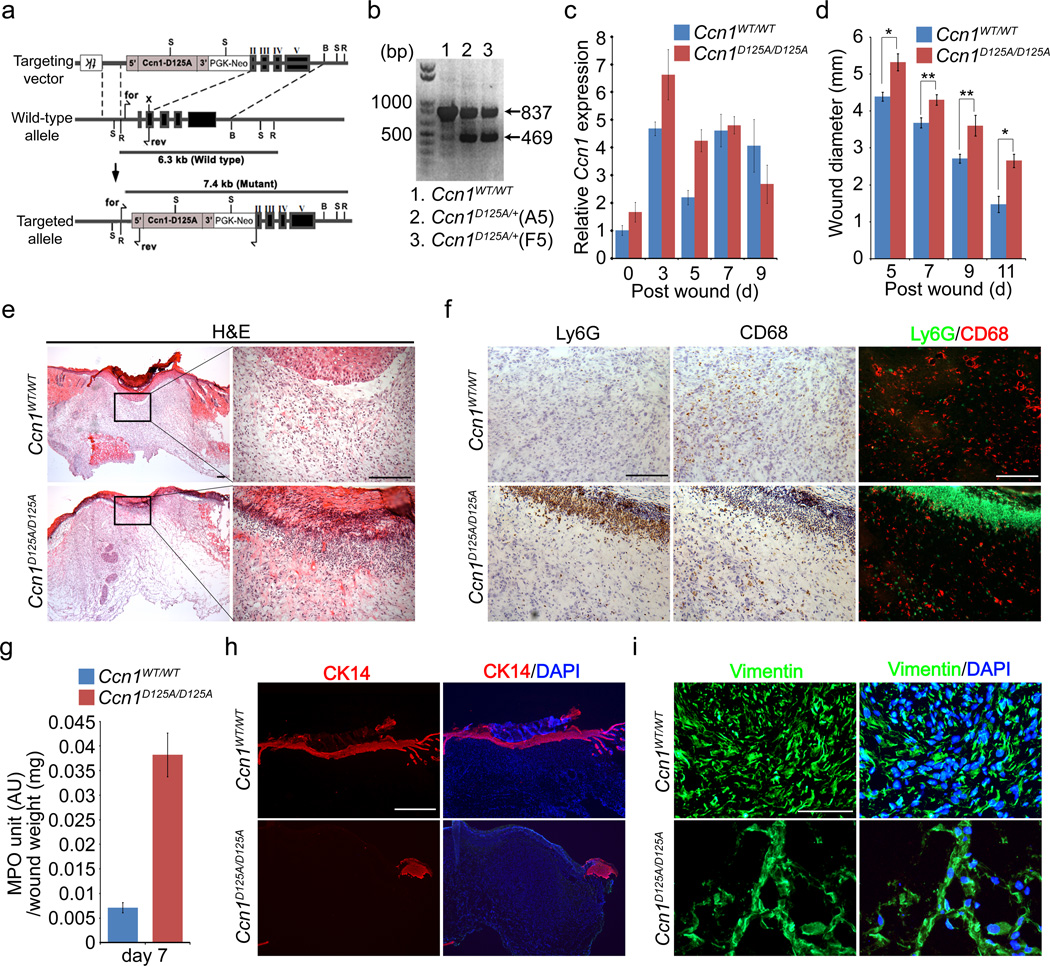
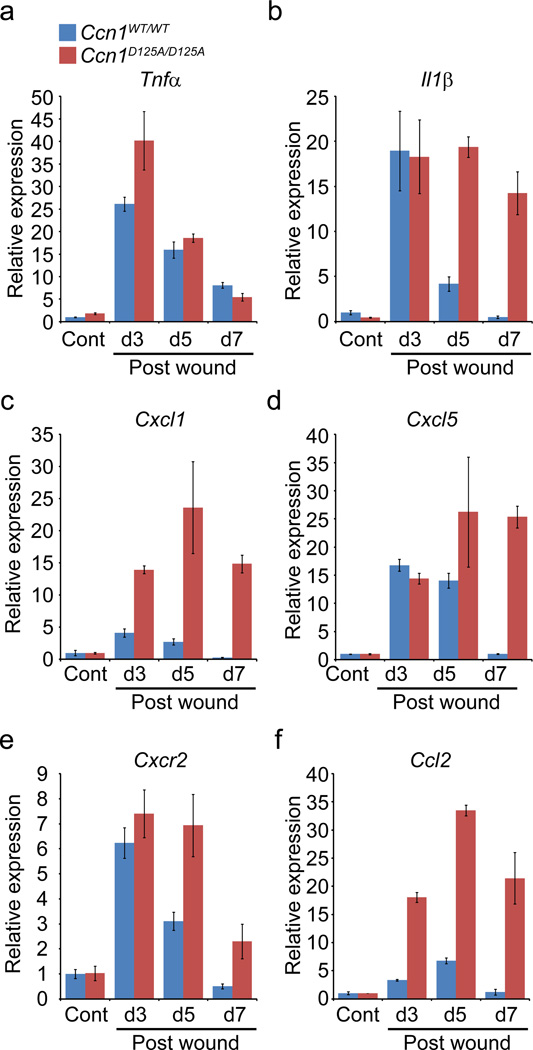
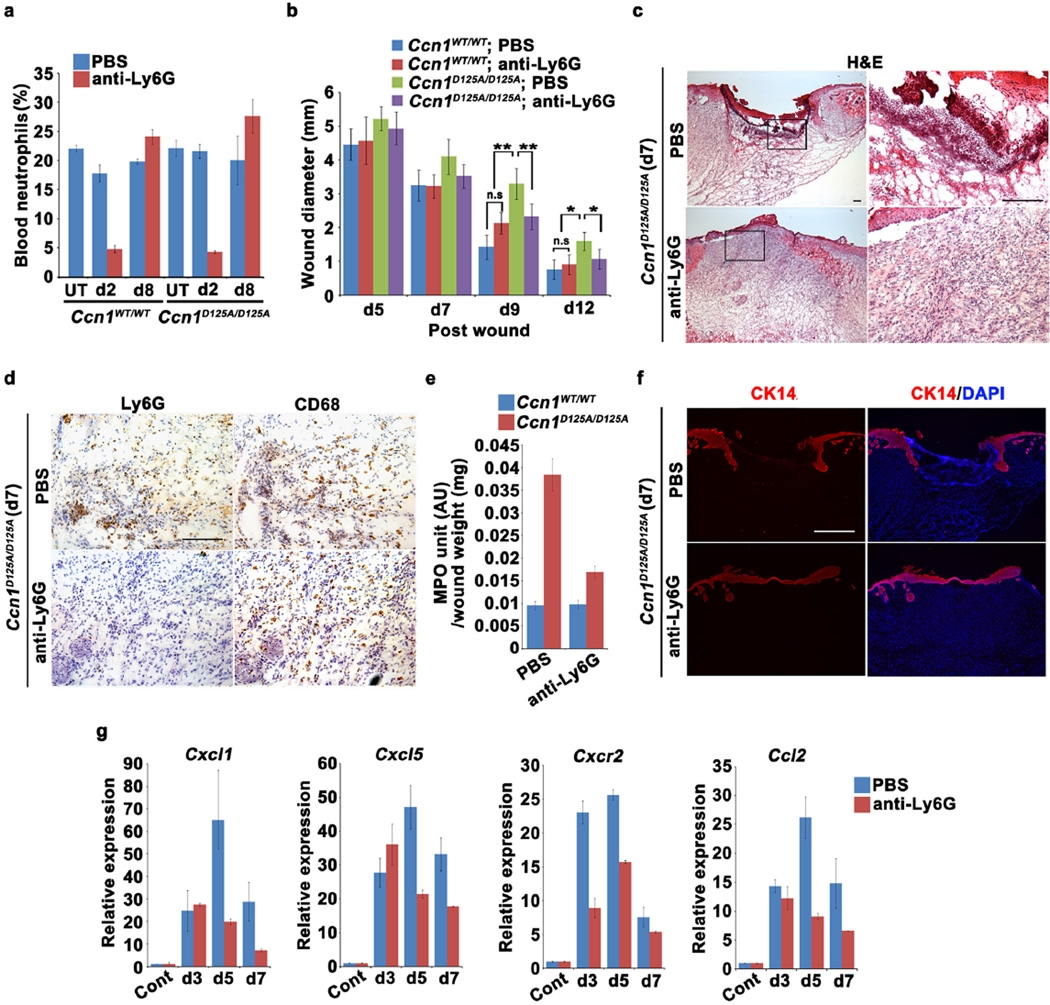
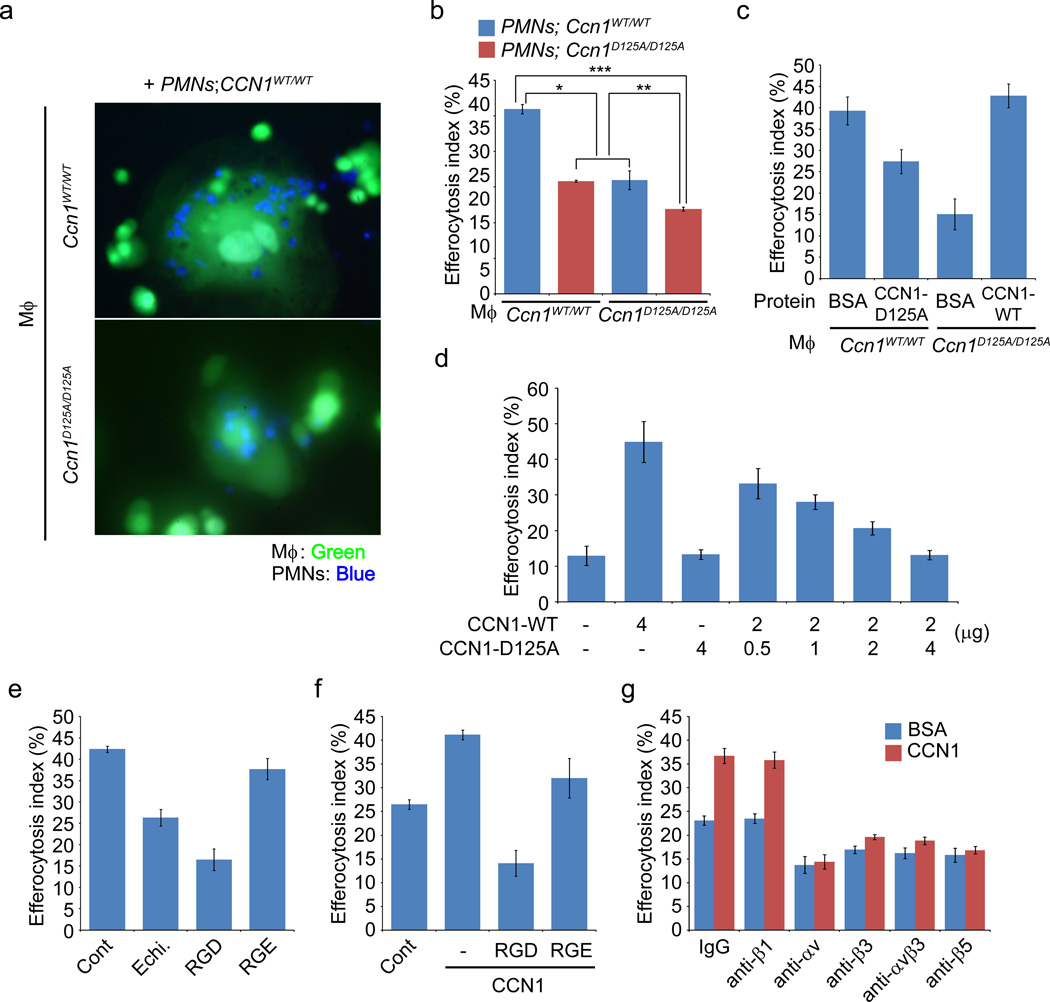
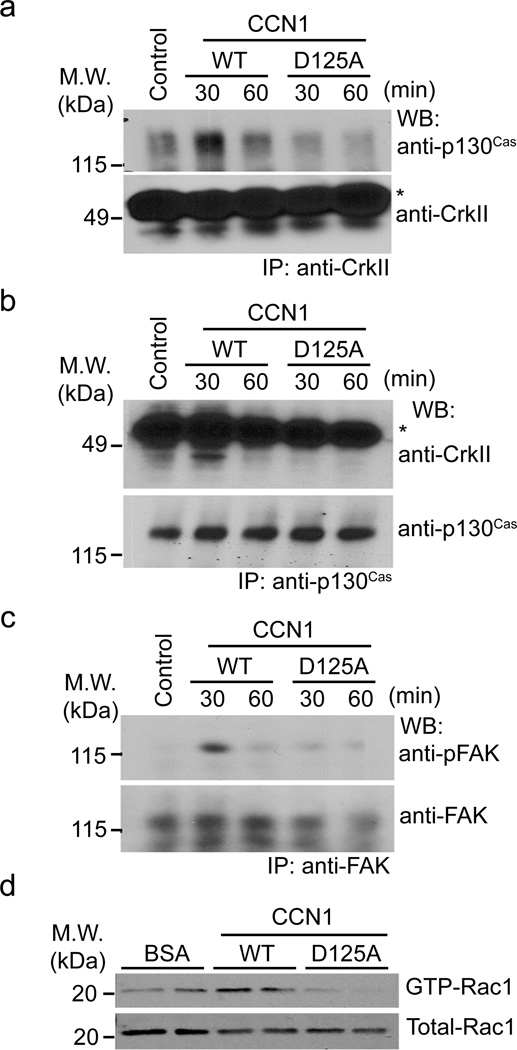
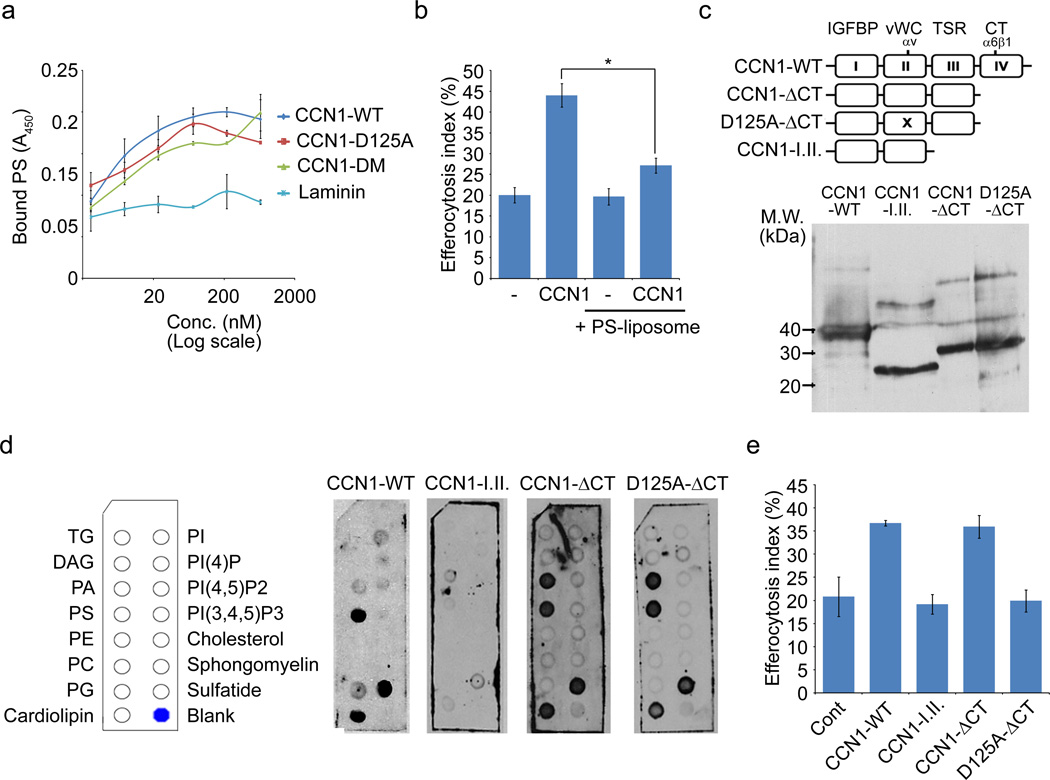
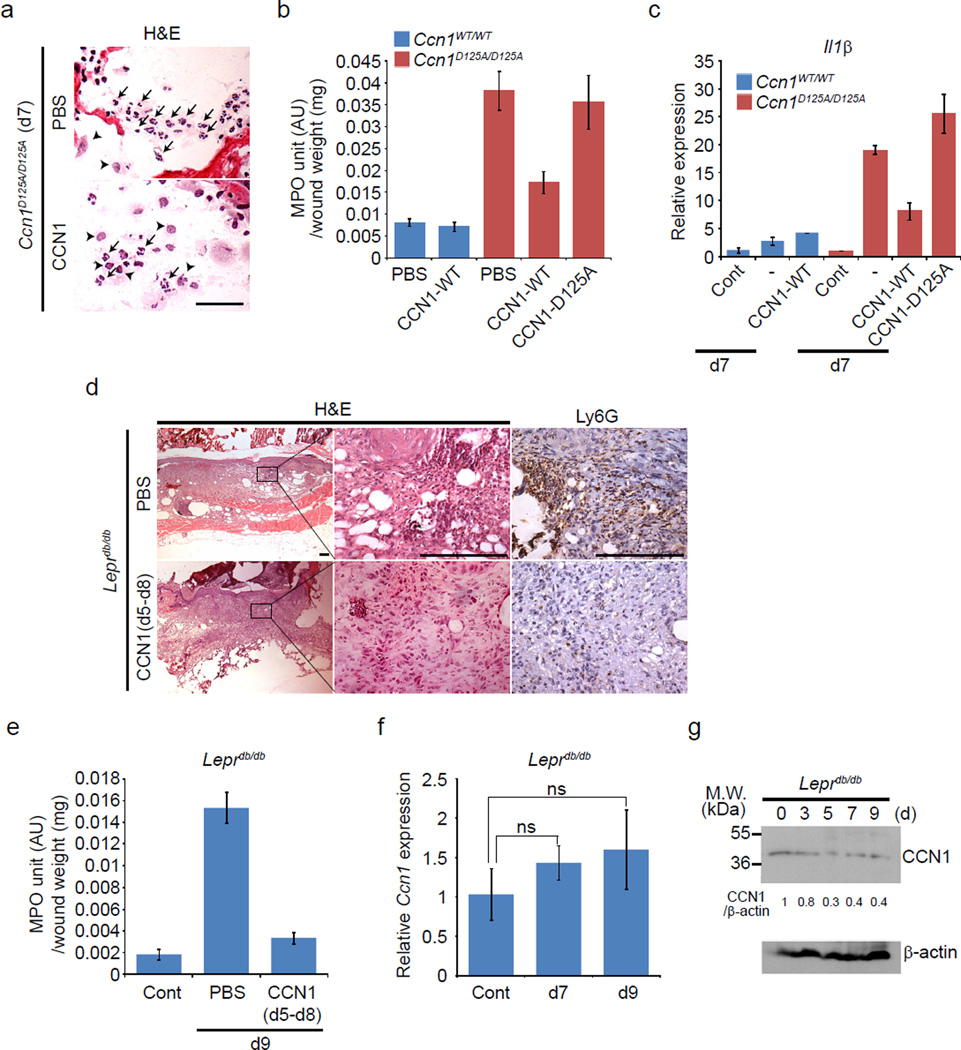
Neutrophil infiltration constitutes the first step in wound healing, although their timely clearance by macrophage engulfment, or efferocytosis, is critical for efficient tissue repair. However, the specific mechanism for neutrophil clearance in wound healing remains undefined. Here we uncover a key role for CCN1 in neutrophil efferocytosis by acting as a bridging molecule that binds phosphatidylserine, the 'eat-me' signal on apoptotic cells and integrins αvβ3/αvβ5 in macrophages to trigger efferocytosis. Both knockin mice expressing a mutant CCN1 that is unable to bind αvβ3/αvβ5 and mice with Ccn1 knockdown are defective in neutrophil efferocytosis, resulting in exuberant neutrophil accumulation and delayed healing. Treatment of wounds with CCN1 accelerates neutrophil clearance in both Ccn1 knockin mice and diabetic Lepr(db/db) mice, which suffer from neutrophil persistence and impaired healing. These findings establish CCN1 as a critical opsonin in skin injury and suggest a therapeutic potential for CCN1 in certain types of non-healing wounds.
中性粒细胞浸润是伤口愈合的第一步,尽管巨噬细胞吞噬或胞葬作用及时清除这些中性粒细胞对有效的组织修复至关重要。然而,伤口愈合过程中中性粒细胞清除的具体机制仍不清楚。在这里,我们发现CCN1在中性粒细胞胞葬作用中起关键作用,它作为一种桥接分子,结合磷脂酰丝氨酸(凋亡细胞上的“吃我”信号)和巨噬细胞中的整合素αvβ3/αvβ5,以触发胞葬作用。表达无法结合αvβ3/αvβ5的突变型CCN1的敲入小鼠和敲低Ccn1的小鼠在中性粒细胞胞葬作用方面均存在缺陷,导致中性粒细胞过度积累和愈合延迟。用CCN1处理伤口可加速Ccn1敲入小鼠和患有中性粒细胞持续存在和愈合受损的糖尿病Lepr(db/db)小鼠的中性粒细胞清除。这些发现确立了CCN1作为皮肤损伤中关键调理素的地位,并提示CCN1在某些类型的难愈合伤口中具有治疗潜力。