Lean Qi Ying, Eri Rajaraman D, Fitton J Helen, Patel Rahul P, Gueven Nuri
Pharmacy, School of Medicine, University of Tasmania, Hobart, Tasmania, Australia; University of Technology MARA, Puncak Alam, Selangor, Malaysia.
School of Health Sciences, University of Tasmania, Launceston, Tasmania, Australia.
PLoS One. 2015 Jun 17;10(6):e0128453. doi: 10.1371/journal.pone.0128453. eCollection 2015.
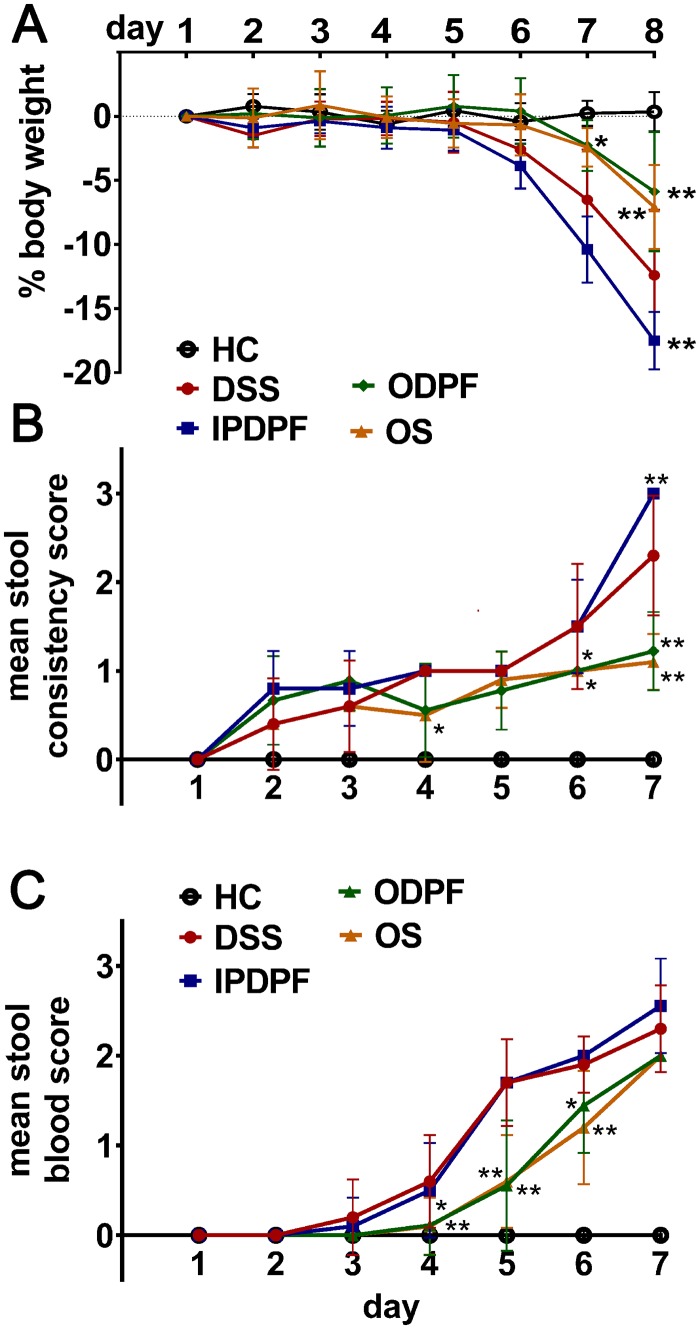
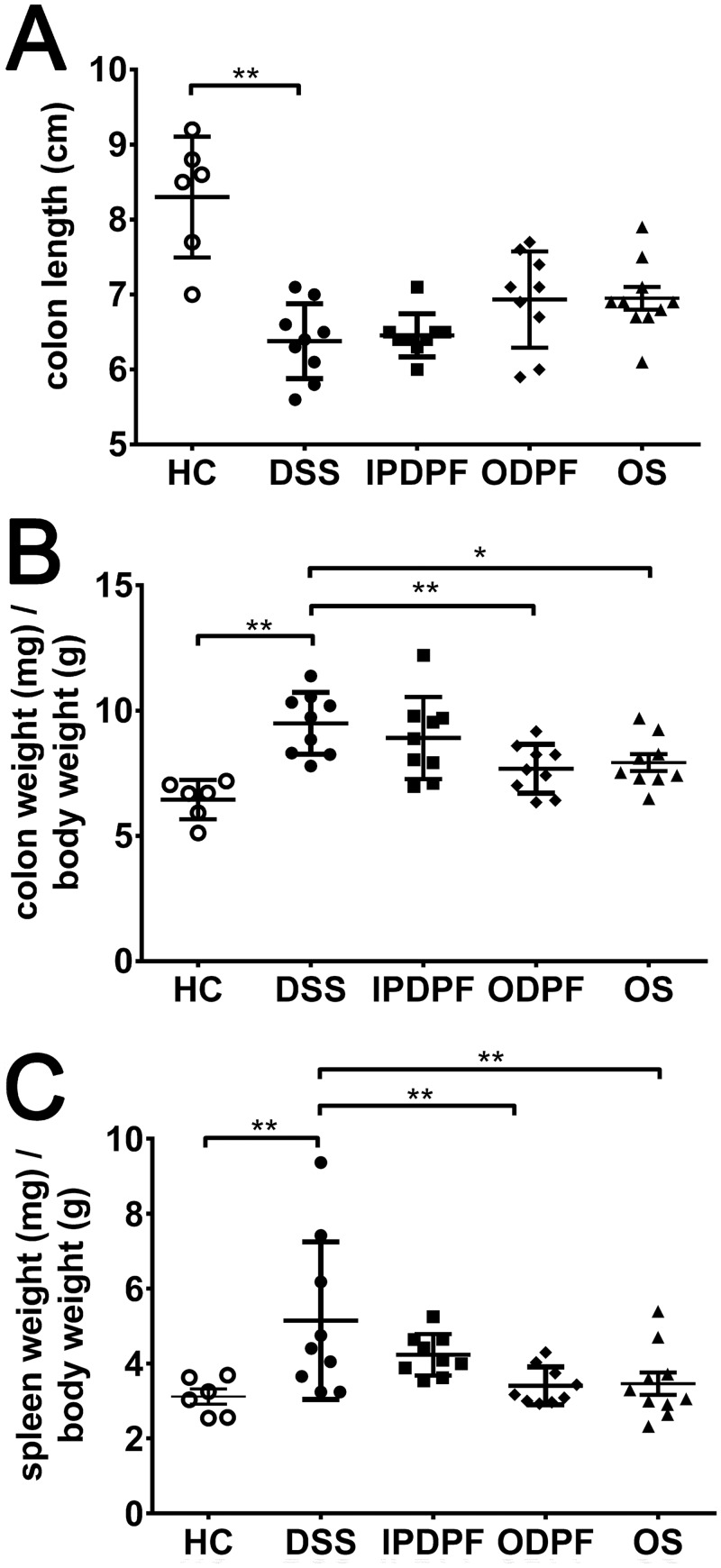
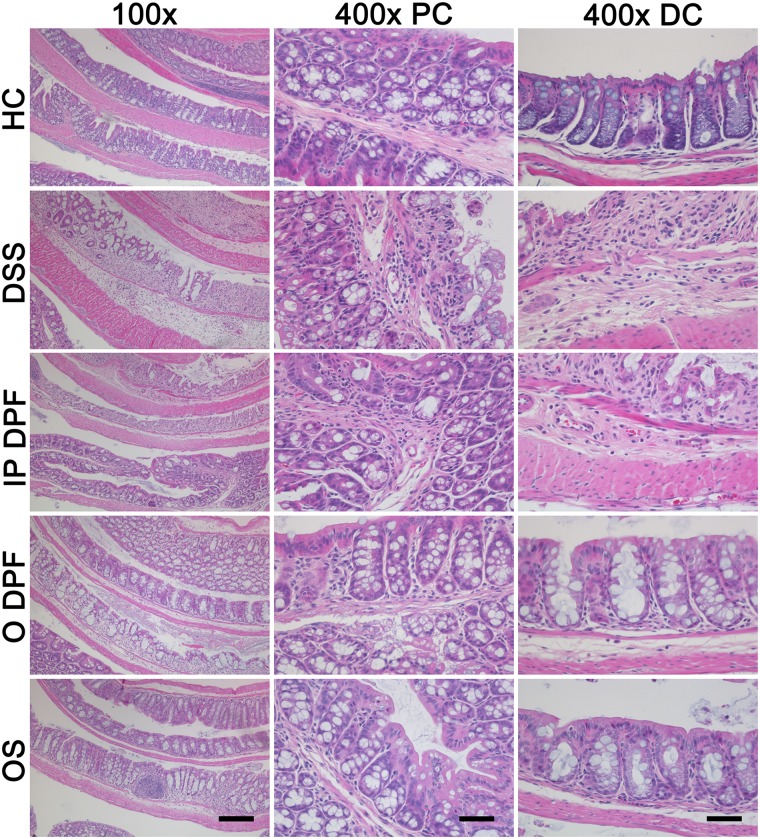
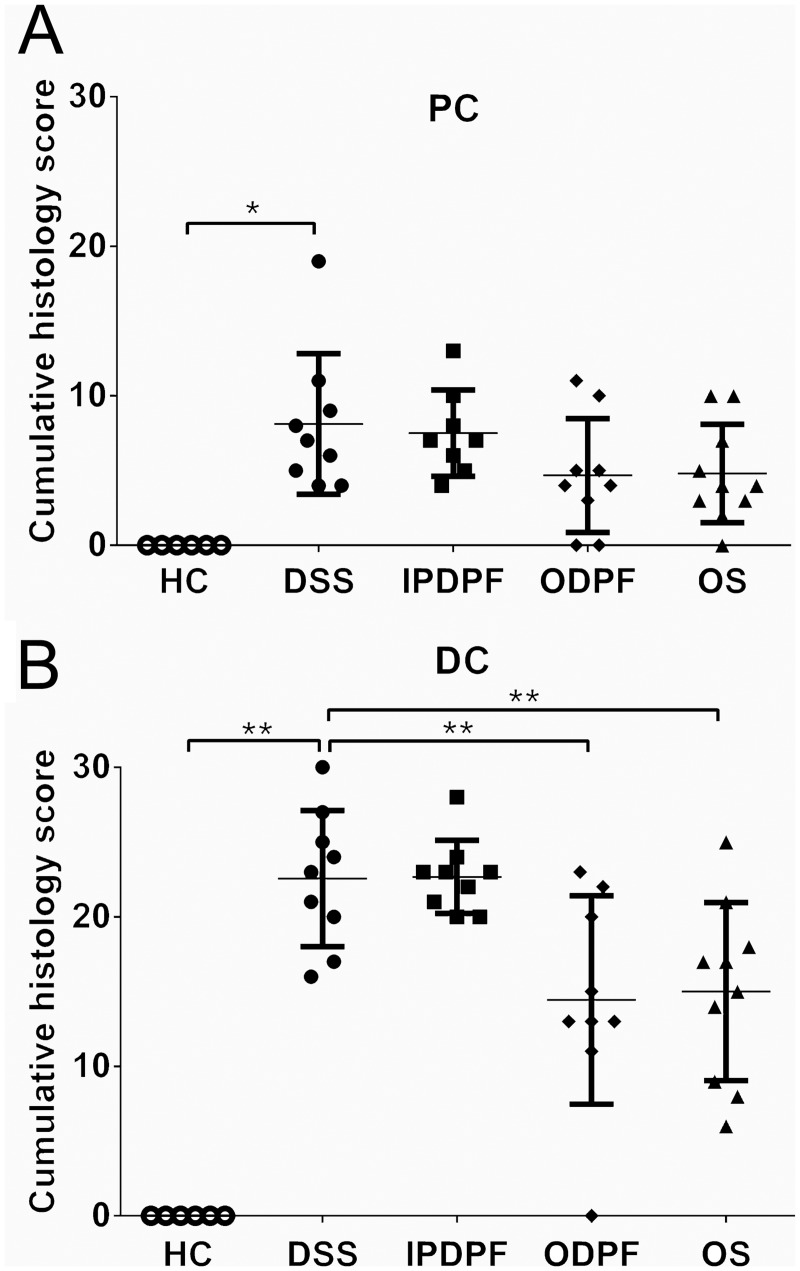
Inflammatory bowel diseases (IBD), such as ulcerative colitis and Crohn's disease, are an important cause of morbidity and impact significantly on quality of life. Overall, current treatments do not sustain a long-term clinical remission and are associated with adverse effects, which highlight the need for new treatment options. Fucoidans are complex sulphated, fucose-rich polysaccharides, found in edible brown algae and are described as having multiple bioactivities including potent anti-inflammatory effects. Therefore, the therapeutic potential of two different fucoidan preparations, fucoidan-polyphenol complex (Maritech Synergy) and depyrogenated fucoidan (DPF) was evaluated in the dextran sulphate sodium (DSS) mouse model of acute colitis. Mice were treated once daily over 7 days with fucoidans via oral (Synergy or DPF) or intraperitoneal administration (DPF). Signs and severity of colitis were monitored daily before colons and spleens were collected for macroscopic evaluation, cytokine measurements and histology. Orally administered Synergy and DPF, but not intraperitoneal DPF treatment, significantly ameliorated symptoms of colitis based on retention of body weight, as well as reduced diarrhoea and faecal blood loss, compared to the untreated colitis group. Colon and spleen weight in mice treated with oral fucoidan was also significantly lower, indicating reduced inflammation and oedema. Histological examination of untreated colitis mice confirmed a massive loss of crypt architecture and goblet cells, infiltration of immune cells and oedema, while all aspects of this pathology were alleviated by oral fucoidan. Importantly, in this model, the macroscopic changes induced by oral fucoidan correlated significantly with substantially decreased production of at least 15 pro-inflammatory cytokines by the colon tissue. Overall, oral fucoidan preparations significantly reduce the inflammatory pathology associated with DSS-induced colitis and could therefore represent a novel nutraceutical option for the management of IBD.
炎症性肠病(IBD),如溃疡性结肠炎和克罗恩病,是发病的重要原因,对生活质量有重大影响。总体而言,目前的治疗方法无法维持长期临床缓解,且伴有不良反应,这凸显了对新治疗方案的需求。岩藻依聚糖是一种复杂的硫酸化、富含岩藻糖的多糖,存在于可食用褐藻中,具有多种生物活性,包括强大的抗炎作用。因此,在葡聚糖硫酸钠(DSS)诱导的急性结肠炎小鼠模型中评估了两种不同岩藻依聚糖制剂——岩藻依聚糖-多酚复合物(Maritech Synergy)和去热原岩藻依聚糖(DPF)的治疗潜力。通过口服(Synergy或DPF)或腹腔注射(DPF),小鼠连续7天每天接受一次岩藻依聚糖治疗。在收集结肠和脾脏进行宏观评估、细胞因子测量和组织学检查之前,每天监测结肠炎的体征和严重程度。与未治疗的结肠炎组相比,口服Synergy和DPF,但腹腔注射DPF治疗无效,基于体重维持情况、腹泻减少和粪便失血减少,显著改善了结肠炎症状。口服岩藻依聚糖治疗的小鼠的结肠和脾脏重量也显著降低,表明炎症和水肿减轻。未治疗的结肠炎小鼠的组织学检查证实隐窝结构和杯状细胞大量丧失、免疫细胞浸润和水肿,而口服岩藻依聚糖缓解了该病理学的所有方面。重要的是,在该模型中,口服岩藻依聚糖引起的宏观变化与结肠组织中至少15种促炎细胞因子的产生显著减少密切相关。总体而言,口服岩藻依聚糖制剂显著减轻了与DSS诱导的结肠炎相关的炎症病理学,因此可能代表一种用于管理IBD的新型营养保健品选择。