Imtiaz Mohammad S, Wahid Khan A
Department of Electrical and Computer Engineering, University of Saskatchewan, Saskatoon, SK, Canada S7N 5A9.
Comput Math Methods Med. 2015;2015:607407. doi: 10.1155/2015/607407. Epub 2015 May 18.
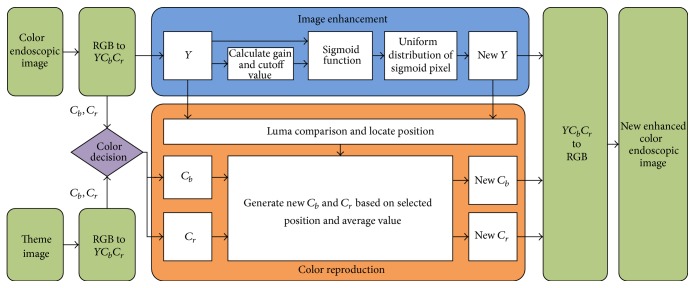
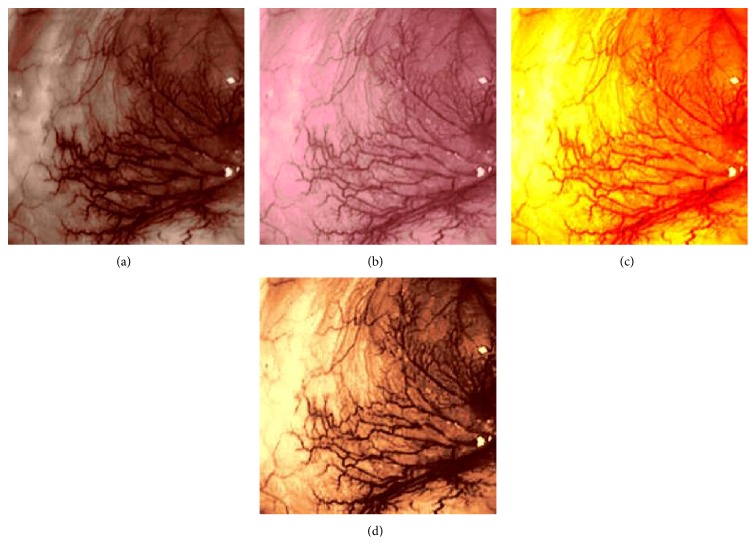
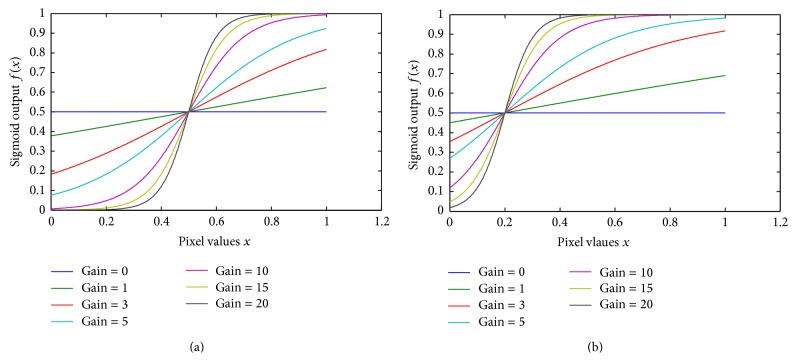
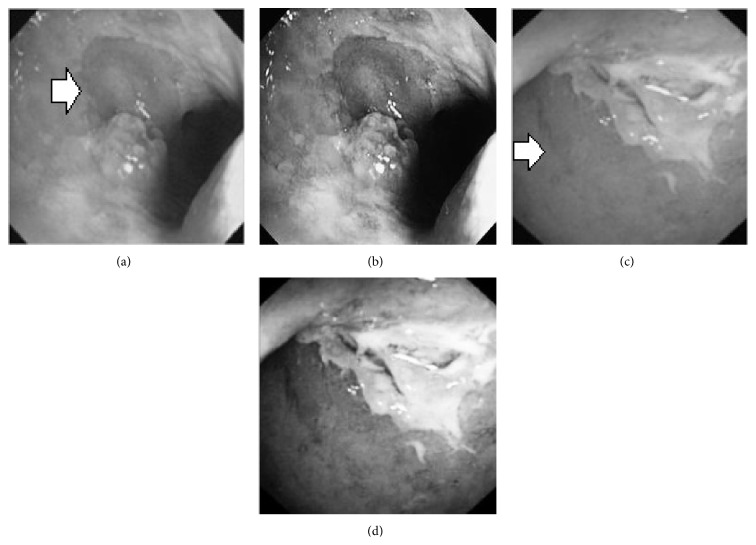
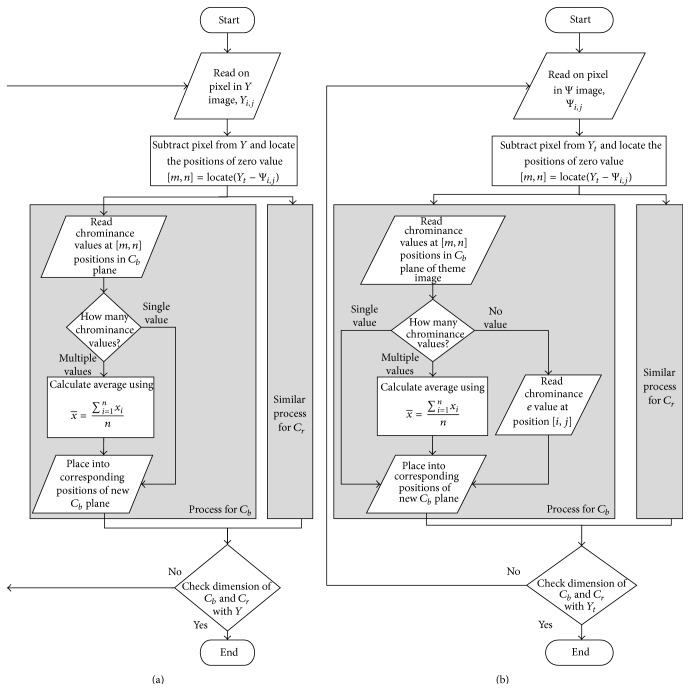
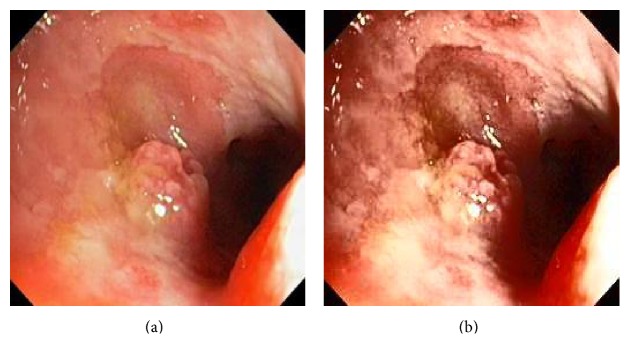
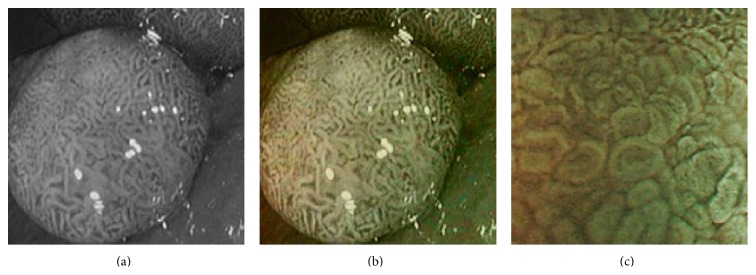
Modern endoscopes play an important role in diagnosing various gastrointestinal (GI) tract related diseases. The improved visual quality of endoscopic images can provide better diagnosis. This paper presents an efficient color image enhancement method for endoscopic images. It is achieved in two stages: image enhancement at gray level followed by space variant chrominance mapping color reproduction. Image enhancement is achieved by performing adaptive sigmoid function and uniform distribution of sigmoid pixels. Secondly, a space variant chrominance mapping color reproduction is used to generate new chrominance components. The proposed method is used on low contrast color white light images (WLI) to enhance and highlight the vascular and mucosa structures of the GI tract. The method is also used to colorize grayscale narrow band images (NBI) and video frames. The focus value and color enhancement factor show that the enhancement level in the processed image is greatly increased compared to the original endoscopic image. The overall contrast level of the processed image is higher than the original image. The color similarity test has proved that the proposed method does not add any additional color which is not present in the original image. The algorithm has low complexity with an execution speed faster than other related methods.
现代内窥镜在诊断各种胃肠道相关疾病中发挥着重要作用。内窥镜图像视觉质量的提高有助于更好地进行诊断。本文提出了一种针对内窥镜图像的高效彩色图像增强方法。该方法分两个阶段实现:灰度级图像增强,随后是空间可变色度映射颜色再现。图像增强通过执行自适应Sigmoid函数和Sigmoid像素的均匀分布来实现。其次,使用空间可变色度映射颜色再现来生成新的色度分量。所提出的方法用于低对比度彩色白光图像(WLI),以增强和突出胃肠道的血管和黏膜结构。该方法还用于对灰度窄带图像(NBI)和视频帧进行彩色化处理。聚焦值和颜色增强因子表明,与原始内窥镜图像相比,处理后的图像增强水平有了显著提高。处理后图像的整体对比度水平高于原始图像。颜色相似性测试证明,所提出的方法不会添加原始图像中不存在的任何额外颜色。该算法复杂度低,执行速度比其他相关方法更快。