Martinez Julien, Ok Suzan, Smith Sophie, Snoeck Kiana, Day Jon P, Jiggins Francis M
Department of Genetics, University of Cambridge, Cambridge, United Kingdom.
PLoS Pathog. 2015 Jul 1;11(7):e1005021. doi: 10.1371/journal.ppat.1005021. eCollection 2015 Jul.
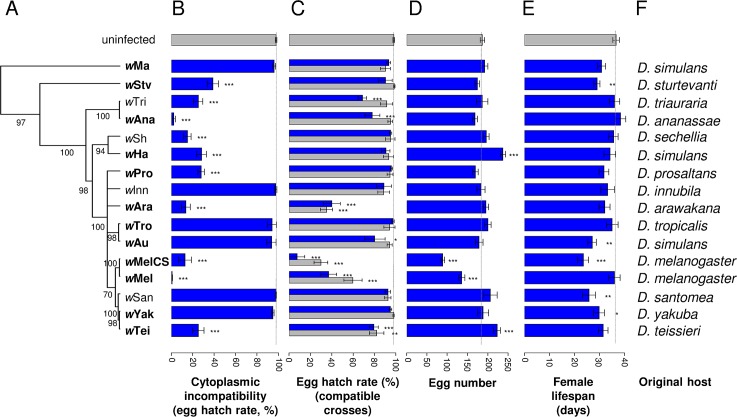
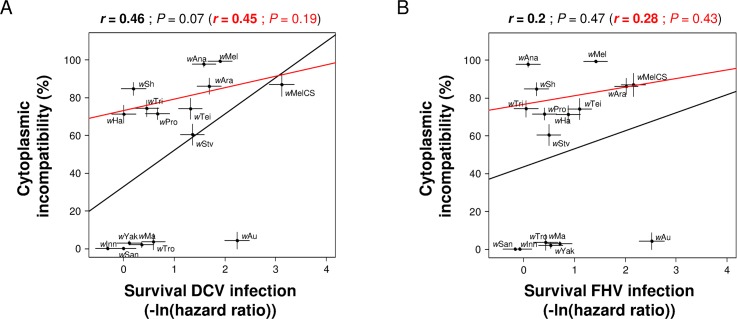
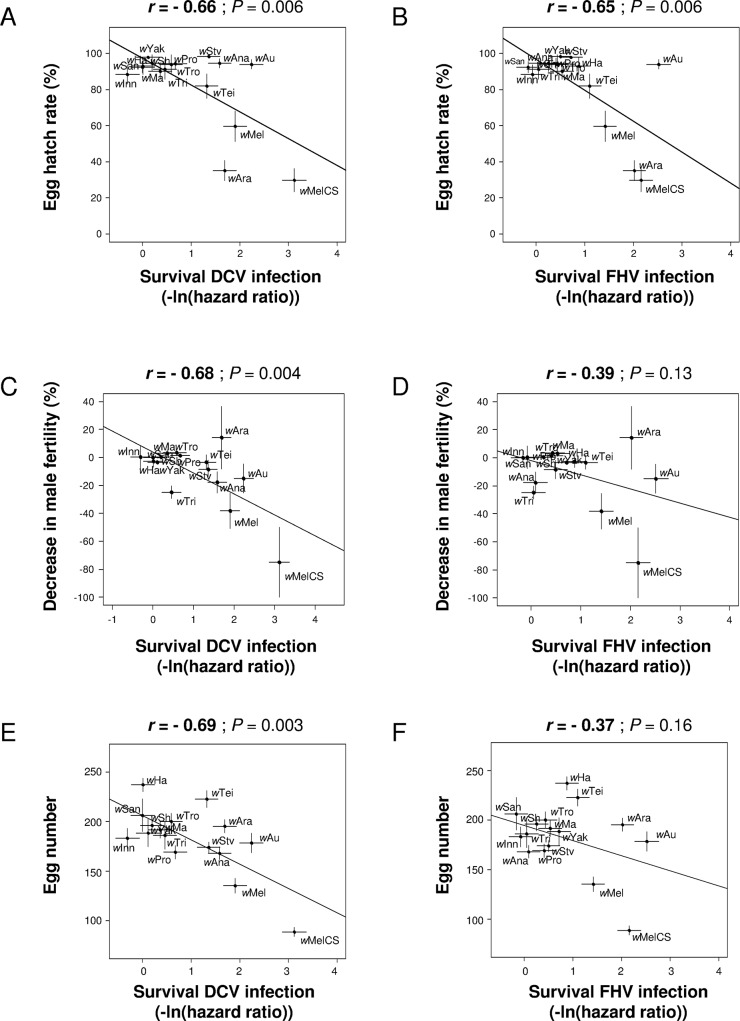
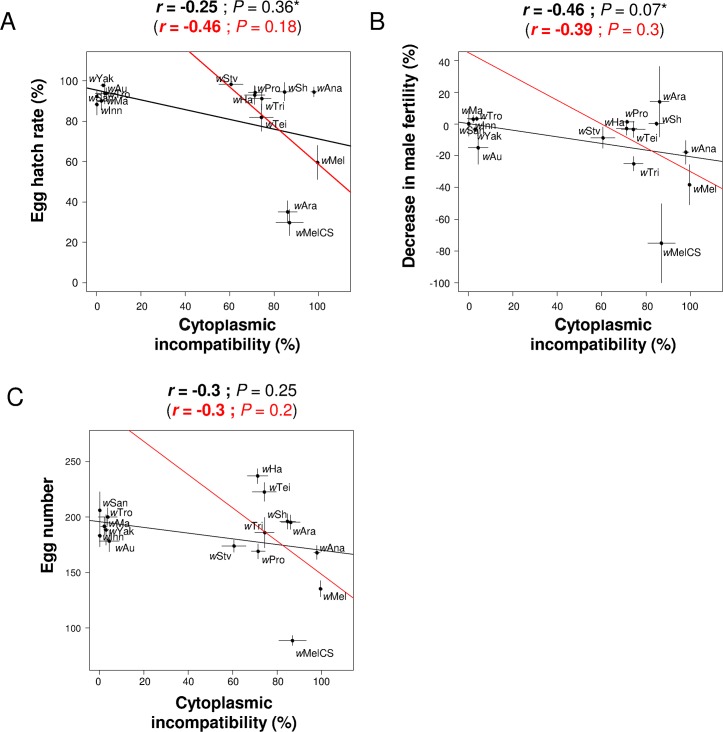
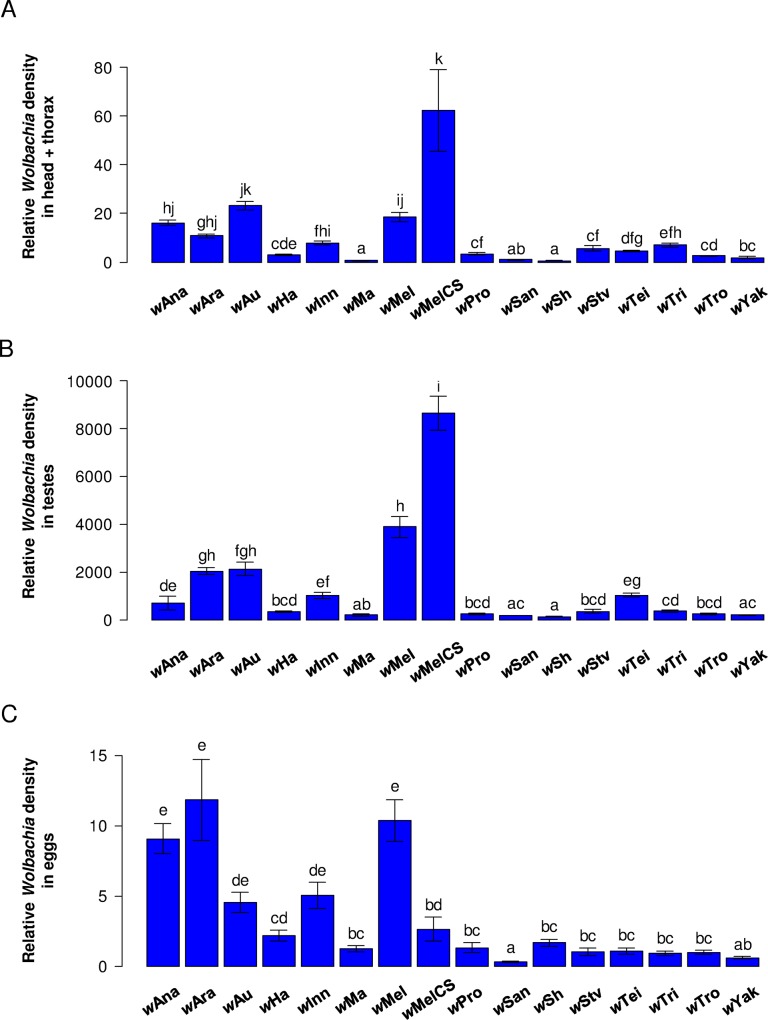
Symbionts can have mutualistic effects that increase their host's fitness and/or parasitic effects that reduce it. Which of these strategies evolves depends in part on the balance of their costs and benefits to the symbiont. We have examined these questions in Wolbachia, a vertically transmitted endosymbiont of insects that can provide protection against viral infection and/or parasitically manipulate its hosts' reproduction. Across multiple symbiont strains we find that the parasitic phenotype of cytoplasmic incompatibility and antiviral protection are uncorrelated. Strong antiviral protection is associated with substantial reductions in other fitness-related traits, whereas no such trade-off was detected for cytoplasmic incompatibility. The reason for this difference is likely that antiviral protection requires high symbiont densities but cytoplasmic incompatibility does not. These results are important for the use of Wolbachia to block dengue virus transmission by mosquitoes, as natural selection to reduce these costs may lead to reduced symbiont density and the loss of antiviral protection.
共生体可以产生增加宿主适应性的互利效应和/或降低宿主适应性的寄生效应。这些策略中哪种会进化,部分取决于它们对共生体的成本和收益的平衡。我们在沃尔巴克氏体中研究了这些问题,沃尔巴克氏体是一种昆虫体内垂直传播的内共生体,它可以提供抗病毒感染的保护和/或寄生性地操控宿主的繁殖。在多个共生体菌株中,我们发现细胞质不亲和的寄生表型与抗病毒保护不相关。强大的抗病毒保护与其他与适应性相关的性状大幅降低有关,而对于细胞质不亲和则未检测到这种权衡。这种差异的原因可能是抗病毒保护需要高共生体密度,而细胞质不亲和则不需要。这些结果对于利用沃尔巴克氏体来阻断蚊子传播登革热病毒很重要,因为降低这些成本的自然选择可能会导致共生体密度降低和抗病毒保护的丧失。