Snir Ainit, Nadel Dani, Groman-Yaroslavski Iris, Melamed Yoel, Sternberg Marcelo, Bar-Yosef Ofer, Weiss Ehud
The Martin (Szusz) Department of Land of Israel Studies and Archaeology, Institute of Archaeology, Bar Ilan University, Ramat-Gan, Israel.
The Zinman Institute of Archaeology, Haifa University, Haifa, Israel.
PLoS One. 2015 Jul 22;10(7):e0131422. doi: 10.1371/journal.pone.0131422. eCollection 2015.
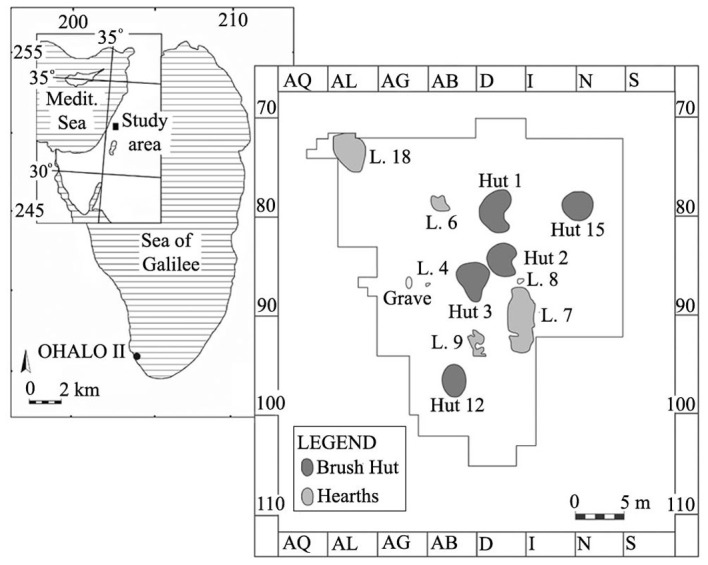
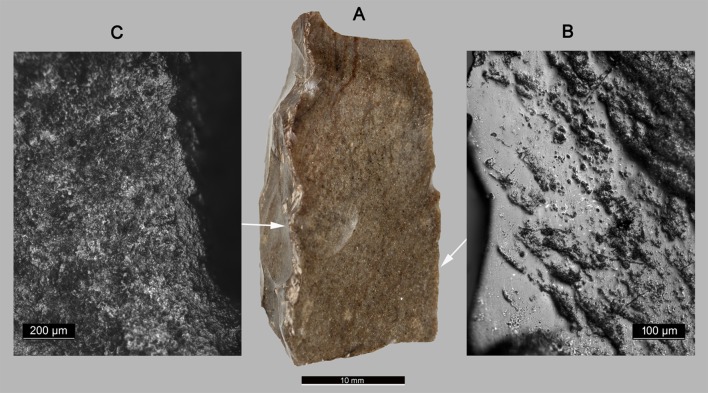
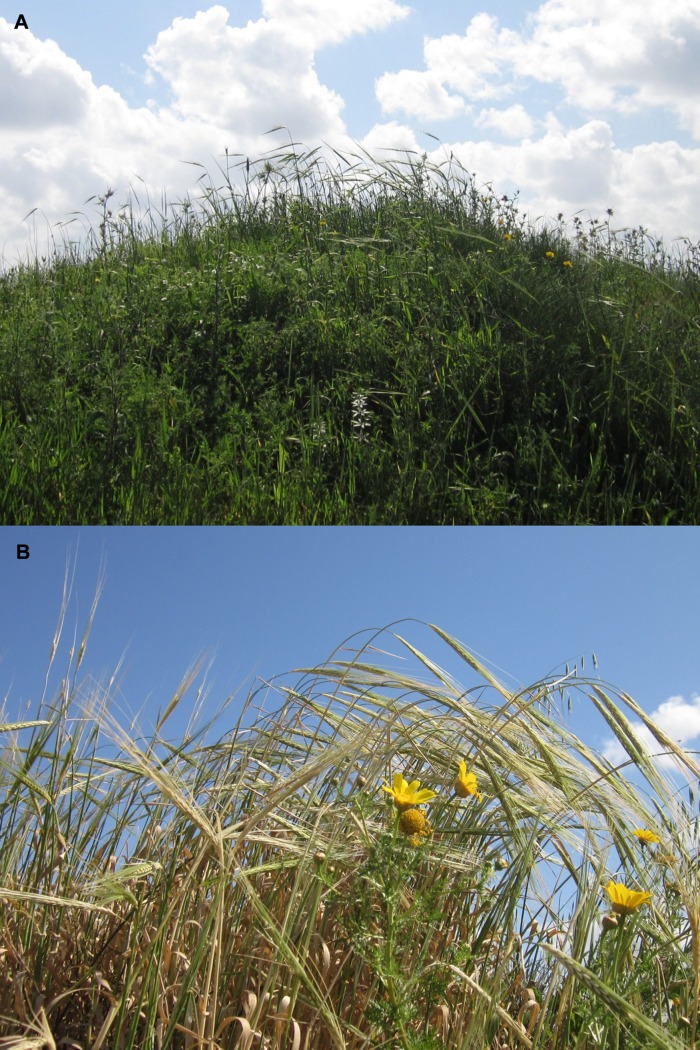
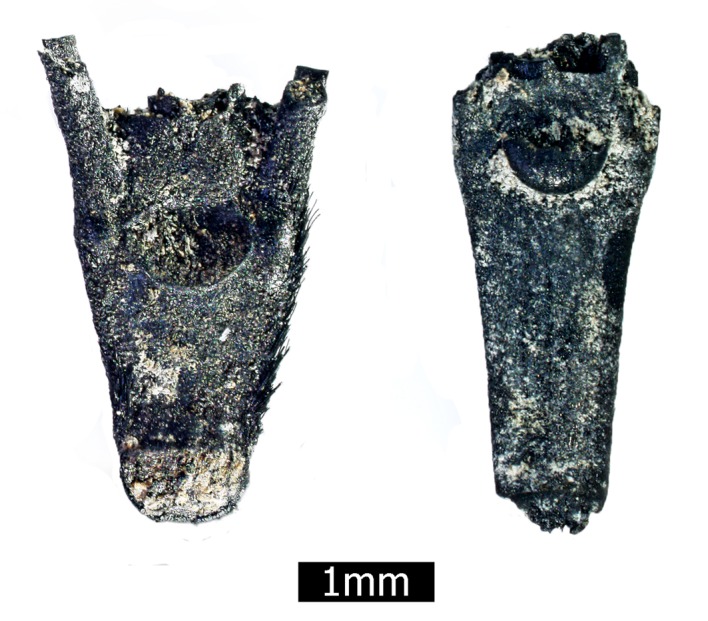
Weeds are currently present in a wide range of ecosystems worldwide. Although the beginning of their evolution is largely unknown, researchers assumed that they developed in tandem with cultivation since the appearance of agricultural habitats some 12,000 years ago. These rapidly-evolving plants invaded the human disturbed areas and thrived in the new habitat. Here we present unprecedented new findings of the presence of "proto-weeds" and small-scale trial cultivation in Ohalo II, a 23,000-year-old hunter-gatherers' sedentary camp on the shore of the Sea of Galilee, Israel. We examined the plant remains retrieved from the site (ca. 150,000 specimens), placing particular emphasis on the search for evidence of plant cultivation by Ohalo II people and the presence of weed species. The archaeobotanically-rich plant assemblage demonstrates extensive human gathering of over 140 plant species and food preparation by grinding wild wheat and barley. Among these, we identified 13 well-known current weeds mixed with numerous seeds of wild emmer, barley, and oat. This collection provides the earliest evidence of a human-disturbed environment-at least 11 millennia before the onset of agriculture-that provided the conditions for the development of "proto-weeds", a prerequisite for weed evolution. Finally, we suggest that their presence indicates the earliest, small-scale attempt to cultivate wild cereals seen in the archaeological record.
杂草目前广泛存在于全球各种生态系统中。尽管它们进化的起源很大程度上未知,但研究人员推测,自约12000年前农业栖息地出现以来,它们是与耕种同步发展的。这些快速进化的植物侵入了人类干扰的区域,并在新栖息地茁壮成长。在此,我们展示了关于“原始杂草”存在以及在以色列加利利海沿岸一个有23000年历史的狩猎采集者定居营地奥哈洛二世进行小规模试验种植的前所未有的新发现。我们检查了从该遗址获取的植物遗骸(约15万个标本),特别着重寻找奥哈洛二世人进行植物种植的证据以及杂草物种的存在情况。这个富含考古植物学信息的植物组合表明,当时人类广泛采集了140多种植物,并通过研磨野生小麦和大麦进行食物制备。在这些植物中,我们识别出13种目前已知的杂草,它们与大量野生二粒小麦、大麦和燕麦的种子混在一起。这一发现提供了人类干扰环境的最早证据——至少比农业出现早1.1万年——这种环境为“原始杂草”的发展提供了条件,而“原始杂草”是杂草进化的一个先决条件。最后,我们认为它们的存在表明了在考古记录中所见到的最早的、小规模种植野生谷物的尝试。