Deng Zhenhua, Qin Ling, Gao Yu, Weisskopf Alison Ruth, Zhang Chi, Fuller Dorian Q
School of Archaeology and Museology, Peking University, Beijing, China.
Institute of Archaeology, University College London, London, United Kingdom.
PLoS One. 2015 Oct 13;10(10):e0139885. doi: 10.1371/journal.pone.0139885. eCollection 2015.
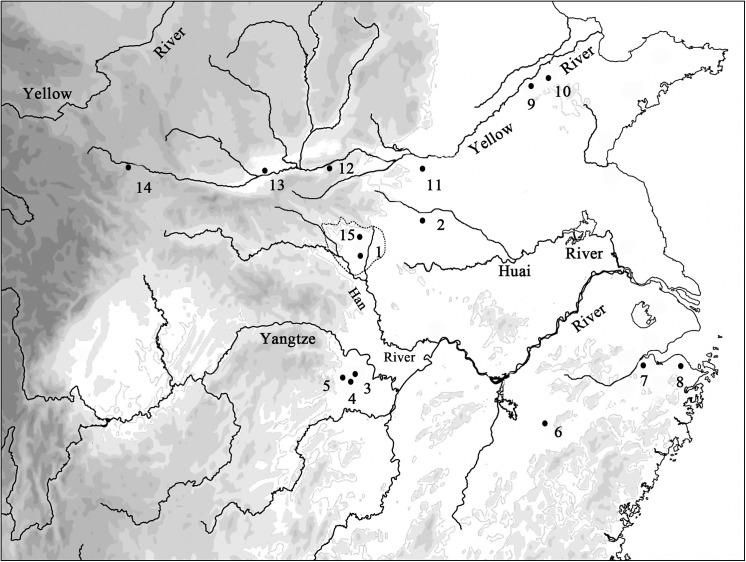
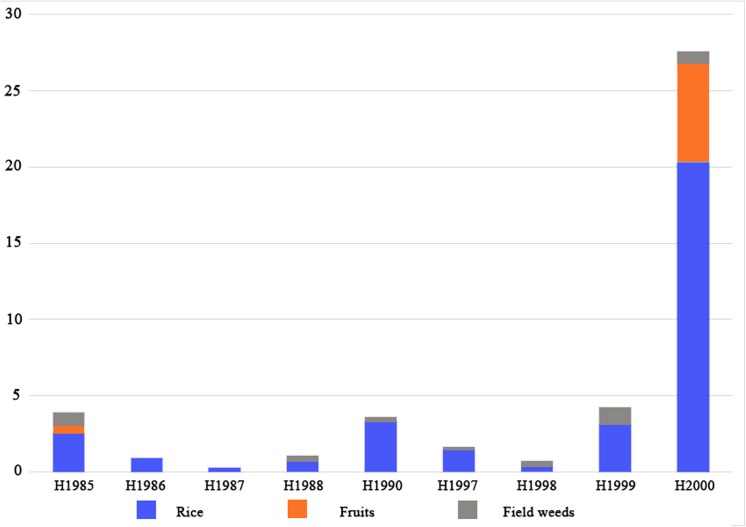
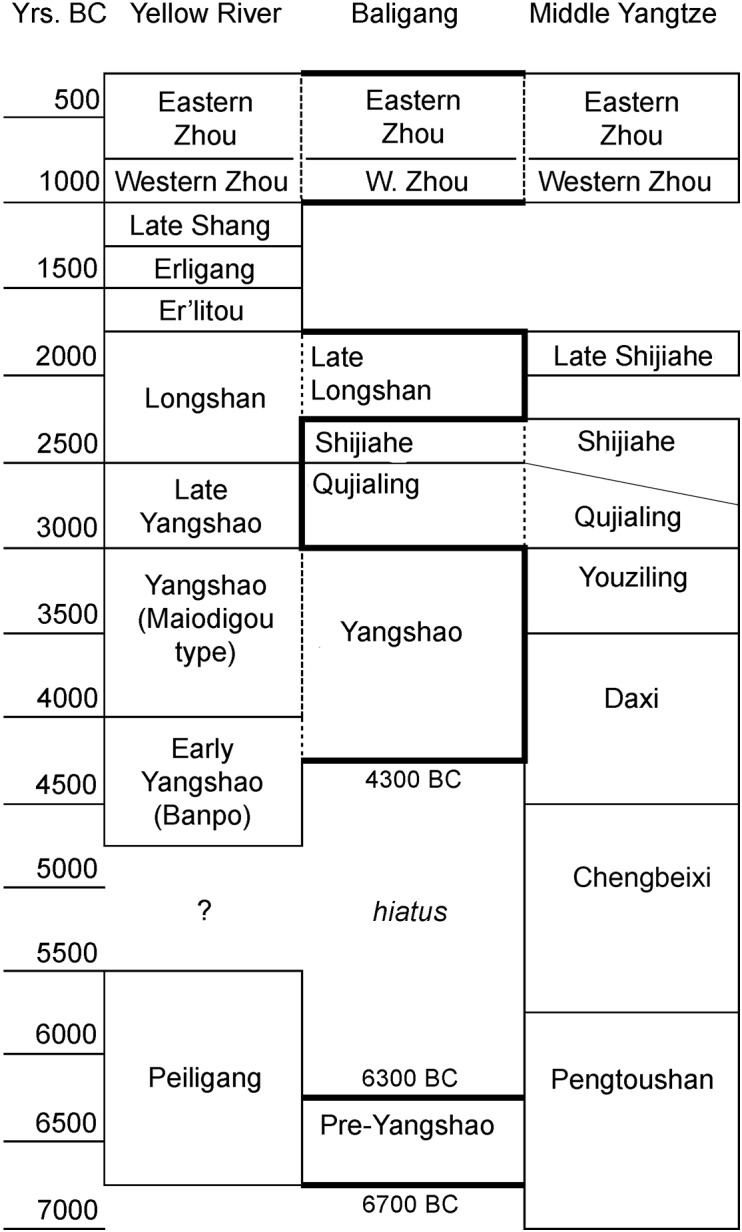
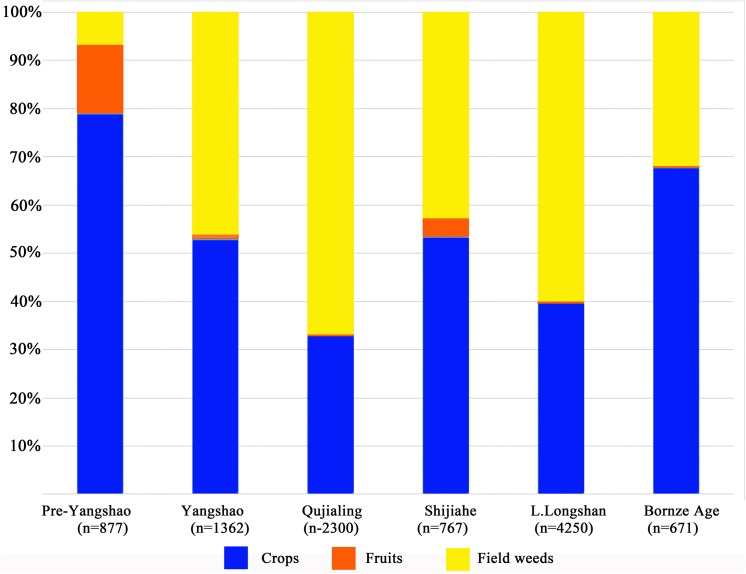
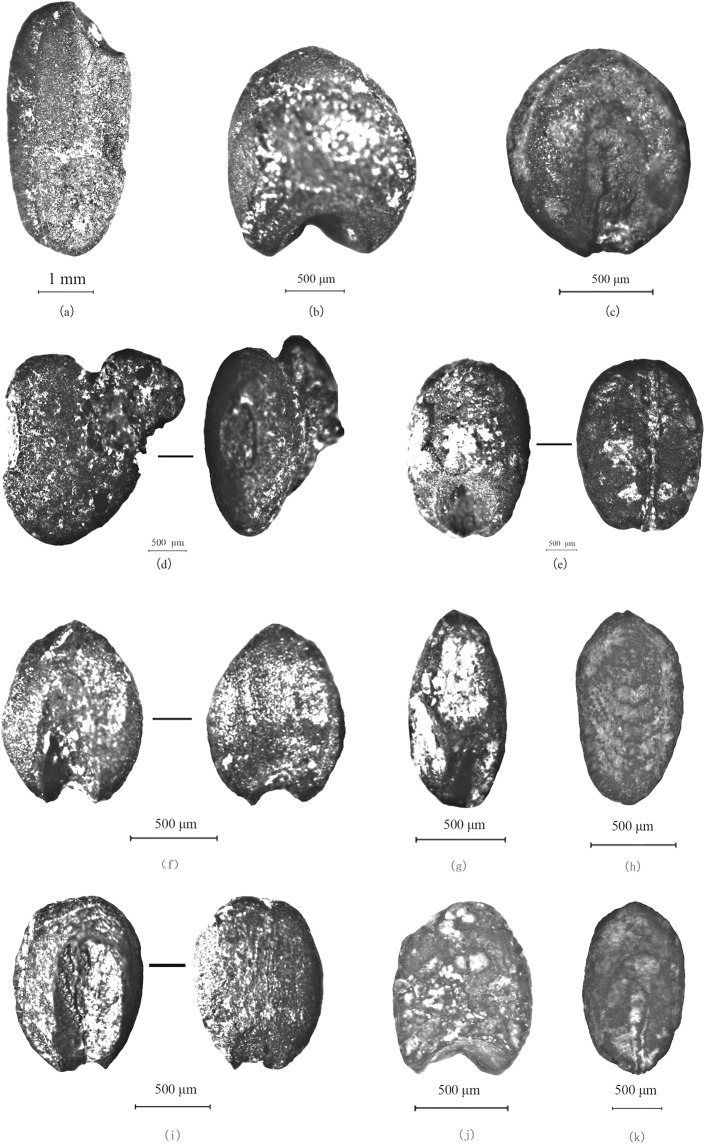
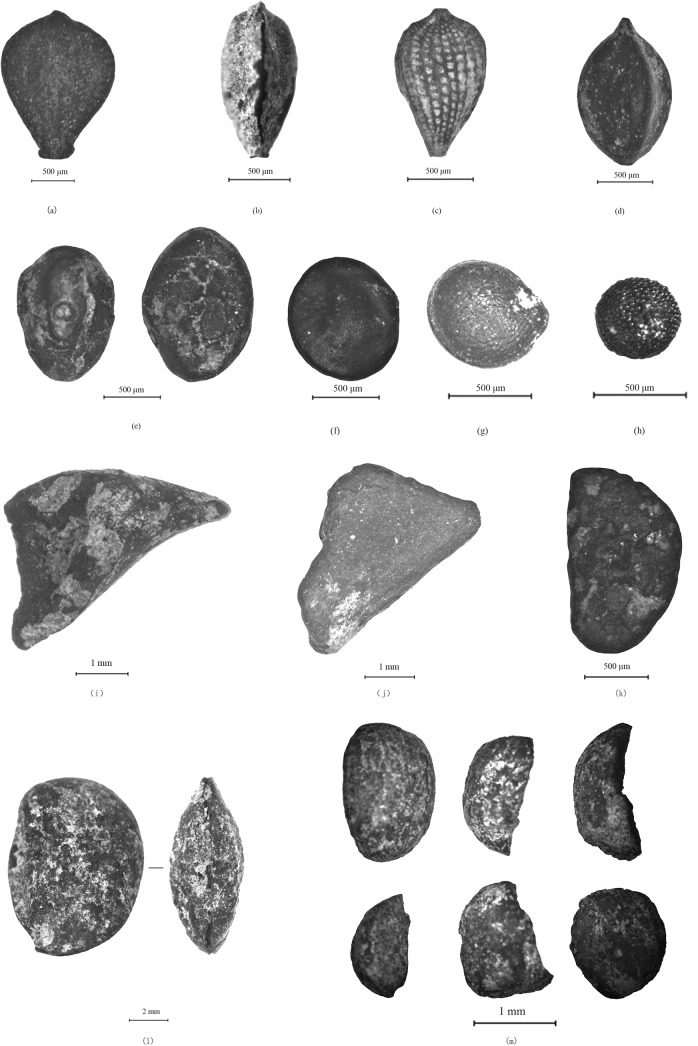
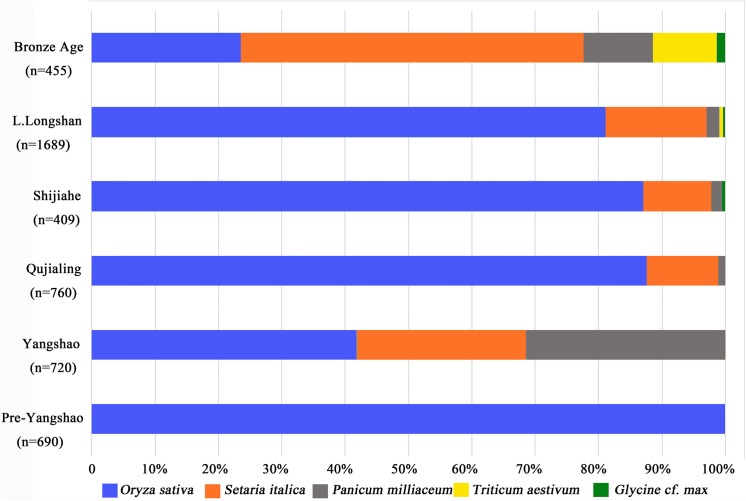
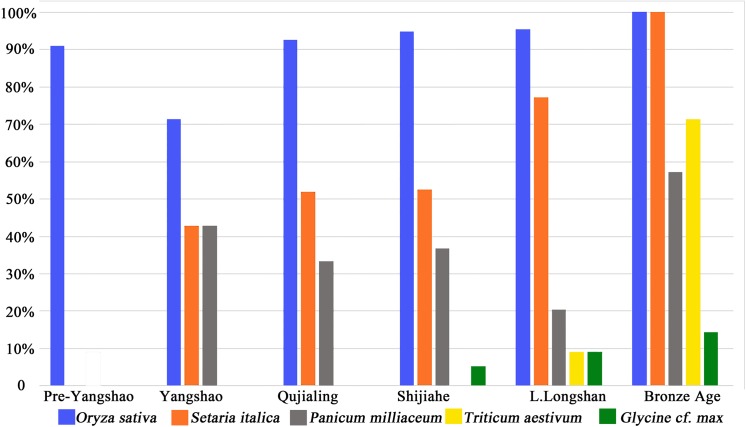
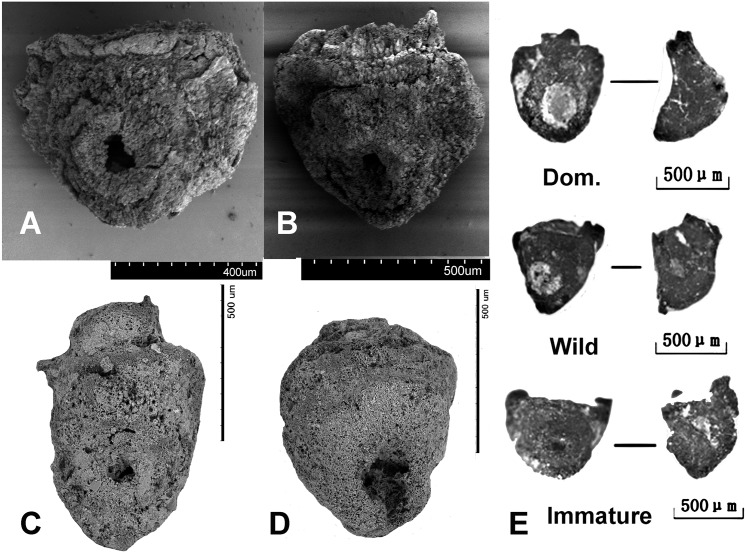
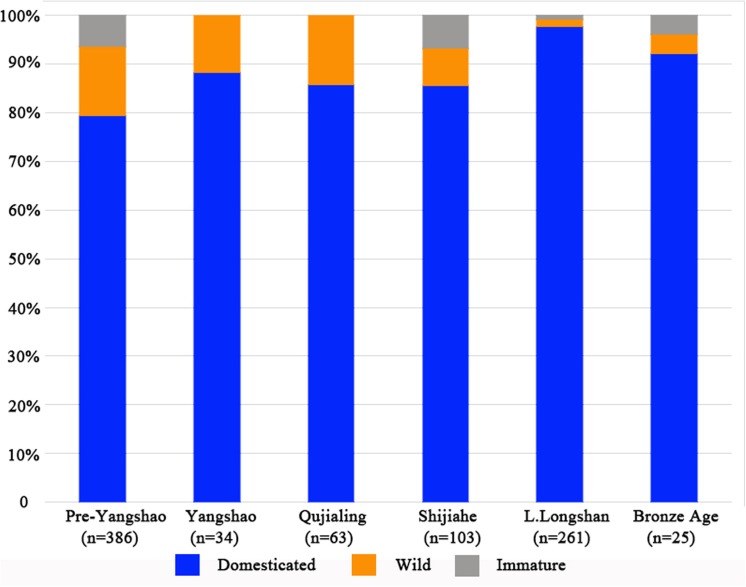
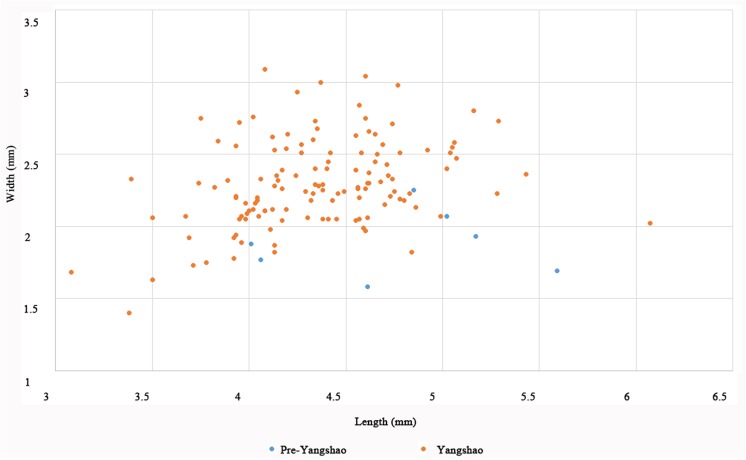
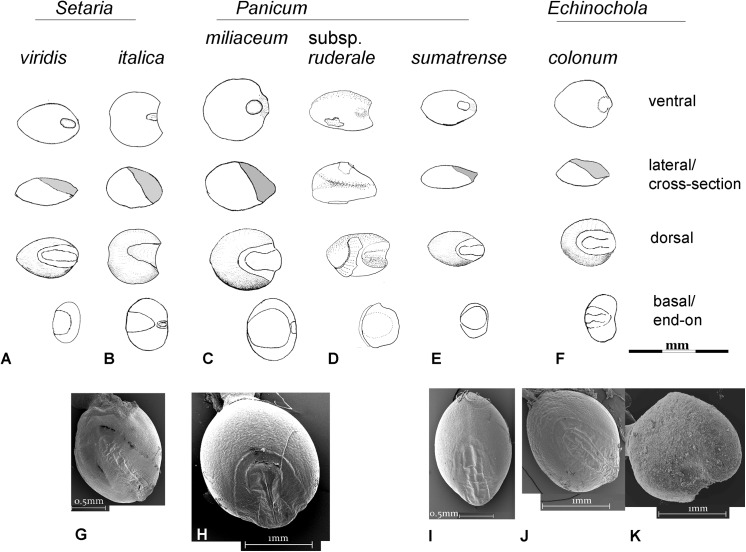
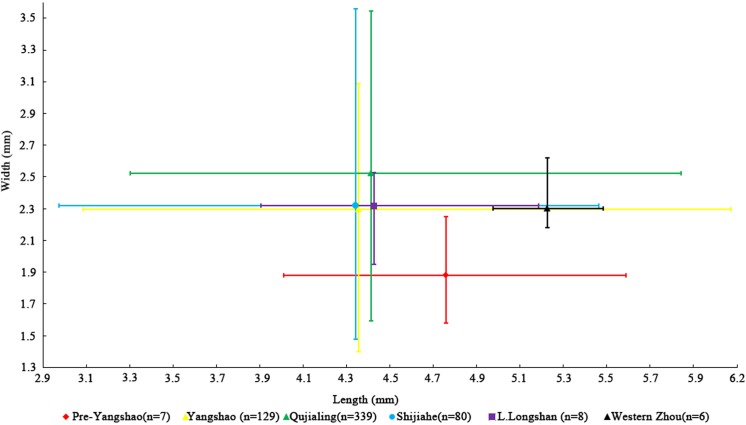
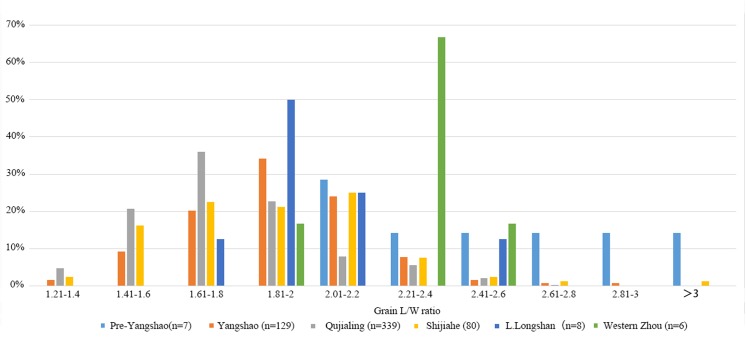
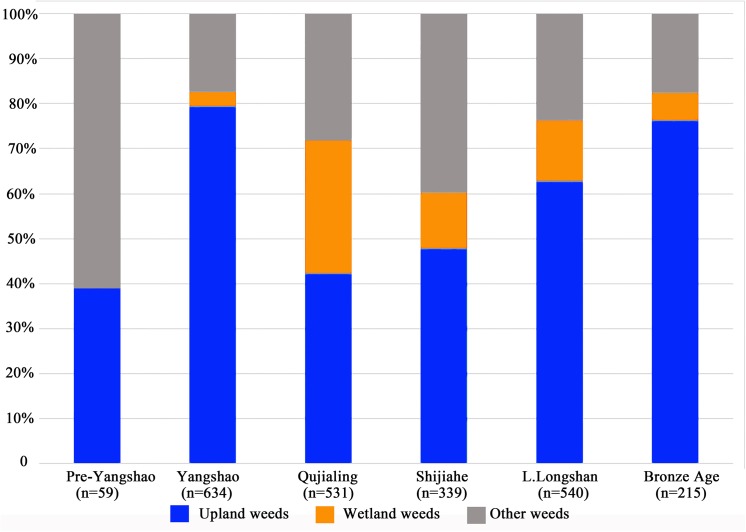
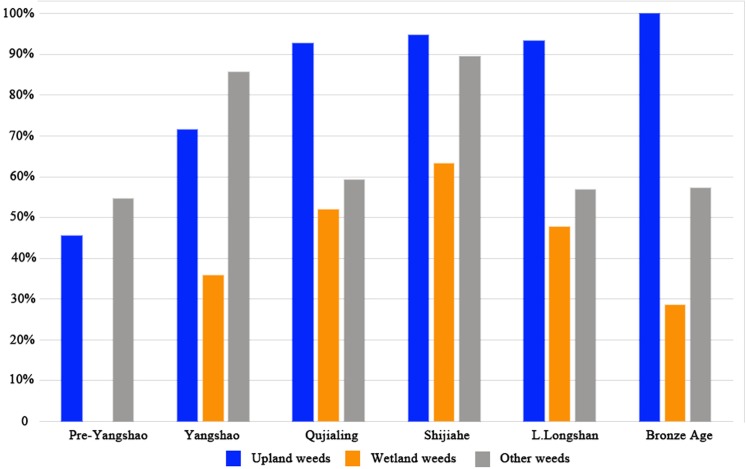
Baligang is a Neolithic site on a northern tributary of the middle Yangtze and provides a long archaeobotanical sequence from the Seventh Millennium BC upto the First Millennium BC. It provides evidence for developments in rice and millet agriculture influenced by shifting cultural affiliation with the north (Yangshao and Longshan) and south (Qujialing and Shijiahe) between 4300 and 1800 BC. This paper reports on plant macro-remains (seeds), from systematic flotation of 123 samples (1700 litres), producing more than 10,000 identifiable remains. The earliest Pre-Yangshao occupation of the sites provide evidence for cultivation of rice (Oryza sativa) between 6300-6700 BC. This rice appears already domesticated in on the basis of a dominance of non-shattering spikelet bases. However, in terms of grain size changes has not yet finished, as grains are still thinner than more recent domesaticated rice and are closer in grain shape to wild rices. This early rice was cultivated alongside collection of wild staple foods, especially acorns (Quercus/Lithicarpus sensu lato). In later periods the sites has evidence for mixed farming of both rice and millets (Setaria italica and Panicum miliaceum). Soybean appears on the site in the Shijiahe period (ca.2500 BC) and wheat (Triticum cf. aestivum) in the Late Longshan levels (2200-1800 BC). Weed flora suggests an intensification of rice agriculture over time with increasing evidence of wetland weeds. We interpret these data as indicating early opportunistic cultivation of alluvial floodplains and some rainfed rice, developing into more systematic and probably irrigated cultivation starting in the Yangshao period, which intensified in the Qujialing and Shijiahe period, before a shift back to an emphasis on millets with the Late Longshan cultural influence from the north.
八里岗是长江中游北岸一条支流上的新石器时代遗址,提供了从公元前7000年到公元前1000年的一段漫长的考古植物序列。它为公元前4300年至1800年期间受与北方(仰韶和龙山)及南方(屈家岭和石家河)文化联系变化影响的水稻和粟作农业发展提供了证据。本文报道了通过对123个样本(1700升)进行系统浮选获得的植物大化石(种子),产生了一万多件可识别的遗迹。该遗址最早的前仰韶时期居住层为公元前6300 - 6700年水稻(亚洲栽培稻)的种植提供了证据。基于无芒小穗基部的优势,这种水稻似乎已经被驯化。然而,就谷粒大小而言,变化尚未完成,因为谷粒仍然比后来驯化的水稻更薄,且谷粒形状更接近野生稻。这种早期水稻是与野生主食的采集一起种植的,特别是橡子(广义的栎属/柯属)。在后期,该遗址有水稻和粟(粟和黍)混合种植的证据。大豆出现在石家河时期(约公元前2500年)的该遗址,小麦(普通小麦)出现在龙山晚期(公元前2200 - 1800年)的地层中。杂草群表明随着湿地杂草证据的增加,水稻农业随着时间的推移而集约化。我们将这些数据解释为表明早期在冲积平原进行机会主义种植以及一些旱作水稻,发展到仰韶时期开始更系统且可能是灌溉种植,在屈家岭和石家河时期集约化,然后随着北方龙山晚期文化的影响又转向以粟为主。